

Leaderboard
-

John in Andalucia
IPS MEMBER3Points4,031Posts -

MattyB
IPS MEMBER2Points18,386Posts -

Al in Kona
IN MEMORIAM1Points2,332Posts -
George Sparkman
IN MEMORIAM1Points1,363Posts
Popular Content
Showing content with the highest reputation on 02/17/2010 in all areas
-
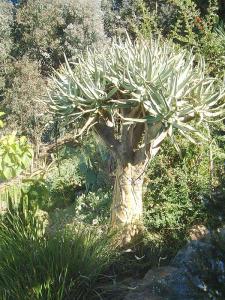
1 pointSince it is growing season for A.dichotoma I figured it would be good to see some pictures of plants grown by other PalmTalk people. I planted this one in March of 08 with 4 heads. It has never been watered other then getting rained on. It now has 16 heads and has really gotten fat. Happy growing, George Sparkman Cycads-n-Palms.com1 point
-
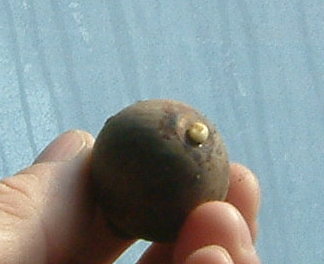
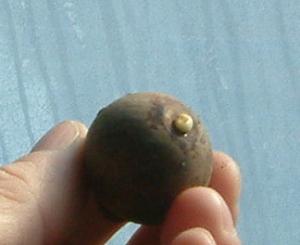
1 pointI discovered this technique by chance with a supermarket coconut whilst probing the embryo with a scalpel. I accidentally nicked the embryo after opening the pore, and the coconut began to sprout a couple of days later. That was over a year ago. I thought nothing more of it until recently, whilst pondering the 70 or so Lemurophoenix seeds I have in a germination box. These seeds are the best of the best (I had 100 seeds and 20 went bad early on). After nearly 5 months, just 6 have started to germinate, and are moving very, very slowly. So I decided to take one for examination, shaved a flat spot over the embryo area, and exposed the embryo. Again, I nicked it just very slightly, and as previously, it began to germinate after a couple of days. Is this something others have tried? I'm tempted to take several more seeds at random and repeat the experiment. These are notoriously slow germinating seeds, and none have popped in the last 6 weeks. Would it be something if I could repeat the same results?
 1 point
 -
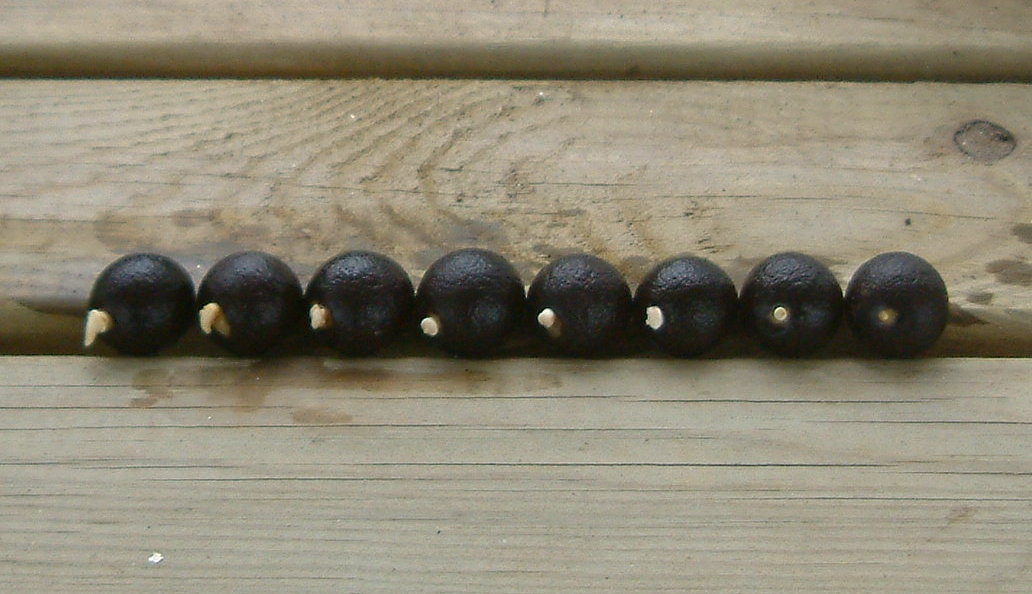
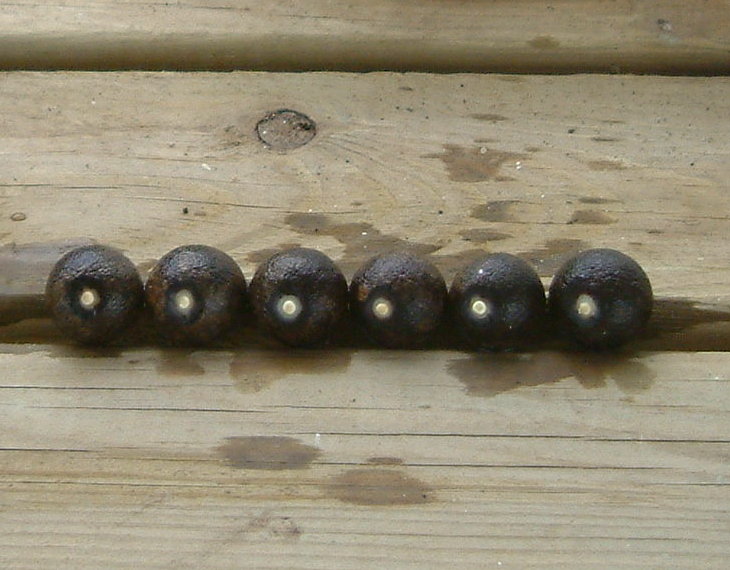
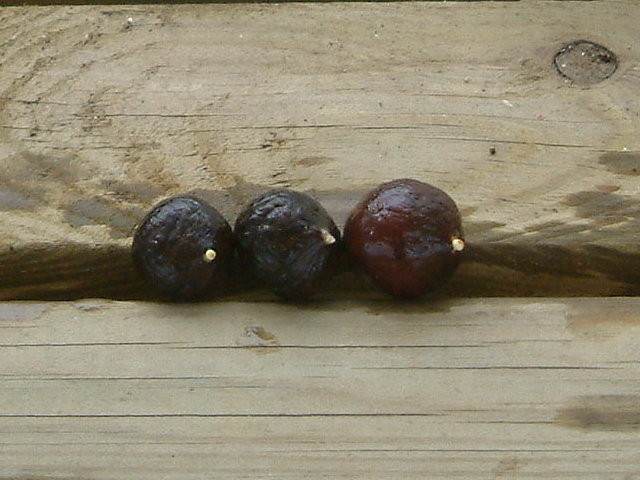
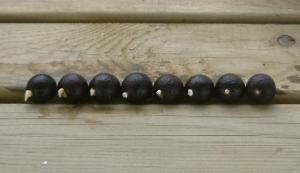
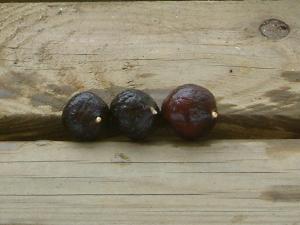
1 point(This thread is a continuation of the topic I started here on November 11th 2009.) It is no mystery that seed germination can be induced, employing a technique known as "de-lidding". This is where the endocarp material covering the embryo is skilfully removed to expose the embryo. As to why, and when you would attempt to induce germination is up to each individual, but in most cases, this is a very useful technique to employ, where you have seeds that are known to take a long time - perhaps a year or more - to germinate. Perhaps you're just curious to know if your seeds are still viable? Maybe you're fed up, monitoring small batches of seeds over such a long period of time, or worried that the embryos may be losing their viability, as you feed them either too much or too little moisture. Or perhaps like me, you want to induce germination as you head towards winter, so that you can raise a batch of seedlings in spring. In my first experiment, I de-lidded 54 seeds of Lemurophoenix halleuxii. I started out with 60 seeds. Six of these seeds germinated without my help within the first few weeks of acquiring them, in mid-June 2009, but after nearly 5 months in a controlled environment, not one seed followed. So I began the experiment 8 days ago. Of the 54 seeds I de-lidded, 13 proved to be non-viable. I lost a further 4 seeds having discovered how important it is to guard against fungal attack when using this technique. Removing the endcocarp material from certain seeds will inevitably expose some of the endosperm around the embryo, and this is where fungus will strike, if you are not vigilant. To avoid this problem do 3 things. Firstly, use a sterile germination medium such as vermiculite or perlite, or if you want to use your regular soil mix, cook it in the microwave first, to kill off any resident bacteria. Secondly, move your seeds after 24 hours to a different box. A change of substrate and "new air" seems to help. Thirdly, do not bury the embryo. Keep it above the surface of your germination mix, and mist your seeds at least twice a day. You can further prevent a fungal attack by using fresh water in a hand-mister, to "jet wash" the embryo close-up, from just an inch or a couple of cm away, when you move your seeds to a different box. So that's it. Some species can be de-lidded easily, without inadvertently exposing the endosperm around the embryo, in which case, these seeds can be germinated as normal, without the need for regular intervention. Here are my 3 case studies. Others are also posting their experiences here, using the same technique, so please feel free to document your results. Case #1 - Lemurophoenix halleuxii All viable seeds de-lidded 3 days ago are continuing to grow healthily. Visible embryo growth started in less than 30 hours! One seed remains intact to see if and when it germinates on its own. Case #2 - Corphya utan /macropoda These seeds were a gift from Kris, I think more than a year ago. Only one seed germinated earlier this summer, so they were an ideal candidate. Photo A - 8 out of 10 seeds were viable after more than a year, and embryo growth was observed after 72 hours. After 5 days, the most vigorous seeds are getting ready to throw down a root! Photo B - labelled by Kris as Corypha macropoda although I understand this to be a synonym of Corypha utan. Still, they are most likely from a different tree, so they are being kept apart. These seeds were de-lidded 3 days ago, and 6 out of 7 seeds were found to be viable. A.B. Case #3 - Jubaea chilensis These seeds were left over from a batch germinated last year, and after first removing the mesocarp, 3 out of 5 were found to be viable. Embryo growth was visible after 48 hours.

 1 point
 -
 1 pointI have not been to Chile but I took the URL from the french palm site "fous de palmiers". Beautiful pics. http://www.geographylists.com/chile_campana.html Have fun. bruno1 point
 -
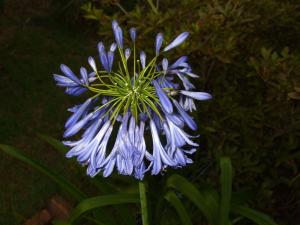
 1 pointWhilst taking some last photos ever of my bris garden, I also took a couple of frang photos, here they are for prosperity. and a fading aggy for good measure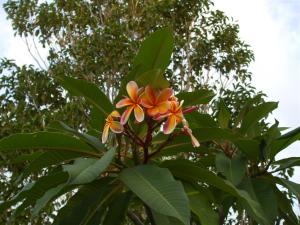


 1 point
 -
 1 pointI'm pretty sure I've posted a pic of mine on here before. Here's a photo of my big one that I took abour 3-4 years ago. It still looks pretty much the same except maybe the existing branches are a little longer. Mine has been blooming every Fall for 7 or 8 years now. The diameter of the base is probably around 20 inches. It was first planted out about 20 years ago and was maybe two feet tall at the time with a 3-4" diameter stem and grew fast and vigorously the first 10 yearsf...then it slowed down. I basically never water it and just let it do its thing. I also have a little Aloe pillansii that's maybe 20-22 inches tall. It grows alot slower but looks fairly healthy. It's been in the ground for about four years now. Because of where it's situated, it gets a little accidental water every now and then in the Summer but that's it besides the winter rains. I had an Aloe ramossissimum that was growing quite fast on my steep hillside but about 2-3 years ago one winter it sucked up so much moisture that it fell over and split apart. I was able to root some of the pieces in other parts of the yard but they are still small.
 1 point
 -
1 point
-
Huge tree aloe Don't be Koi Roy! Assorted Aloe species and Larry looking especially grumpy. Draceana draco1 point
-
1 pointGood suggestion Kris. Yeah Keith, and don't forget to plant some Pseudophoenix ekmanii so you can show your grandkids what a decently mature one of it will look like! Oh yes, also a Copernicia cowellii!1 point
-
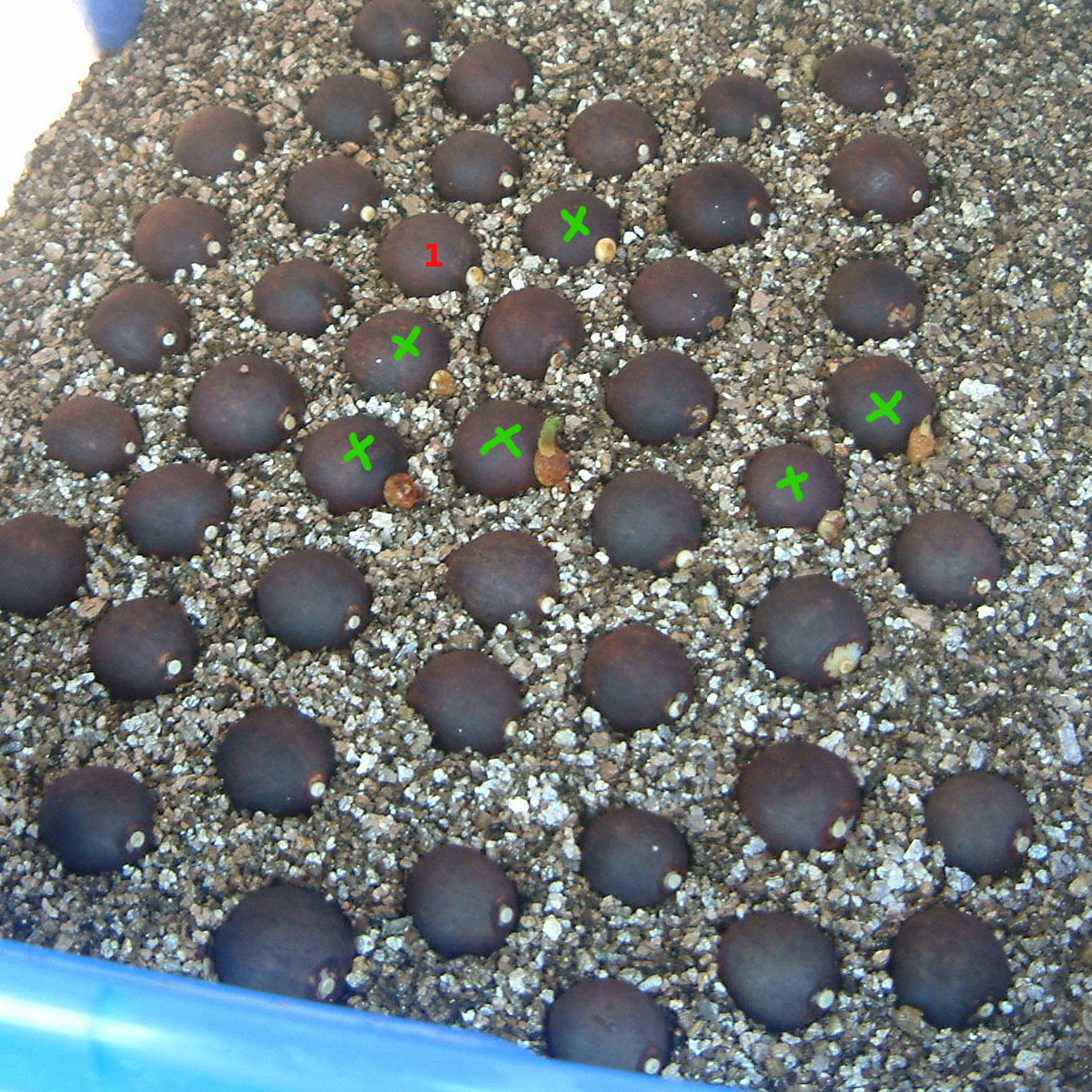
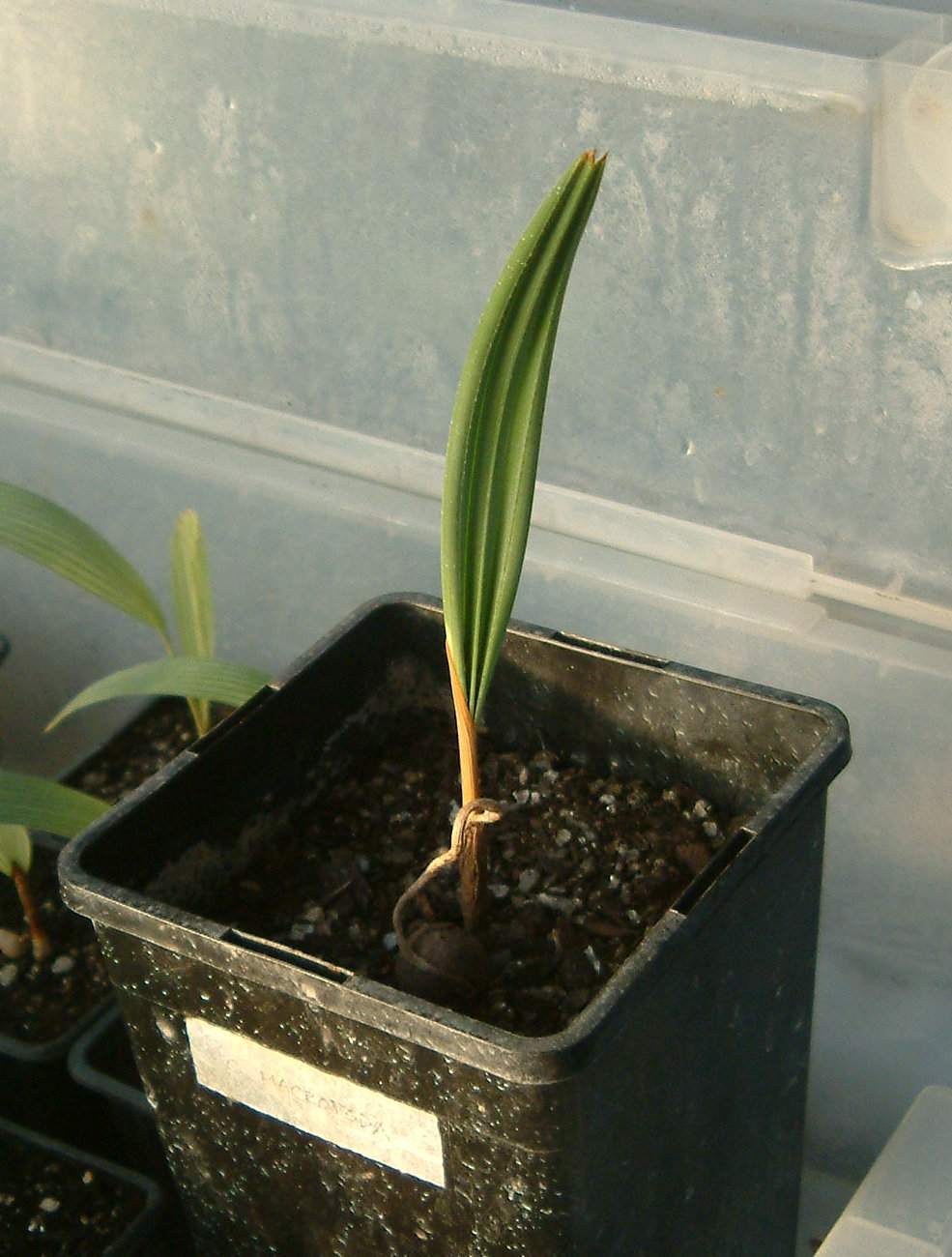
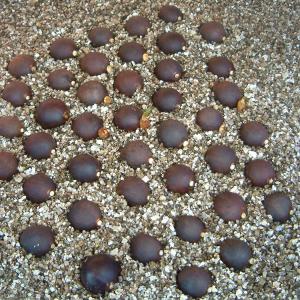
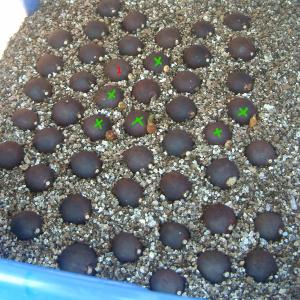
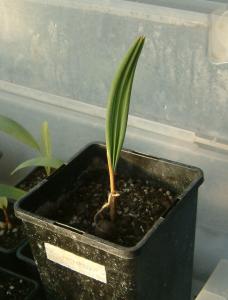
1 pointHere's an update on what's going on in my camp.. I've now de-lidded all of my Lemurophoenix seeds. Of the 60 I started with, 12 had dead embryos but I have 47 germinators, only 3 of which look poorly. In the photo, the seeds marked with a green "X" were the original 6 that germinated naturally. One is them is way ahead as you can see, with a spike already. The seed marked "1" in red, was de-lidded about a week before I began the experiment on the first batch of 5, and now looks no different to the naturally germinated seeds. Talking of the 3 poorly looking seeds, these were from the first 5 seeds I de-lidded, and my mistake was to leave them too long unattended in the smaller box. I noticed very tiny fungus spores around the embryos of 3 of the seeds after the second day, so since then, I move them to another box after the first 24 hours - in this case the main box with all the seeds in. I also used a hand mister with fresh water and blasted the embryos from about an inch away to ensure they weren't carrying any bacteria. This seems to have prevented any further problems with fungal attack. The Corphya seeds are looking promising too. I have 10 in a box here, and despite their slowness, the first is definitely starting to germinate. These seeds have been lying around and doing nothing for almost a year, so I'll be very pleased if I've managed to induce germination. Photo on the right is my seedling of the only Corphya seed that germinated earlier this year. Bill - good luck with your Pelagadoxa!

 1 point