Leaderboard


Popular Content
Showing content with the highest reputation on 04/08/2025 in all areas
-
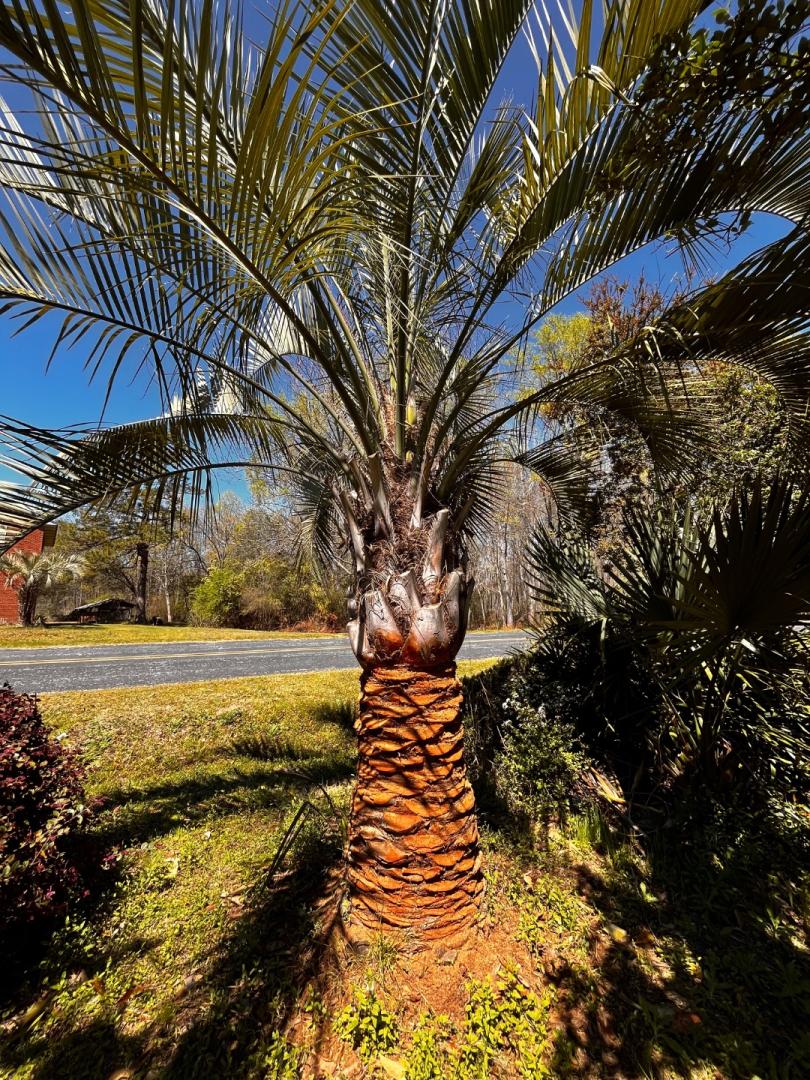
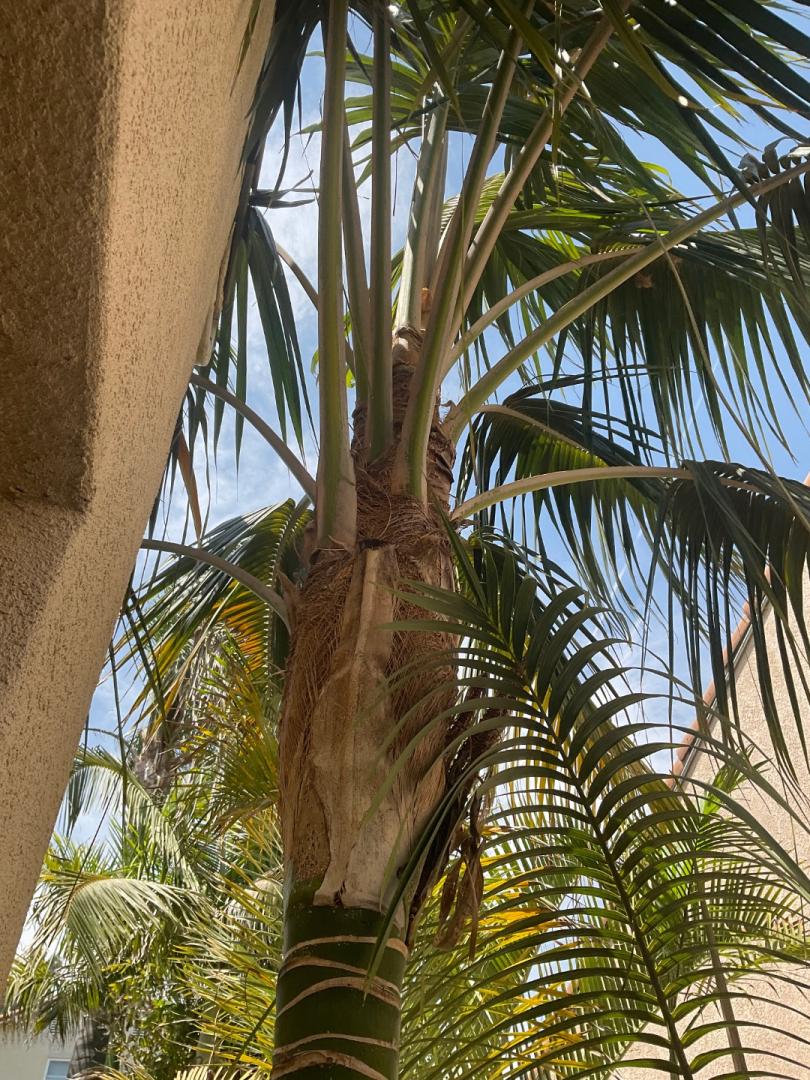
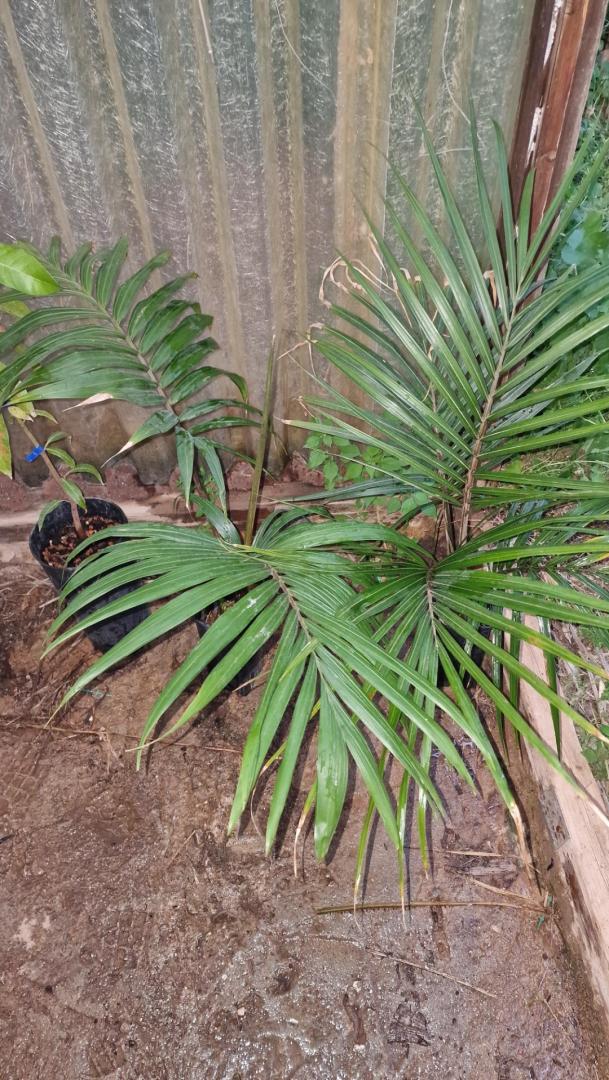
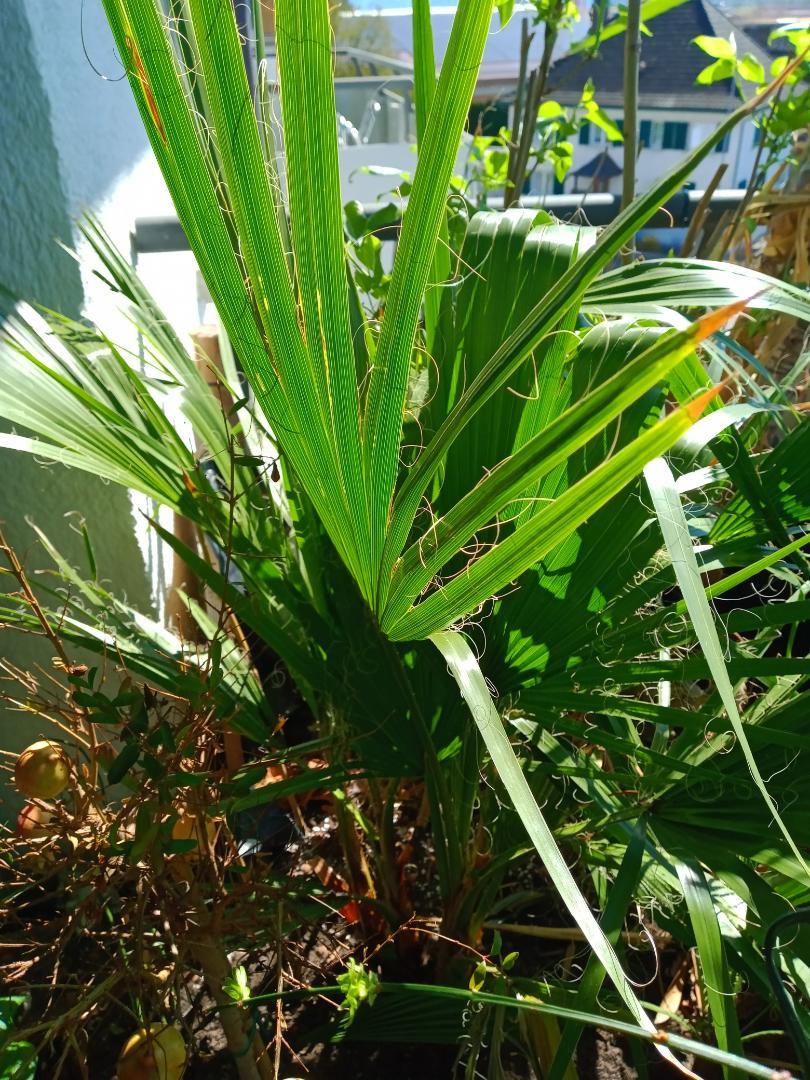
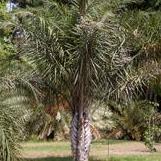
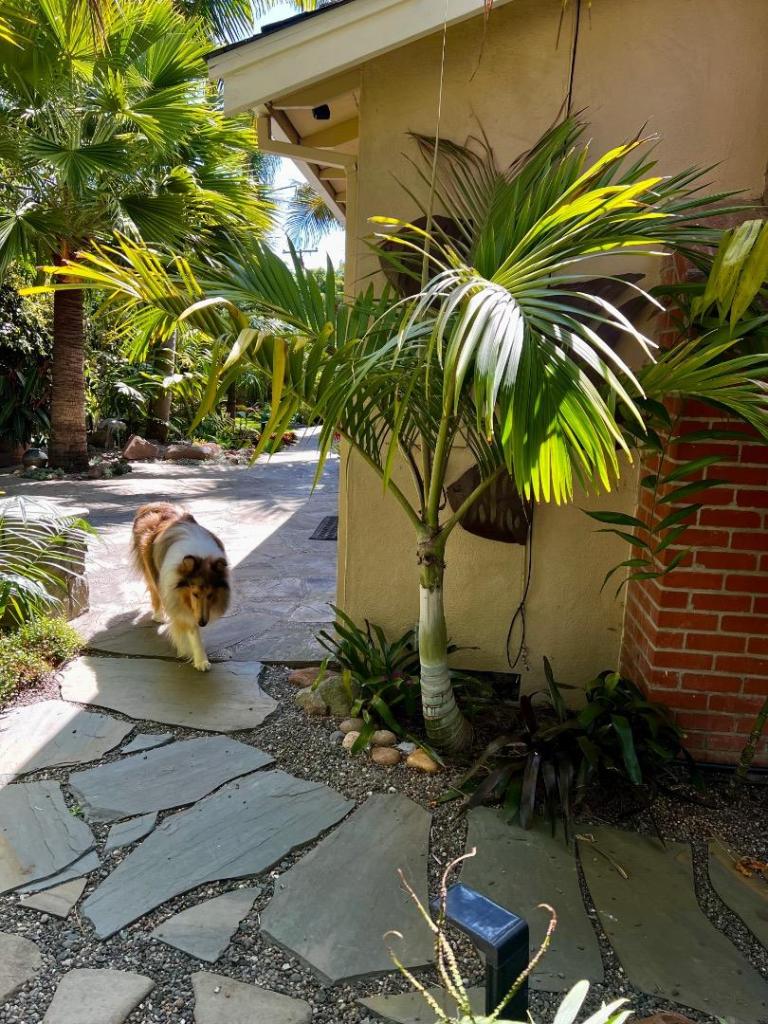
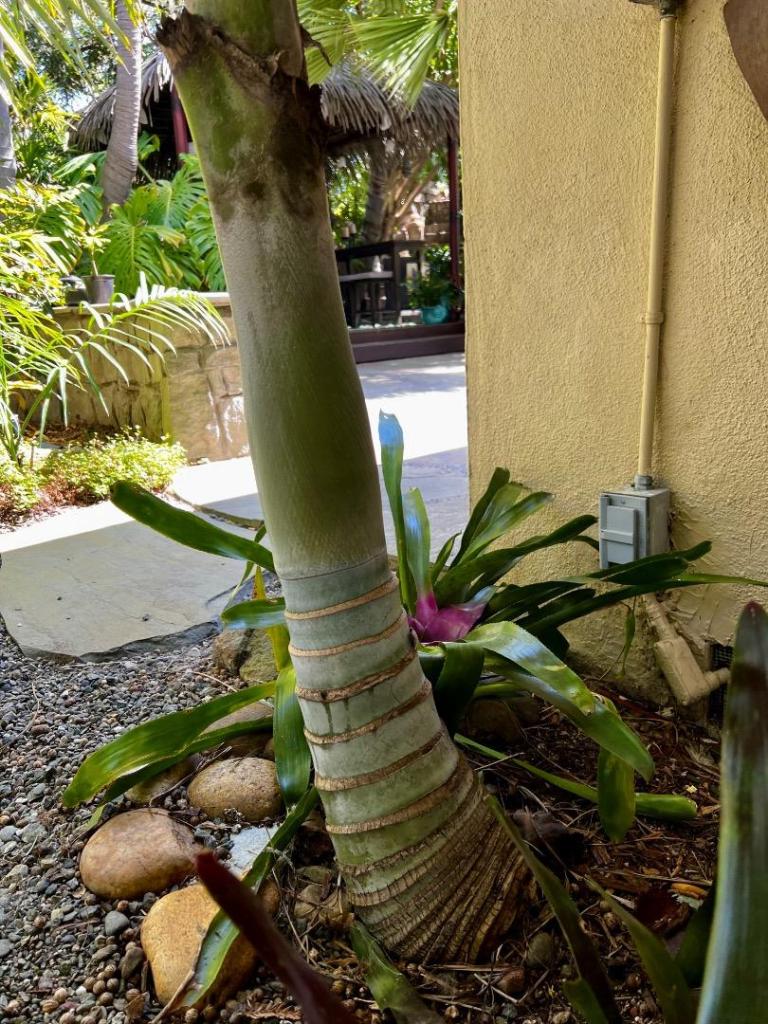
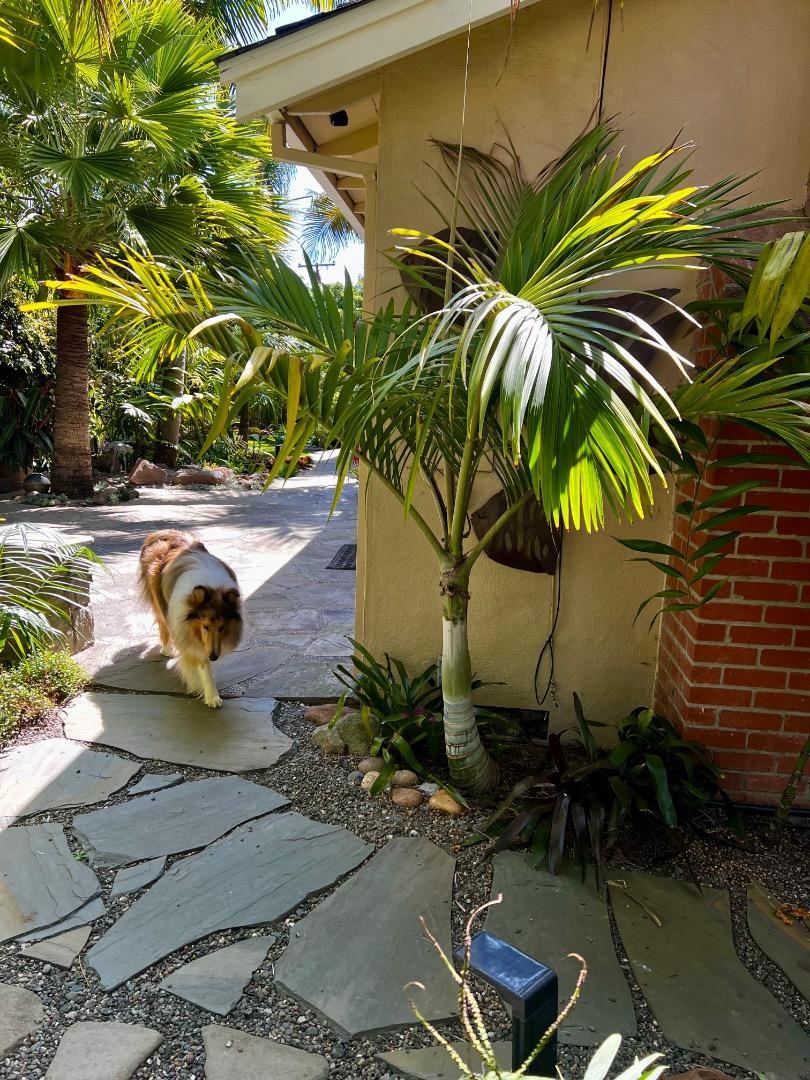
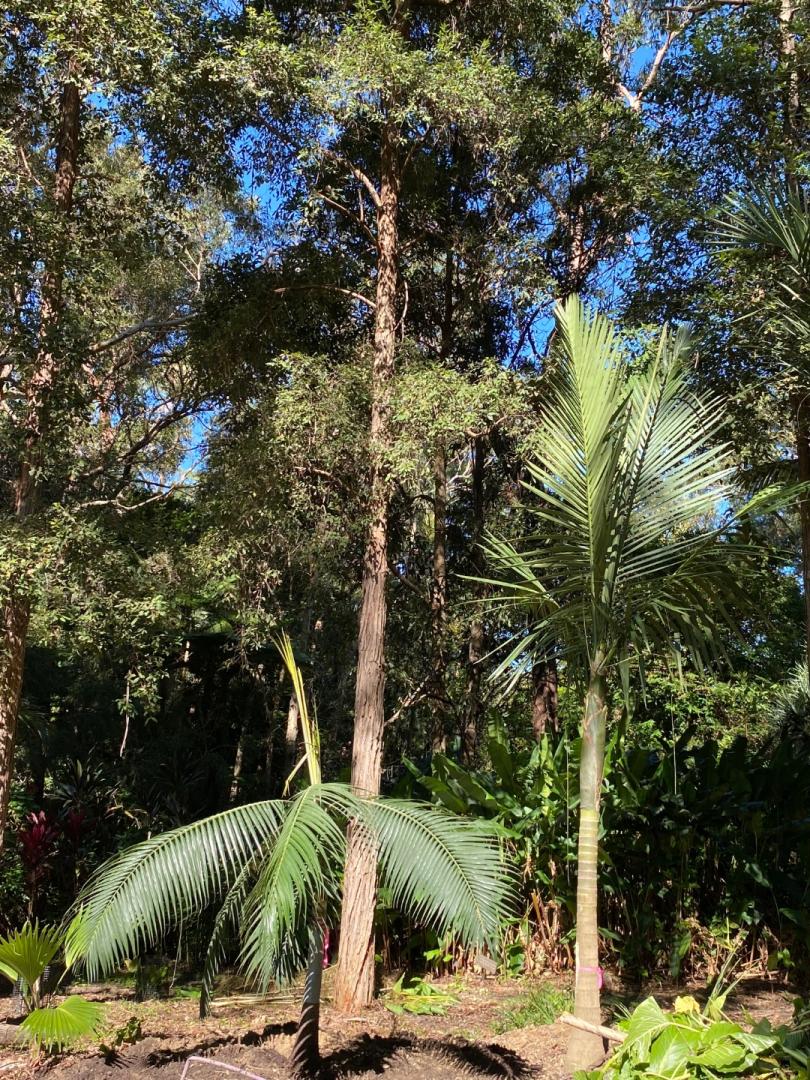
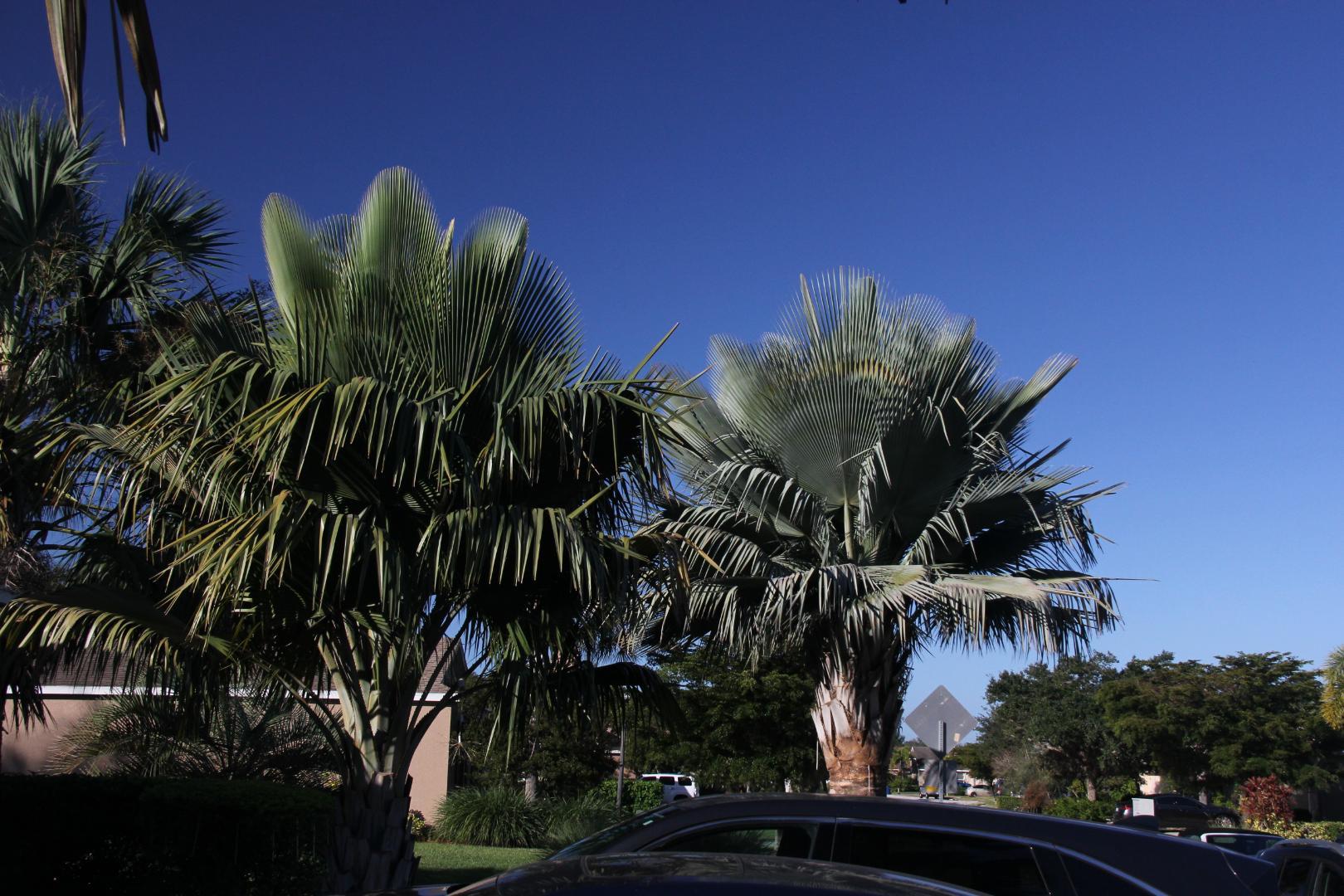
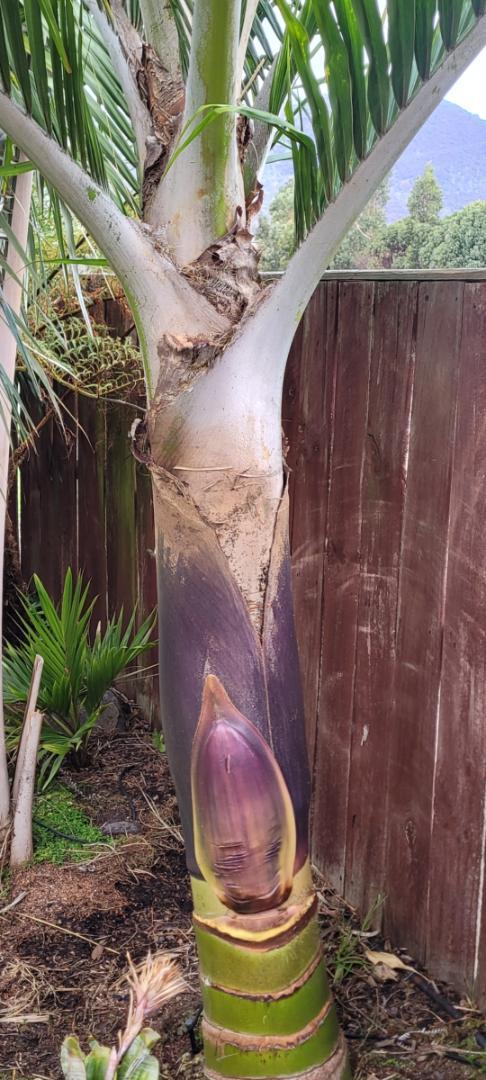
This is my only trunking one. It’s been a long journey from a small seedling, about eighteen years, but it’s putting out several new leaves per year now. Much faster growth than years ago. I hope it manages the sun after it gets up above the roofline.
 6 points
 -
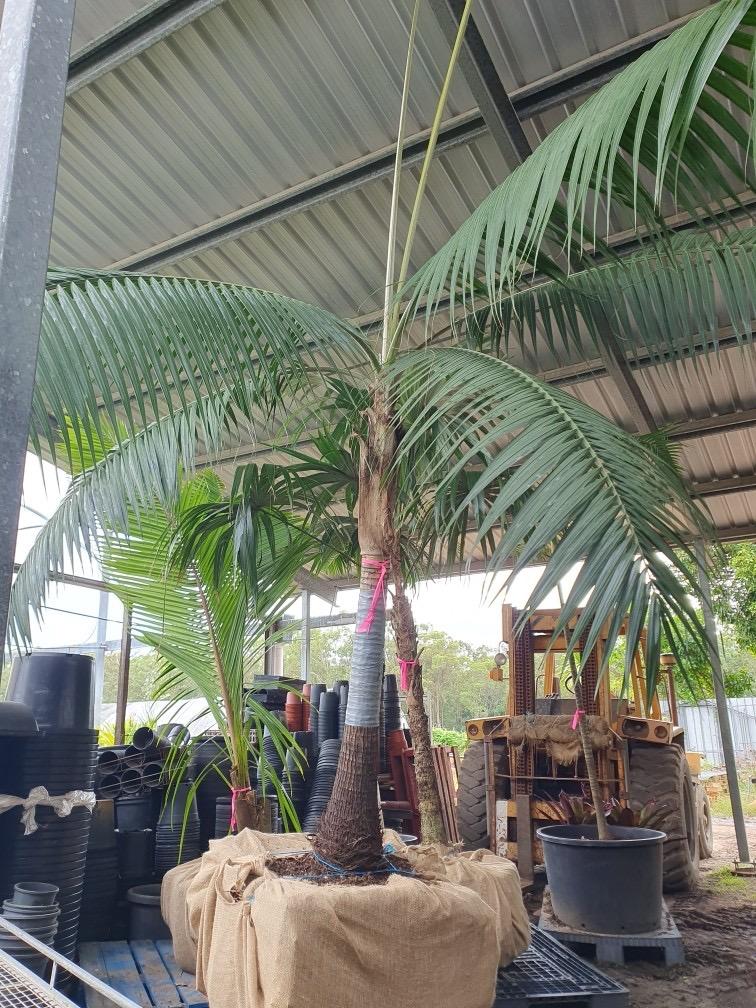
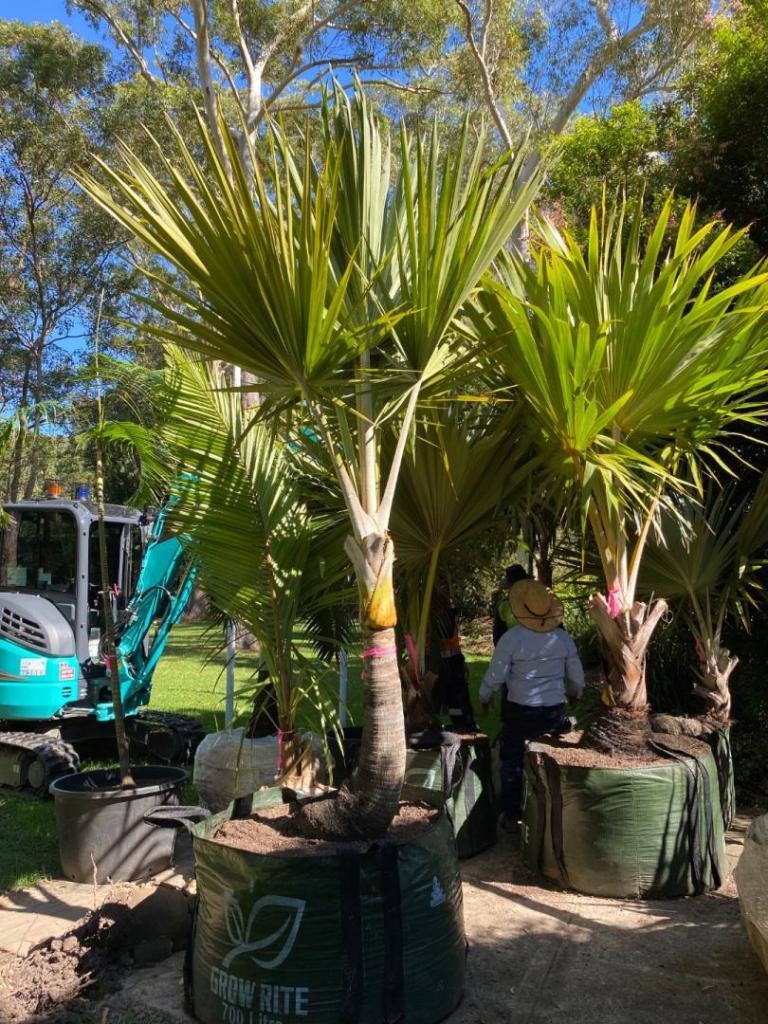
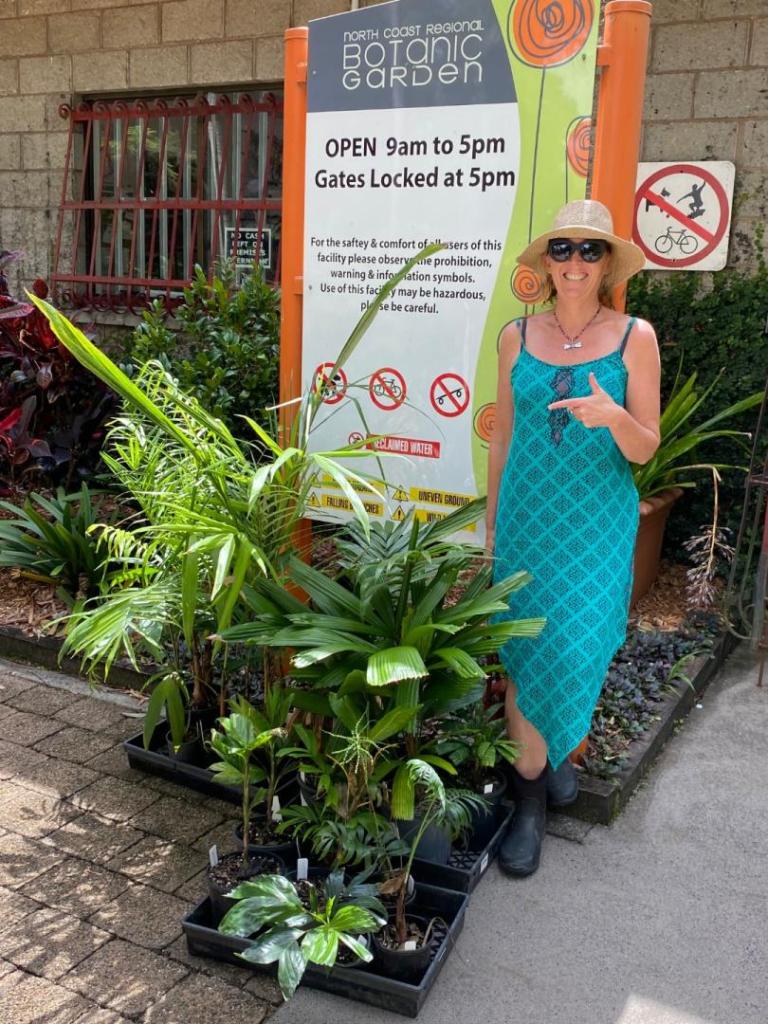
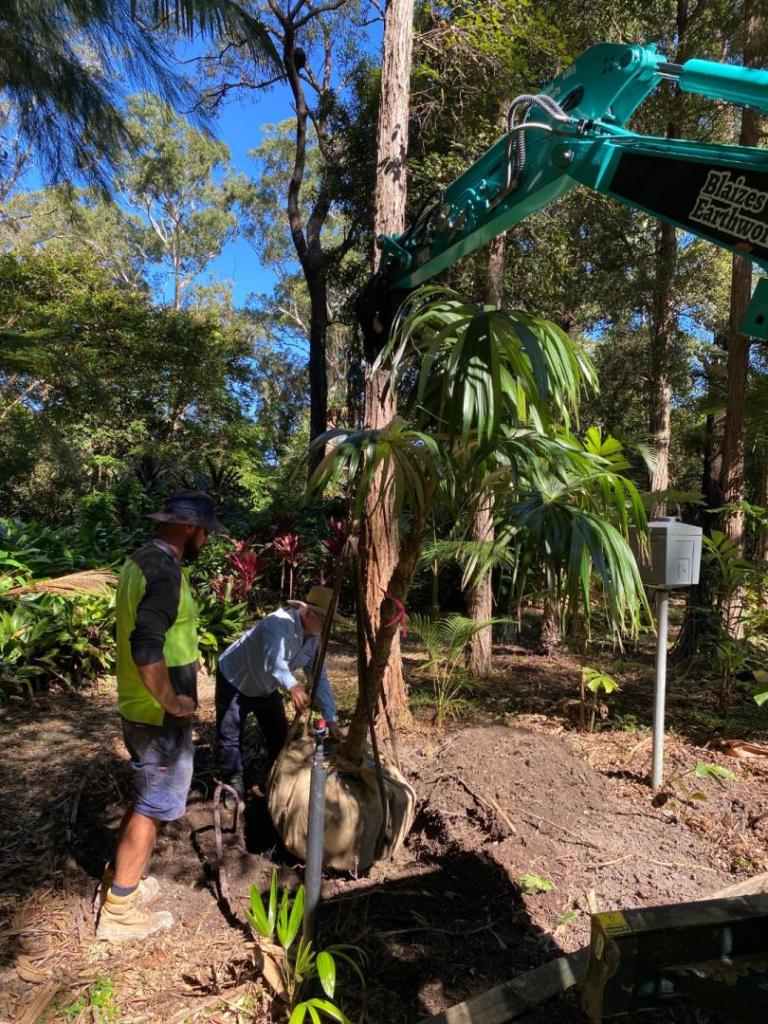
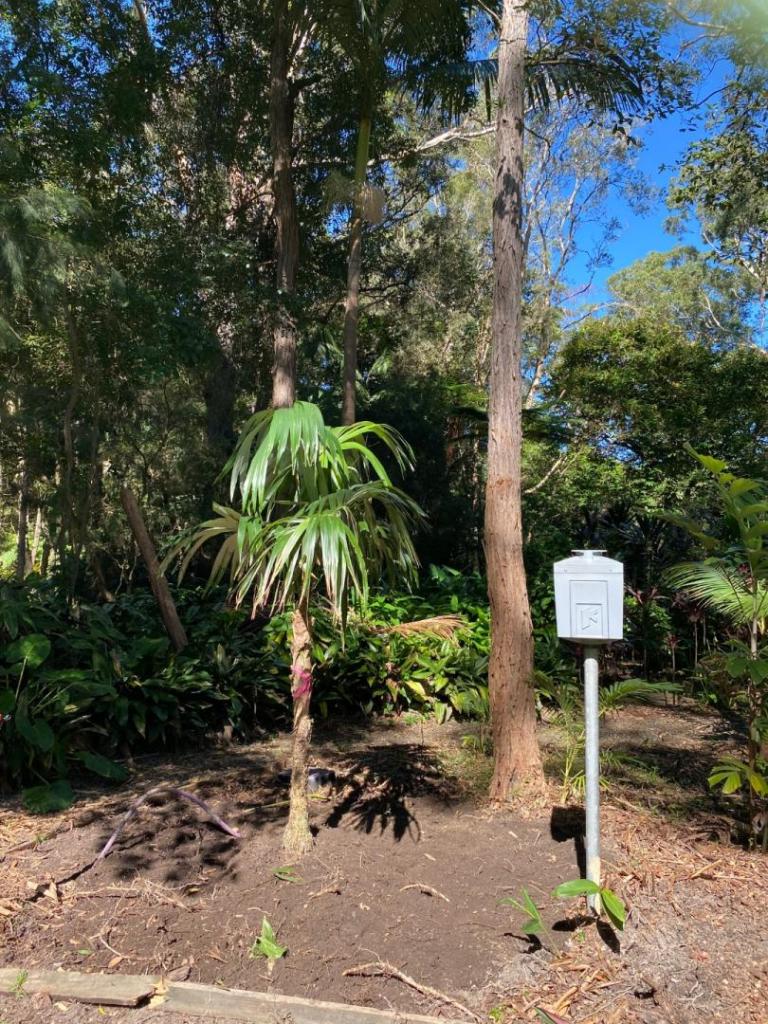
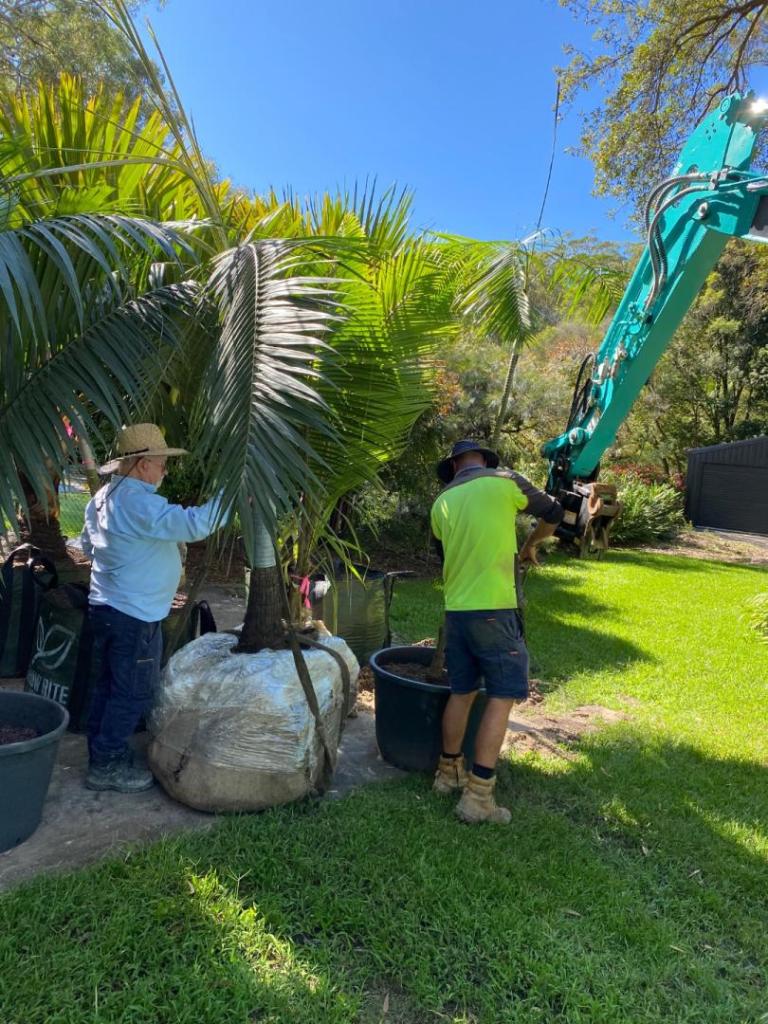
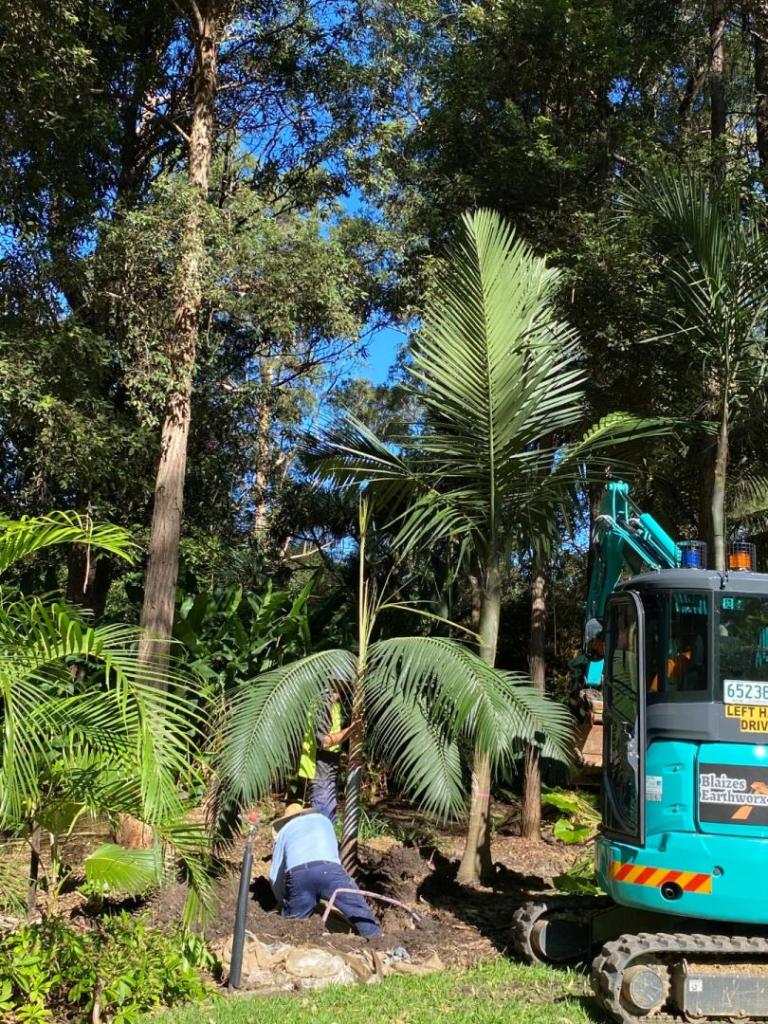
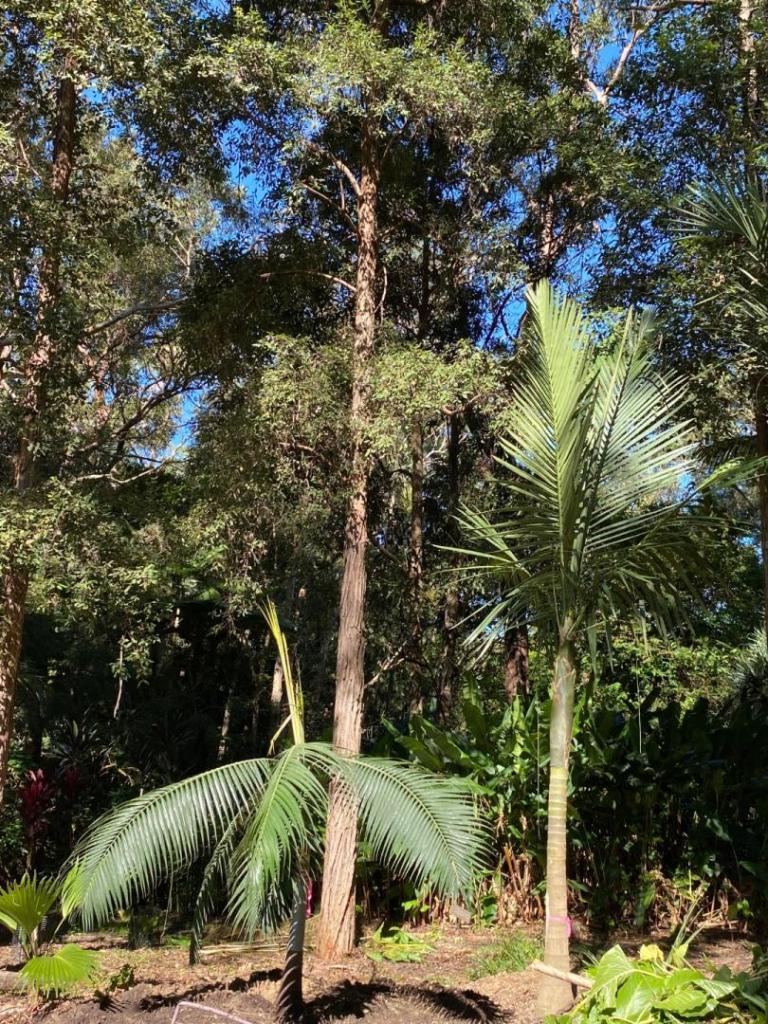
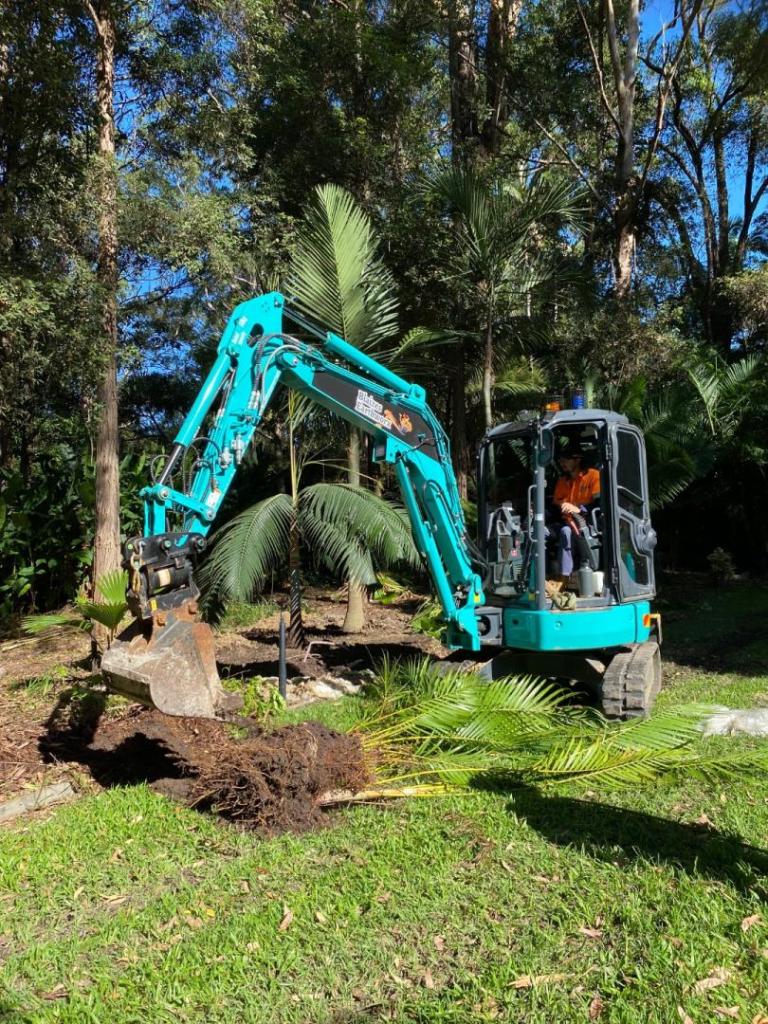
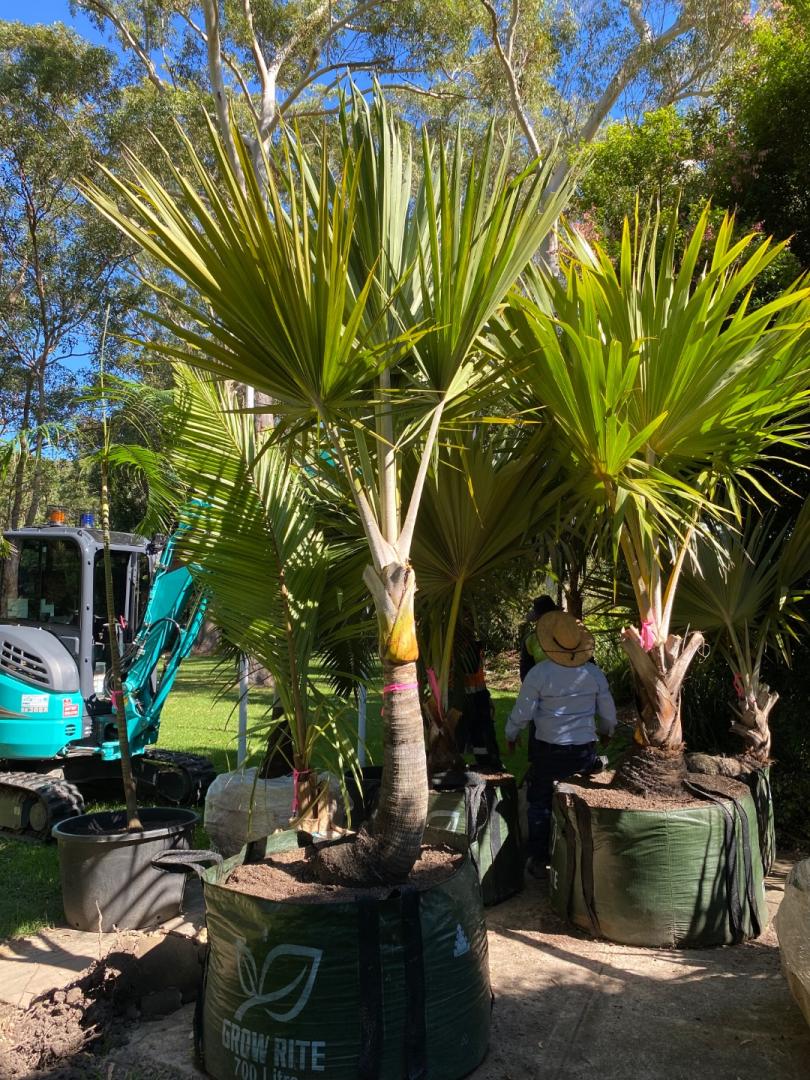
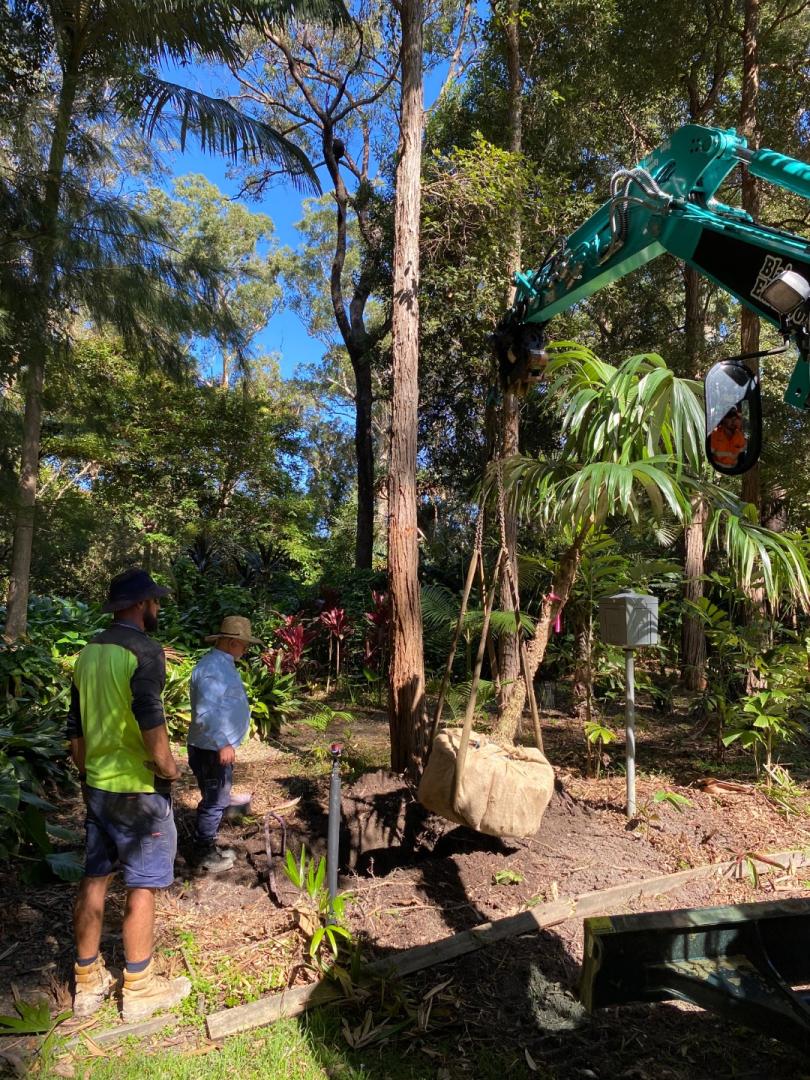
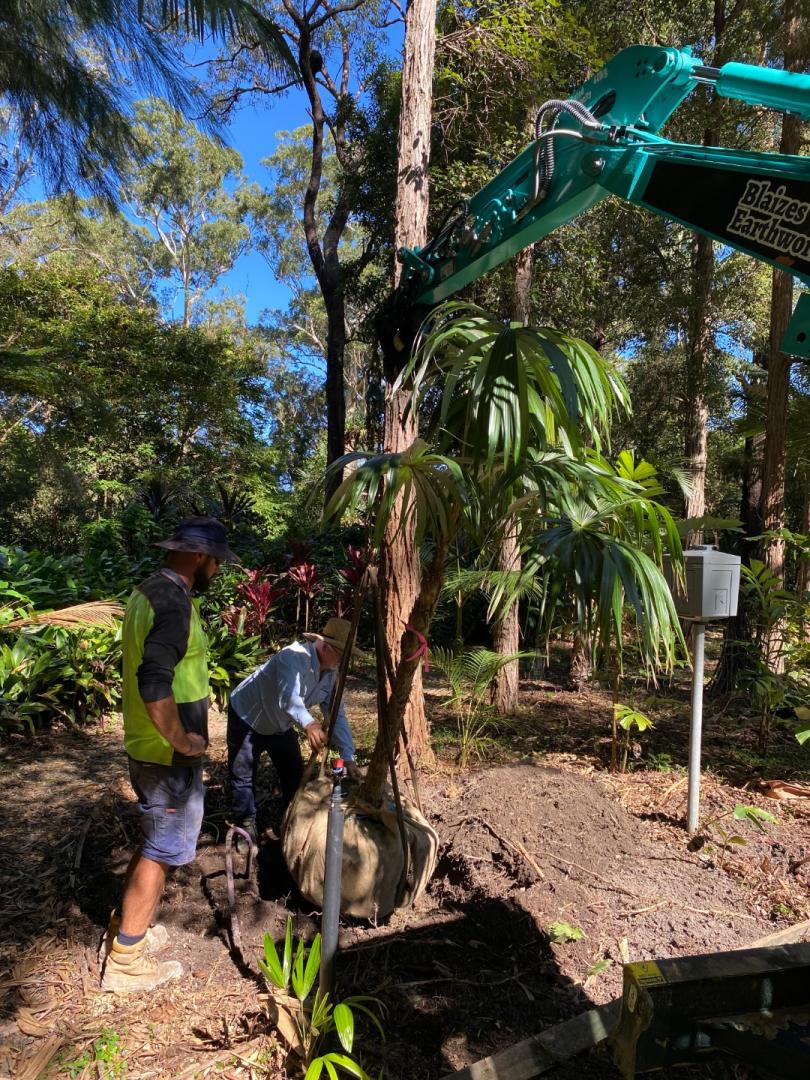
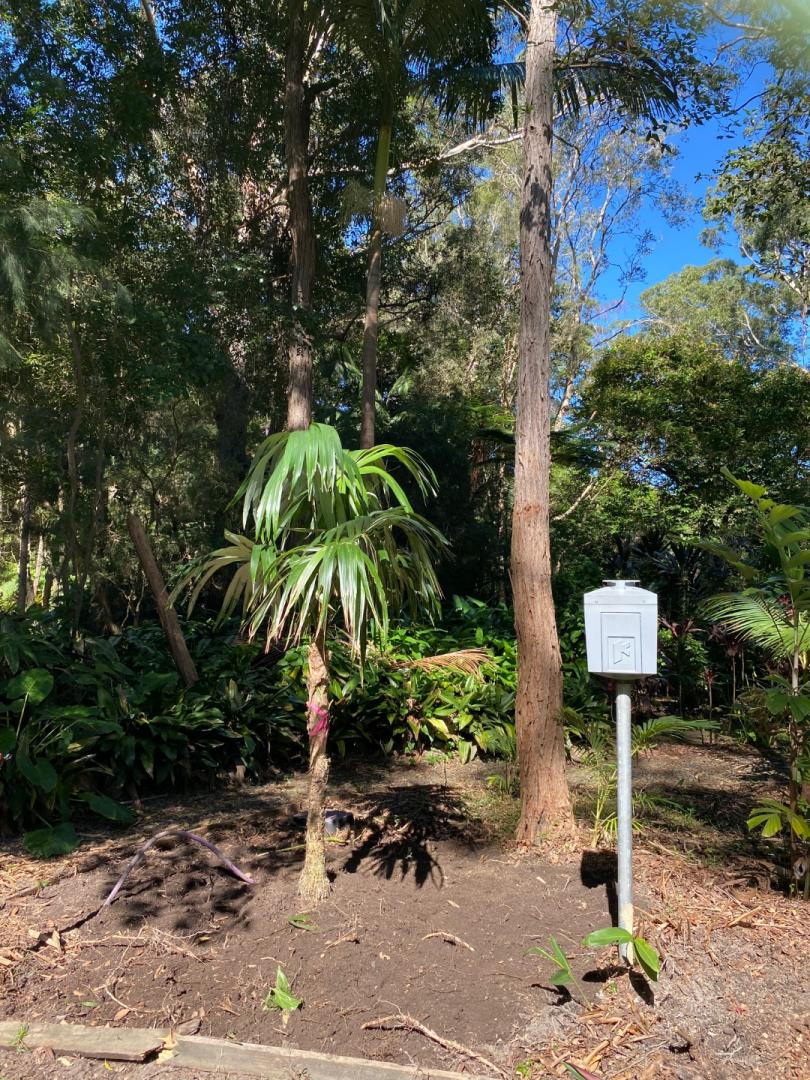
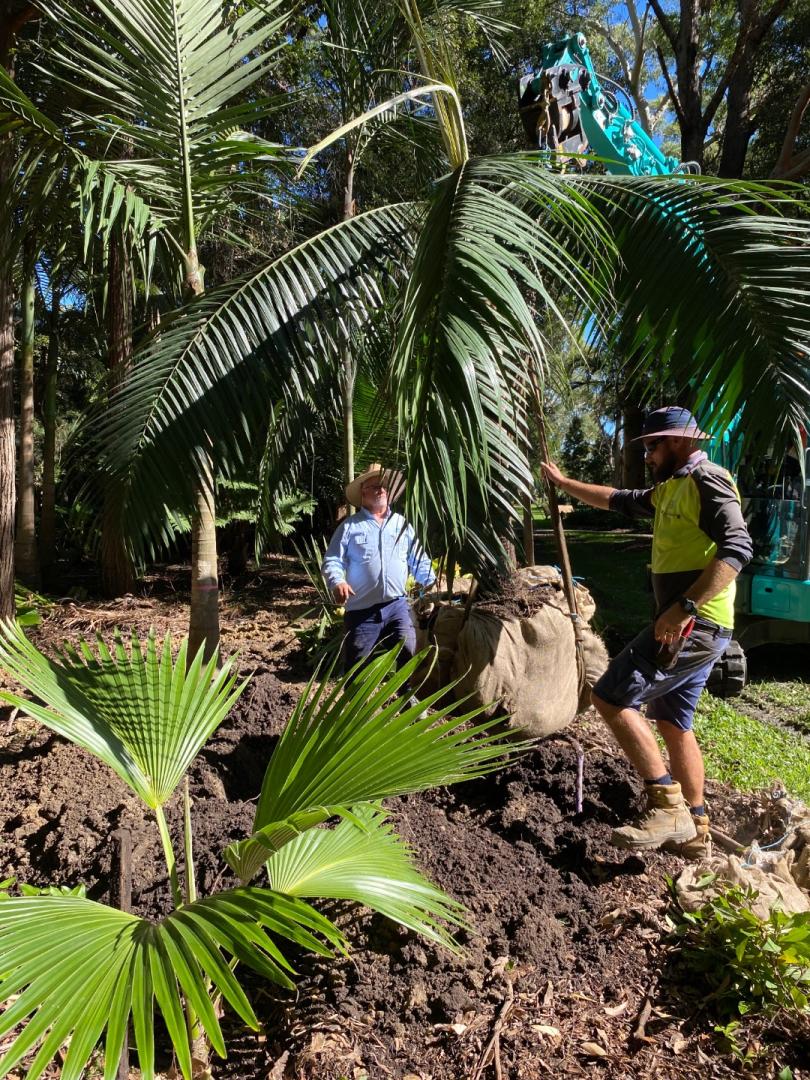
With a truck load of palms being delivered to the gardens in Coffs Harbour. It was time to get planting due to OHS I was not able to participate in the activities of planting only spectate. But Rick and Toby had it all under control so no need for someone getting in the way. But I will be planting some of the smaller palms that have been donated by Colin Wilson, Lyn Crehan and myself. The plan is get the big ones in and then plant the smaller ones in and around the garden. The planting of the smaller ones should begin next week. So a big thank you to Colin Wilson for donating a truckload of palms in my home town and it’s great being part of a conversation project for future generations. Ps and a big thanks to Jodie the better half for putting up with a palm nut in her life.






 5 points
 -
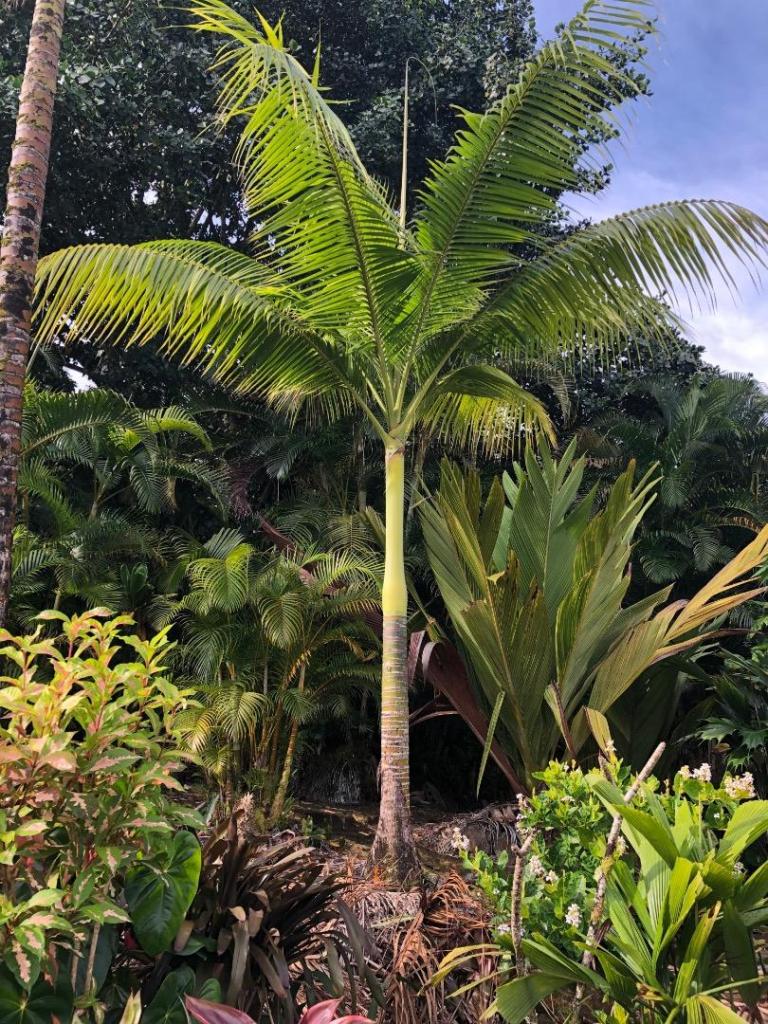
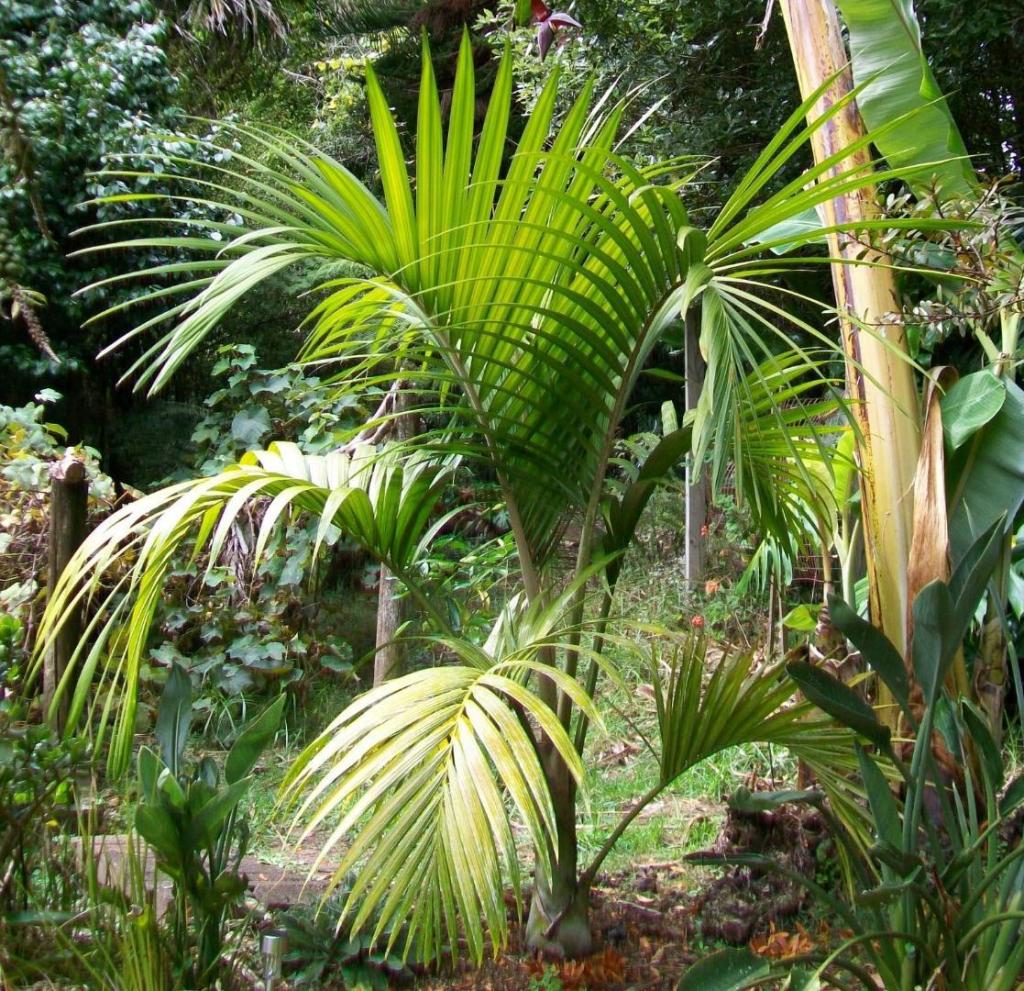
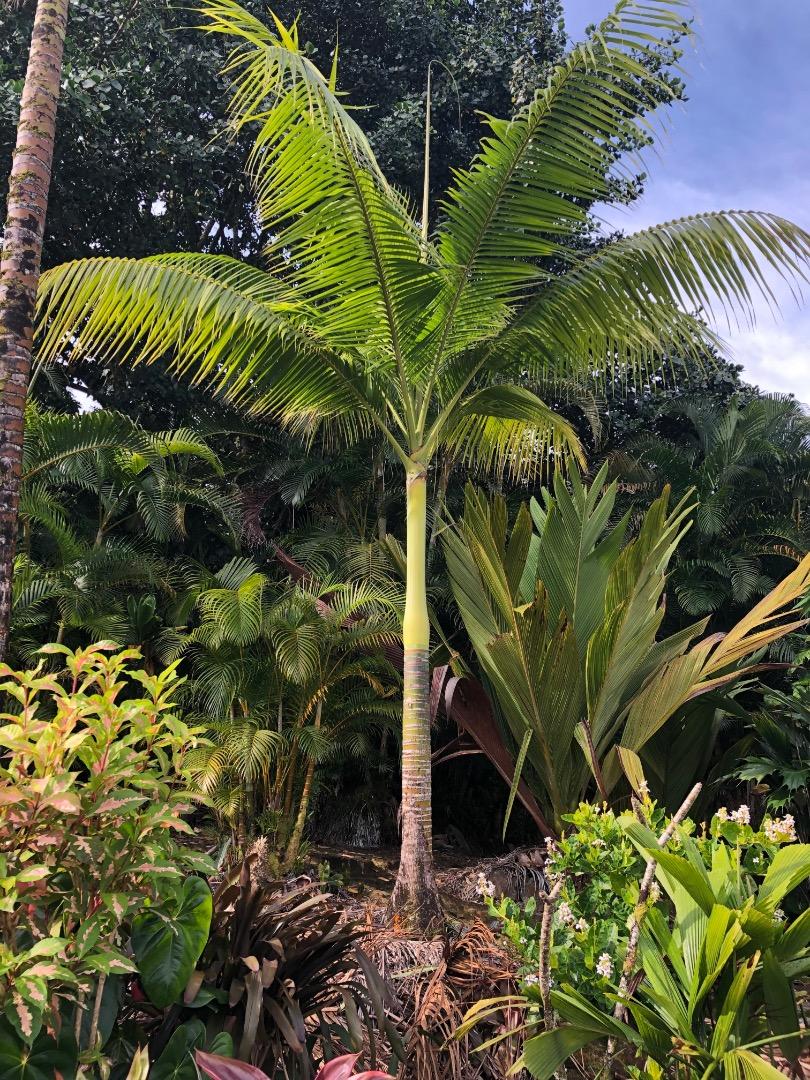
Clinostigma savoryanum, always worthy of more than a passing glance and a photograph. Tim
 5 points
 -
@PlantMorePalms + @Kim A lot of them are unlisted on YouTube, but I was able to locate them on Palms.org. This is as complete a list as I could assemble: IPS Webinar – Pacific Island Palms with Don R. Hodel IPS Webinar – Palms of Cuba with Paul Craft IPS Webinar – A Blank Slate to Flourishing Palm Garden IPS Webinar – Designing With Palms with Jason Dewees IPS Webinar – Ecology of the Mazari Palm with Dr. Abdullah Abdullah IPS Webinar – IPS 2022 Hawaiian Biennial with Rick Kelley and Mary Lock IPS Webinar – Palms of Vietnam with Andrew Henderson IPS Webinar – Life of a Palm Biologist with Larry Noblick IPS Webinar – Exploring the Palms of New Guinea with Dr. William J. Baker IPS Webinar – The Madagascar Giant Suicide Palm (Tahina spectabilis) with Dr. John Dransfield IPS Webinar – The Palms of Colombia with Dr. Rodrigo Bernal IPS Webinar – The Glory of the Gardens: Palms and the Making of Kew with Dr. Kate Teltscher IPS Webinar – Combatting the Red Palm Weevil with Yehonatan Ben Hamozeg5 points
-
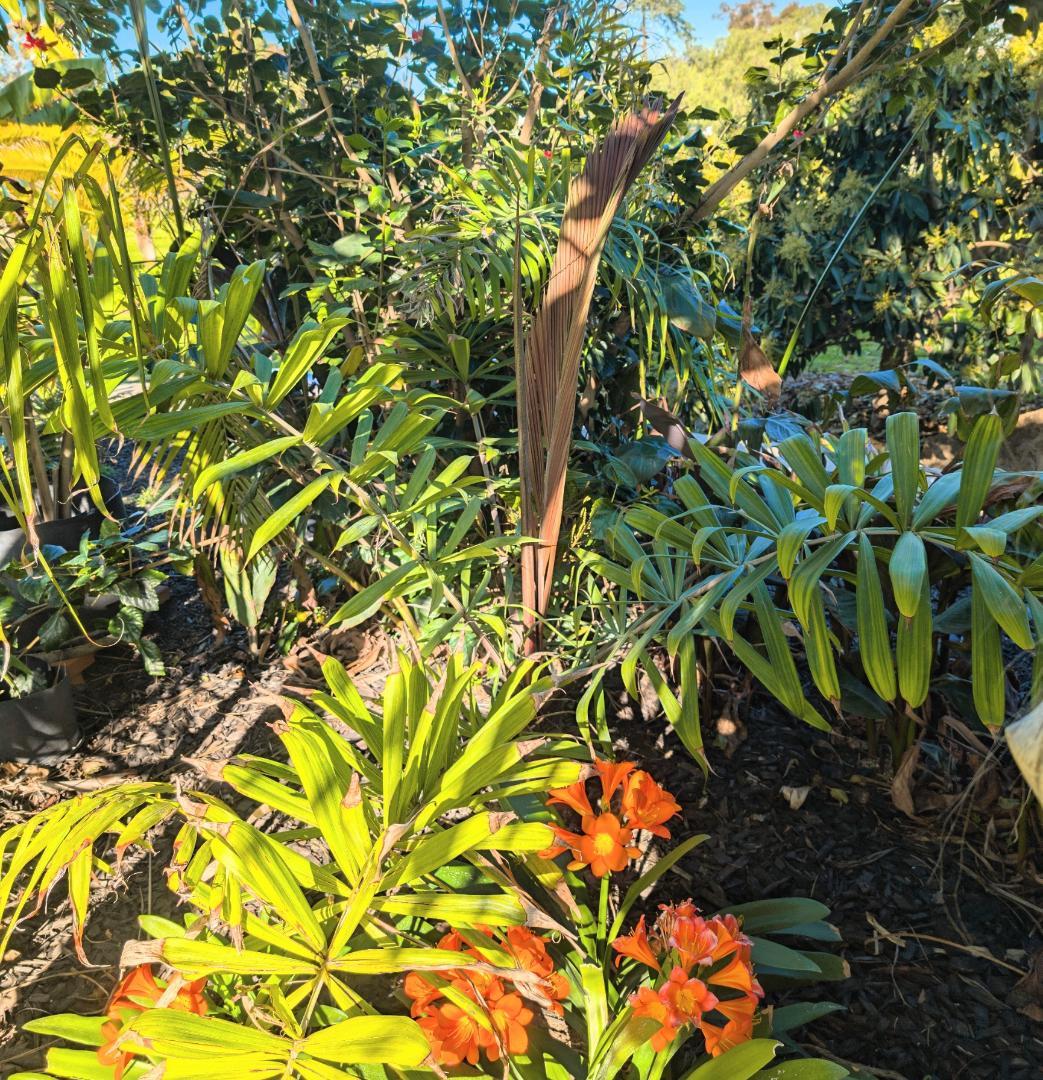
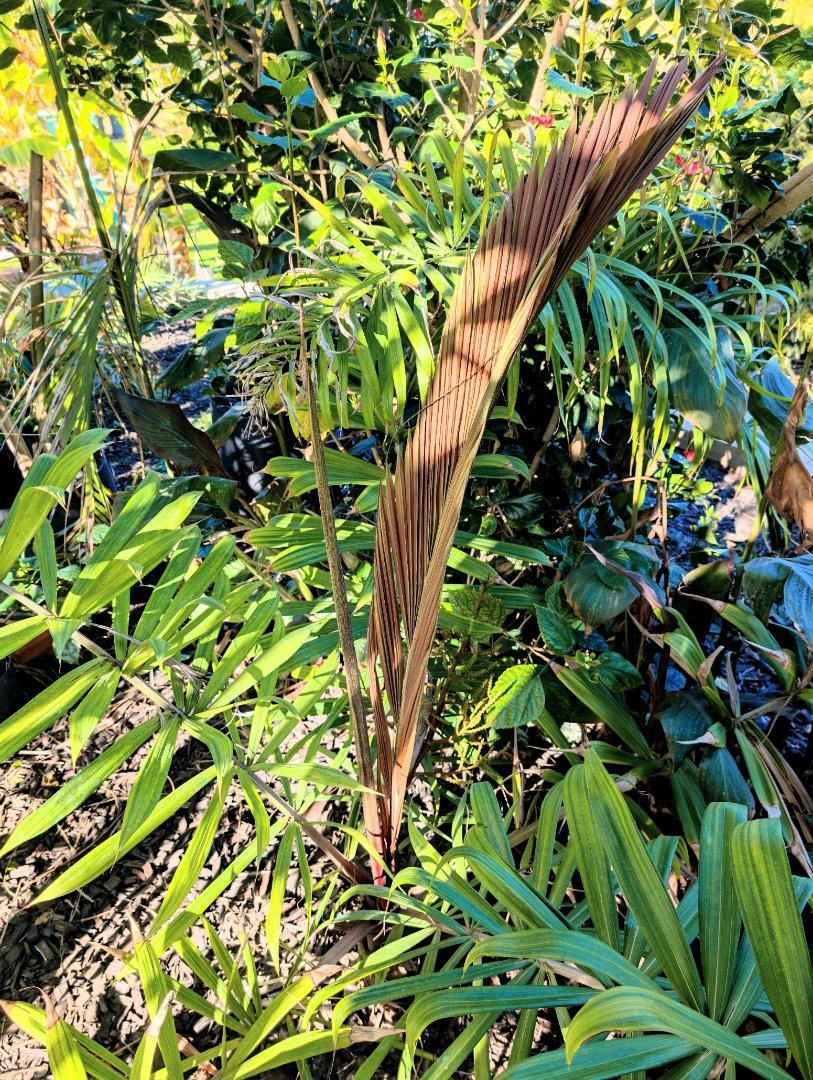
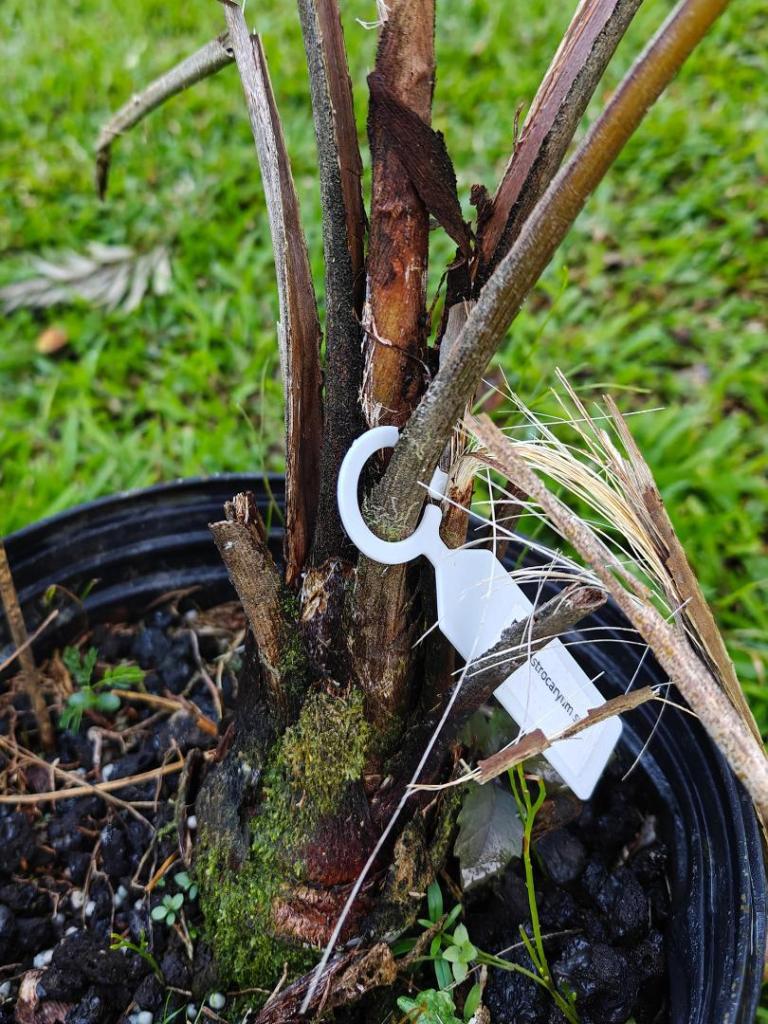
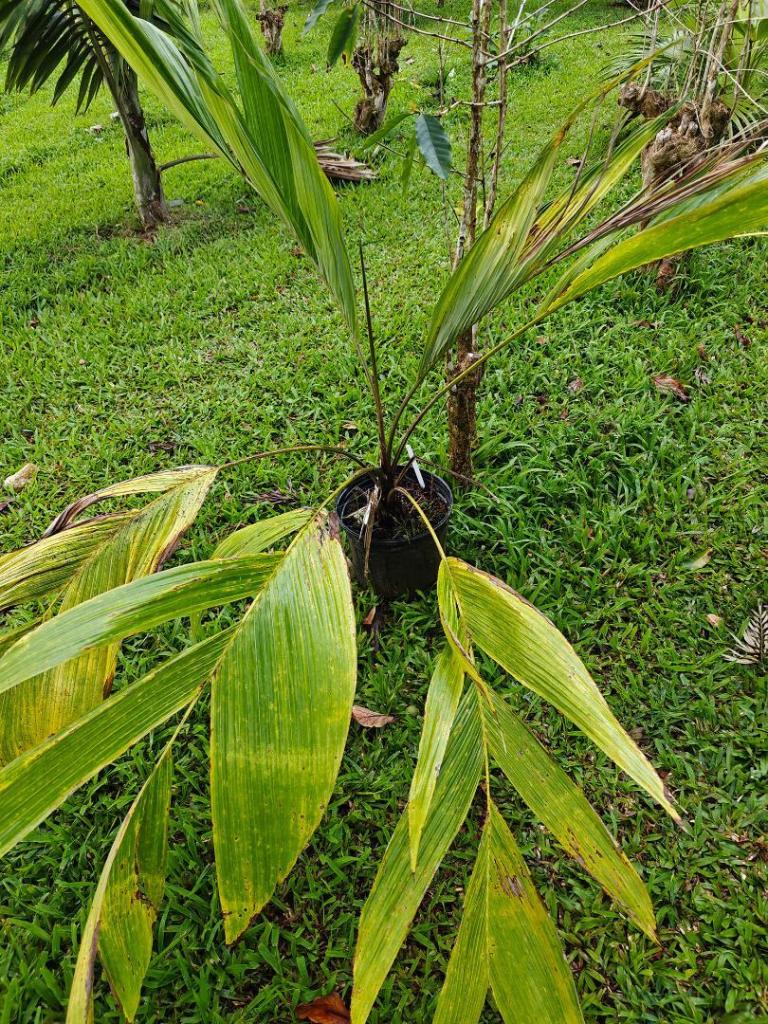
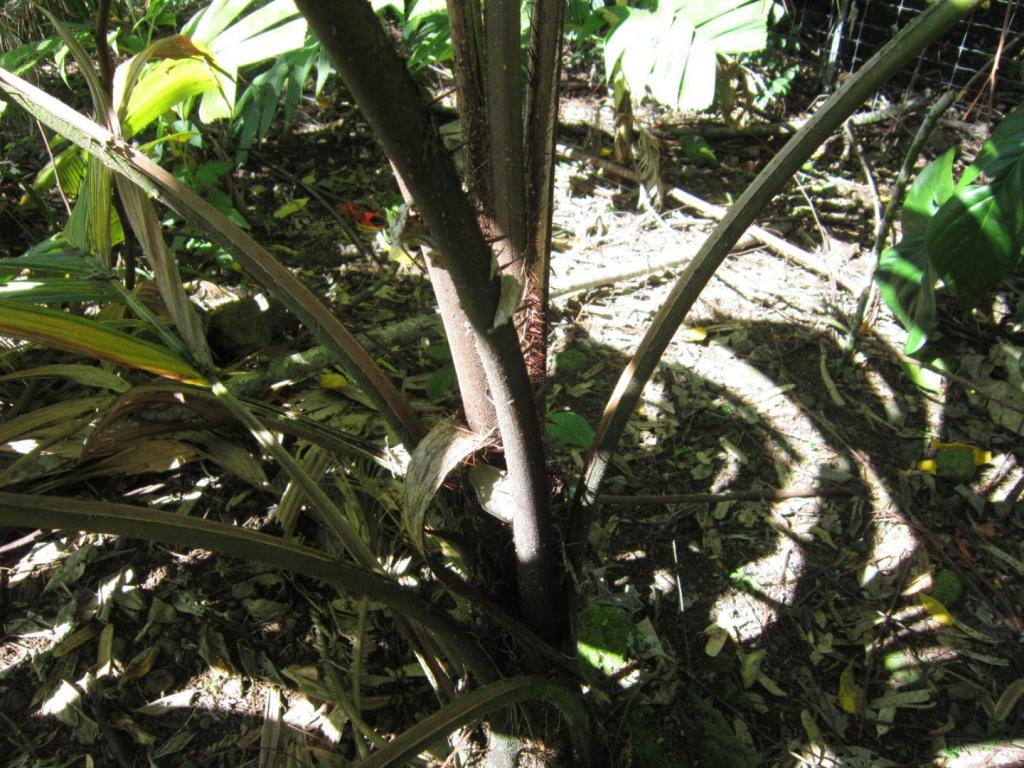
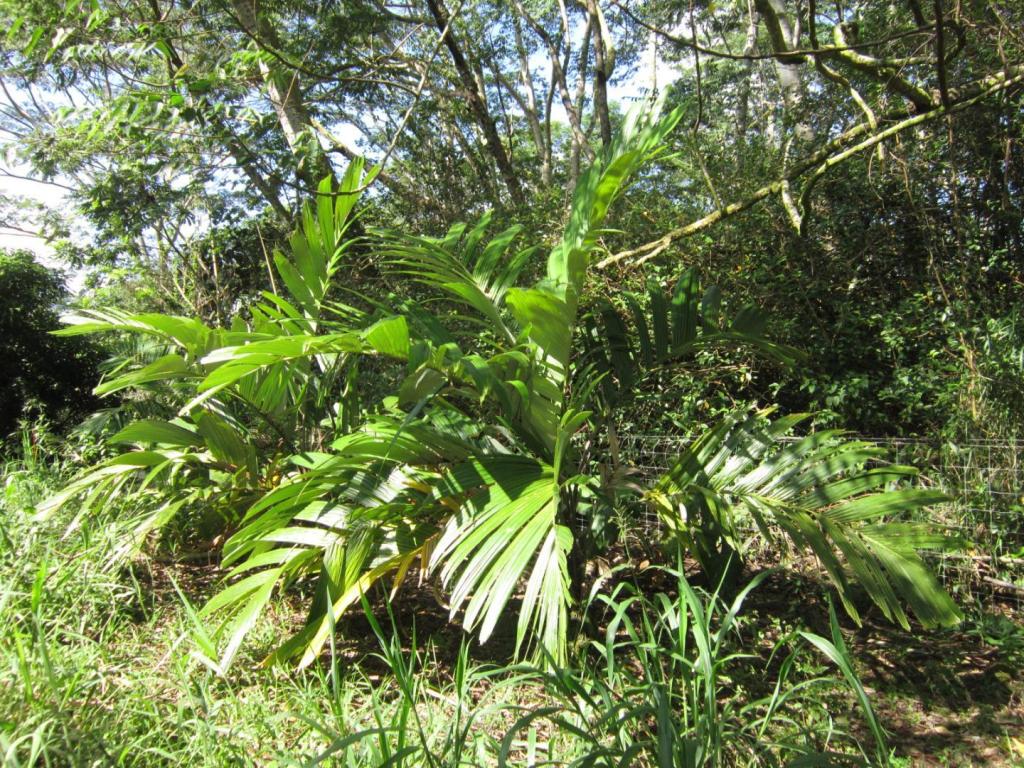
I went down a little rabbit hole to track down some information on my recently received potted Astrocaryum sp. (Mike Merritt 🙏) that is 10 years old. The mother plant is growing at Floribunda (Hawaii). It is a palm that has not been conclusively identified by neither Andrew Henderson (Stated it might be Astrocaryum aculeatissimum) nor Hari Lorenzi (He did not think it was Astrocaryum aculeatissimum). So there is a bit of mystery from that angle. However, the bigger mystery is that the mother plant is spiny (as expected) and the sibling from the same seed collection are spiny as well. However, my plant is spineless and I can literally hug it 🤗. It has a few prickly hairs on the leaves but not the typical nasty needles on the trunk. I have attached 3 pictures of my spineless plant as well as 2 pictures of the spiny sibling plant (Mike Merritt). Therefore, I was wondering: Are there more reports out there of spineless Astrocaryum plants? There are some really vague references on the internet that Astrocaryum might have spineless individuals. Is that more common for certain species or do all species in the genus Astrocaryum have the ability to loose their spine "on occasion"? Here on Palmtalk there is one picture of a spineless Astrocaryum alatum in Costa Rica: Palmpedia has a reference for Astrocaryum vulgare https://www.palmpedia.net/wiki/Astrocaryum_vulgare "Some rare individuals are spineless" That reference might be from: https://ecocrop.apps.fao.org/ecocrop/srv/en/cropView?id=3522 "Some rare individuals are spineless" Source: Eeckenbrugge and Ferla 2000 (Astrocaryum vulgare) I was unable to locate the publication by "Eeckenbrugge". The only truly scientific reference (in Spanish) I could find was in: Cosechar sin destruir Aprovechamiento sostenible de palmas colombianas 2018 https://www.researchgate.net/publication/279205064_Guerregue_Astrocaryum_standleyanum in chapter Güérregue (Astrocaryum standleyanum) Néstor García Page 117: "Una actividad de manejo del güérregue que sería altamente favorable a largo plazo es la selección de una variedad sin espinas, que facilitaría la cosecha de los cogollos. En las poblaciones naturales del Bajo San Juan hay una proporción muy baja de individuos, cercana al 1 % del total, que tienen el tronco completamente desprovisto de espinas [314]. La localización de estas palmas y su polinización controlada para seleccionar una variedad sin espinas es una tarea relativamente fácil y altamente prioritaria." Translated: "An activity for managing the güérregue that would be highly favorable in the long term is the selection of a thornless variety, which would facilitate the harvesting of the buds. In the natural populations of Bajo San Juan, there is a very low proportion of individuals—close to 1% of the total—that have a trunk completely devoid of thorns [314]. Locating these palms and conducting controlled pollination to select a thornless variety is a relatively easy and highly prioritized task." If anyone has any additional information, please share! THANKS!

 4 points
 -
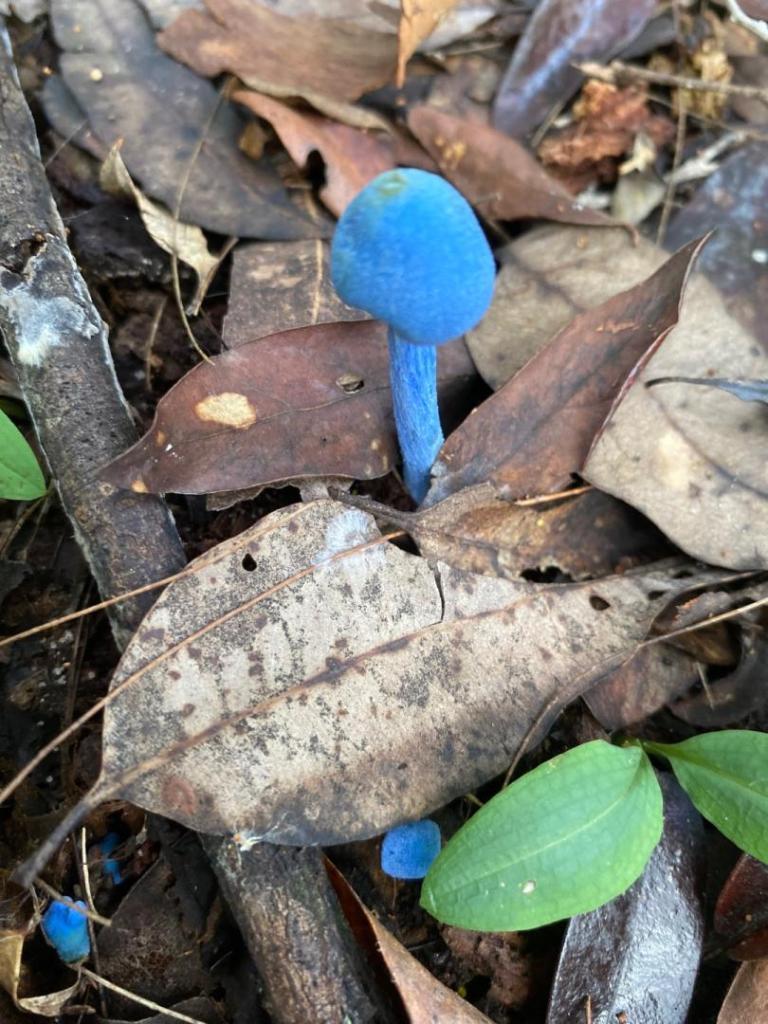
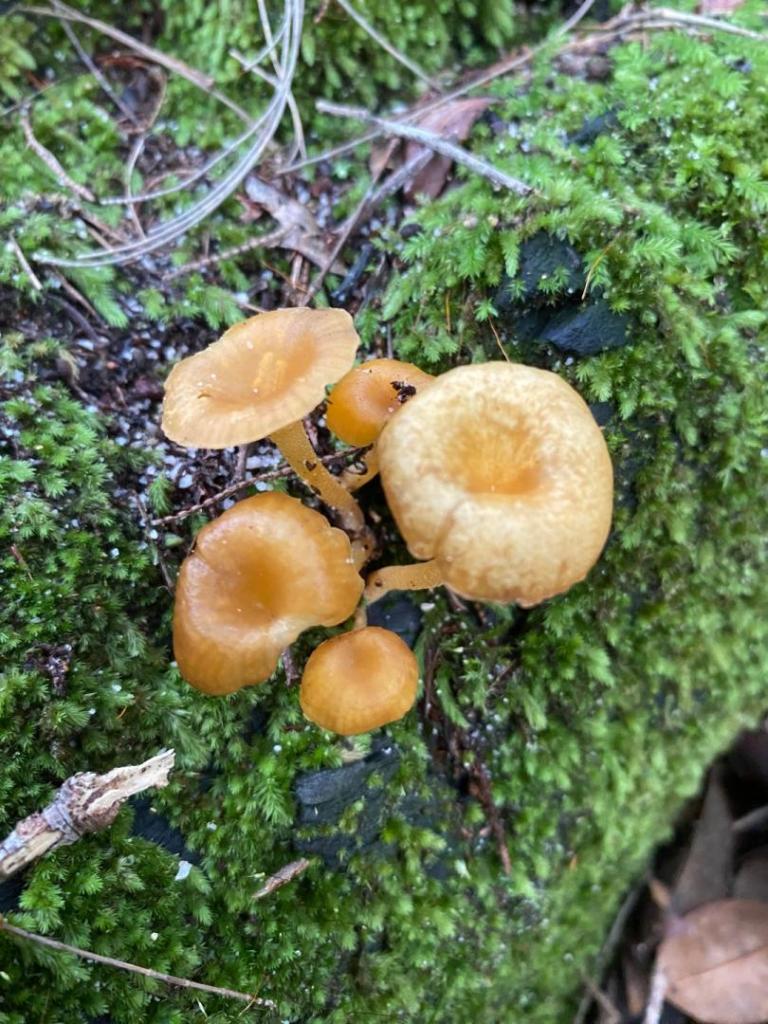
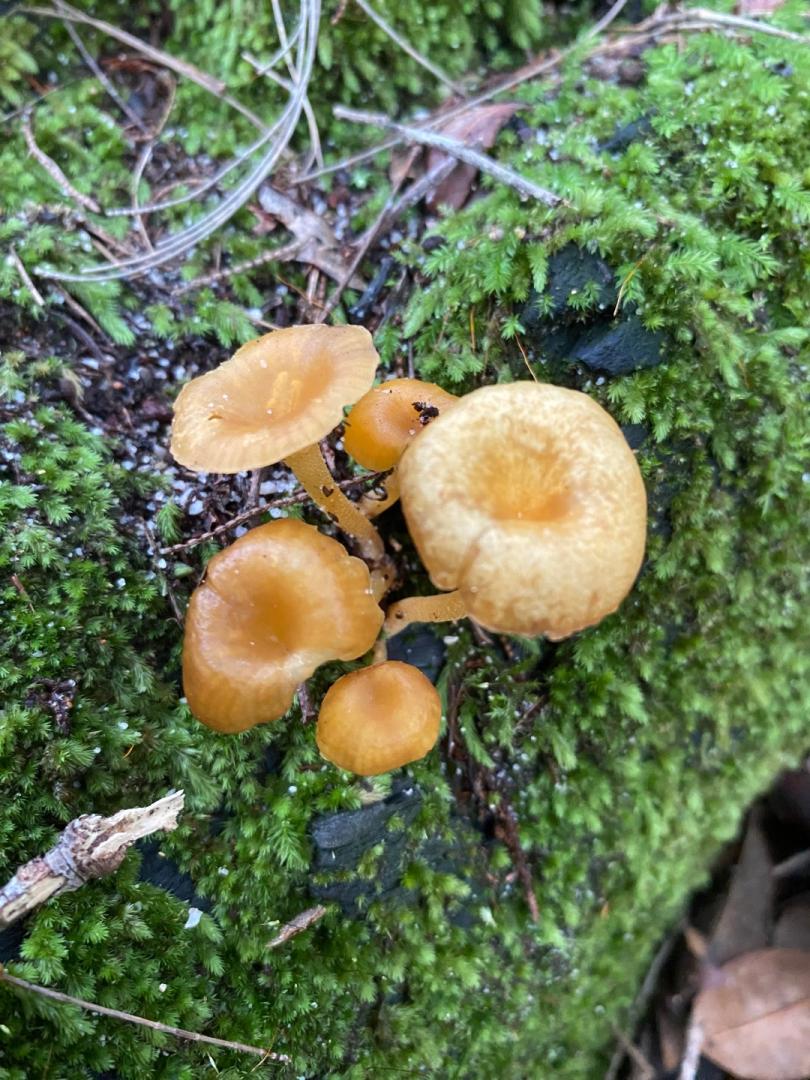
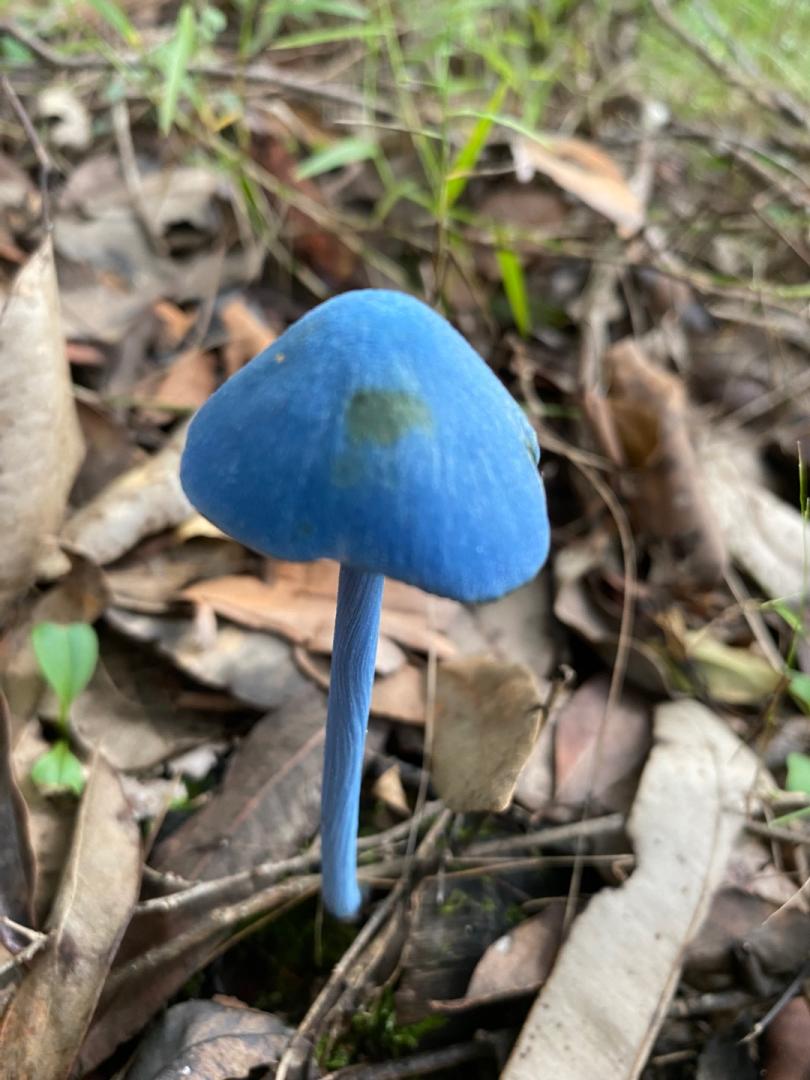
Technically not an ornamental plant. But in the plant kingdom. I don’t think I would be eating this blue one in hurry, not even at a Timothy Leary reunion party. 🥳
 4 points
 -
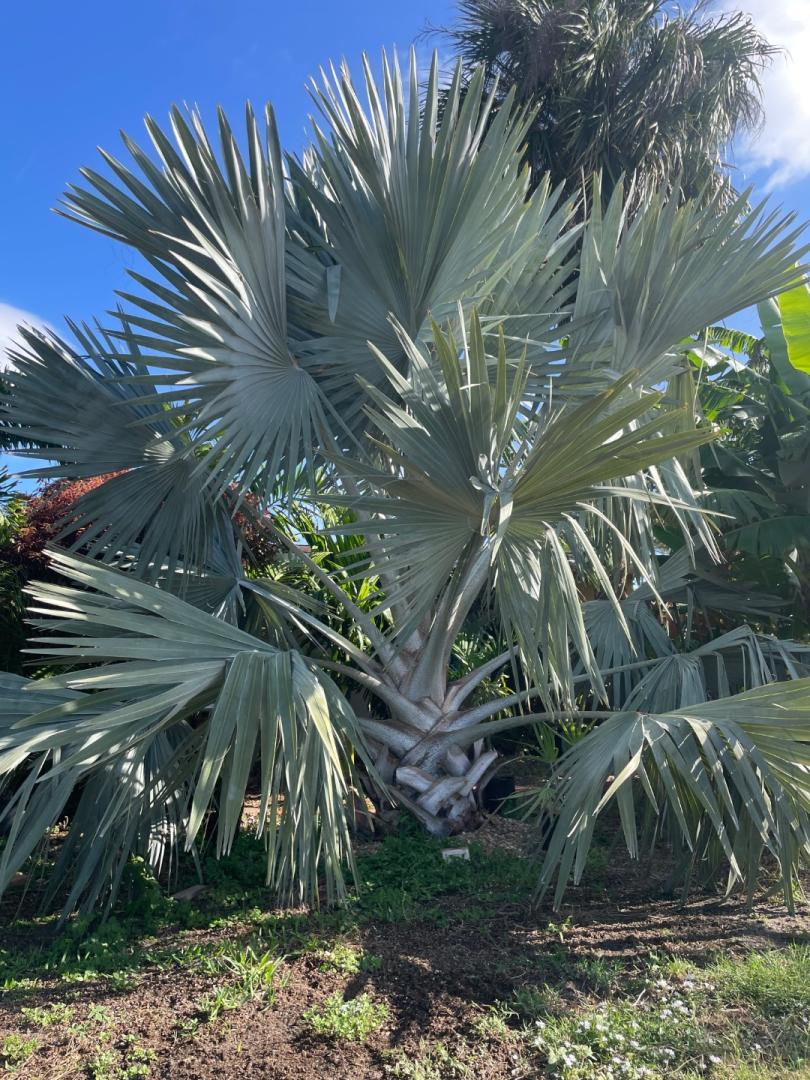
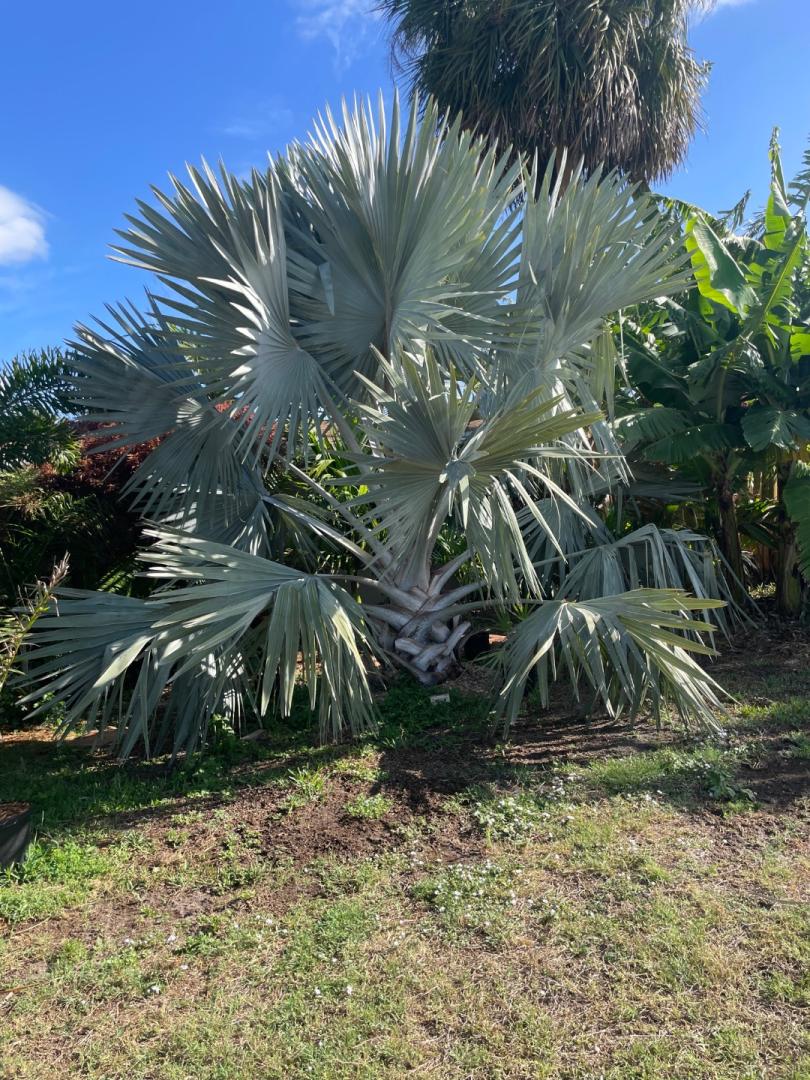
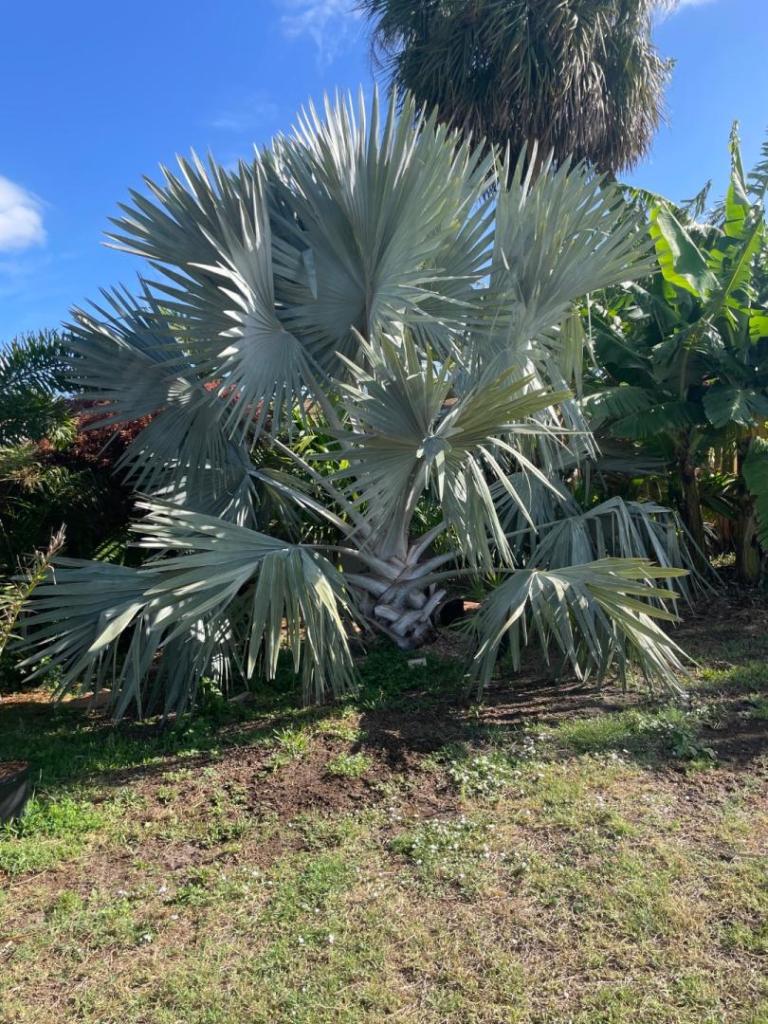
the palm in the picture #1 is pseudophoenix sargenti var. navissana. In fifteen year that fallaensis will be maybe 10' tall. In twenty it will be mature and hypnotizing people with the uniformly separated leaflets. The blue one is fallaensis the green is a baileyana.
 4 points
 -
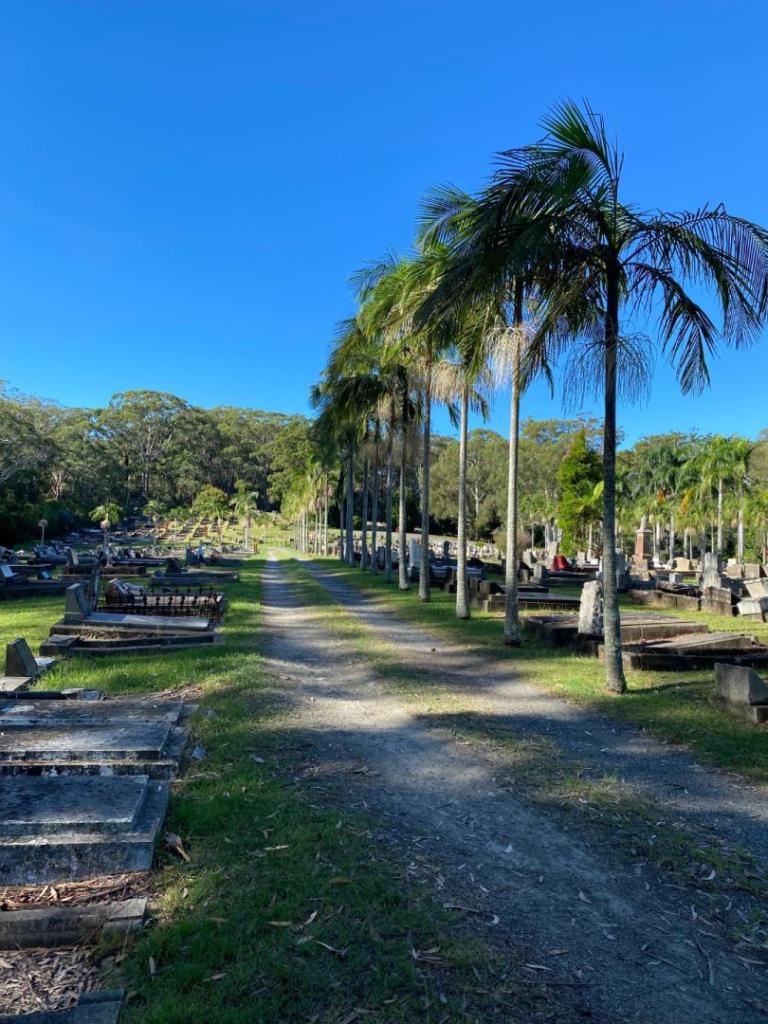
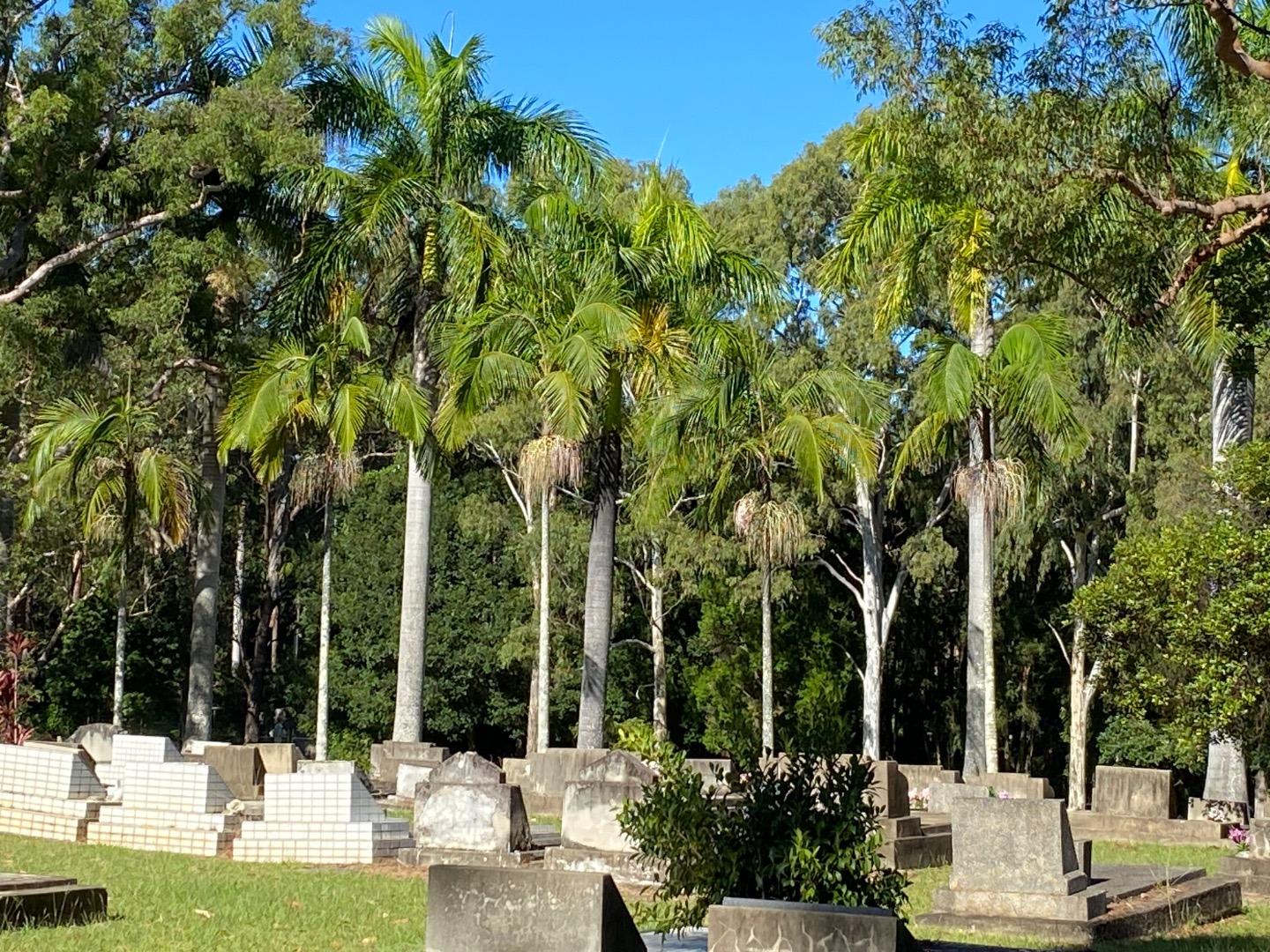
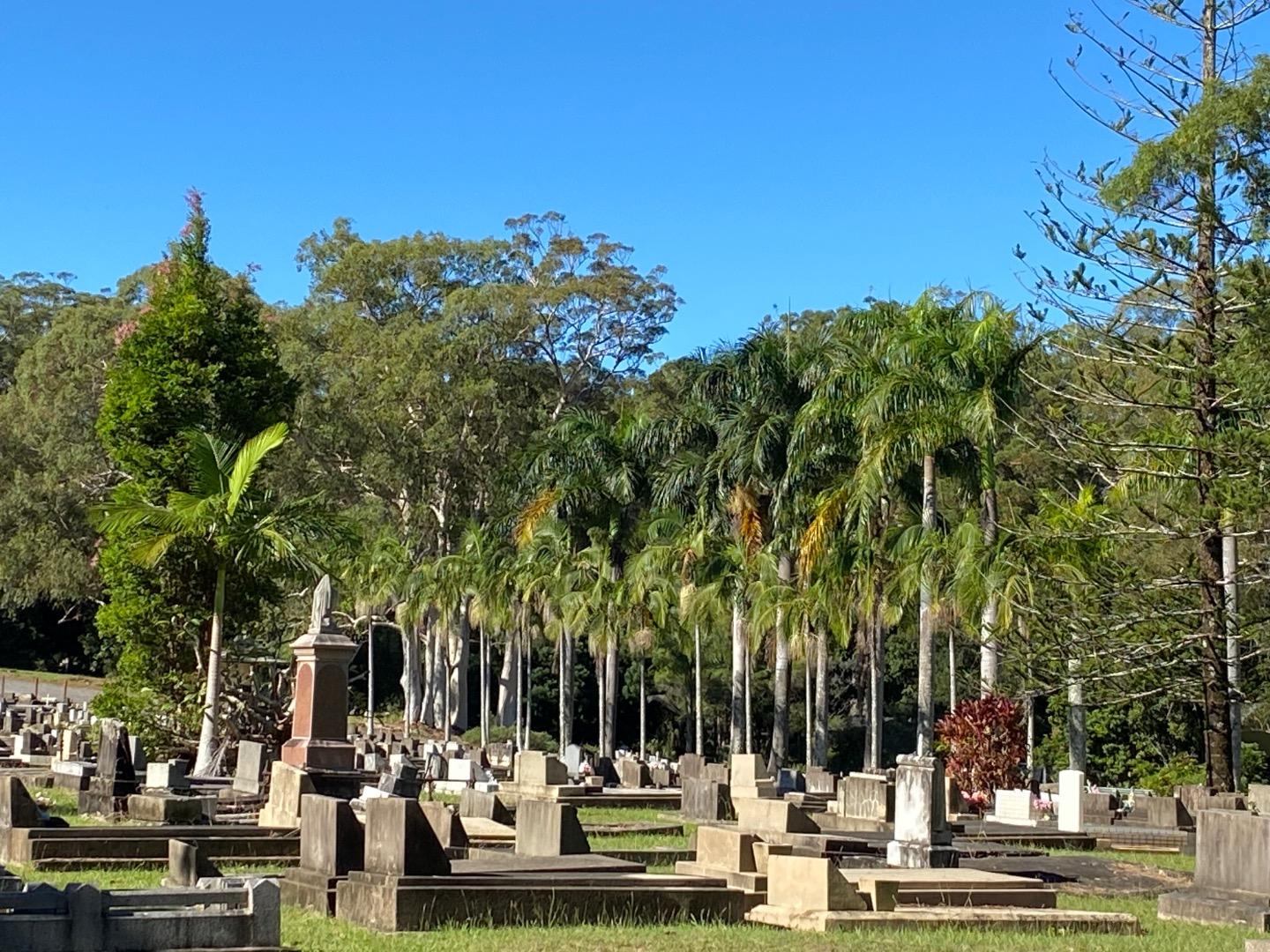
Sooner or later we need a place to rest. Well today I think I found my place. At least I will fertilise the palms some way or other.
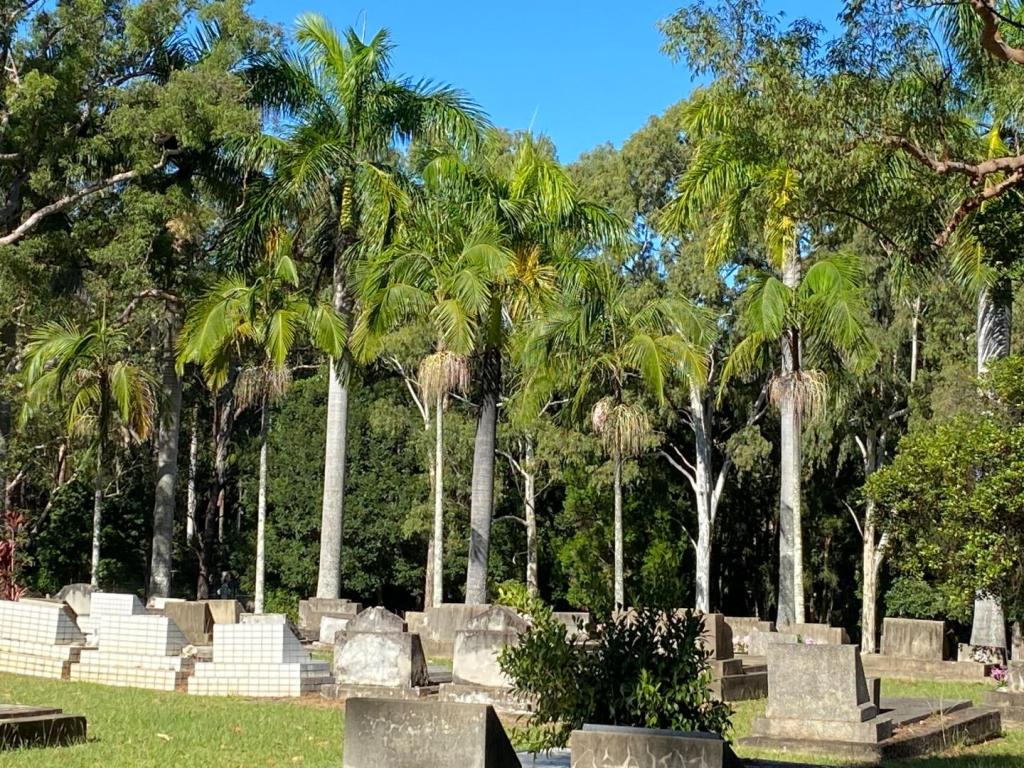
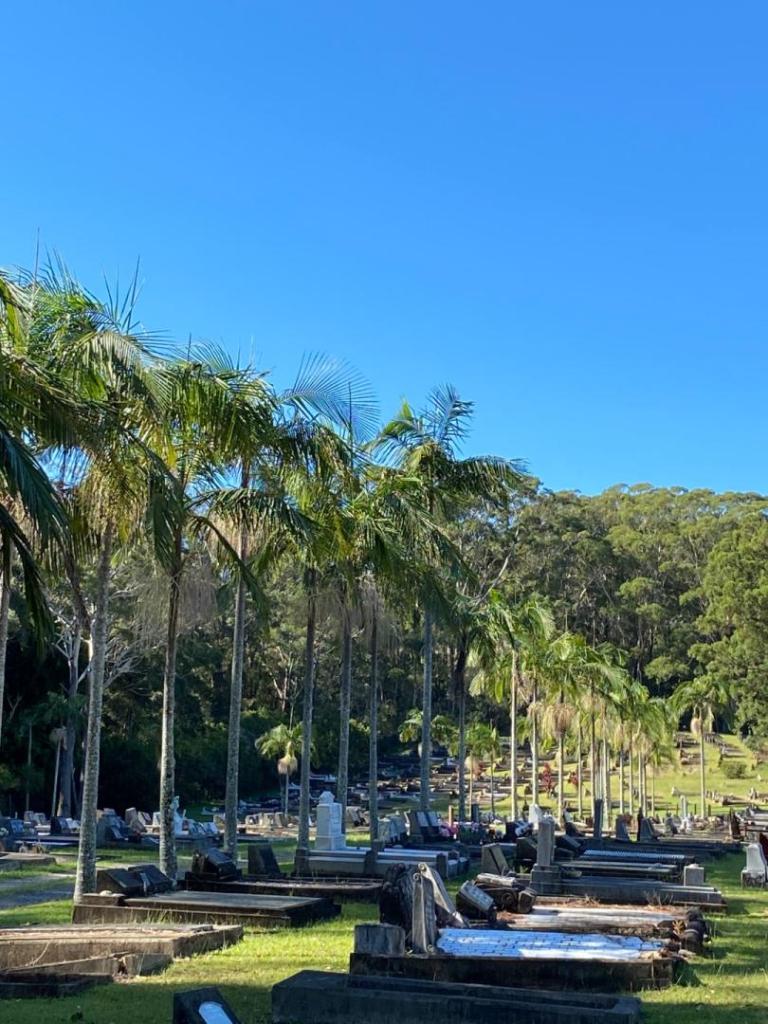

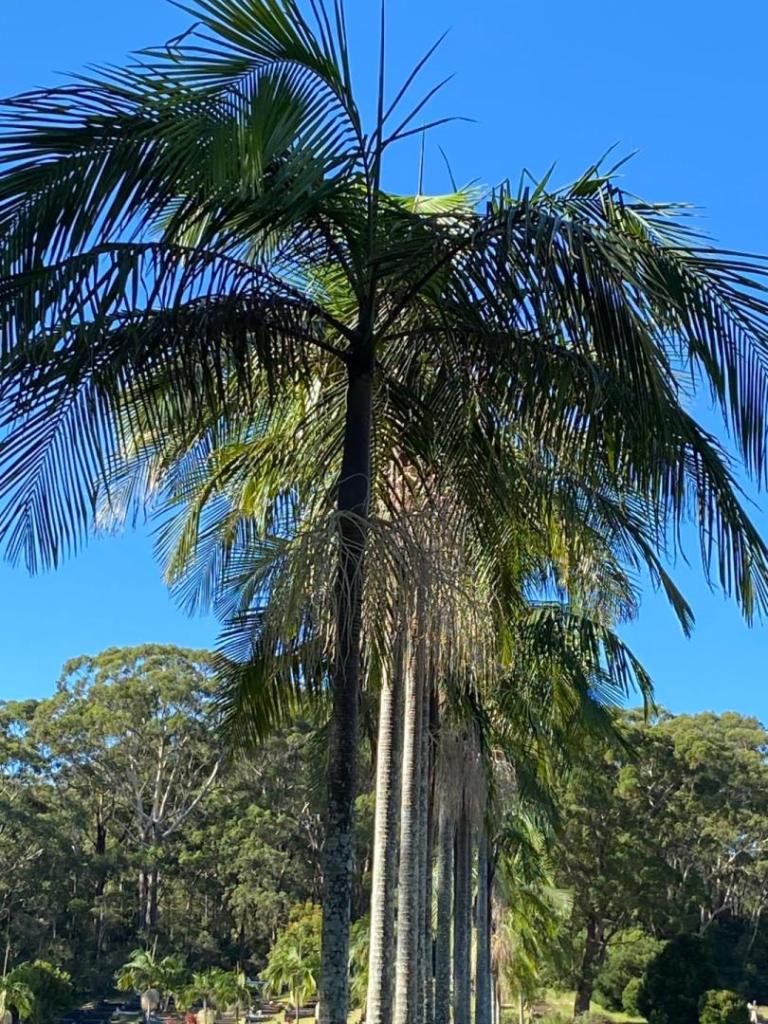
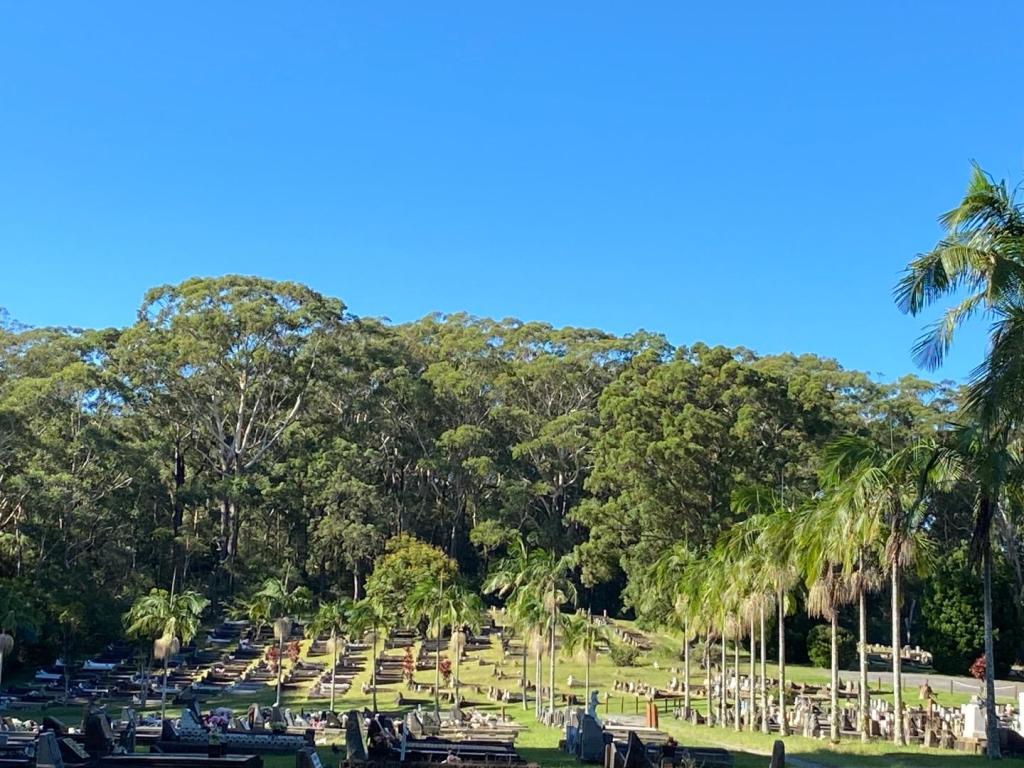

 4 points
 -
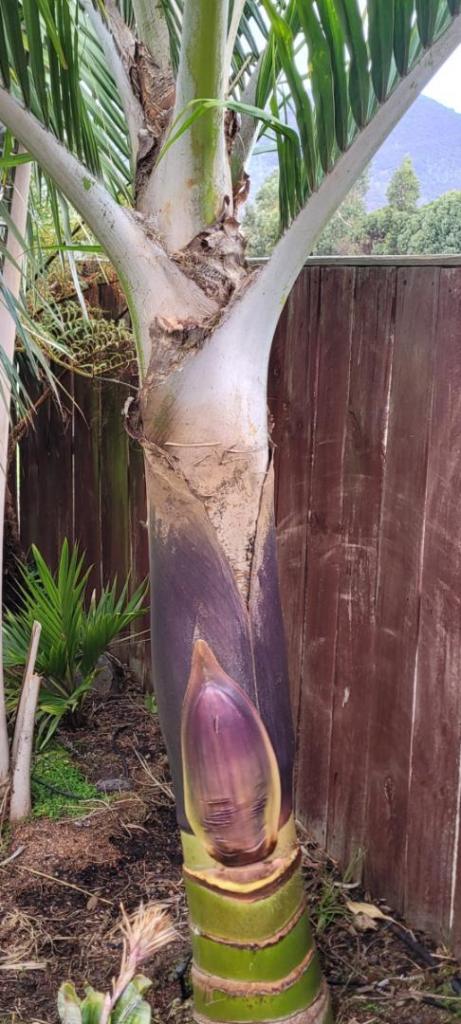
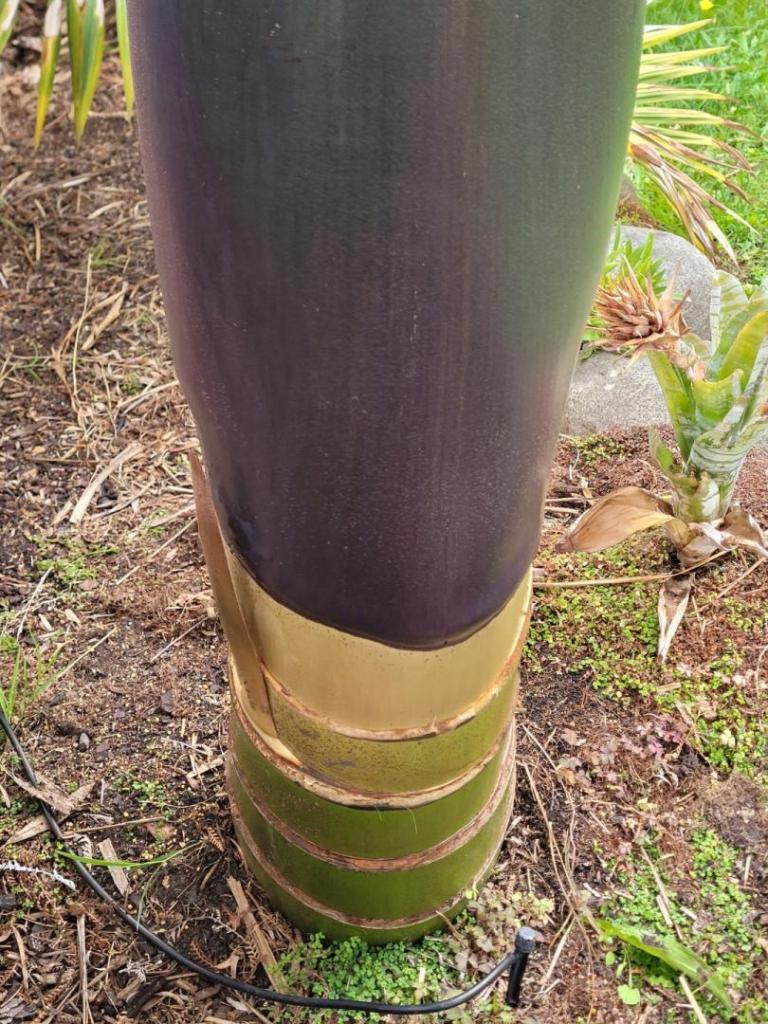
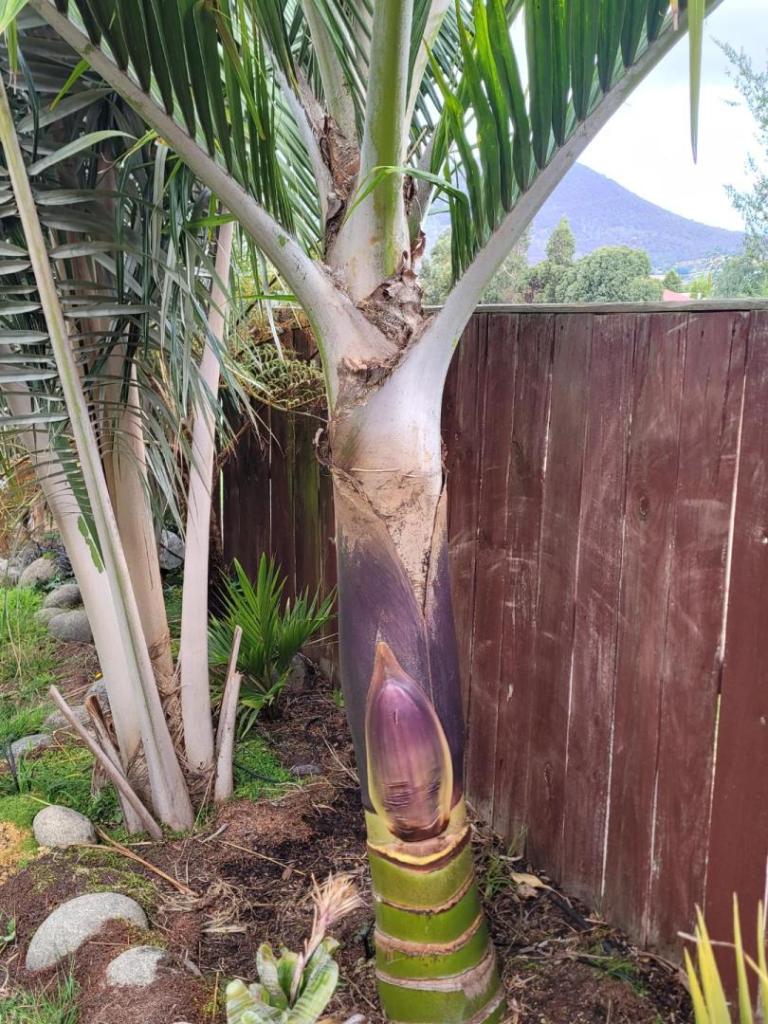
Hi everyone Back in 2013 pogobob took me to a friend's garden in San Clemente California I was fortunate to be allowed to collect seeds from the palm and today I have this in my coastal Tasmania garden. Troy
 3 points
 -
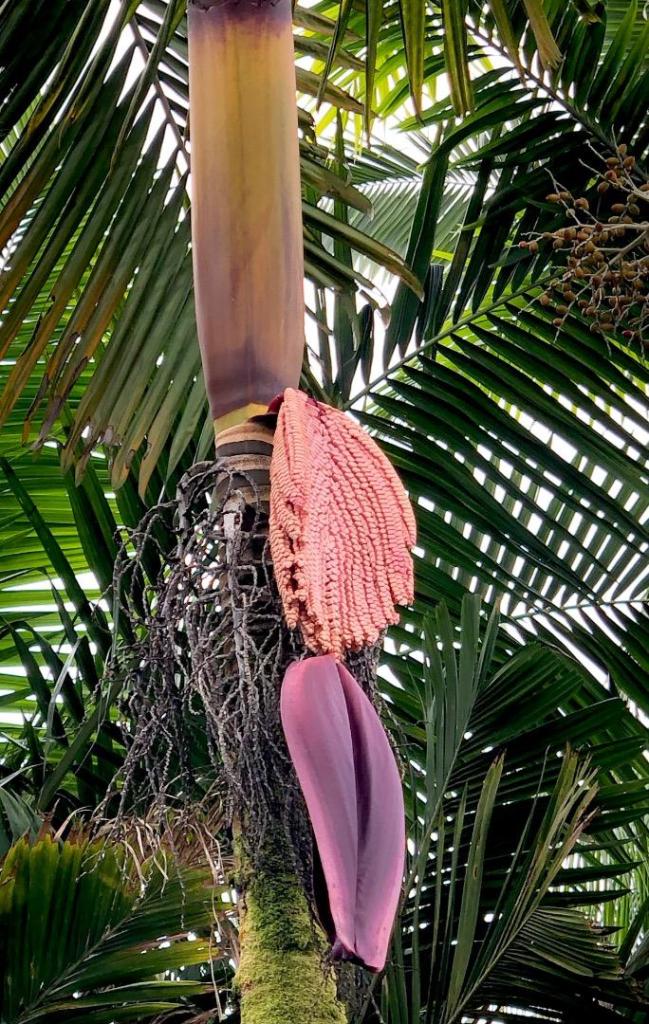
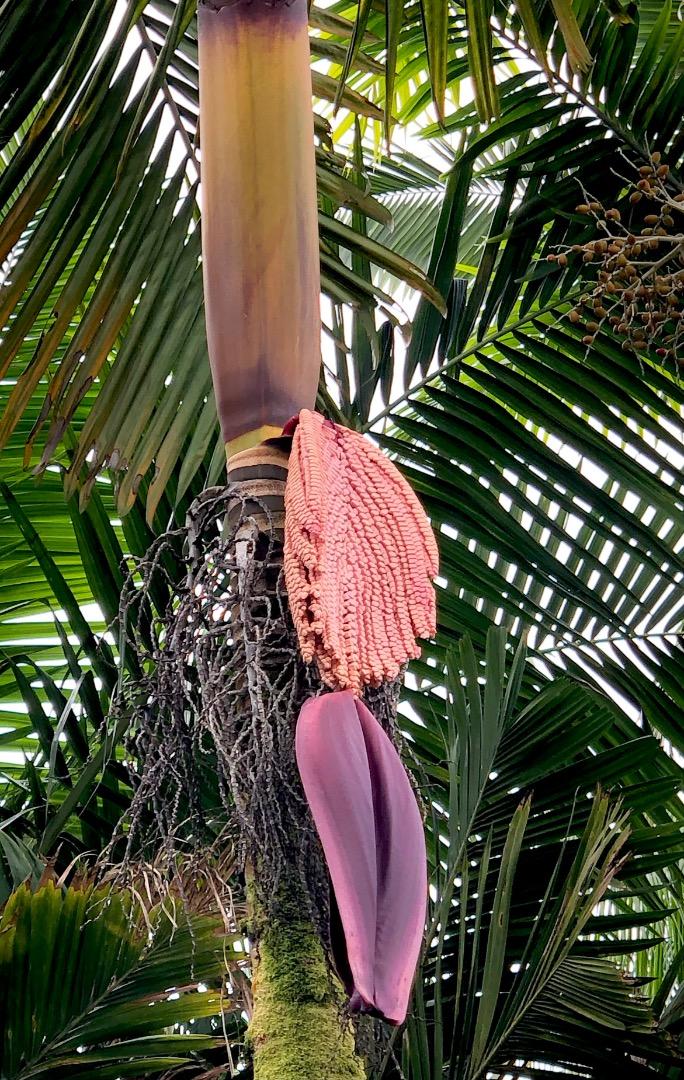
The inflorescence on this palm always gets your attention with its colorful flowers. Getting viable seed is actually a rare occurrence in my garden and sporatic. These palms can get fairly tall, I’ve seen some at least 25’ tall. Tim
 3 points
 -
It will be almost impossible to tell tem apart before flowering. They are from same ABB subgroup with similar characteristics and growing habits3 points
-
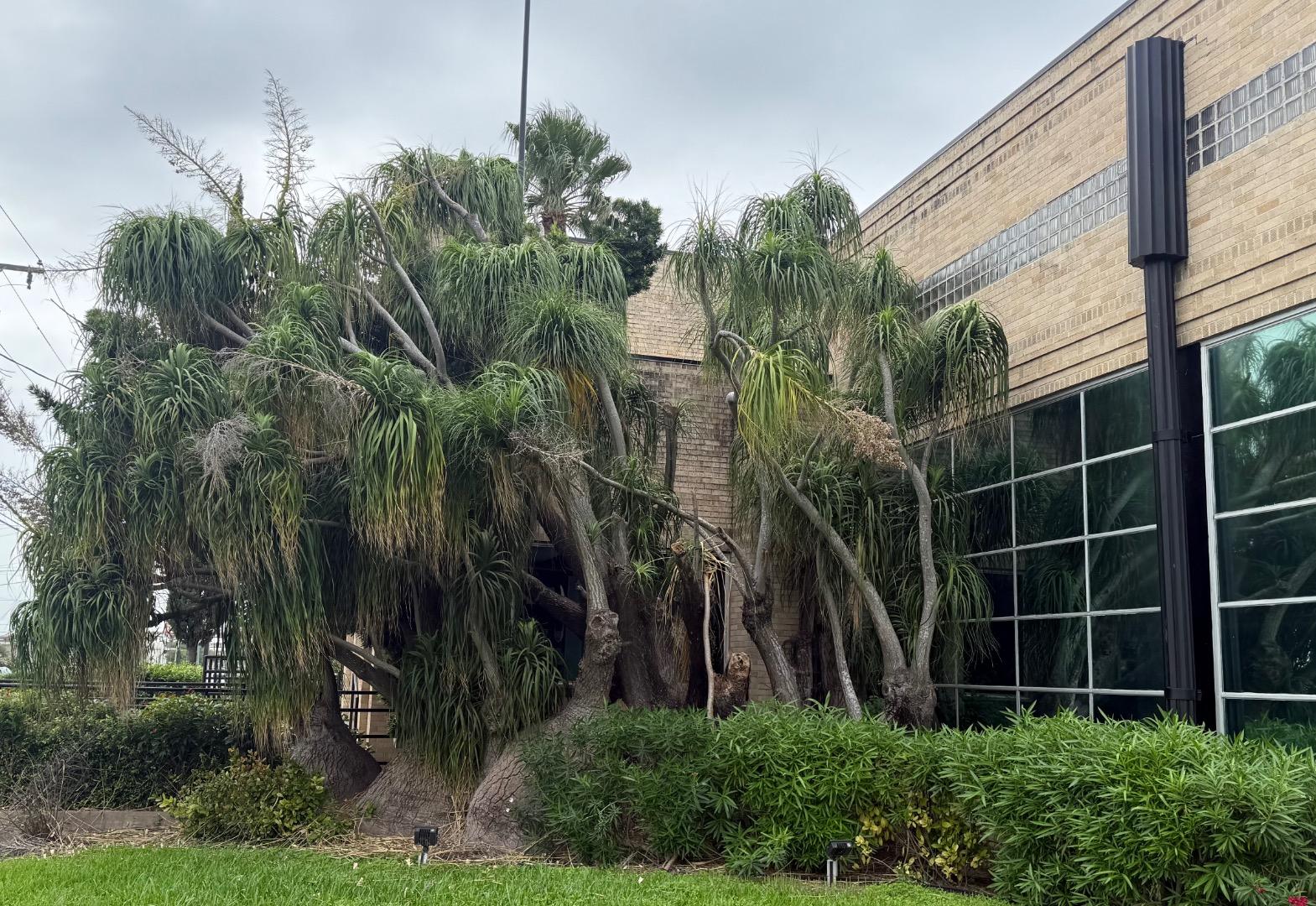
Looks like the city found some "bargain-priced mature palms" and ran with it. From the appearance in the photos, you won't have to look at them for long.3 points
-
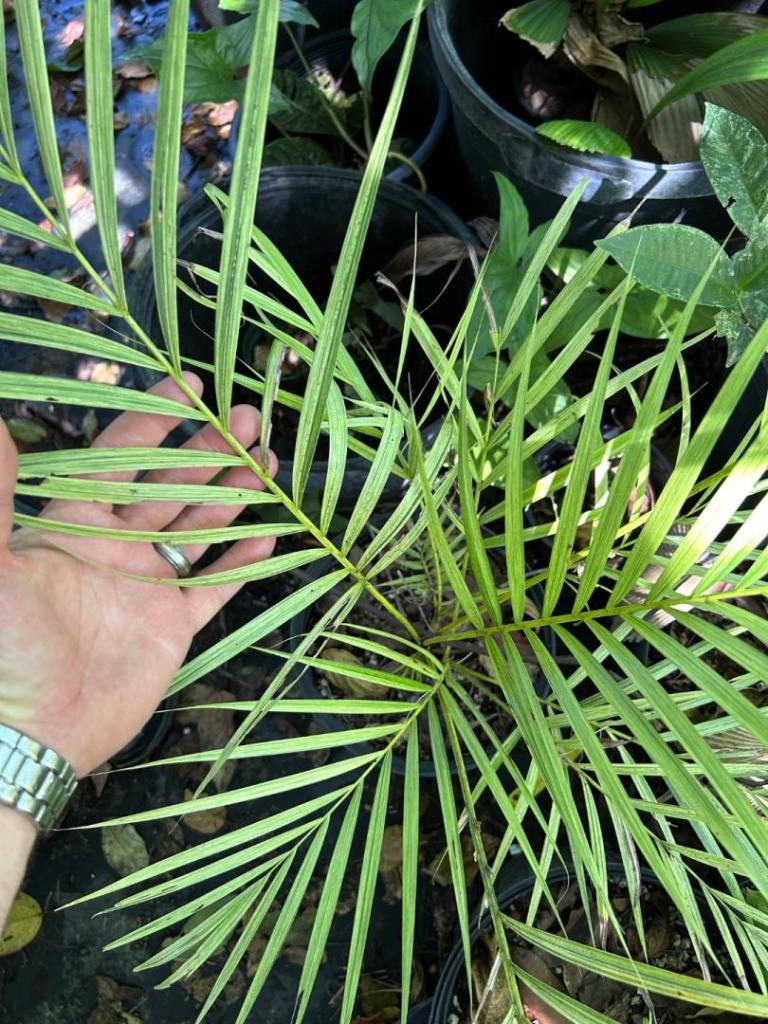
That looks like 'Thai Dwarf'. Very nice little palm. They have been propagated here in FL for a couple decades. Here's a variegated form that i ran into in Miami last week. (Wasn't for sale 😤)
 3 points
 -
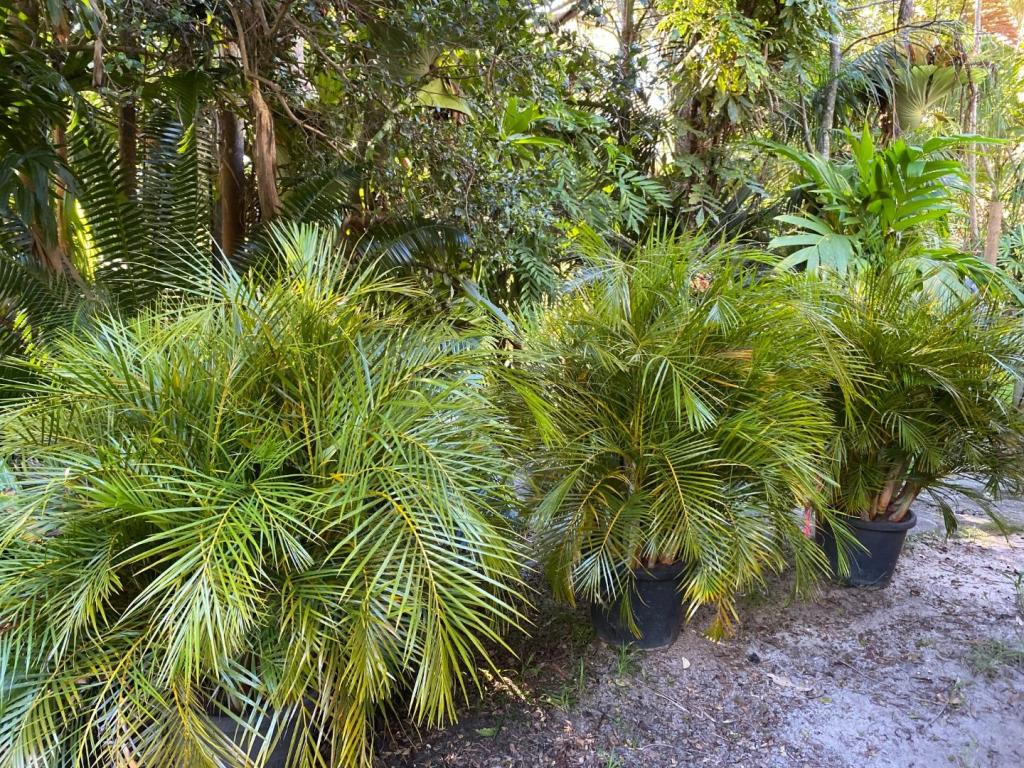
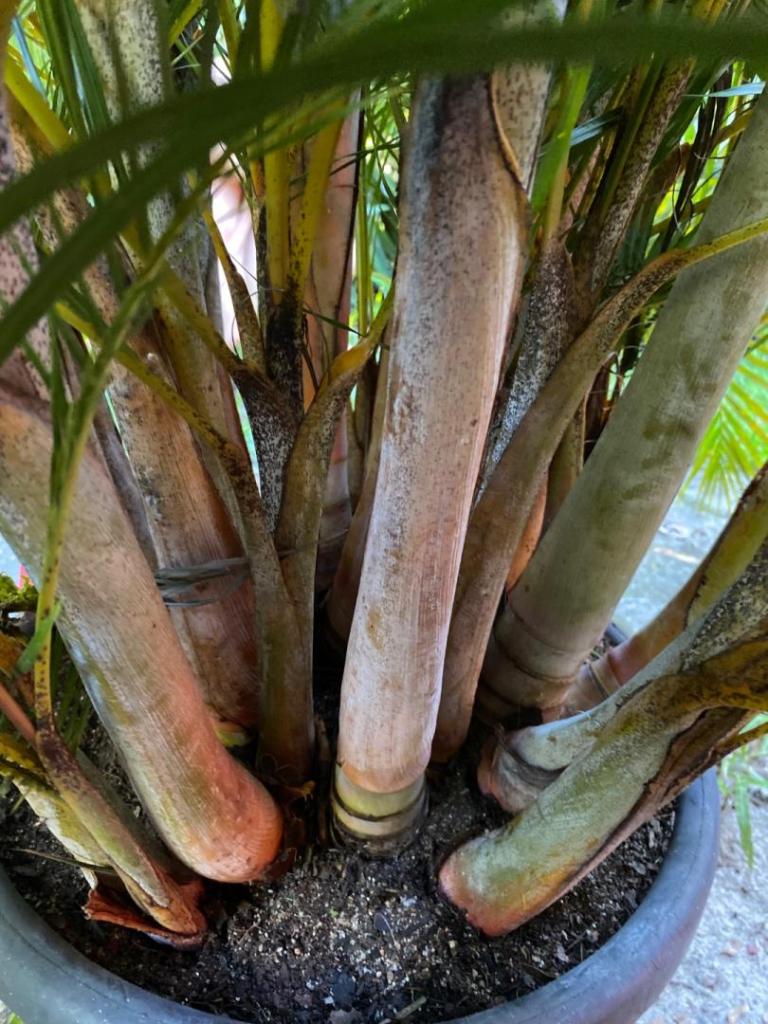
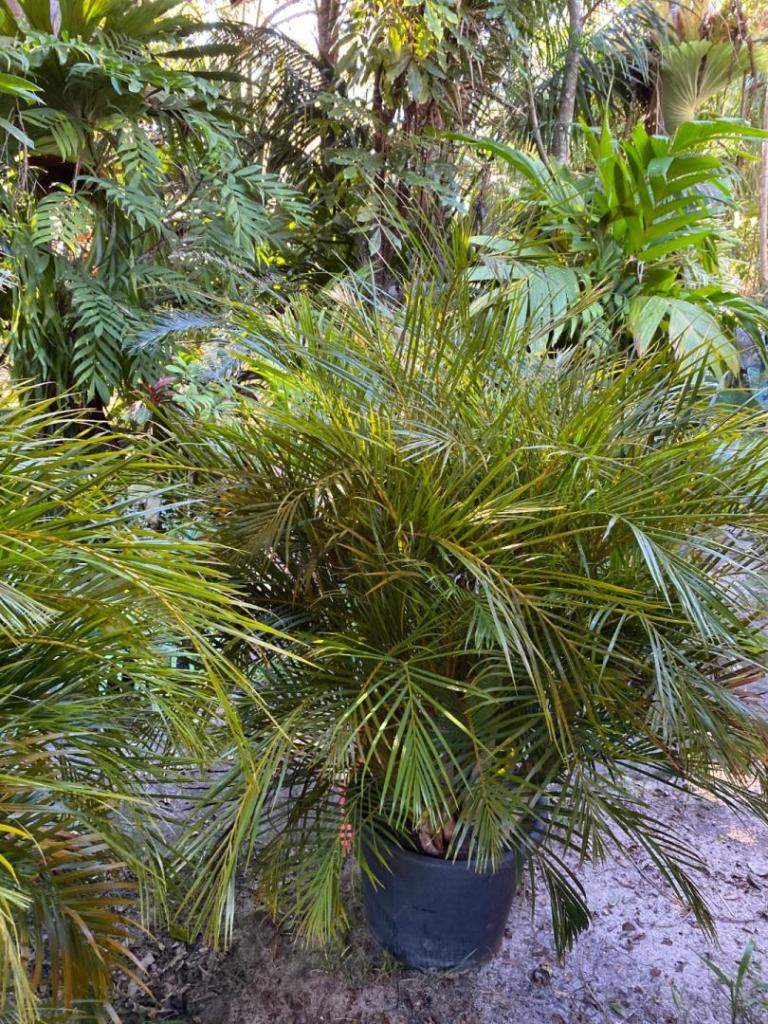
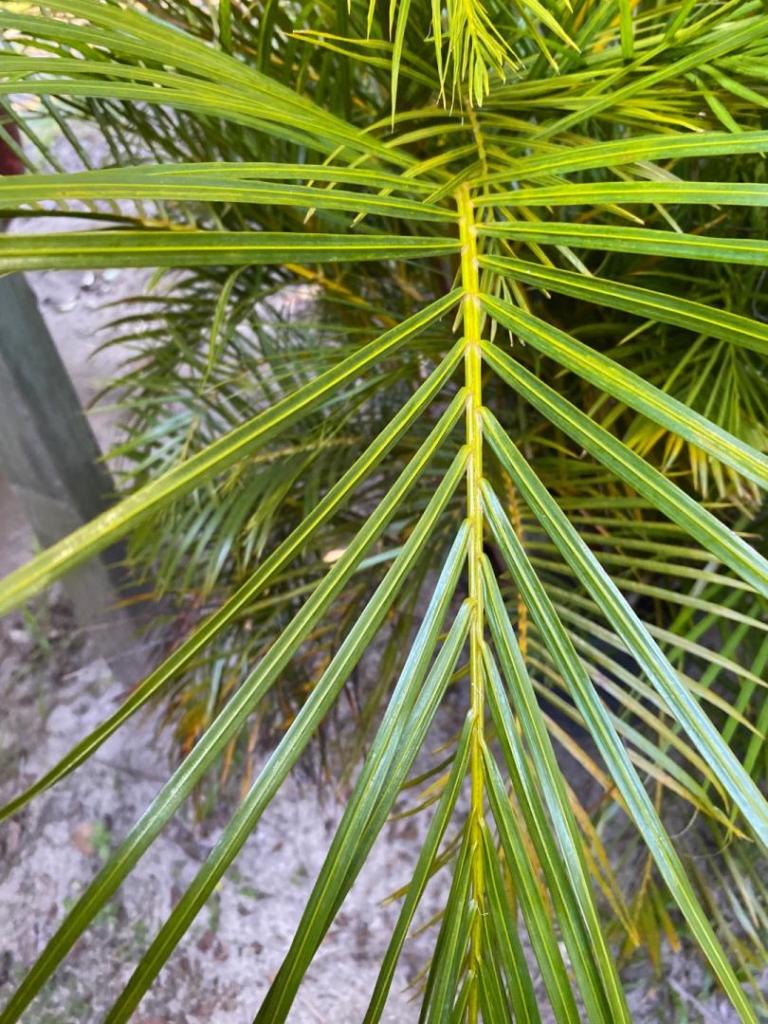
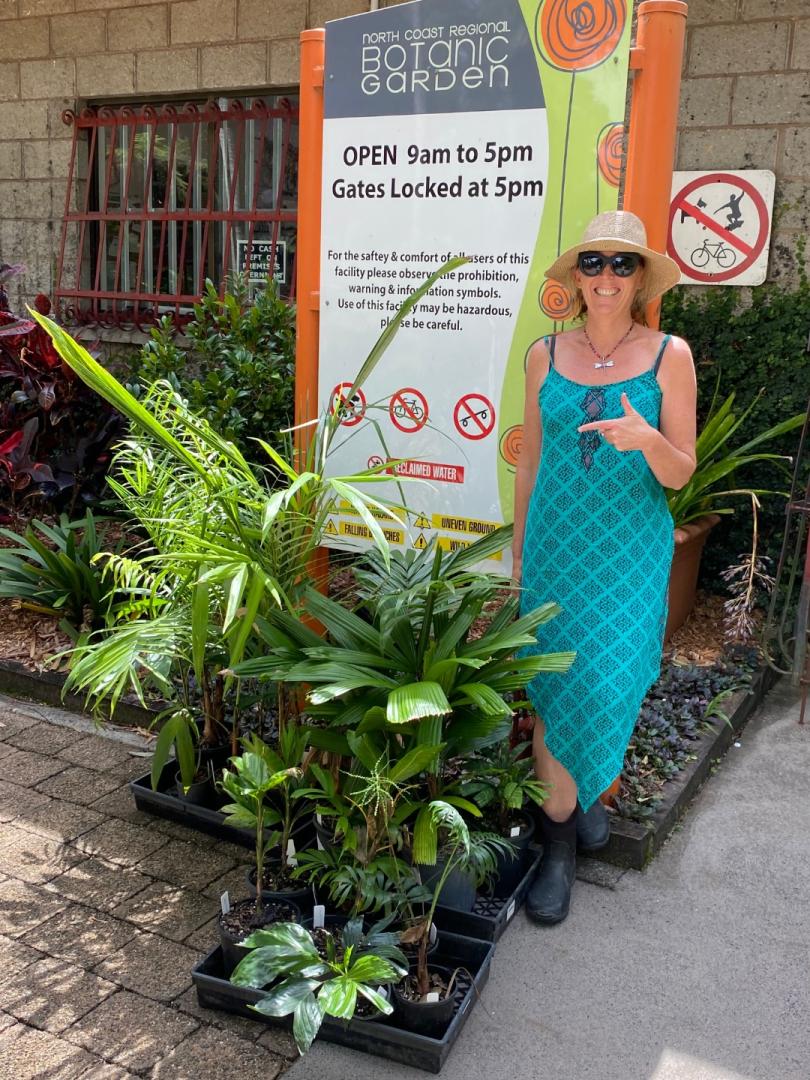
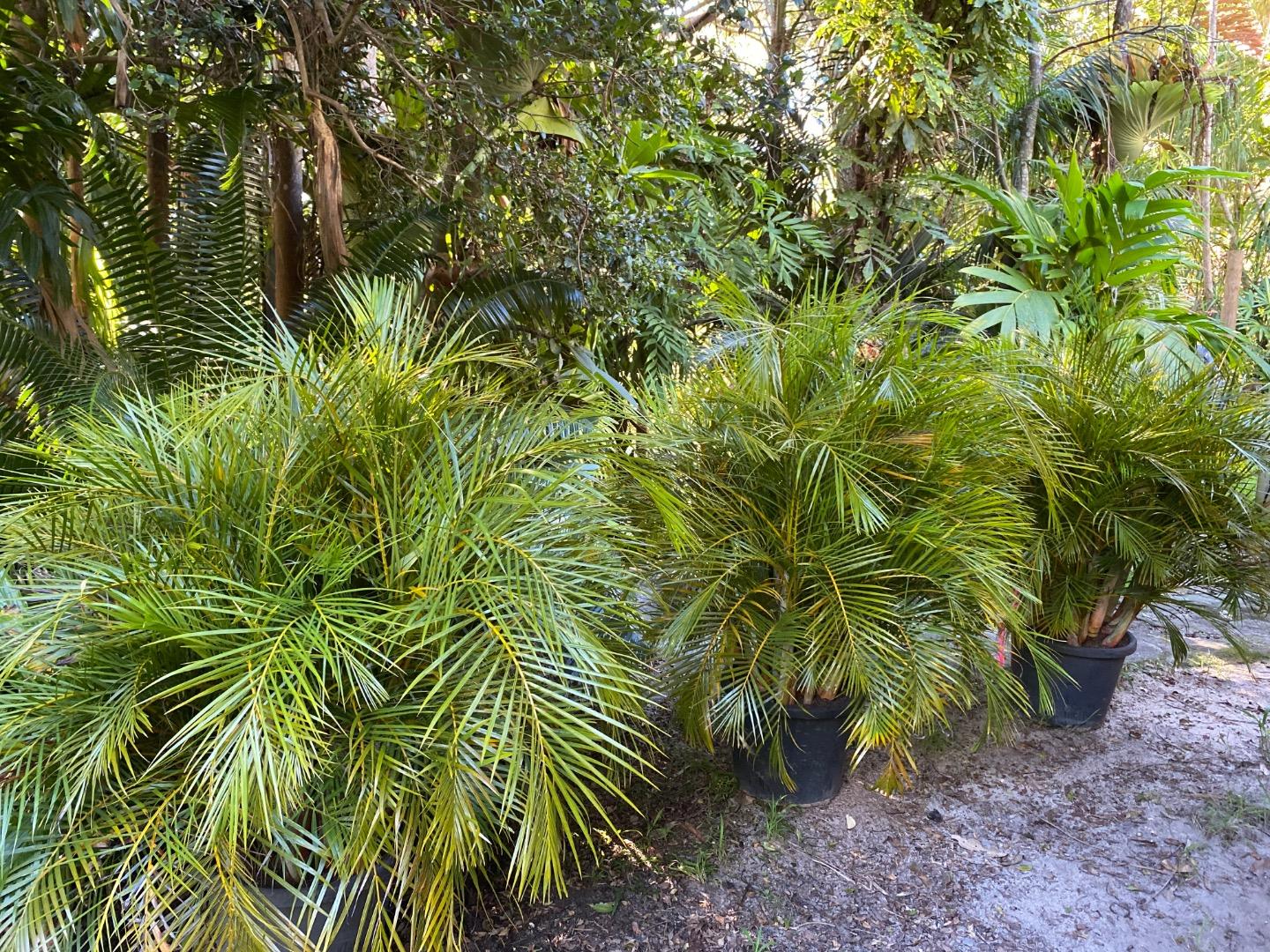
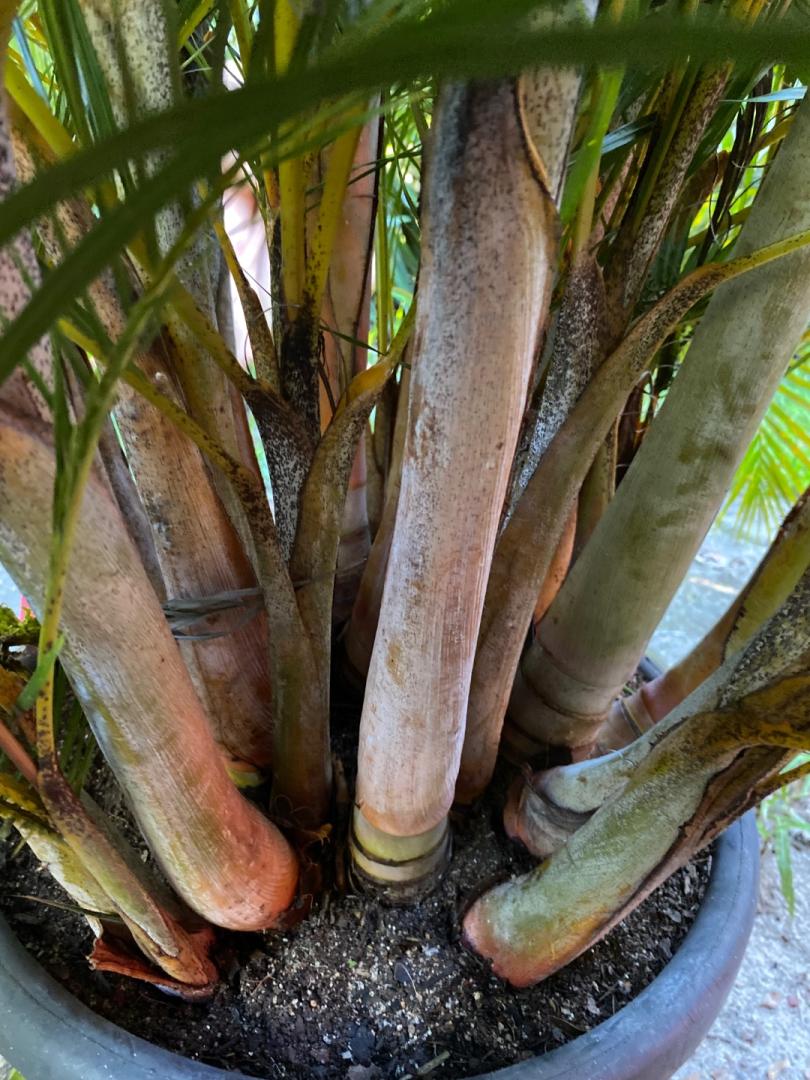
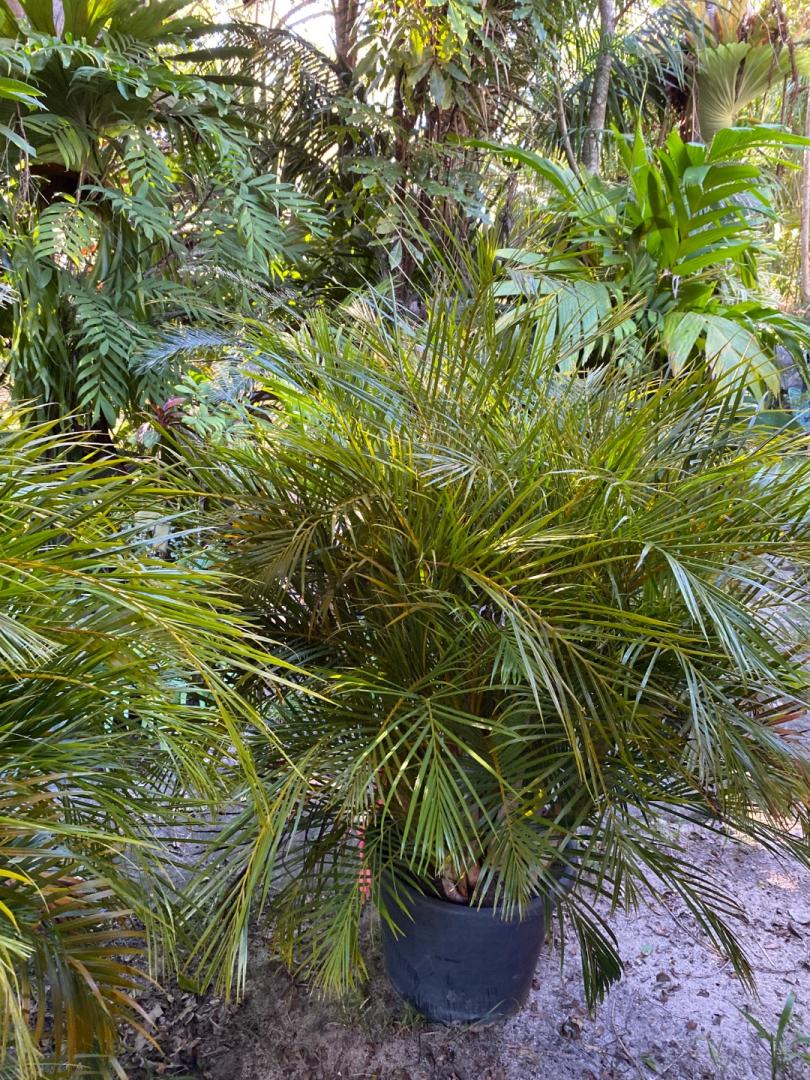
I can honestly say iam not a fan of golden cane palms. But today I found a reasonable reason to like them in the form of dwarf varietie. Thanks to Colin Wilson for gifting me those ones 4 in total, but the curator Rick ackland of Coffs Harbour botanical gardens had his eye on them for the garden so offered one up as a donation to the garden in Coffs harbour. A very intriguing little palm that does not flower and is propagated by division only. Not sure if this is the Thai variety or Vietnamese variety but it doesn’t matter it’s in the collection now so thank you Colin for the palms there in good hands now.

 2 points
 -
Here's a look at all of my Sabal Palms, besides sabal minor. It would be a tough choice for me in my zone to say which would be hardier, these from the video or windmill palms. I like them all though.2 points
-
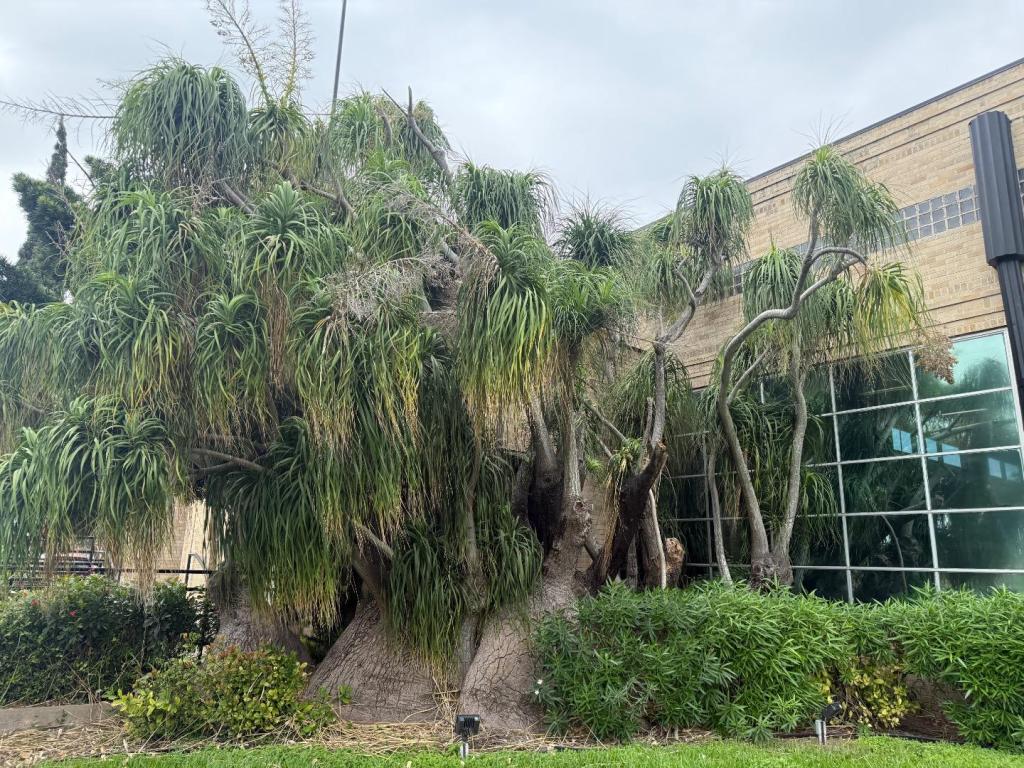
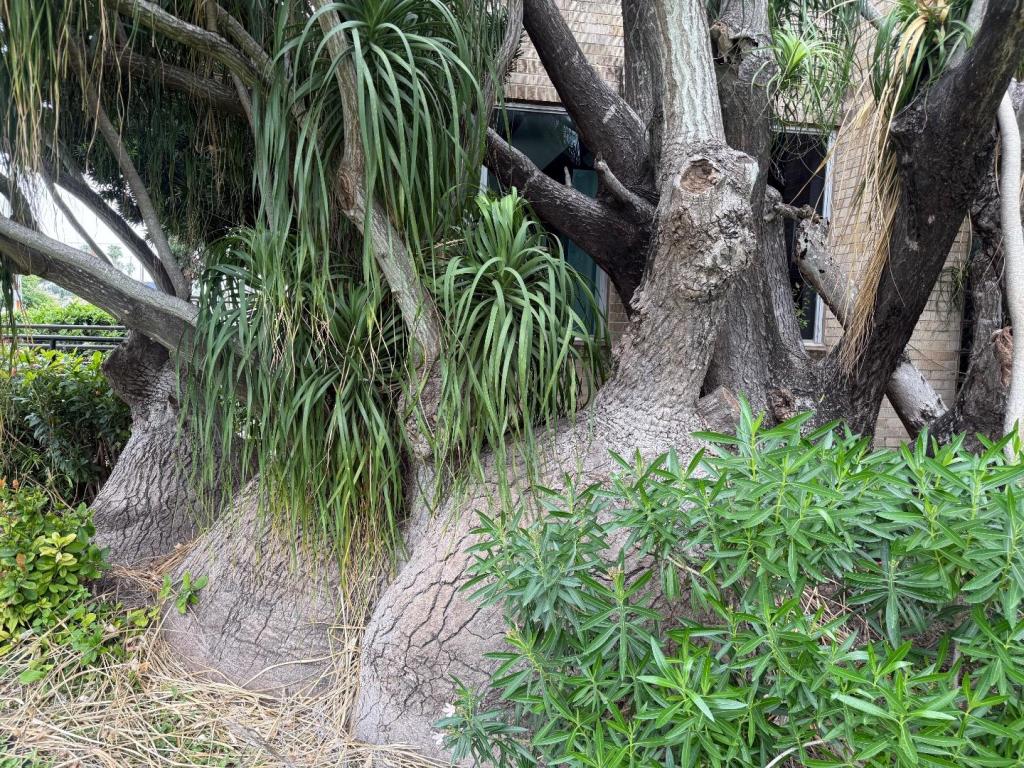
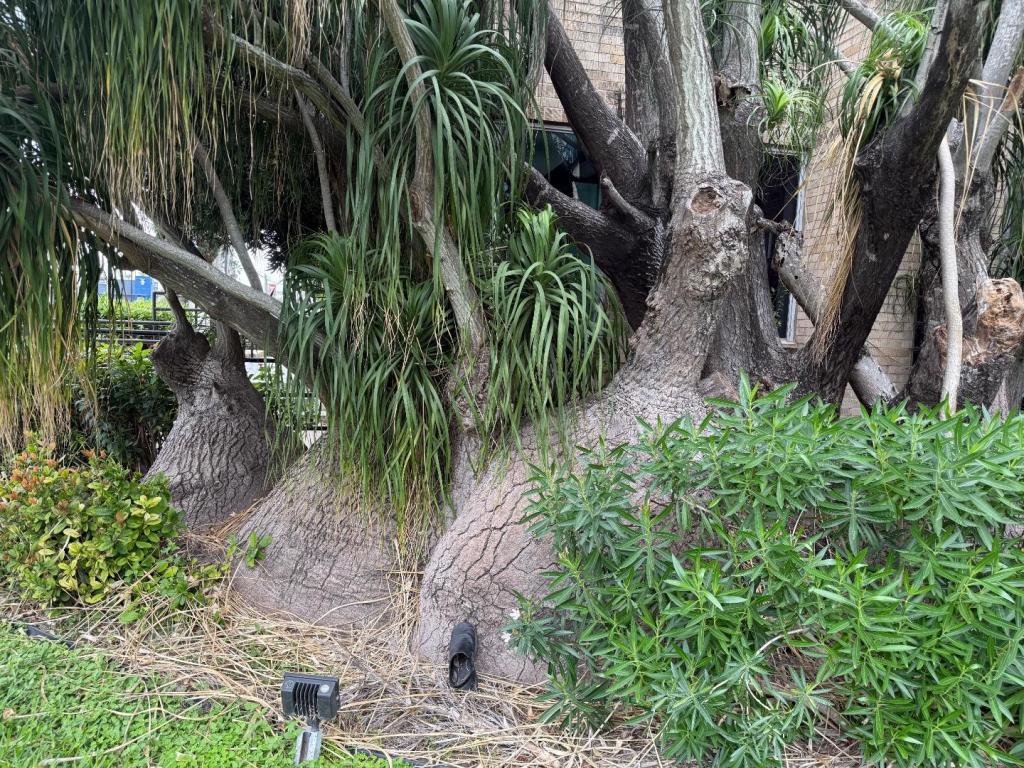
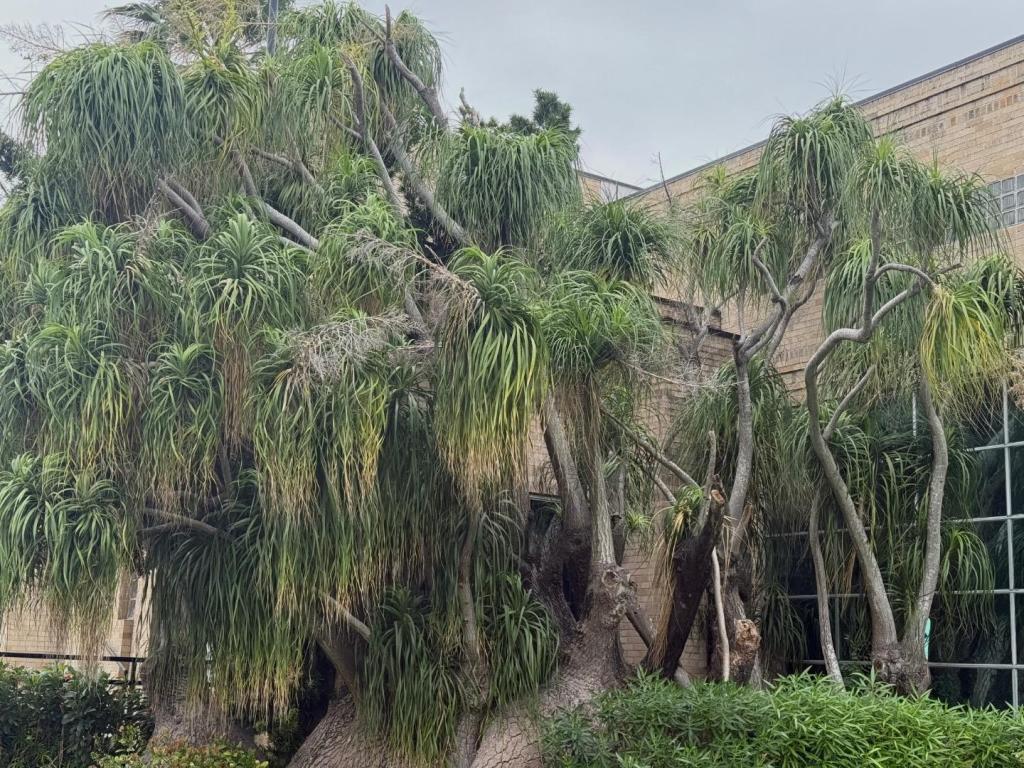
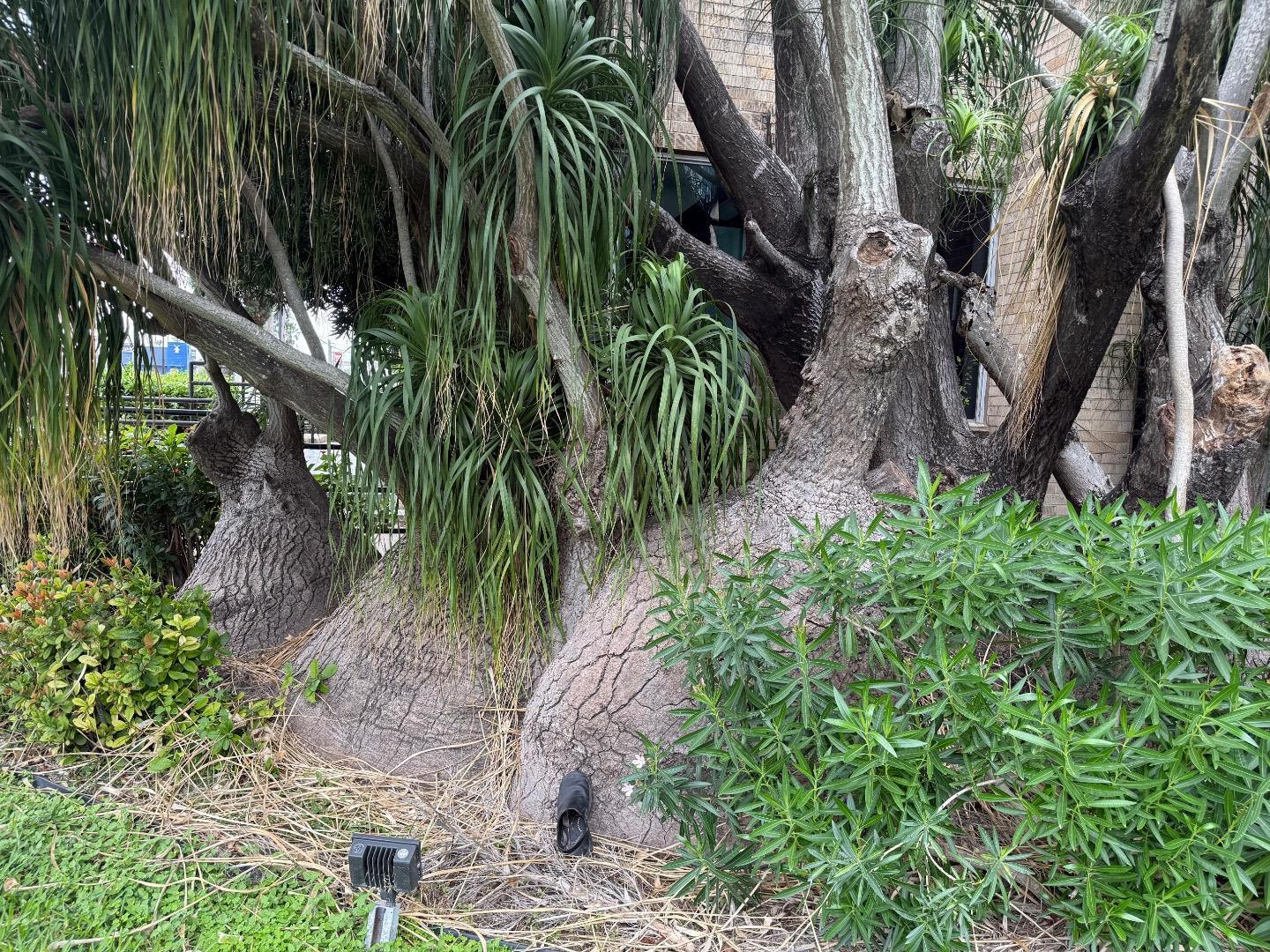
Building is 20 feet(6 meters) tall for reference Size 10.5 shoe for reference

 2 points
 -
Hi! My Washingtonia robusta was planted in March last year. It's been staked since. I've read it has to be staked one year, but I've read somewhere else it has to be three years. Which one is correct? It's in a spot which is not protected from strong winds, but it's not often windy there.
 2 points
 -
1 year is quite a while. I’m pretty sure it’s developed a good root system by now.2 points
-
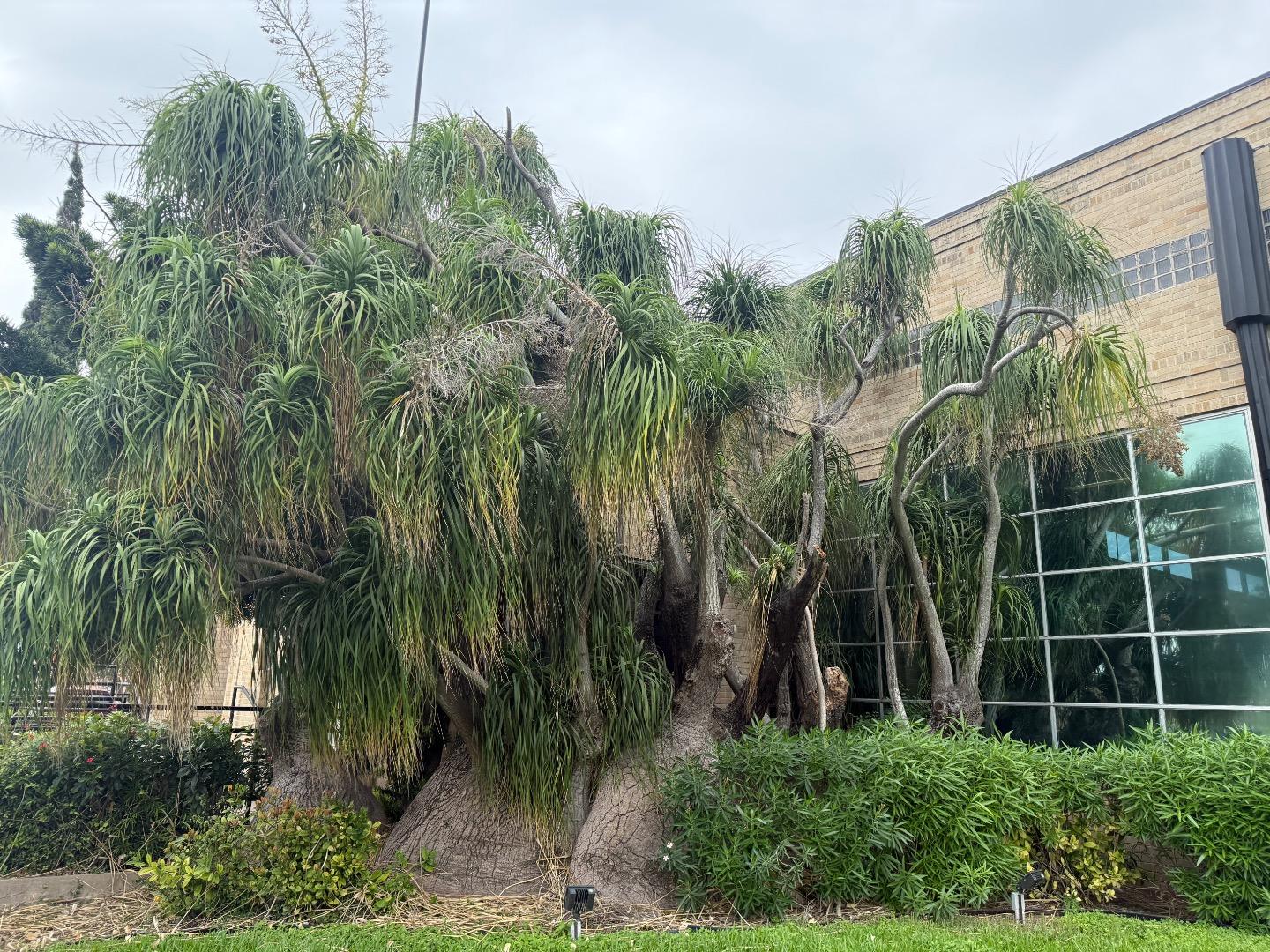
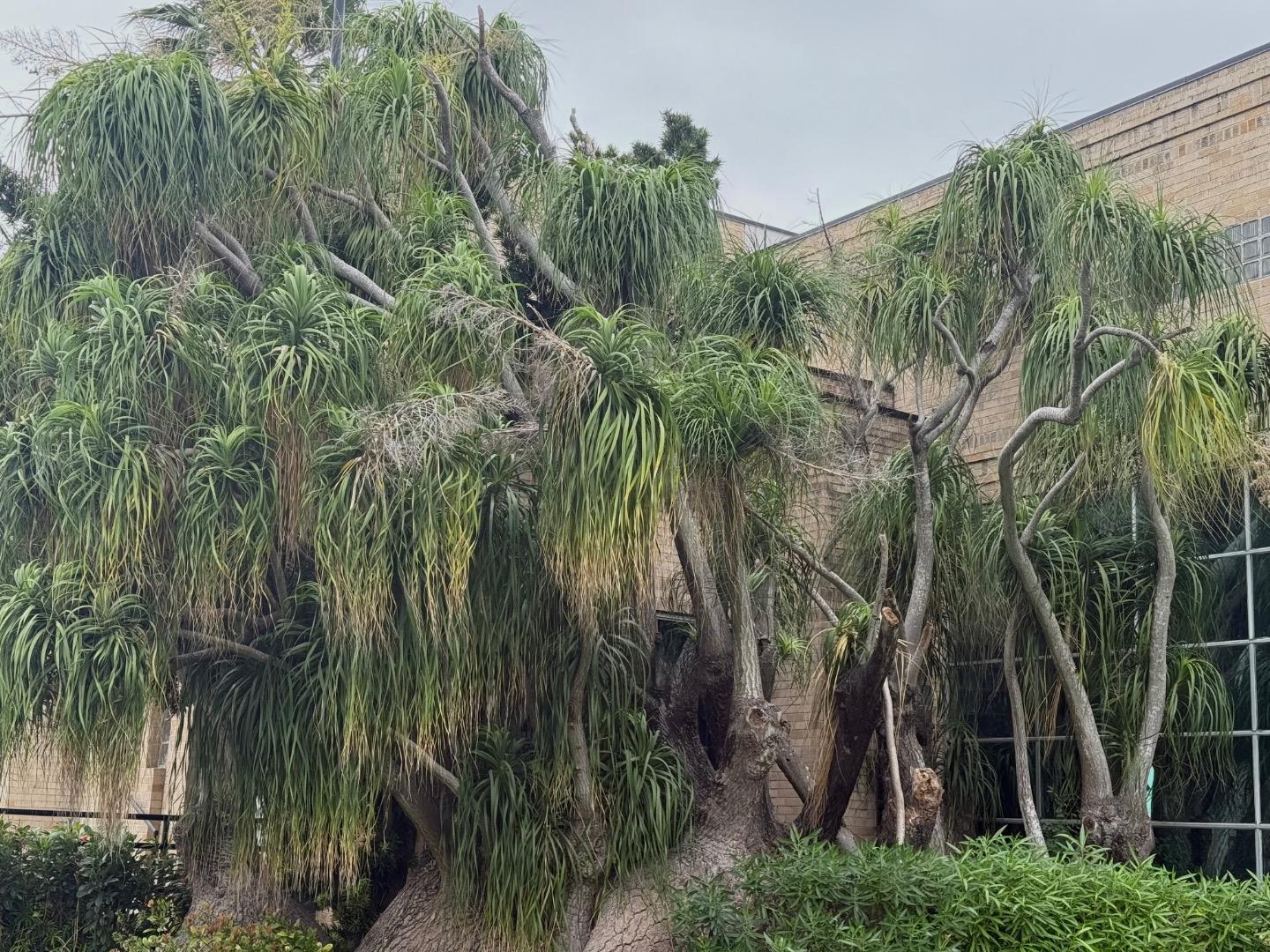
It's incredibly windy in Corpus Christi - even more so than Chicago "The Windy City"!2 points
-
Why do so many of them have leaning crowns? Not a good sign I would guess.2 points
-
I bought a sylvestris (supposed to be solitary) at Barton Springs 5 years ago and it started suckering! Back then they had lots of different Sabals including causiarum, uresana and guatemalensis. The owner had collected the seeds and grew them up but I guess he sold them all.2 points
-
I only ever see big trunking ones at tree nurseries. I was lucky and stumbled upon a 5 gallon one in the back corner of a nursery.2 points
-
At least with the dwarf variety you won’t have your compost heap full of leaves. Think of all the time you will have spare on a Sunday now not picking up them leaves. The problem is with golden cane palms is they are absolutely perfect for any type of gardening making them so popular. I could sell hundreds of them all year long. But I don’t like growing them unfortunately I have to or I lose a sale, number one question I get asked is got any golden cane palms yes I do but wouldnt you prefer a baronii or even better a Joey. Richard2 points
-
I agree - not a good choice for that location. I hate to think what they'll look like in late September after limited irrigation.2 points
-
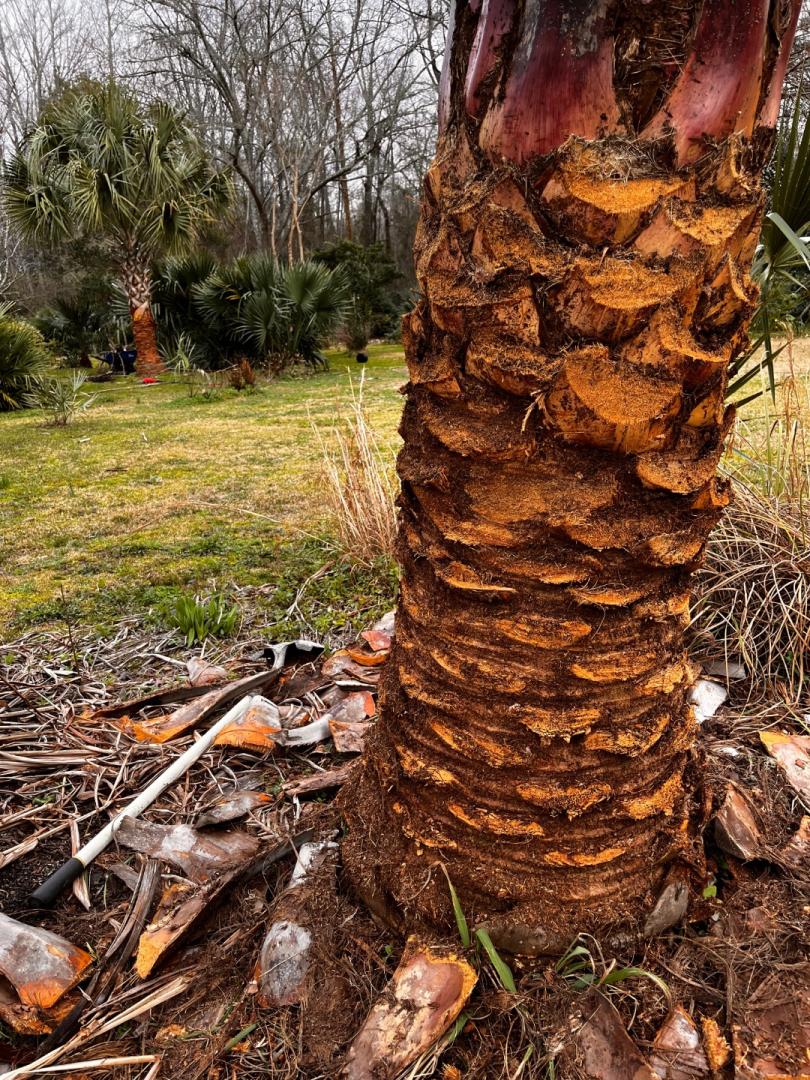
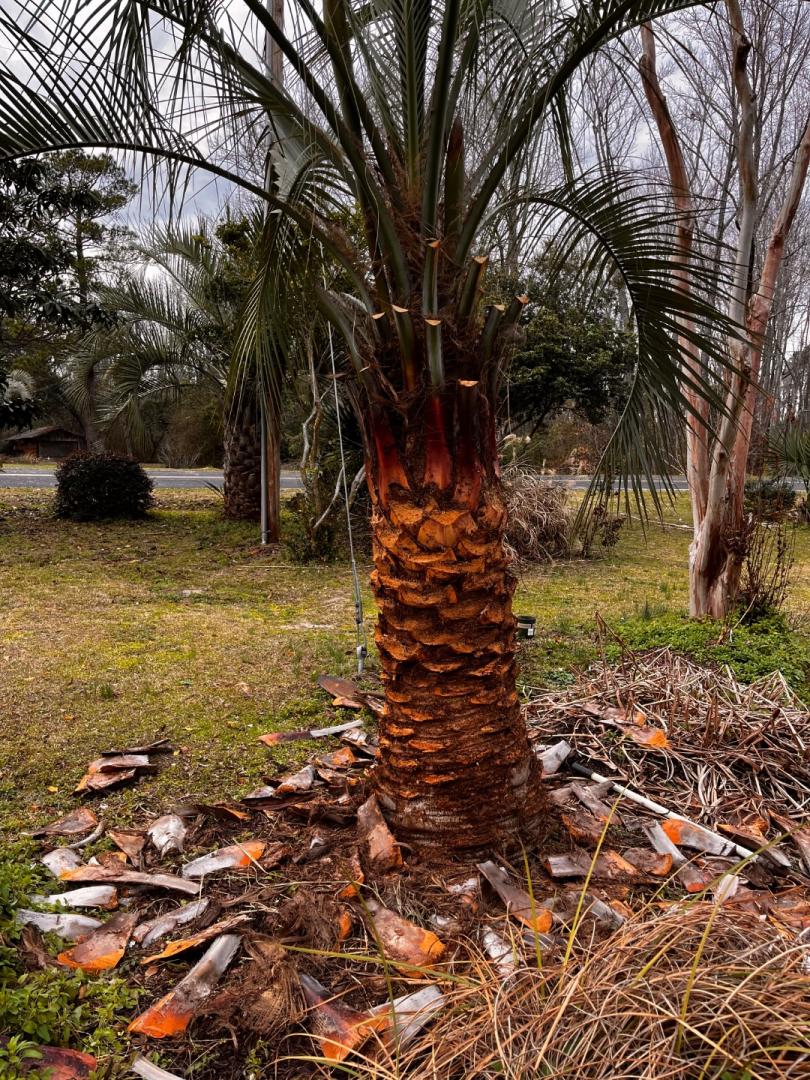
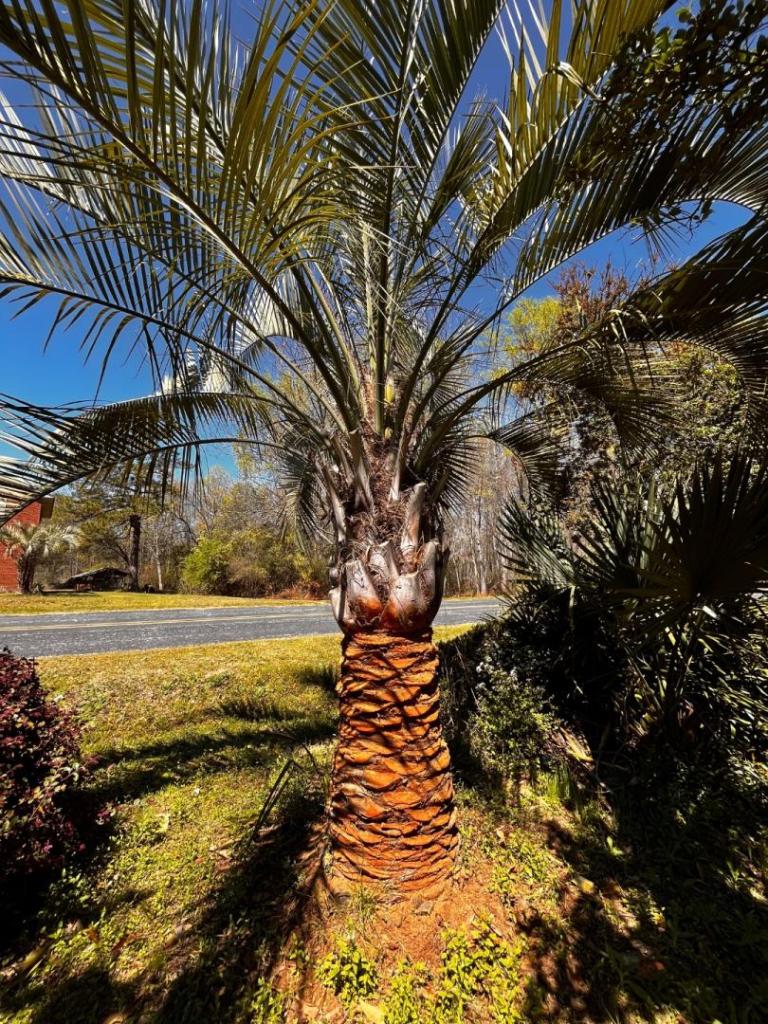
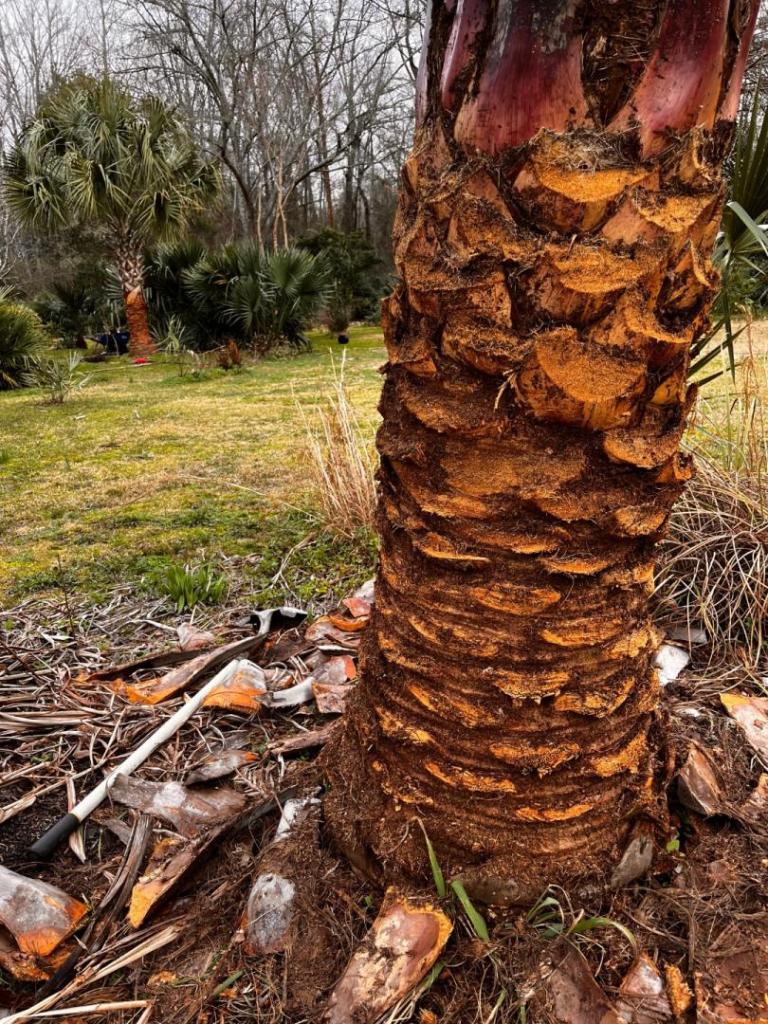
I cut away the boots on a few of my larger Pindo palms and many seedlings fell out. They’re in a container together and they seem to be adjusting. There are also seedlings growing in the ground around the canopies.
 2 points
 -
Hi Neighbor! Here's a quick & dirty Photoshop mockup of one possibility (excuse the messiness... only had time for a super-rush job). Shown in this photo... - Keep the Traveler's Palm. I think it looks amazing next to the blank wall! The leaves will eventually get wind-tattered, but I personally love the look of it there. - Lose the bananas. I'm a fan of bananas and similar large-leaf plants (like white bird of paradise) since they add visual contrast to palms. But I don't see any reason why you would want BOTH a travelers palm and bananas in that place. - Add a pinnate palm. I added a palm known as being pretty sun-tolerant... Dypsis (or Chrysalidocarpus) Onilahensis "upright" version. I'm showing it at a middle-size... would be smaller initially but eventually clear the roofline. You mentioned full-sun, so I'm assuming you could only put sun-tolerant palms there, right? Still lots of great options, and you'll be glad you went with something more unusual. - Add a fan palm. I'm showing a rare-for-our-area "old man" palm (Coccothrinax crinita) but there are other Coccothrinax types that would work well in that spot. I didn't show it in my mockup, but if you can, I would "bow out" the front of that planter to allow a little more depth at the center of your planter. That would give you even more options. - Add color. I used the trellis you had in your photo, but if that's not staying, you could add Hawaiian Ti plants, bromeliads, and other color sources. Hope that gives you some ideas!
 2 points
 -
I'd love to know how these are doing now.2 points
-
Several growers with much nicer gardens than mine have told me theirs suddenly died after setting seed. Matt's plant has given me hope. Mine has now pushed its first leaf spathe.

 2 points
 -
Ugh I missed the April 3rd birthday. Here she is today 4 years from a sprout and just beginning to show a trunk under the oldest leaf bases.

 2 points
 -
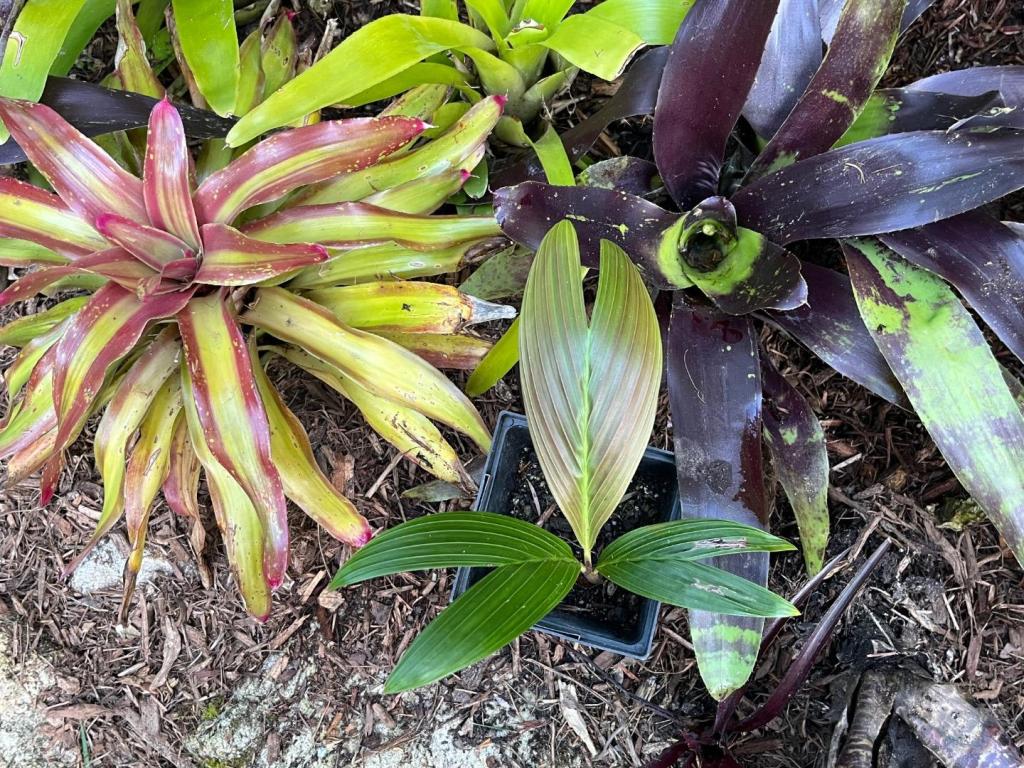
Thought I’d bring back this thread with a photo of my baby “Mad Fox”… kindly sold to me a while ago by @Matt in OC. I realize it’s a long shot, but it sure looked healthy when I was checking on my seedling collection… Took it out for a photo shoot to celebrate it making it through the winter… Wish me luck!
 2 points
 -
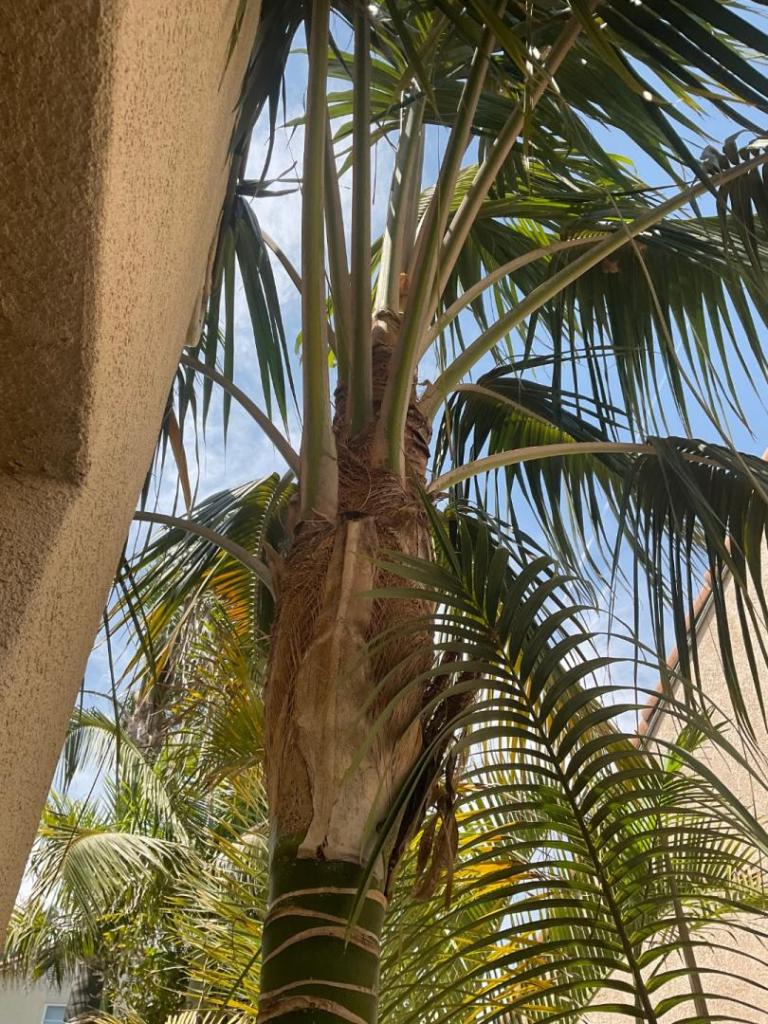
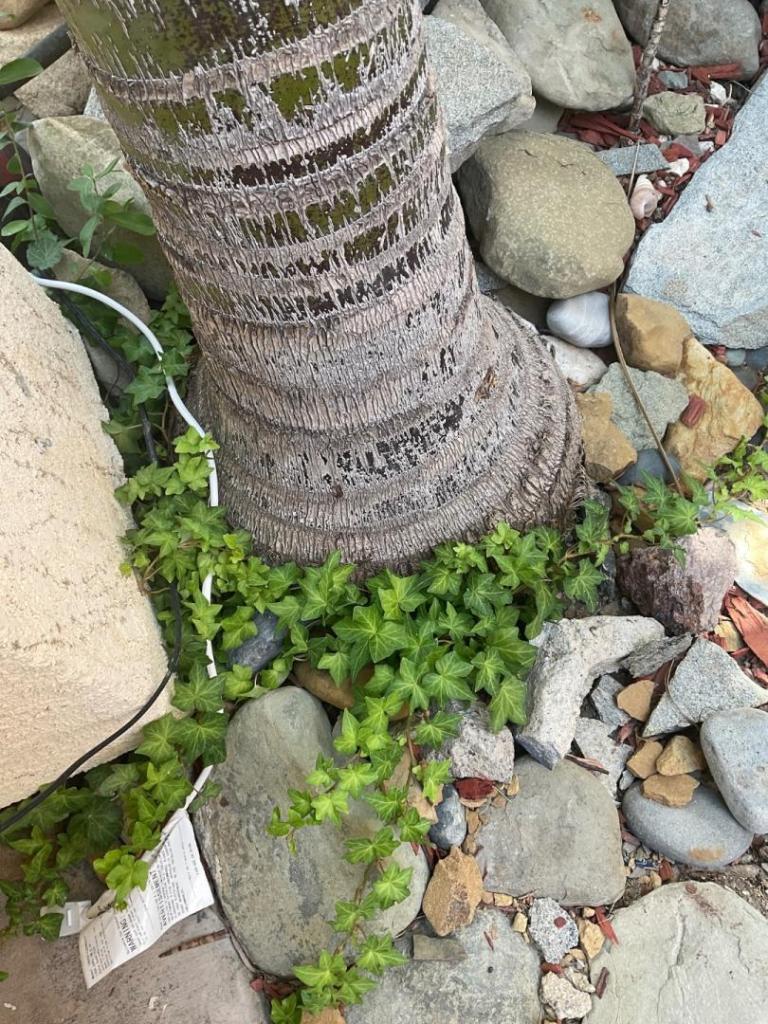
We get very strong , gusts of wind up here on the hill. Every year , the Santa Ana winds blow relentlessly for days . The gusts this last year were over 80mph. I have a large Howea planted very close to my house that caused no problem at all. The stucco is abrasive thought and makes the leaf tips tattered . Harry
 2 points
 -
As noted in a previous post, a long time member of the PSSC has decided to go into assisted living; he has a number of potted palms and other plants that will need homes. Some are big, bodacious specimens. One of them is this Dypsis albofarinosa that’s about 5-6 feet tall planted. Der Weisswagen provides scale. $250 or best offer. ALL funds go to the PSSC. PM me if interested.
 1 point
 -
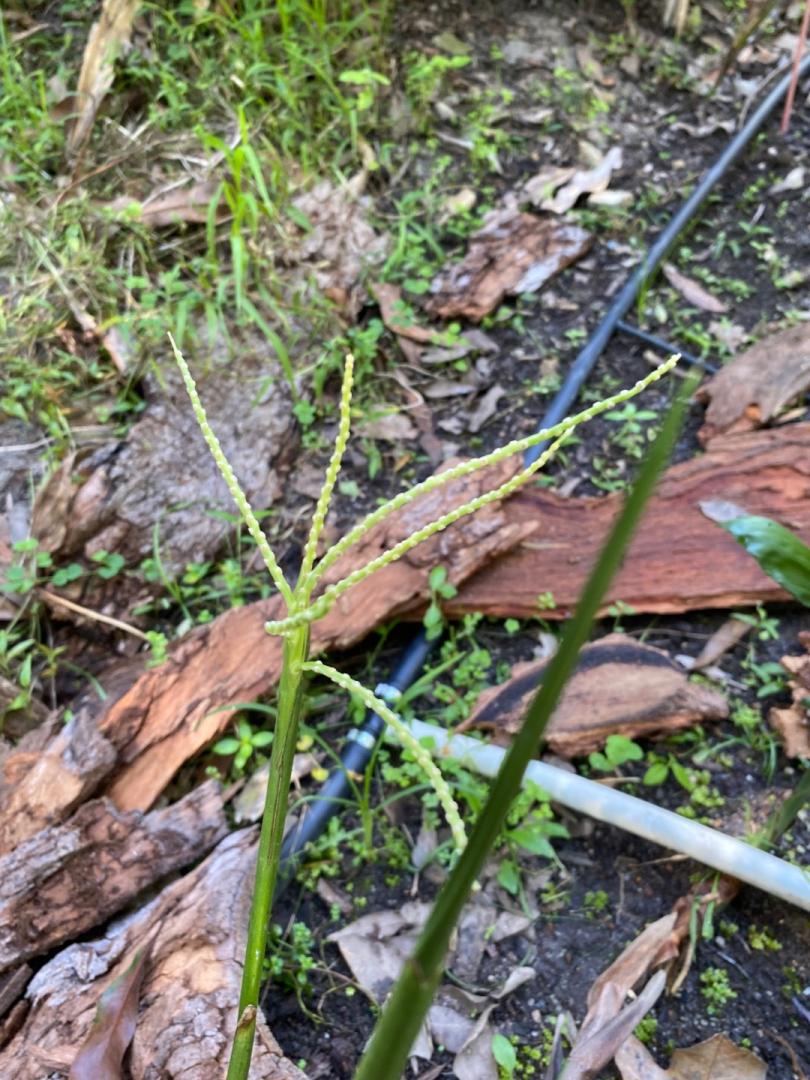
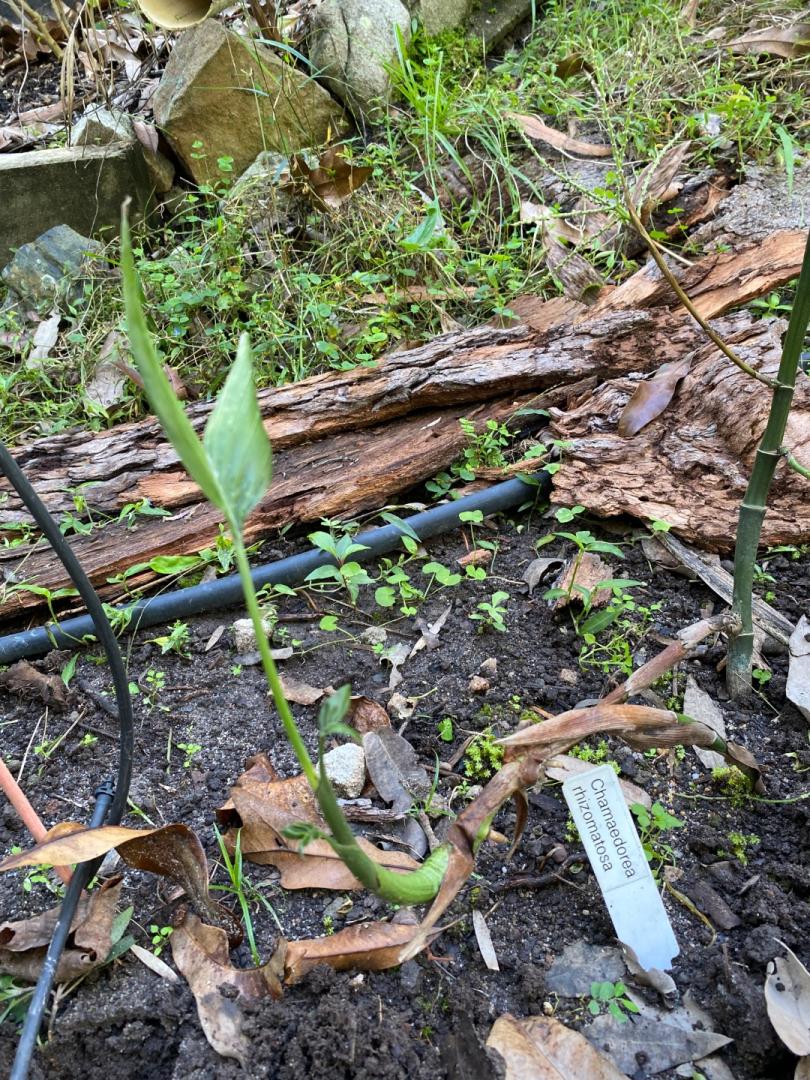
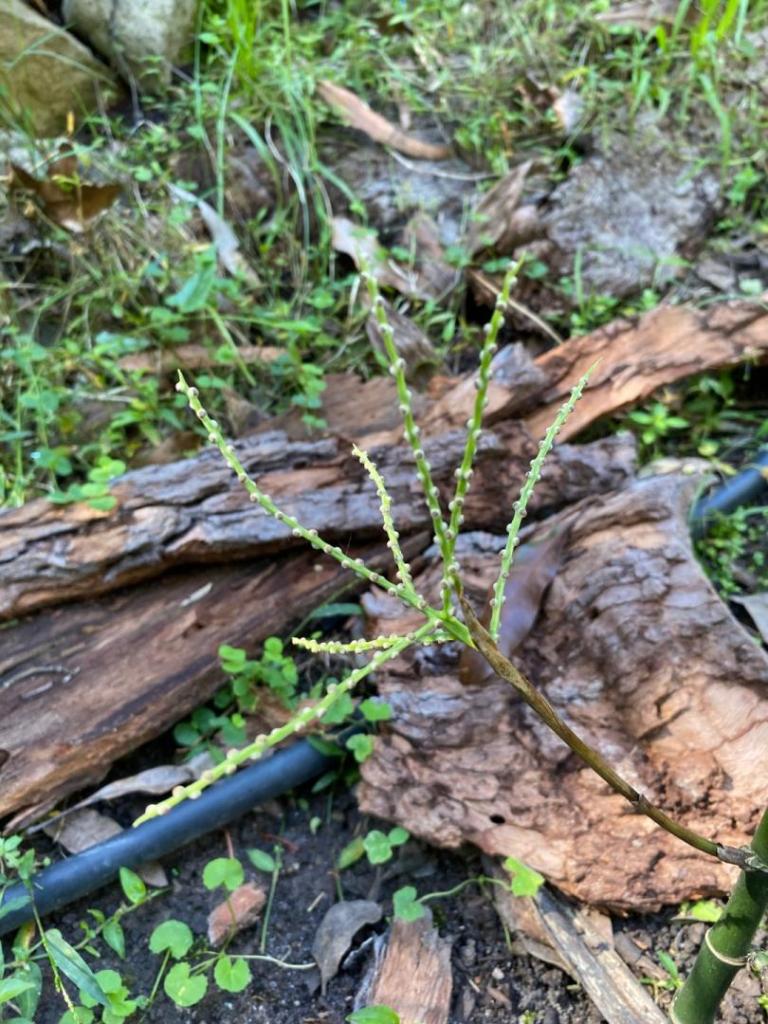
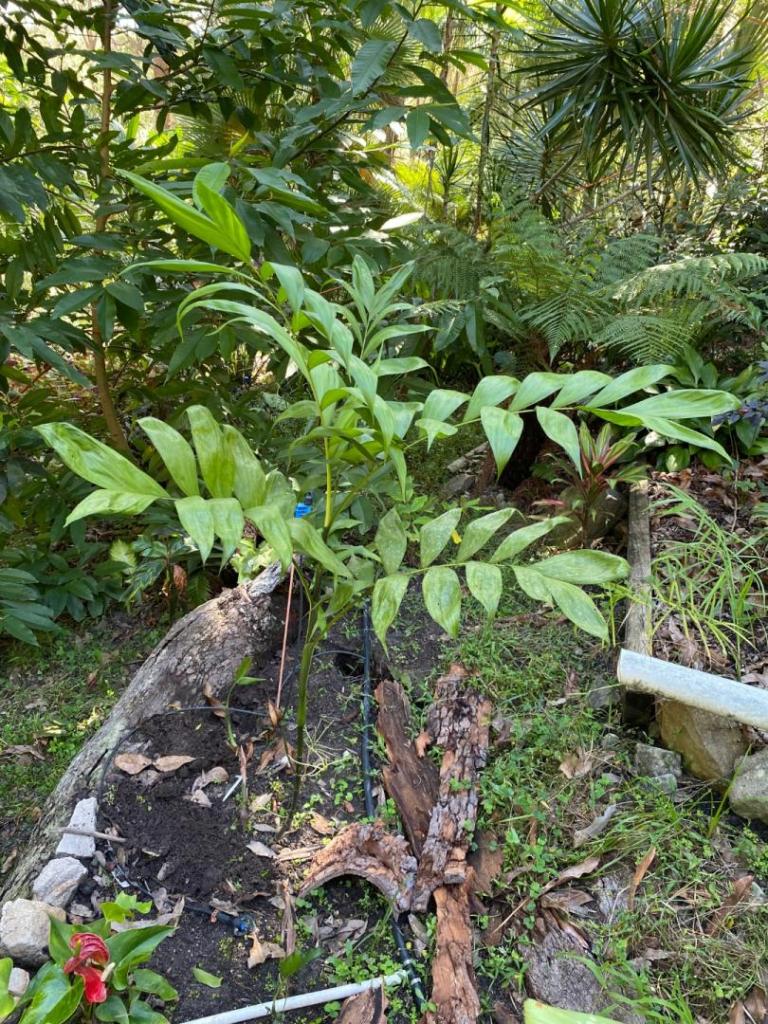
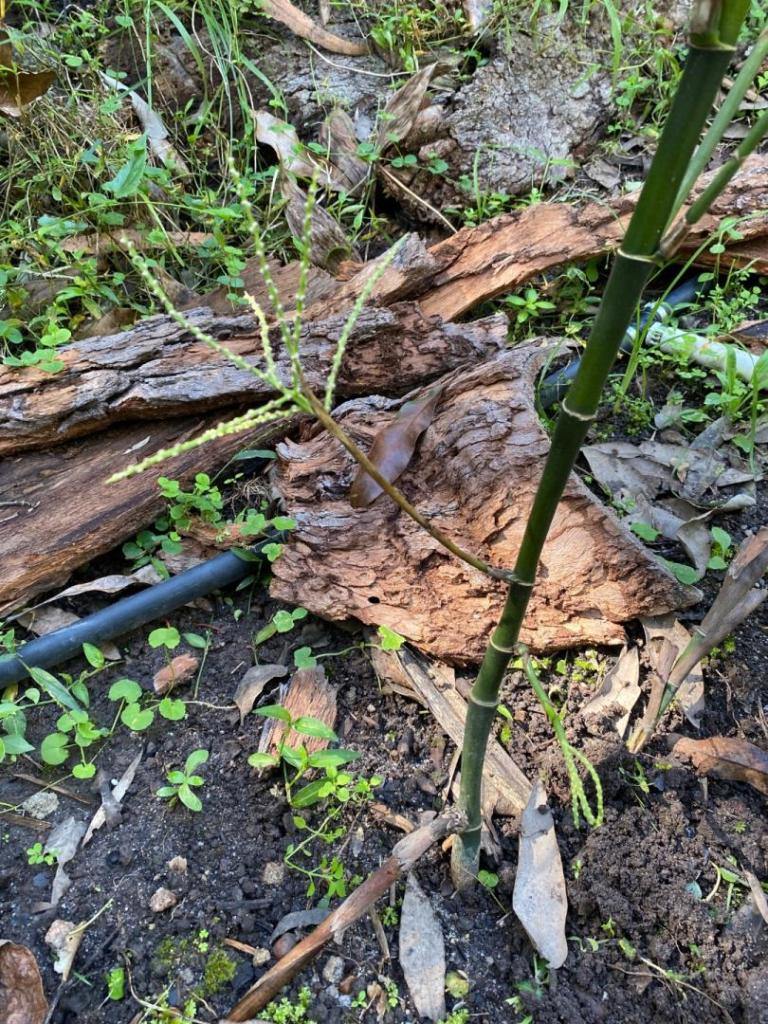
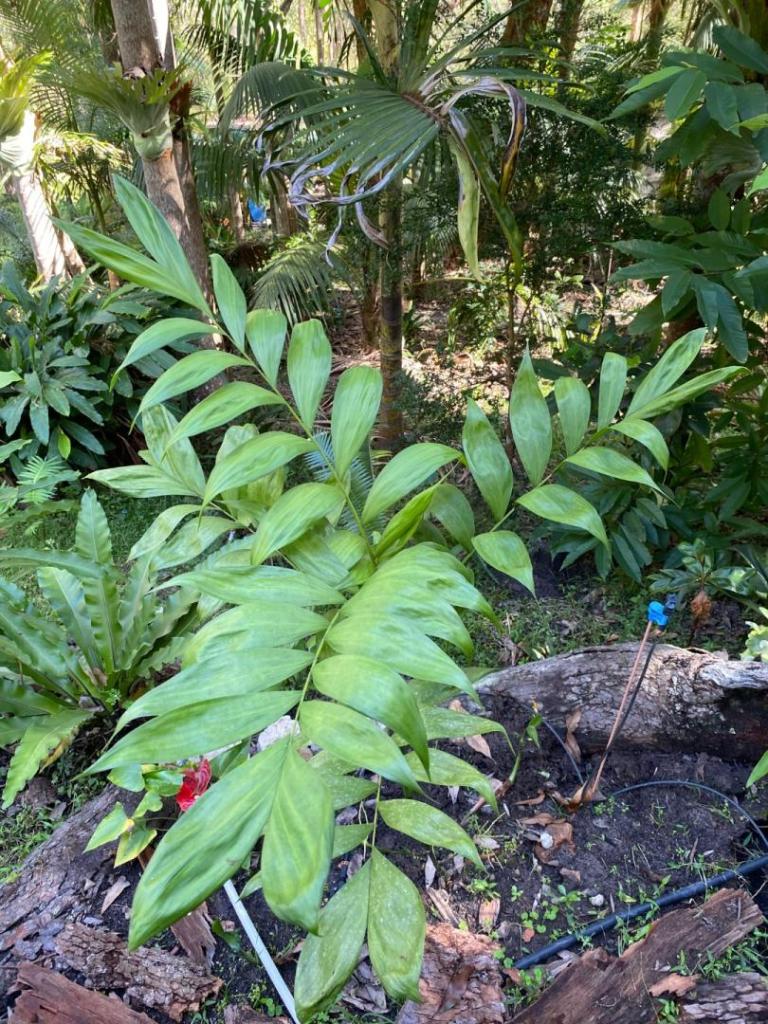
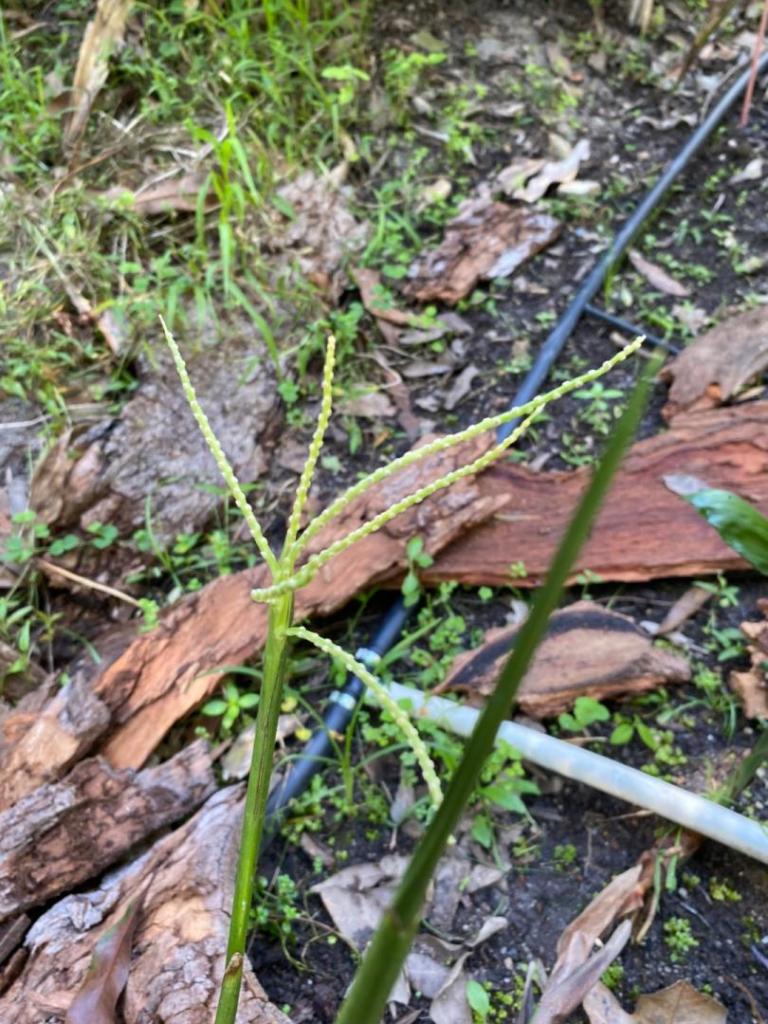
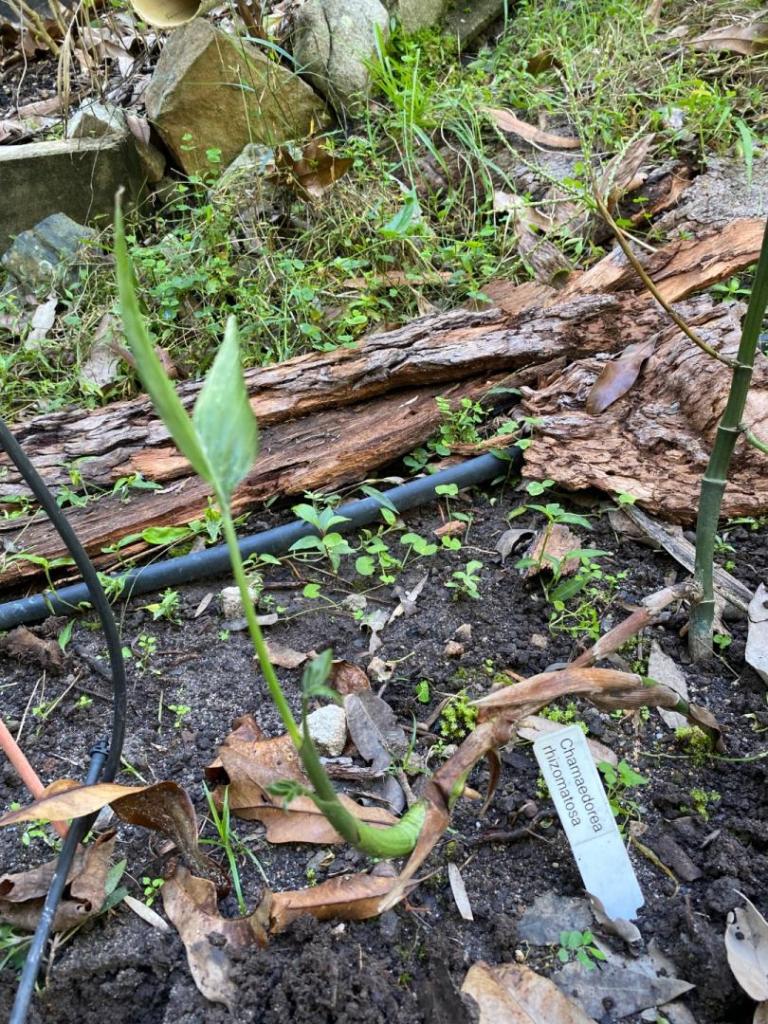
A palm that was introduced into Australia by Colin Wilson. I purchased this one last year at the pacsoa show, when I asked Colin what was for sale that was rare he immediately headed for the rhizomatosa explaining the stairs behind importanting it. So for the story alone of the importantion and being lucky enough to meet the man who has more passion for palms than you can poke a stick at.so don’t worry Colin it shall be well looked after it’s not everyday you get such a special palm in the collection. Oh and it’s in good hands for being propagated as well by divisions.
 1 point
 -
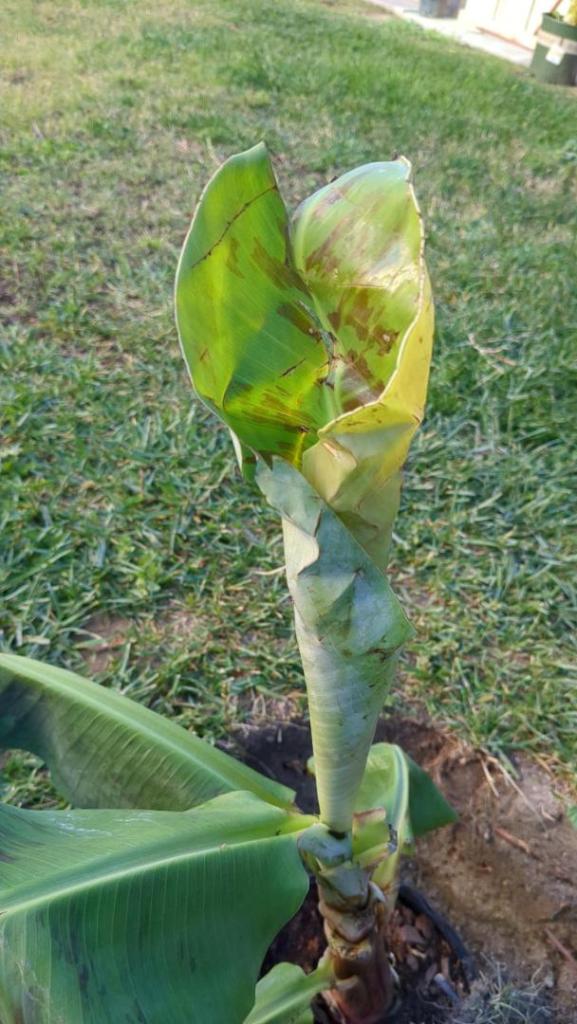
Another banana question - should I remove a crumpled flag leaf? Most of the leaves were snapped or torn during delivery. I pruned those.
 1 point
 -
That's what I thought, but was hoping I was wrong. Thanks.1 point
-
They are fruit flies, no doubt attracted by the nectar the inflorescence is producing. No idea if they're actually pollinating it, however. If they are, then these anthuriums should end up getting pollinated the world over, as the flies are found pretty much everywhere, and I'm not sure that they do. This paper suggests weevils are likely the main pollinators of many anthuriums: https://www.scielo.sa.cr/scielo.php?script=sci_arttext&pid=S0034-774420070001000291 point
-
Those are some very old Trachy’s . They would look good in a cool , coastal climate . Harry1 point
-
I think ‘truly tiny’1 point
-
Thank you everyone, I always appreciate you all and I ended up grabbing two of the 7 gallons for 89.99 each, pretty nice deal. Planted them yesterday also and got them mulched up they are looking good will post some pictures later also.1 point
-
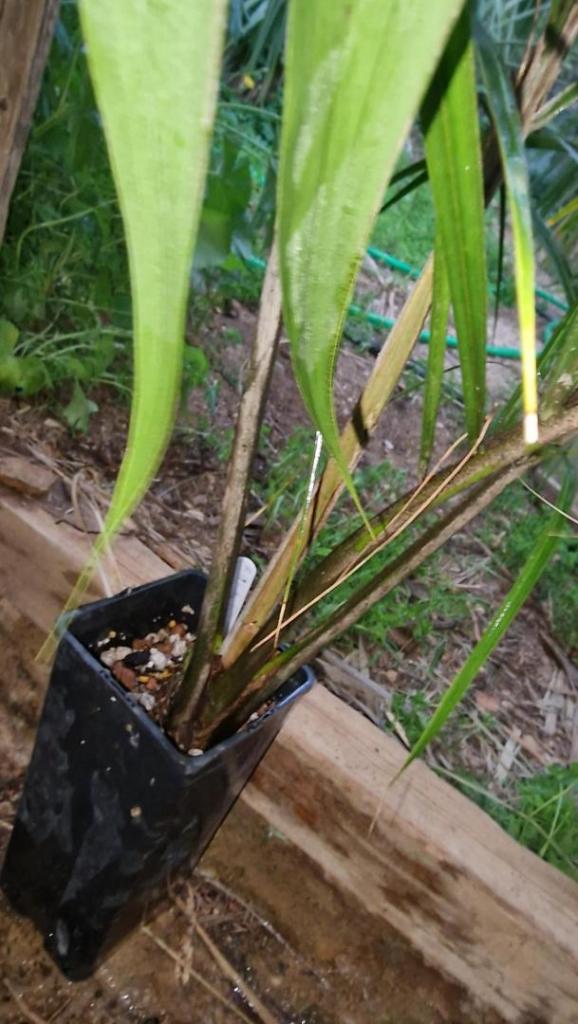
Hey Harry, I had the opportunity to take pix of both cheesemanii and sapida side by side growing in identical pots under identical conditions and of identical age! Hope you enjoy the pictures. L cheesemanii R sapida cheesemanii close up sapida close up Again cheesemanii close up Again sapida close up I understand that there must be several forms of sapida in NZ. This particular one is from around Auckland.


 1 point
 -
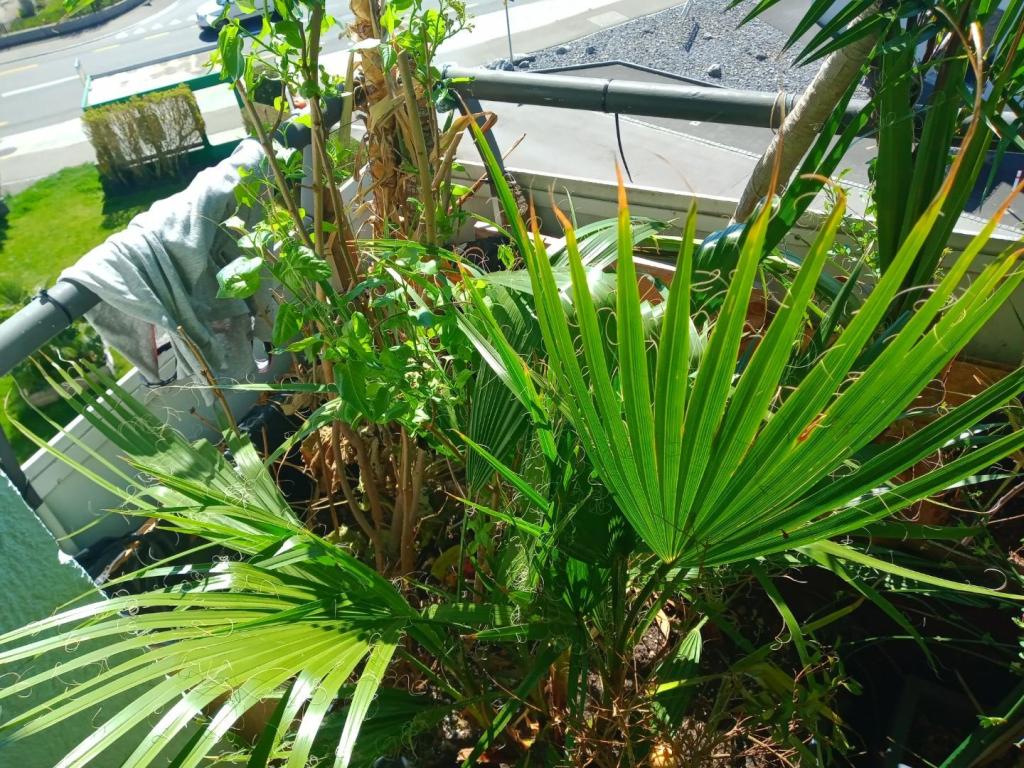
more pictures


 1 point
 -
My experience is different. Overpotting is not an issue as long as you have a well-draining medium and water the plant properly. Dry pockets that you mentioned will be an issue if you let them develop, and have to be avoided. I always go 2-3 ''pot sizes'' or even more up when transplanting. No problems ever with any plant. I've potted seedlings from 100mm (4 in) to 300mm (12 in) diameter straight up. I also am of the opinion that larger pot size will speed growth, however it's not initially visible. Given more space most plants will put most of their energy into developing a root system, and on top the plant seems to have stalled. Which is actually not the case and once the roots have filled up the plant will get a boost in growth on top of the soil. Everyone has his preference on this topic, and I highly doubt there is one ''right'' way to go about this. This is more a cultural thing. The way a grower is used to caring for his plants (e.g. watering) will affect whether the overpotting strategy is viable for him or not. And that's perfectly fine. If you get better results by incremental sizing up, that's okay. It works in your case, so no need to change it. I do think overpotting is more difficult for most growers to master, so that is probably the reason you will see a lot of arguments against it. I overpot 80-90% of my plants (I can't overpot everything due to space constraints). And I swear by it. I have never had a single plant -- not palms, nor agaves, nor aloes, nor philodendra, or anything else -- develop an inch of root rot. Root rot doesn't exist in my world, and I'm not even sure how you can get it (technically I know how, I've just never observed it developing on my plants).1 point
-
No, I'd leave it to open up...that's the plants only growing point at the moment. The next leaf will be normal, then later on you can cut the crumpled one if it bothers you.1 point
-
No room for this im selling it cheap for pickup, 9ft. $35
 1 point
 -
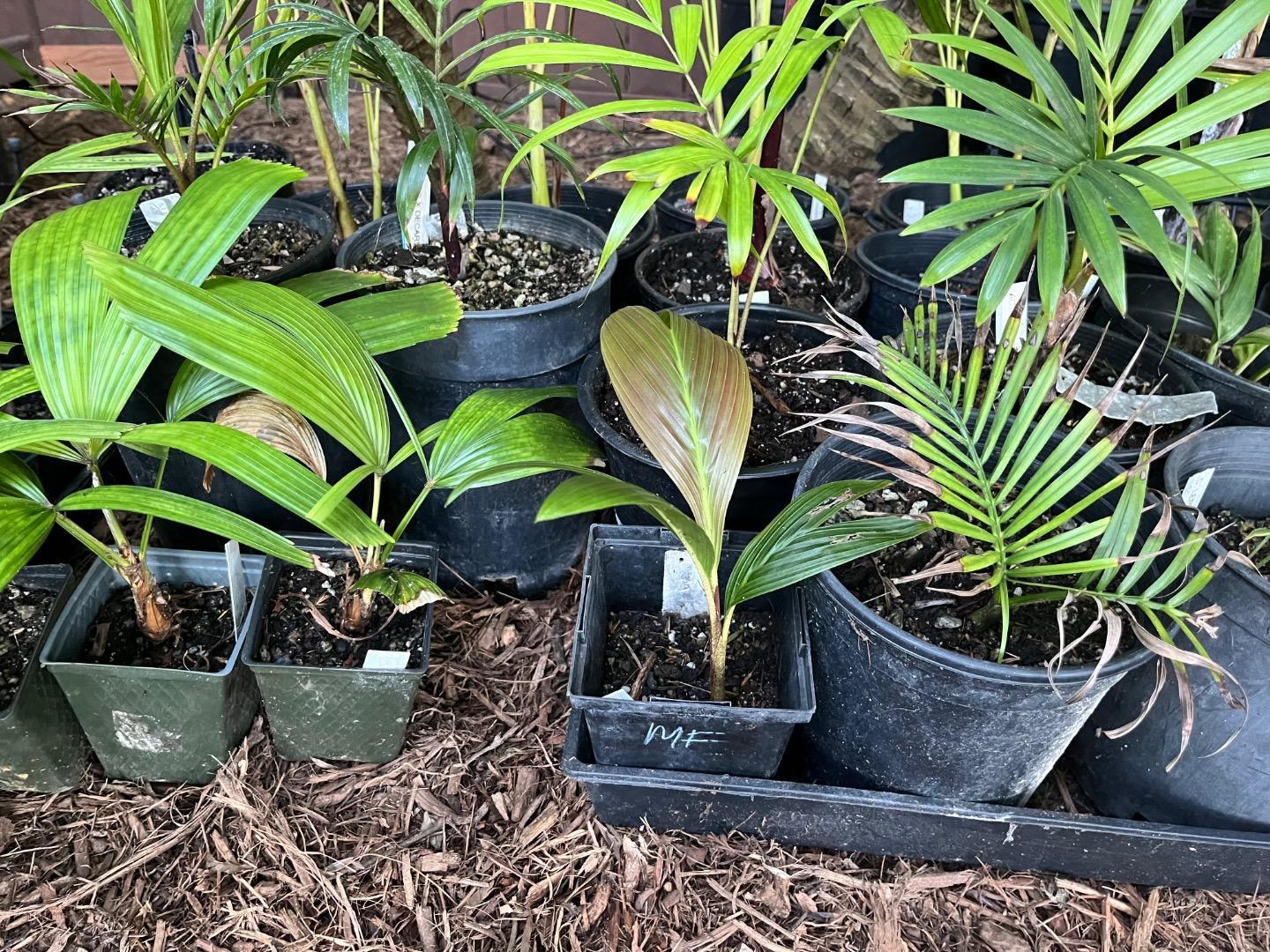
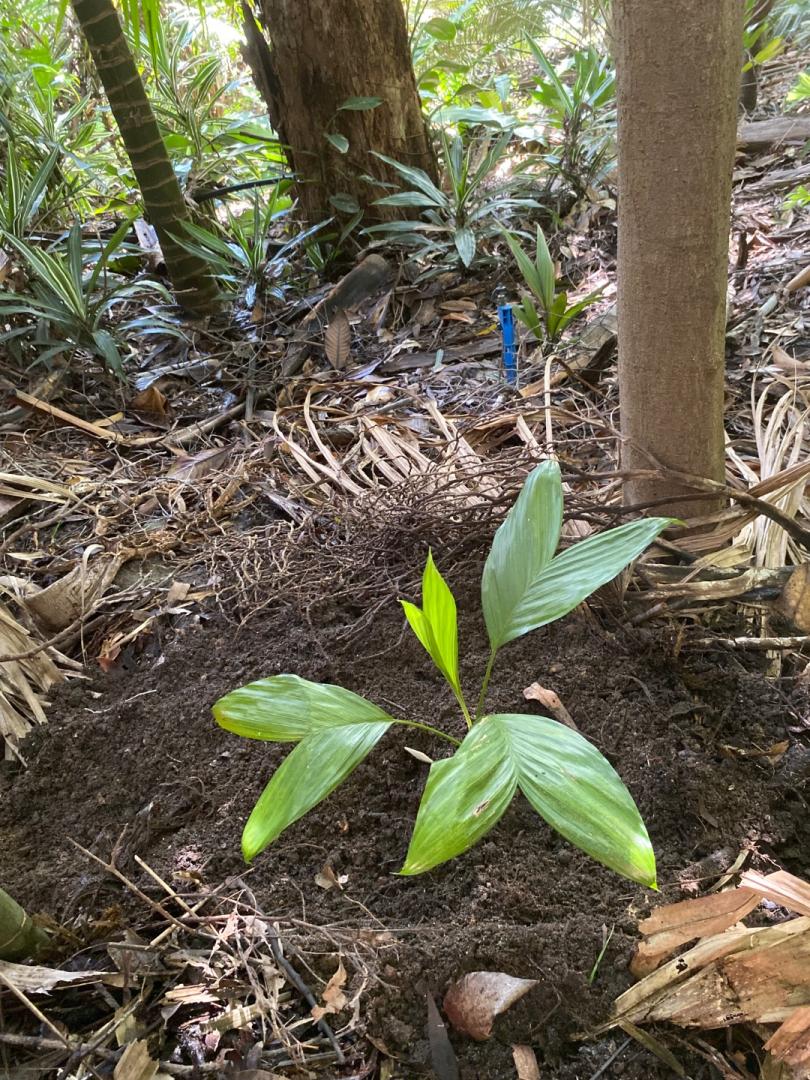
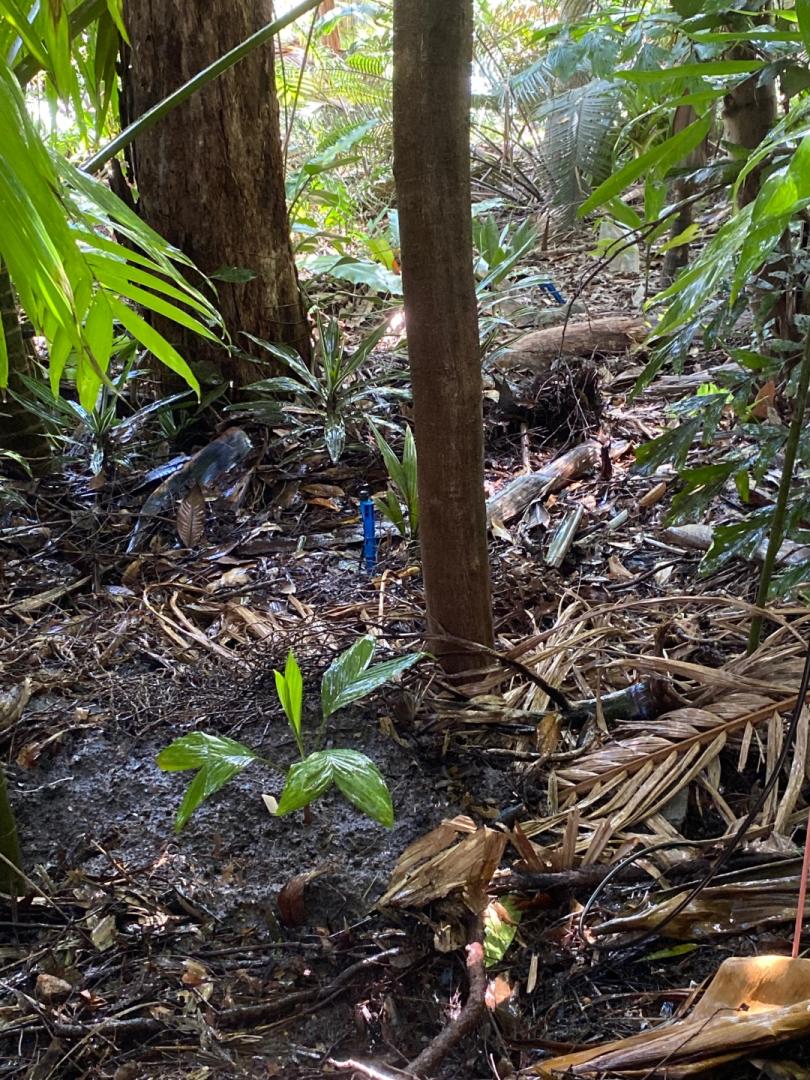
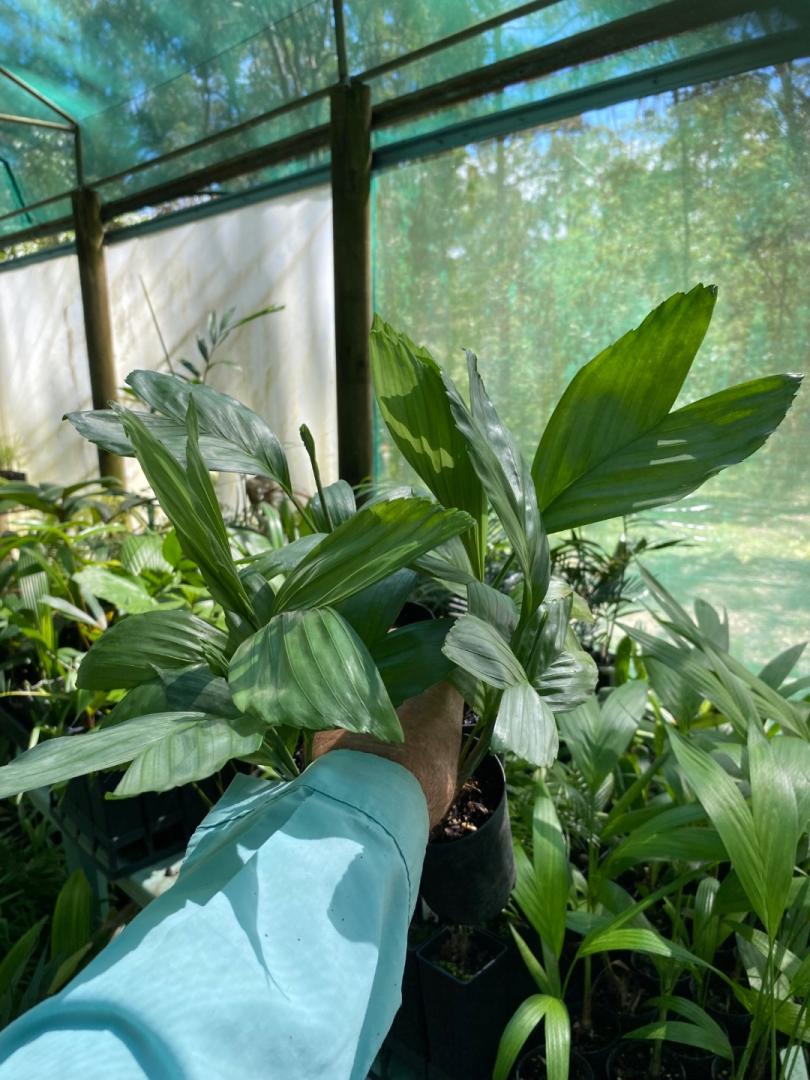
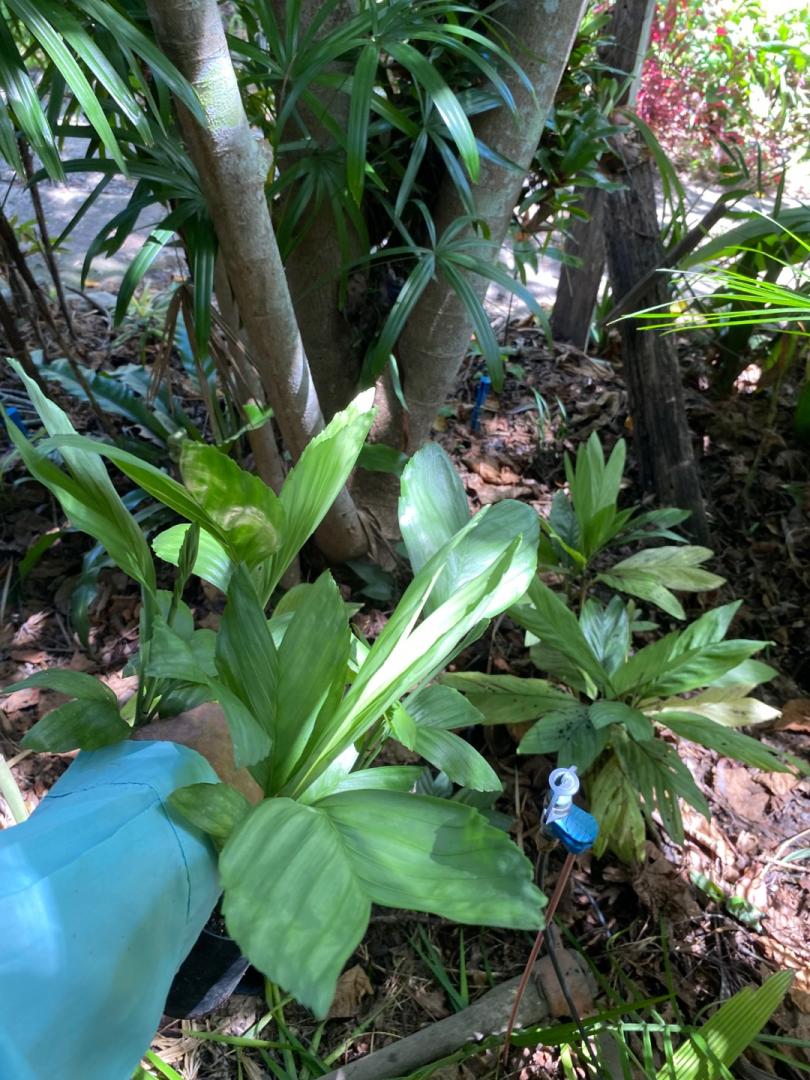
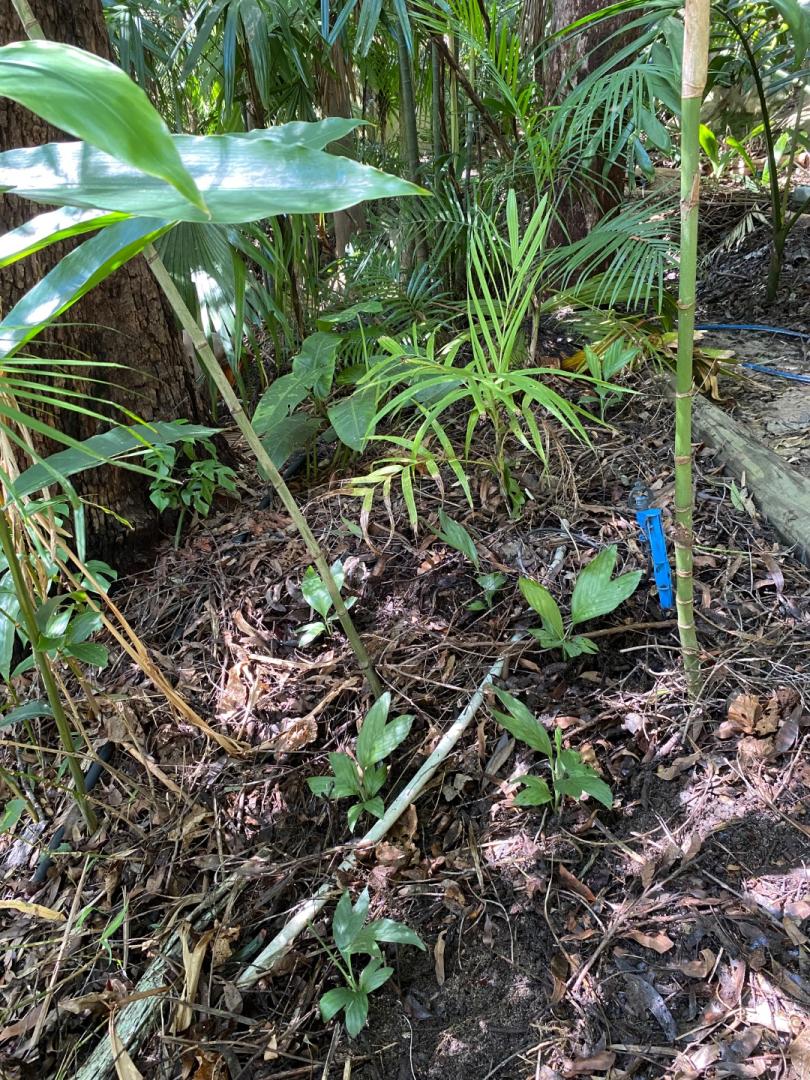
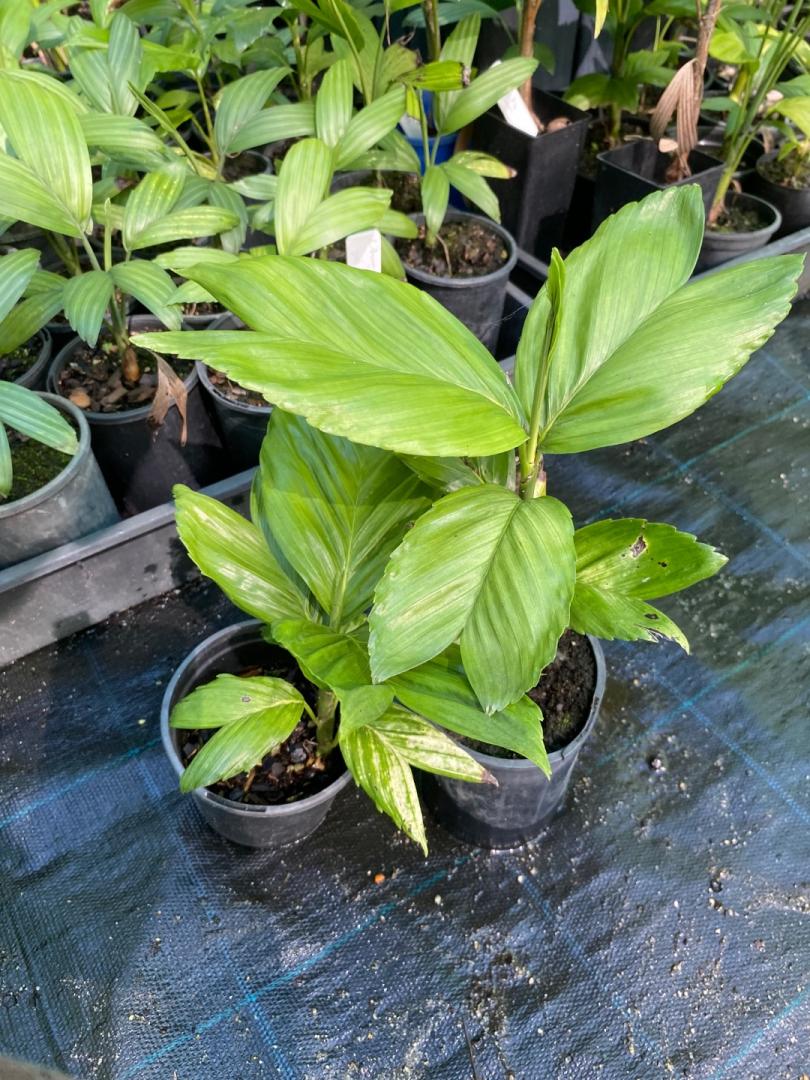
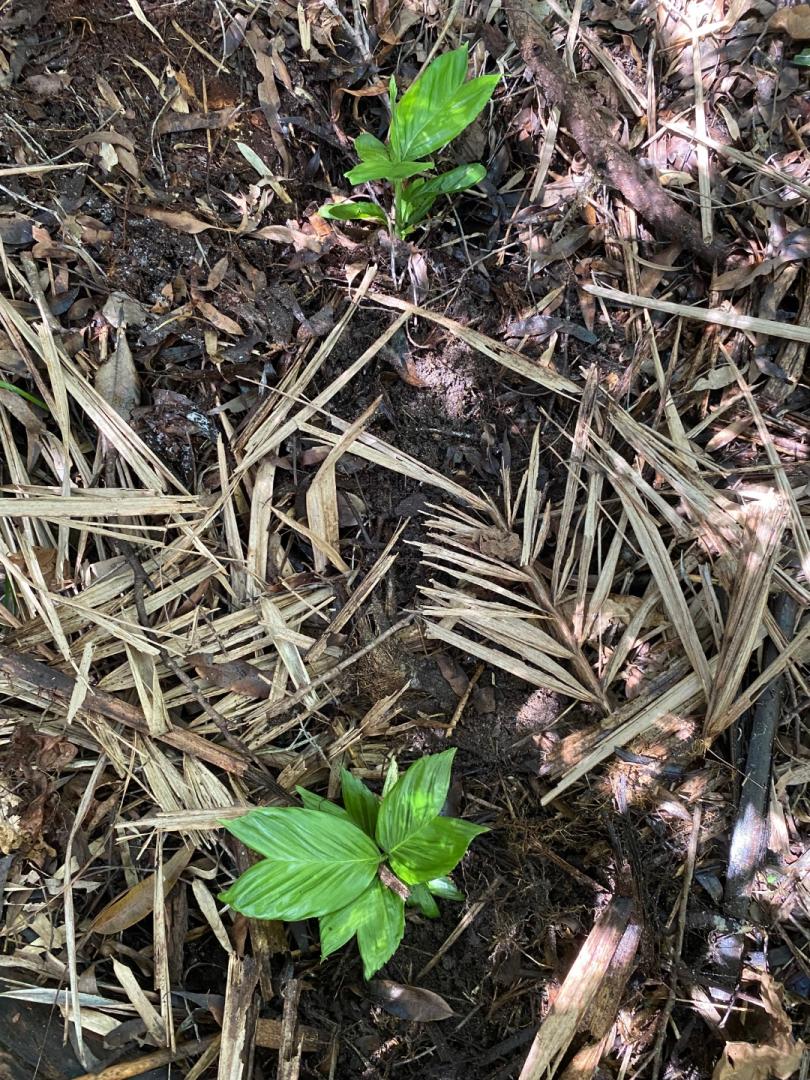
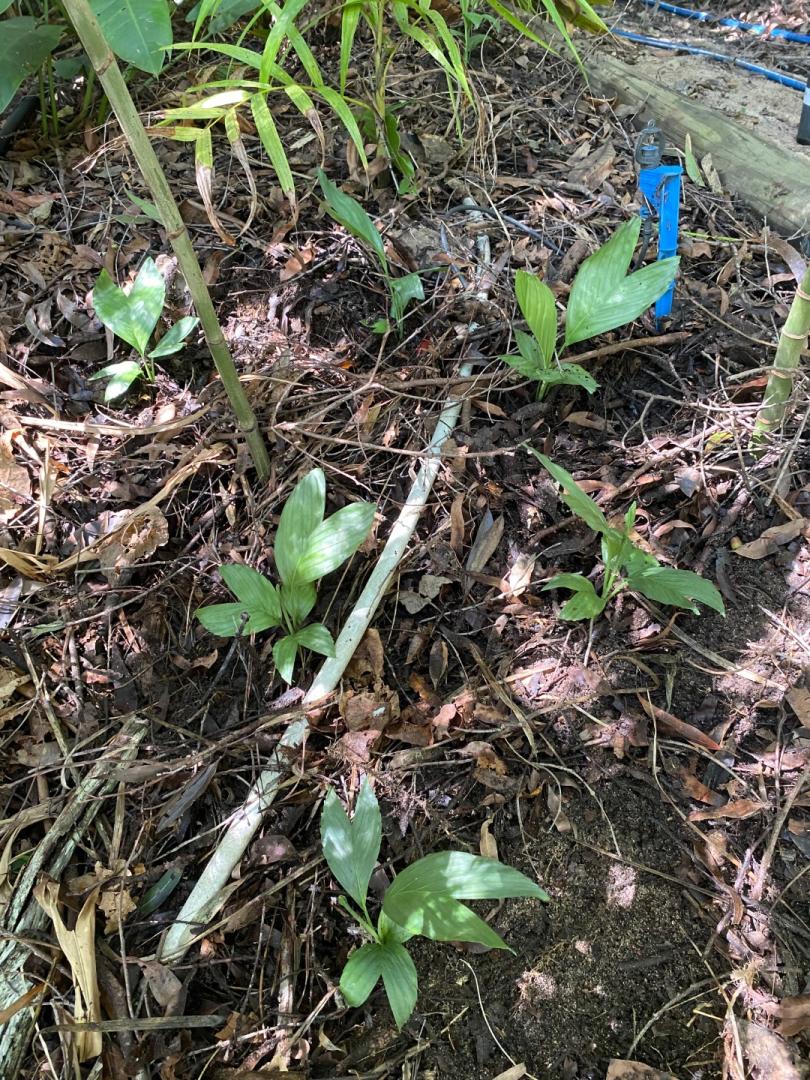
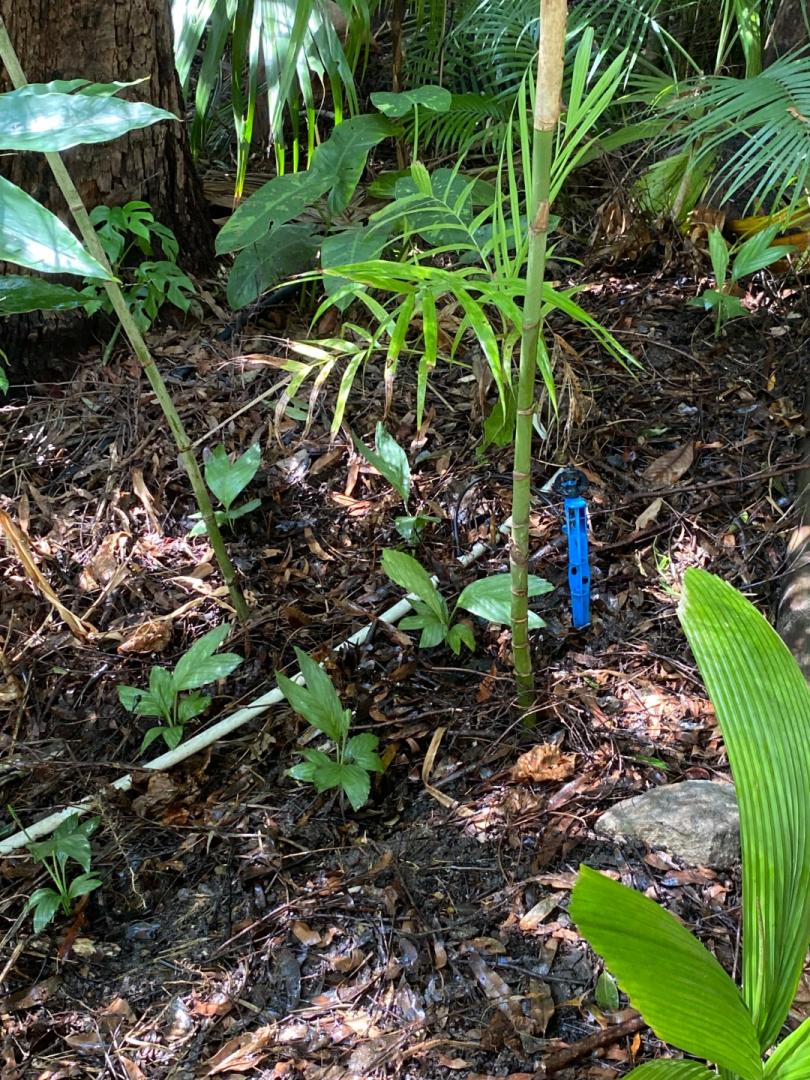
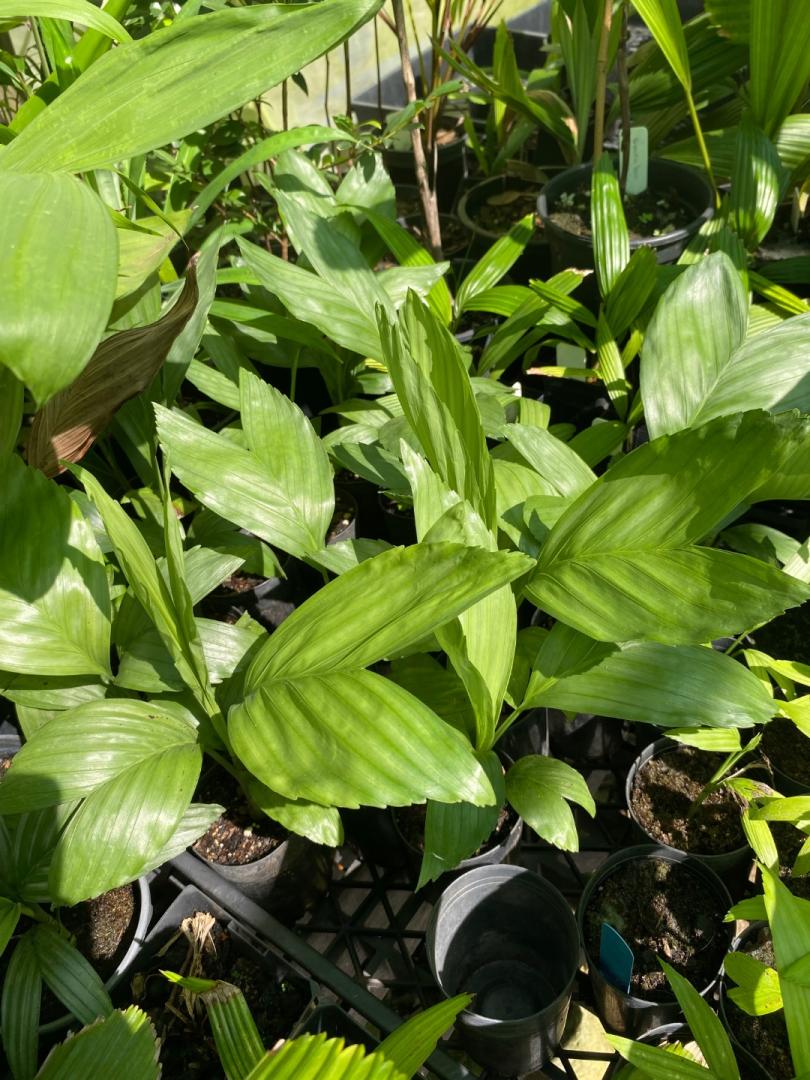
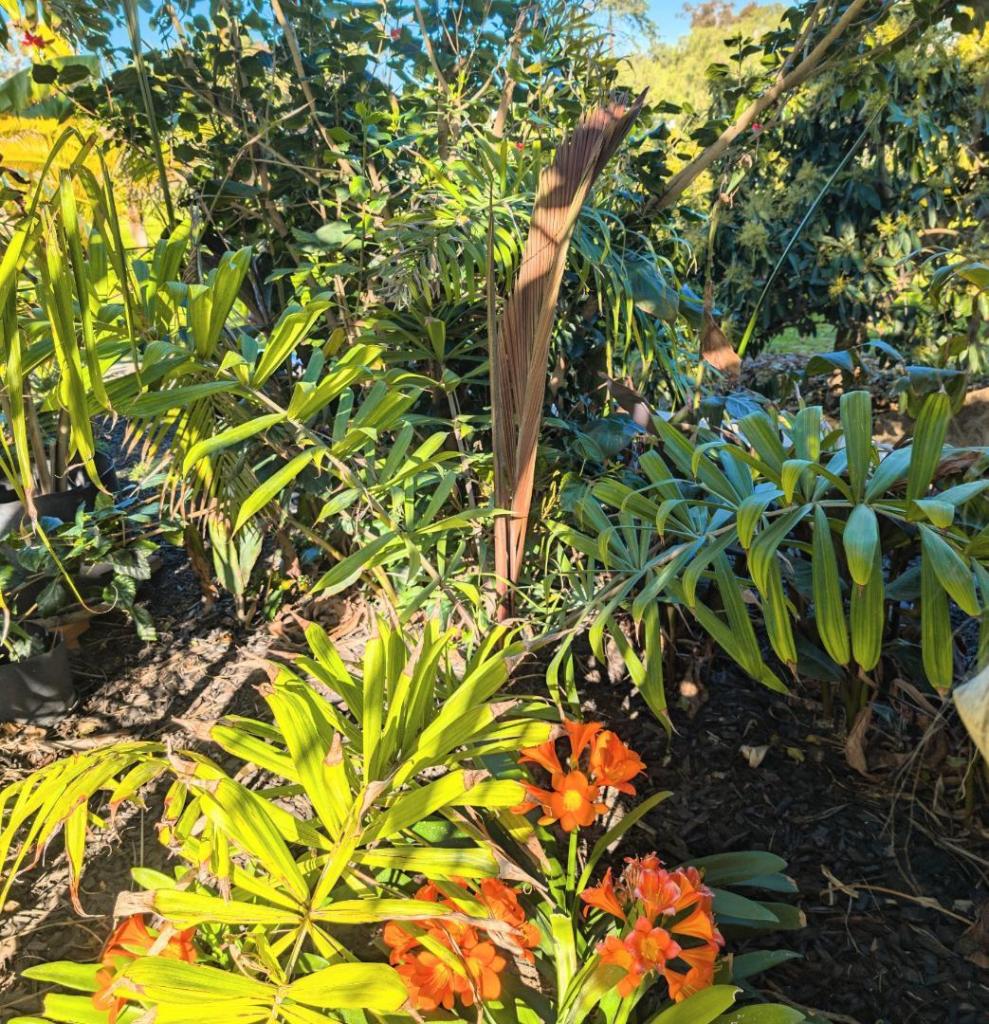
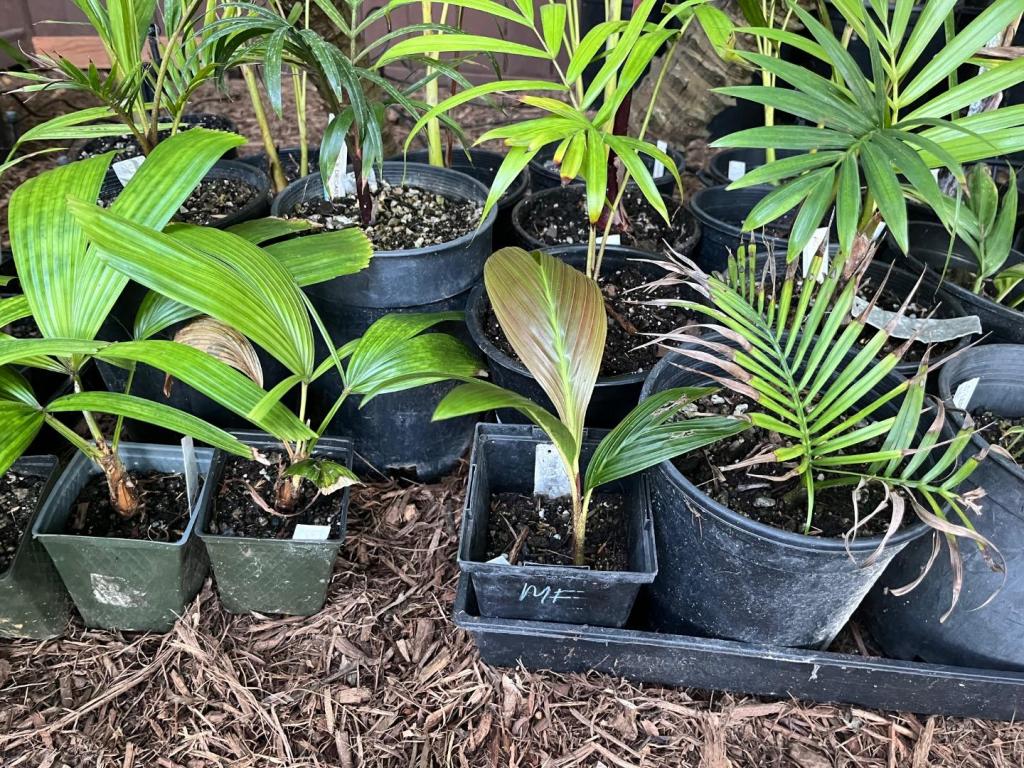
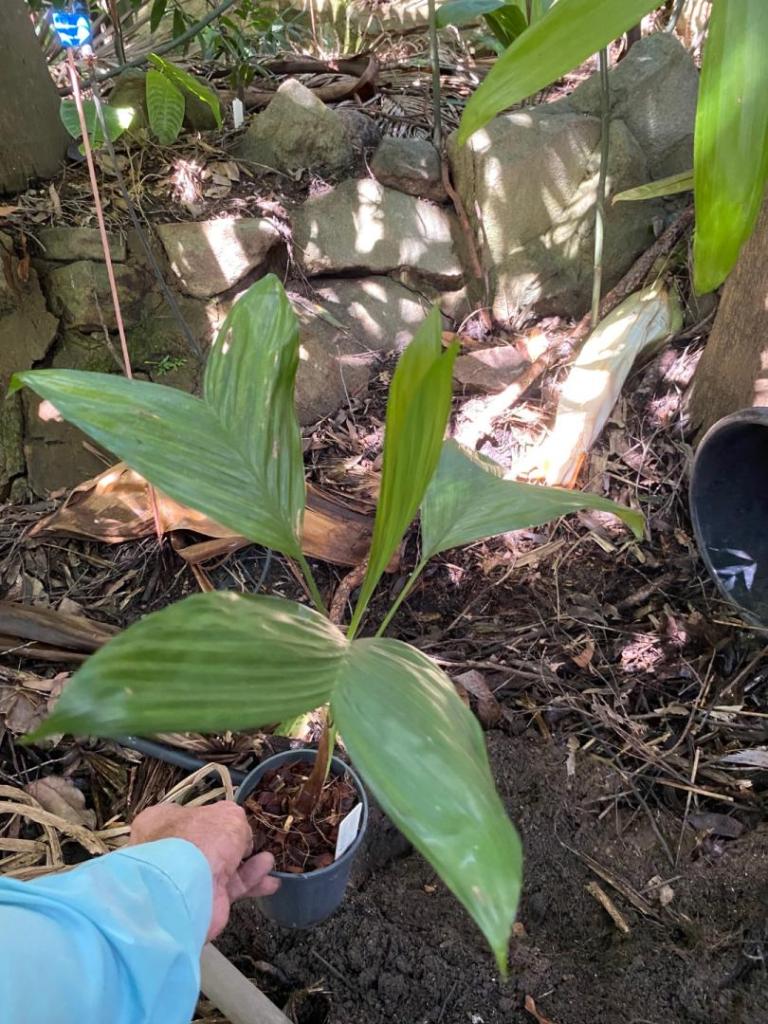
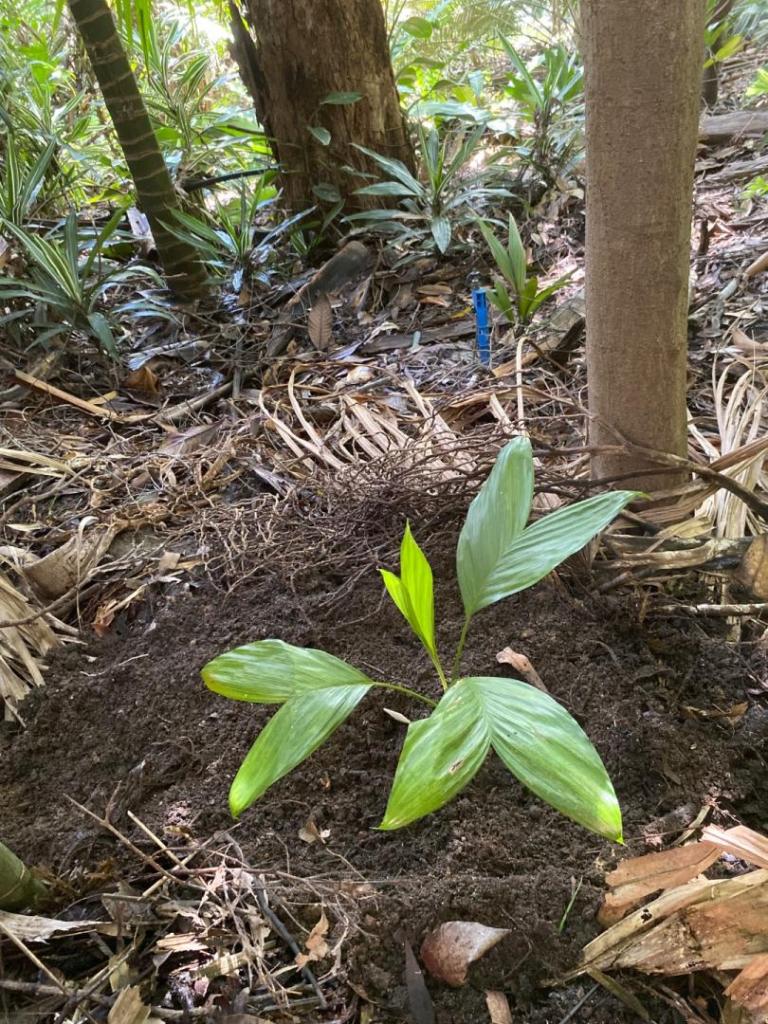
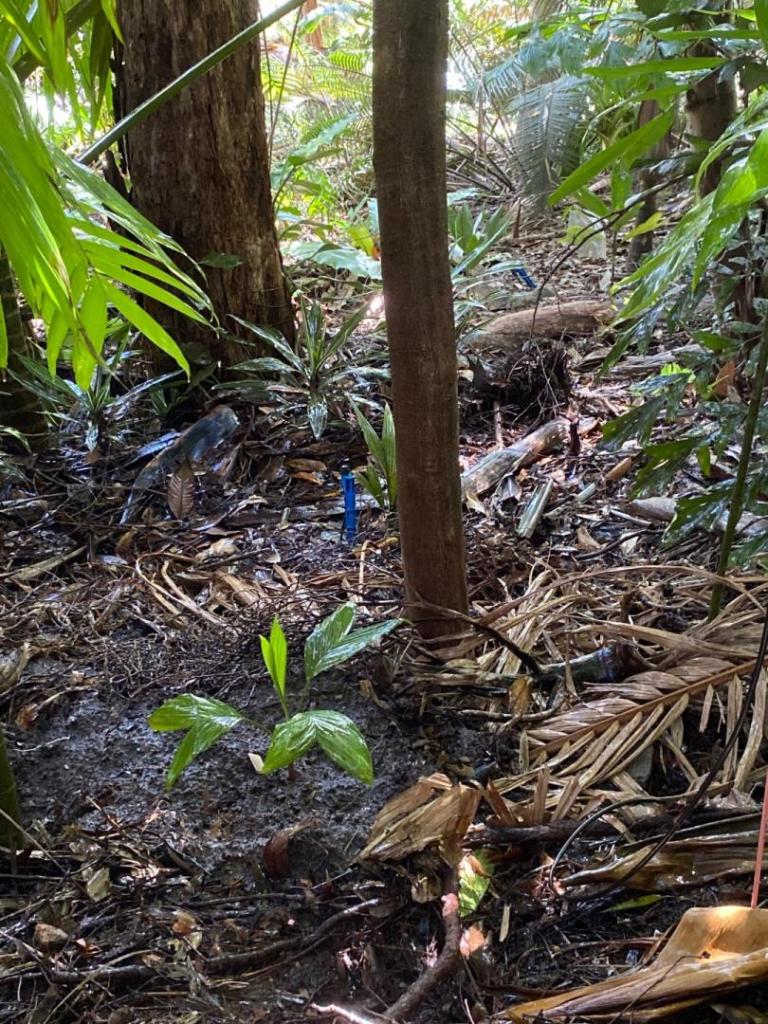
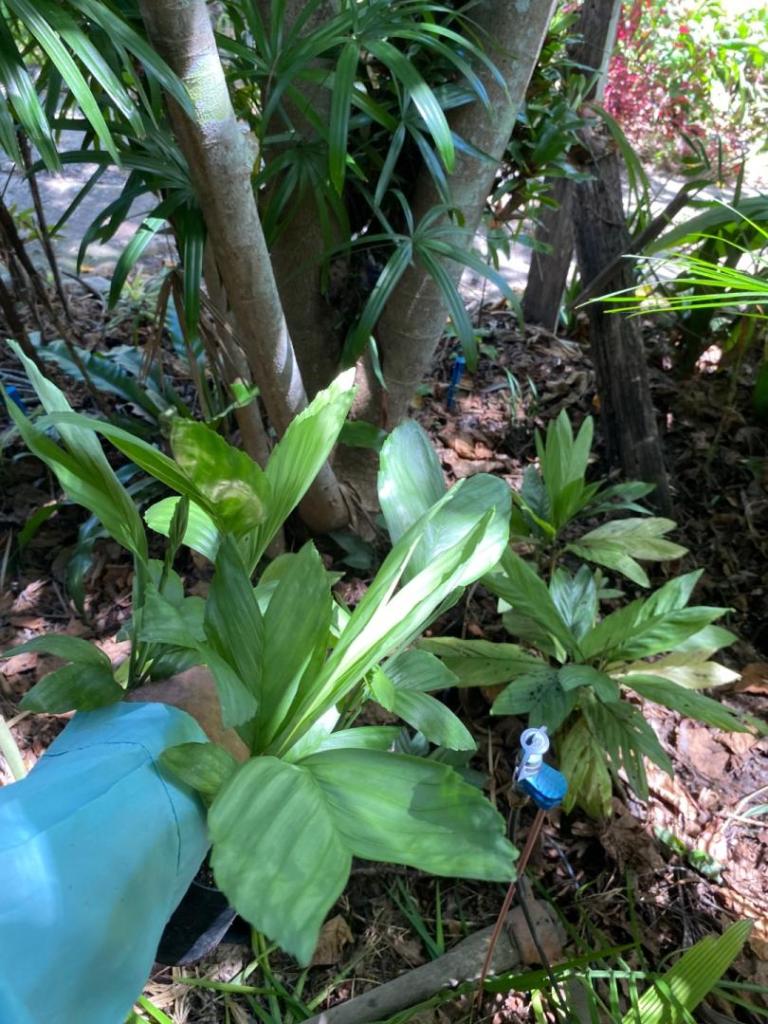
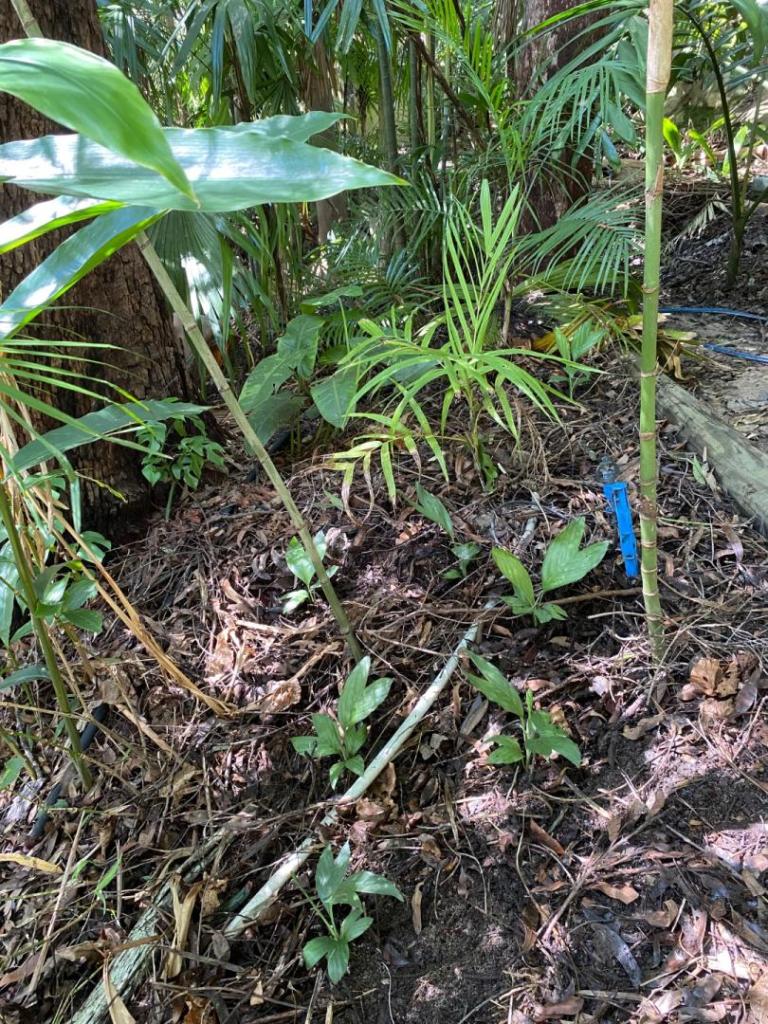
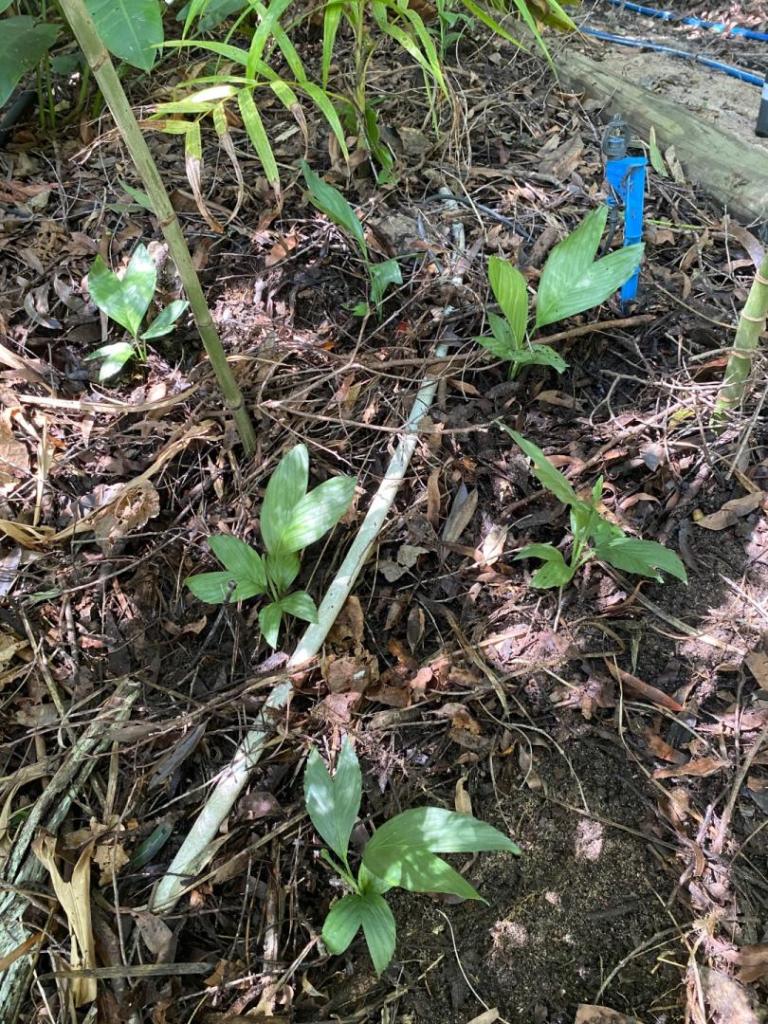
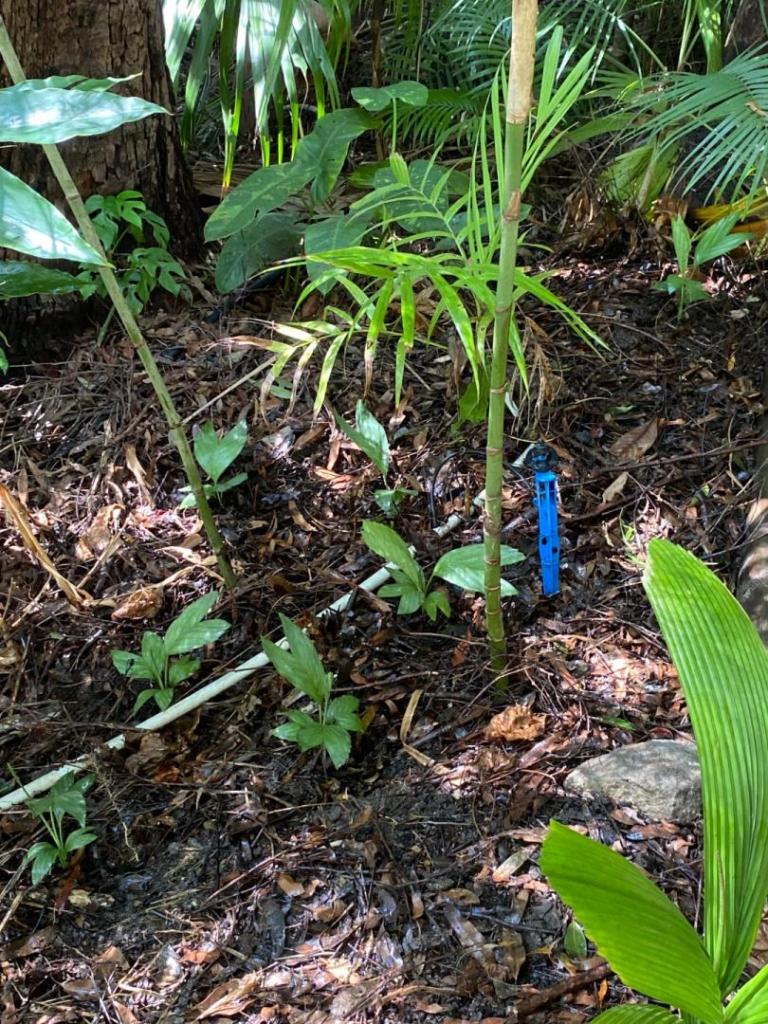
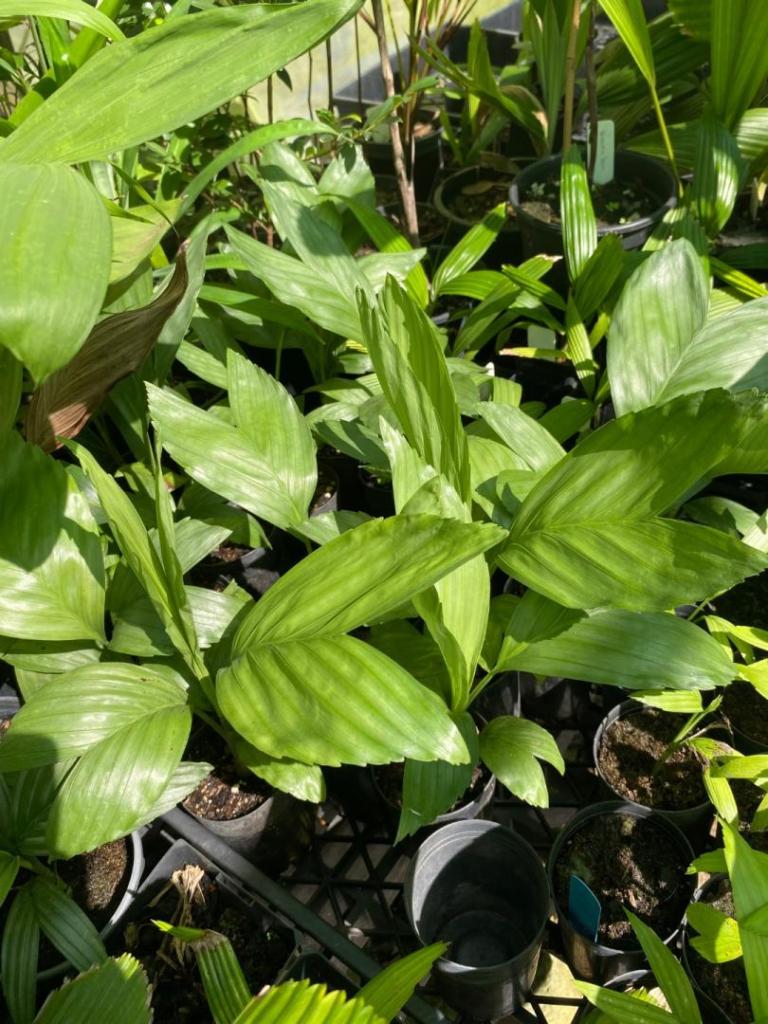
A couple nice chamaedorea varieties for the understory and group plantings. Nubium is a new variety in the collection with none in the garden except this one today. Metallica grow well and a lot more will be planted in the garden in group plantings over the next couple of seasons. Also a couple of mystery Chams went in just for fun to be identified later on. I have about another 300 chamaedoreas of different species to go in the garden somewhere!




 1 point
 -
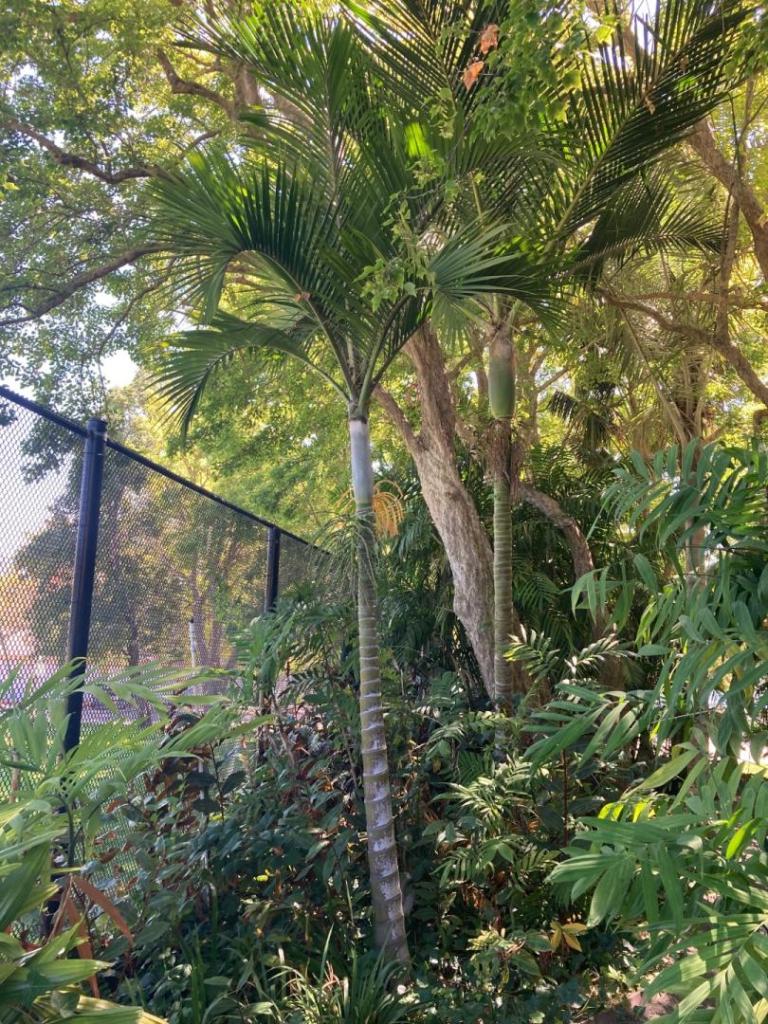
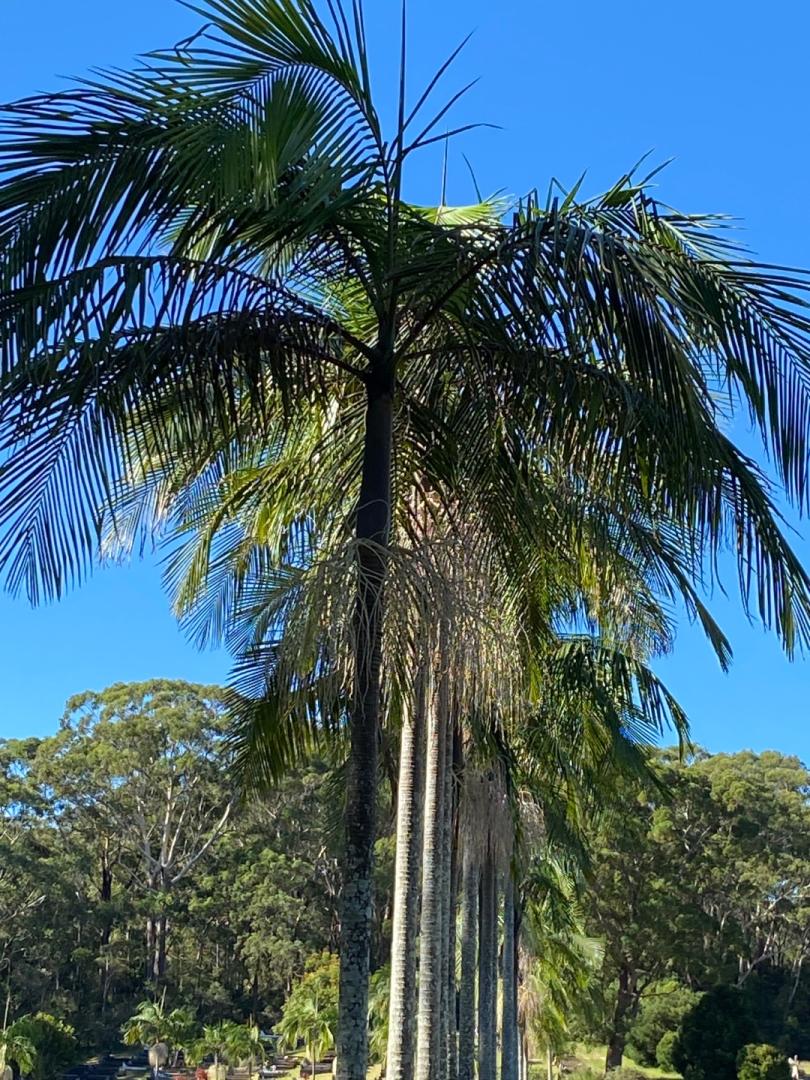
This is a tall Hedyscepe around 9 or 10 ft tall which is located in the Oakland Palmetum, California. I’m not sure if this palm was planted in early 1990’s. I doubt it was planted in 1984, I helped plant some of the original palms when I joined the IPS in 1984, but I can’t remember this palm. I’m sure my friend, Darold Petty would know.
 1 point
 -
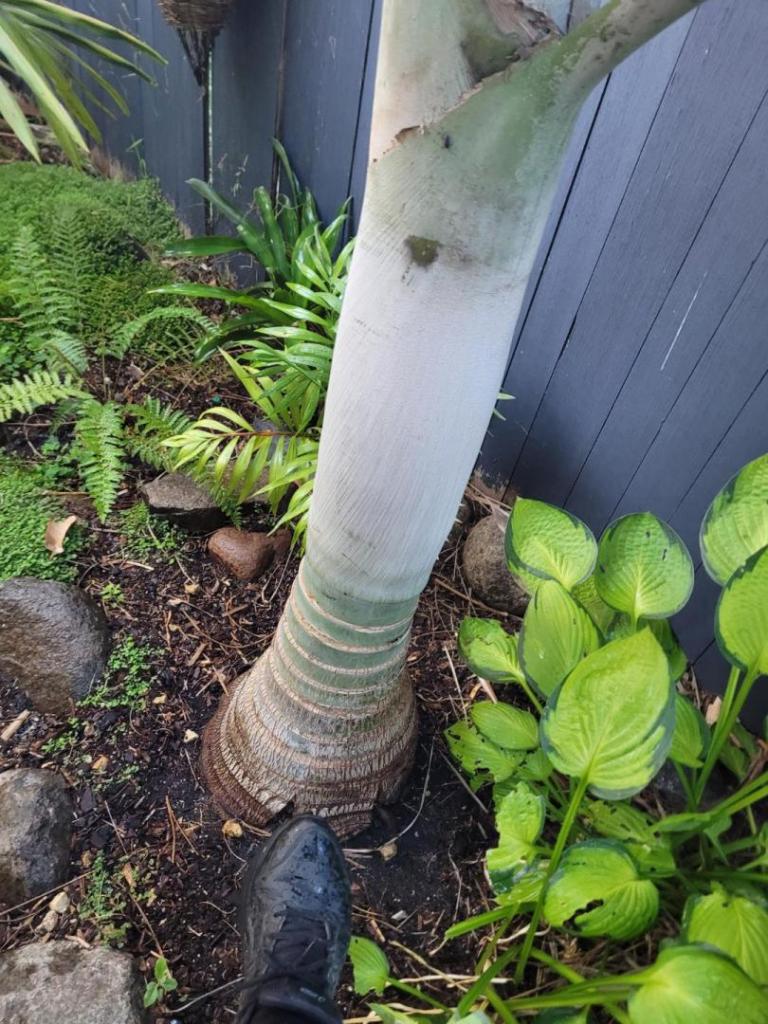
This years summer was a bit harsh on my largest Hedyscepe, it got a bit sunburned. However my second largest here has performed like a champ and has 8 healthy green fronds.
 1 point
 -
Ok... so for all 3 trial I used 75% perlite and 25% MG Sphagnum Peat Moss. Temps were consistent for all 3 trials. 82 to 84°F at 9 AM, 88 to 90°F at 1 PM, and 70 to 72°F at 6 PM. All seeds were cleaned and treated with 3% H2O2 and diluted fungicide for 24hrs then allowed to dry. Trial one: This trial functioned as my control for the experiment. Seeds were soaked as is in deionized H2Owith diluted nutrient mixture for 48 hrs and then placed in germination box. Boxes were sprayed with diluted fungicide periodically as soil showed signs of surface drying. Trial two: Seeds were de-lidded and soaked in the deionized H2O with diluted nutrient mixture for 48 hrs and then placed in germination box. Boxes were sprayed with diluted fungicide periodically as soil showed signs of surface drying. Trial three: Seed was extracted from endocarp and operculum was removed using sterilized scalpel and magnifying glasses to promote imbibition and break embryo dormancy. Seeds were then soaked in the deionized H2O with diluted nutrient mixture and GA3 100PPM for 48 hrs and then placed in germination box. Boxes were sprayed with diluted fungicide periodically as soil showed signs of surface drying. Results at 30 days: Trial one yielded 0% germination. Trial two yielded 10% germination. Trial three yielded 90% germination. Results at 60 days: Trial one yielded 5% germination. Trial two yielded 30% germination. Trial three yielded 90% germination. (No further germination occurred and remaining seed had succumb to fungal attack) Results at 90 days: Trial one yielded 5% germination. Trial two yielded 55% germination. At this point remaining ungerminated seeds were removed and cleaned with H2O2. They were then allowed to dry for 3 days before removing endocarp. 60% of remaining seeds were still viable and 40% were in a state of decay. The remaining seeds were subjected to identical process of trial three and showed 100% emission of cotyledon petiole within 24hrs. 30% loss of seedlings occurred with this batch after emission of root and leaf primordium due to fungal/bacterial attack. I hope this is helpful.1 point
-
Here is my largest Hedyscepe canturburyana. Germinated from seed in 2010

 1 point
























.thumb.JPG.75601e937a0f80f11a7fc62844daebbe.JPG)