Leaderboard
-

happypalms
IPS MEMBER827Points13,433Posts -


Harry’s Palms
IPS MEMBER240Points4,506Posts -

Tracy
IPS MEMBER151Points6,573Posts -

sonoranfans
IPS MEMBER105Points6,264Posts
Popular Content
Showing content with the highest reputation since 08/01/2026 in Posts
-
 14 points
 -
 11 points
 -
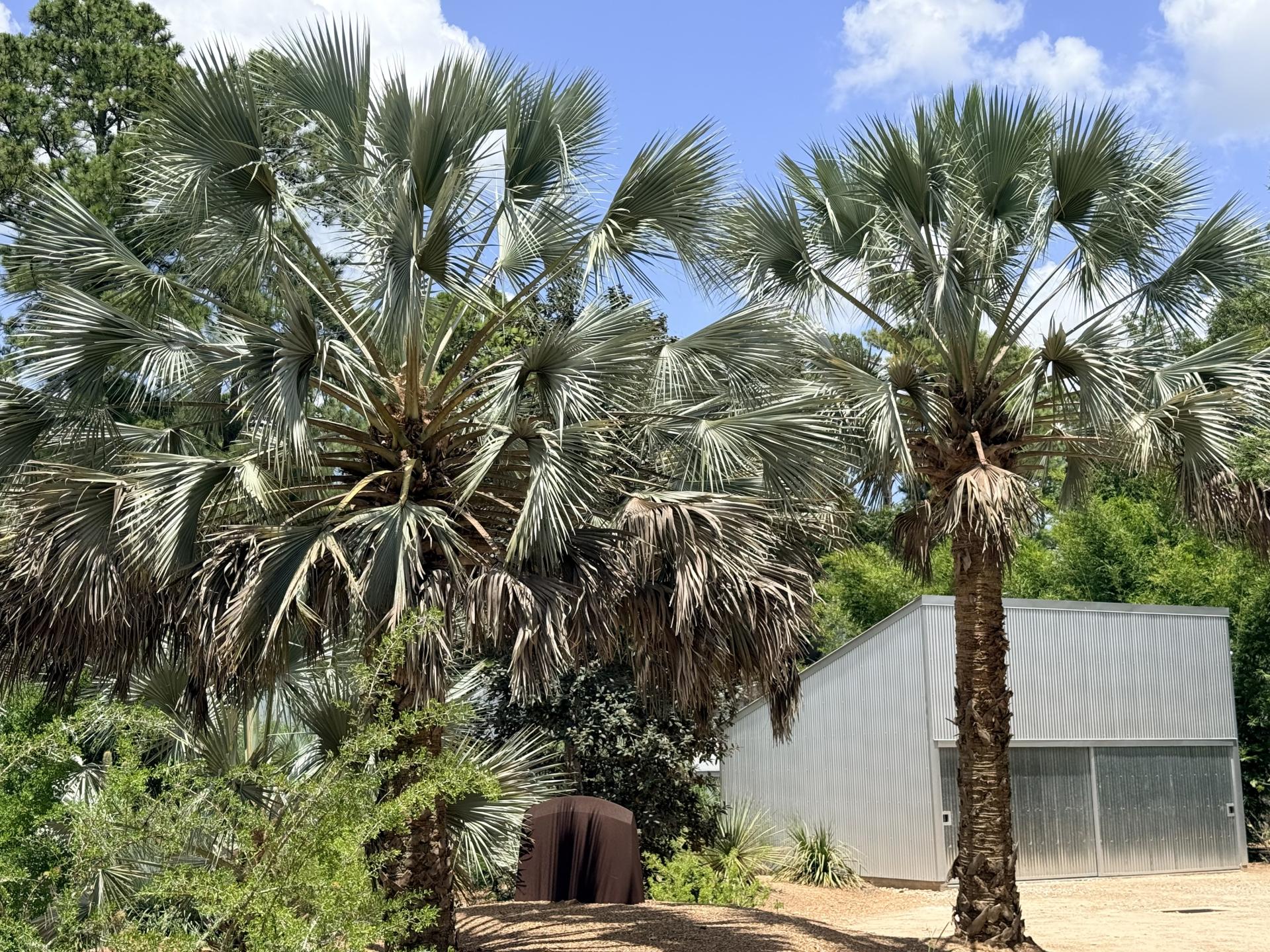
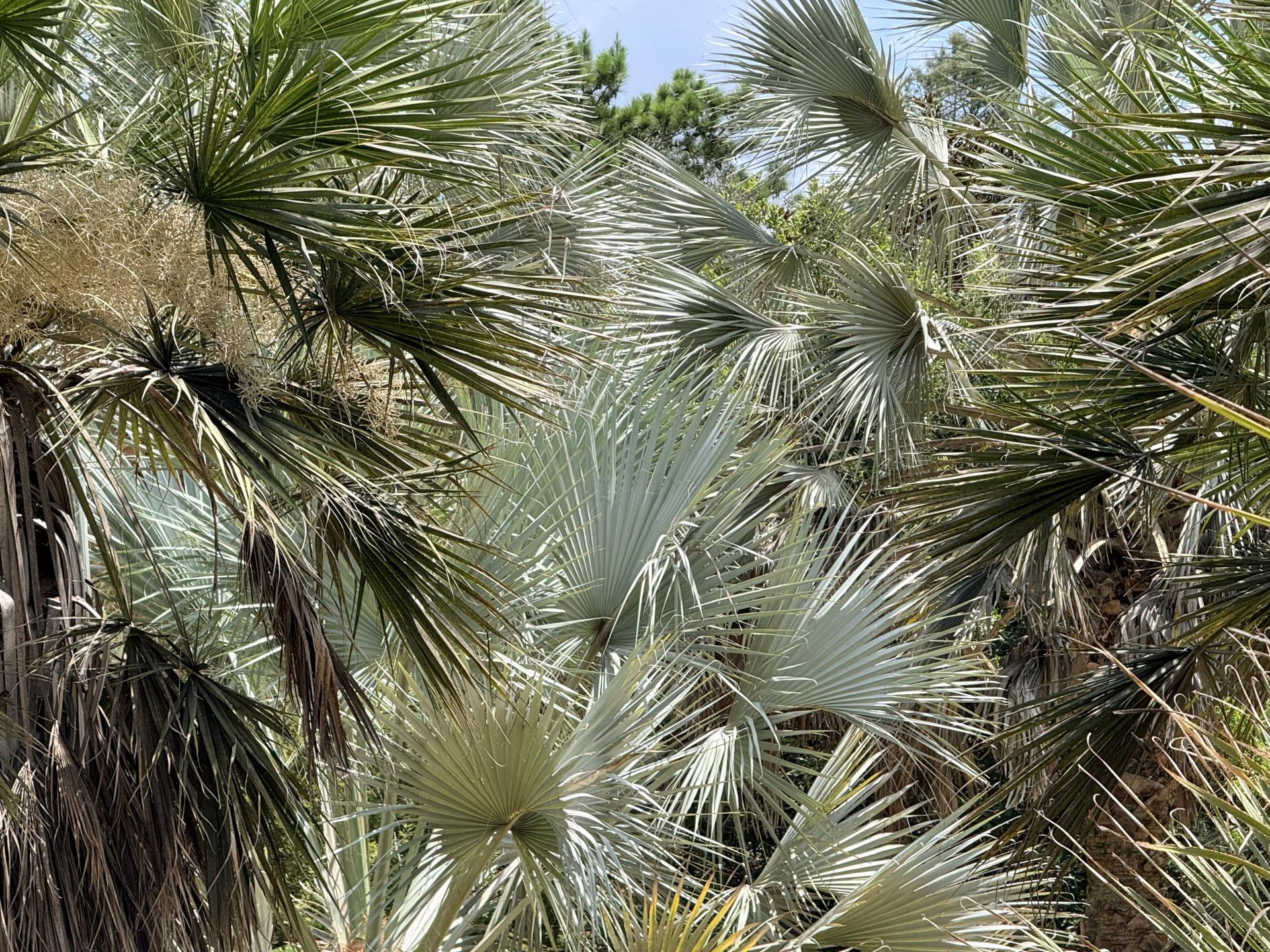
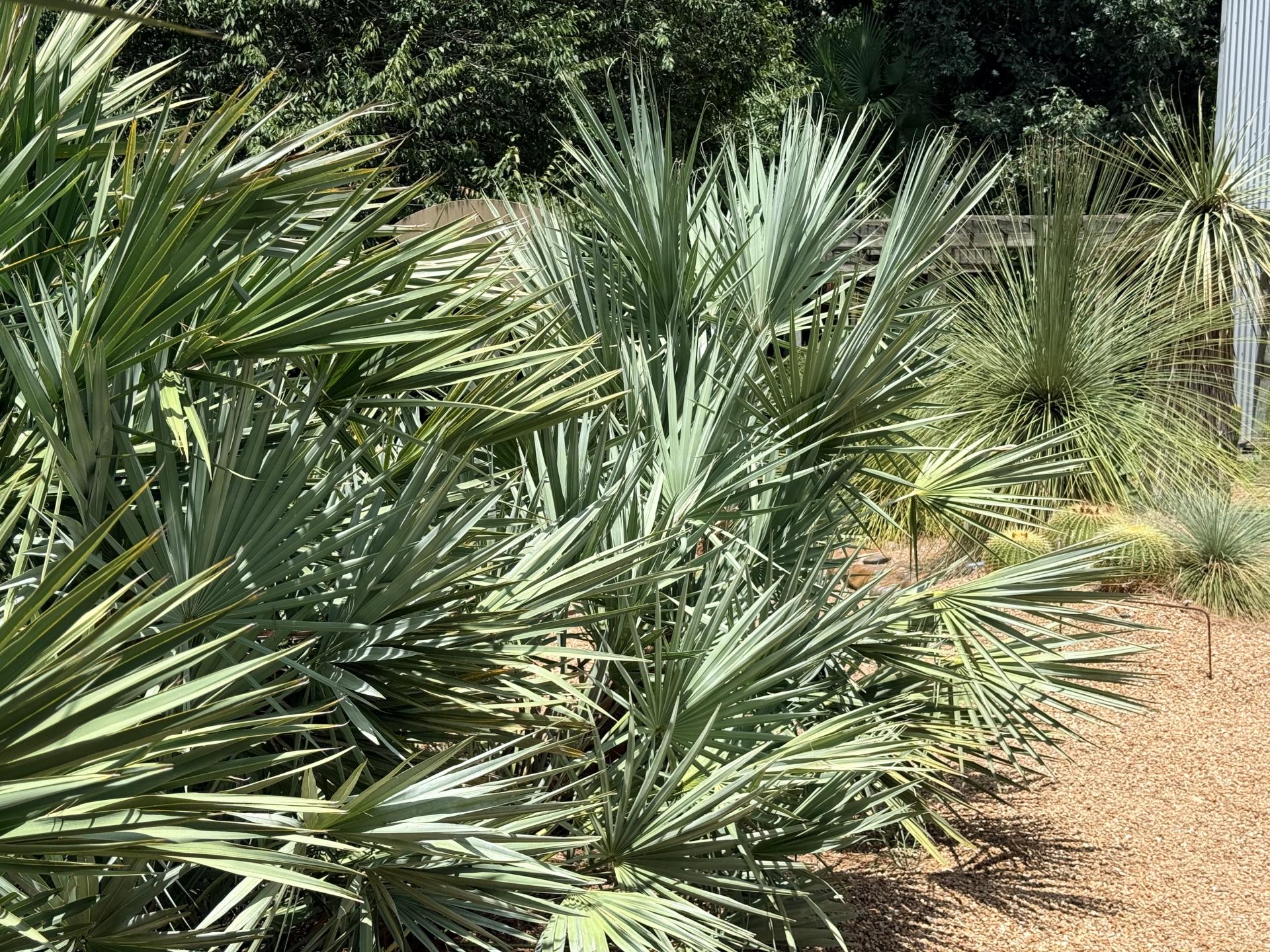
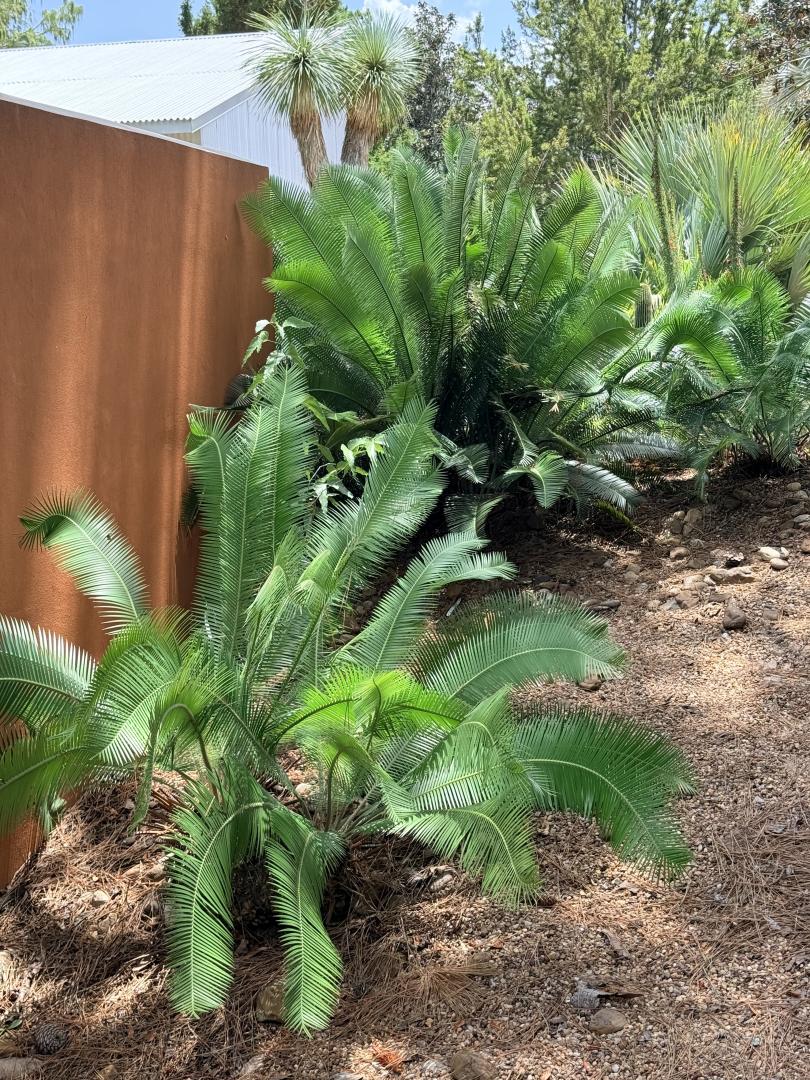
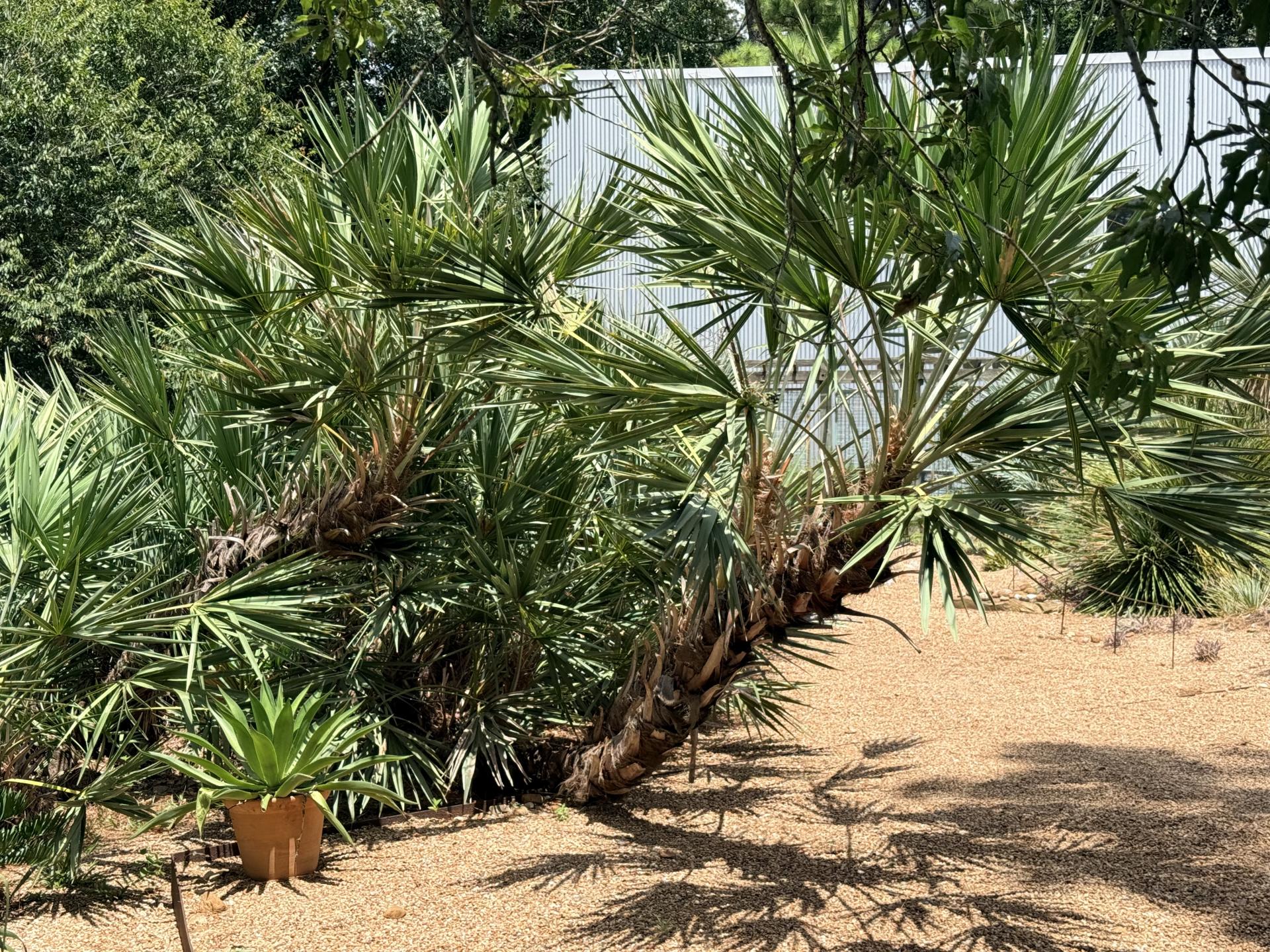
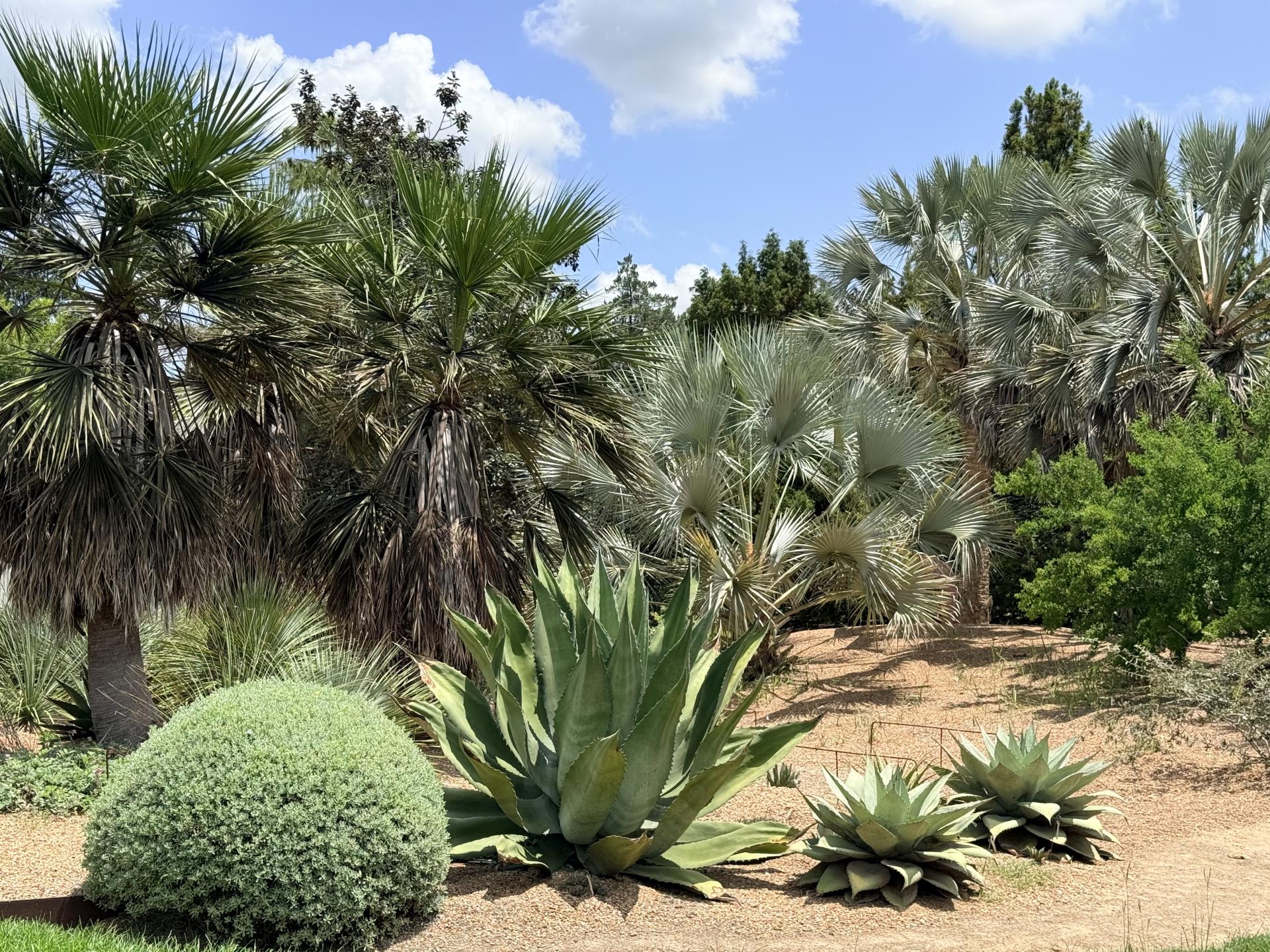
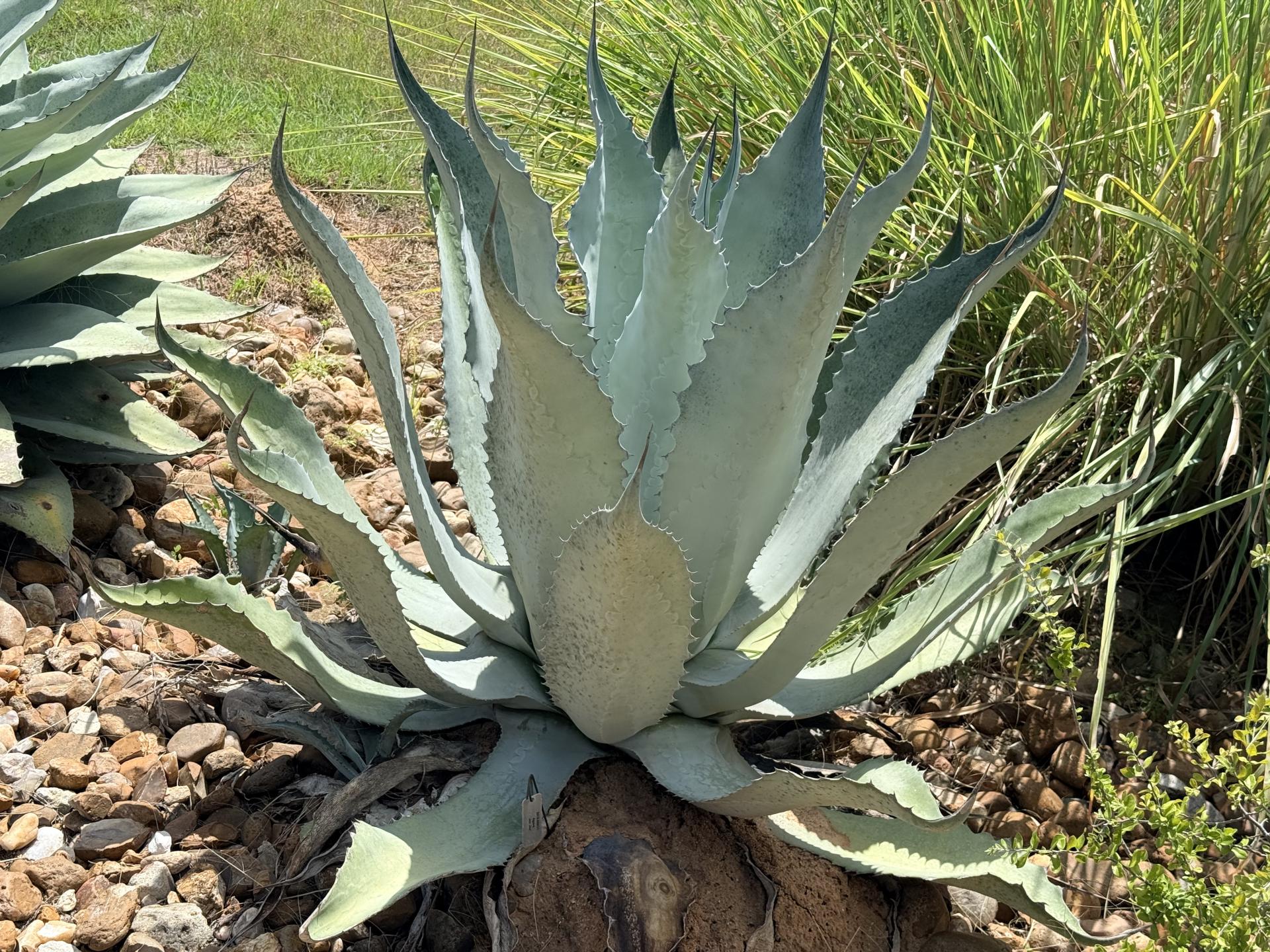
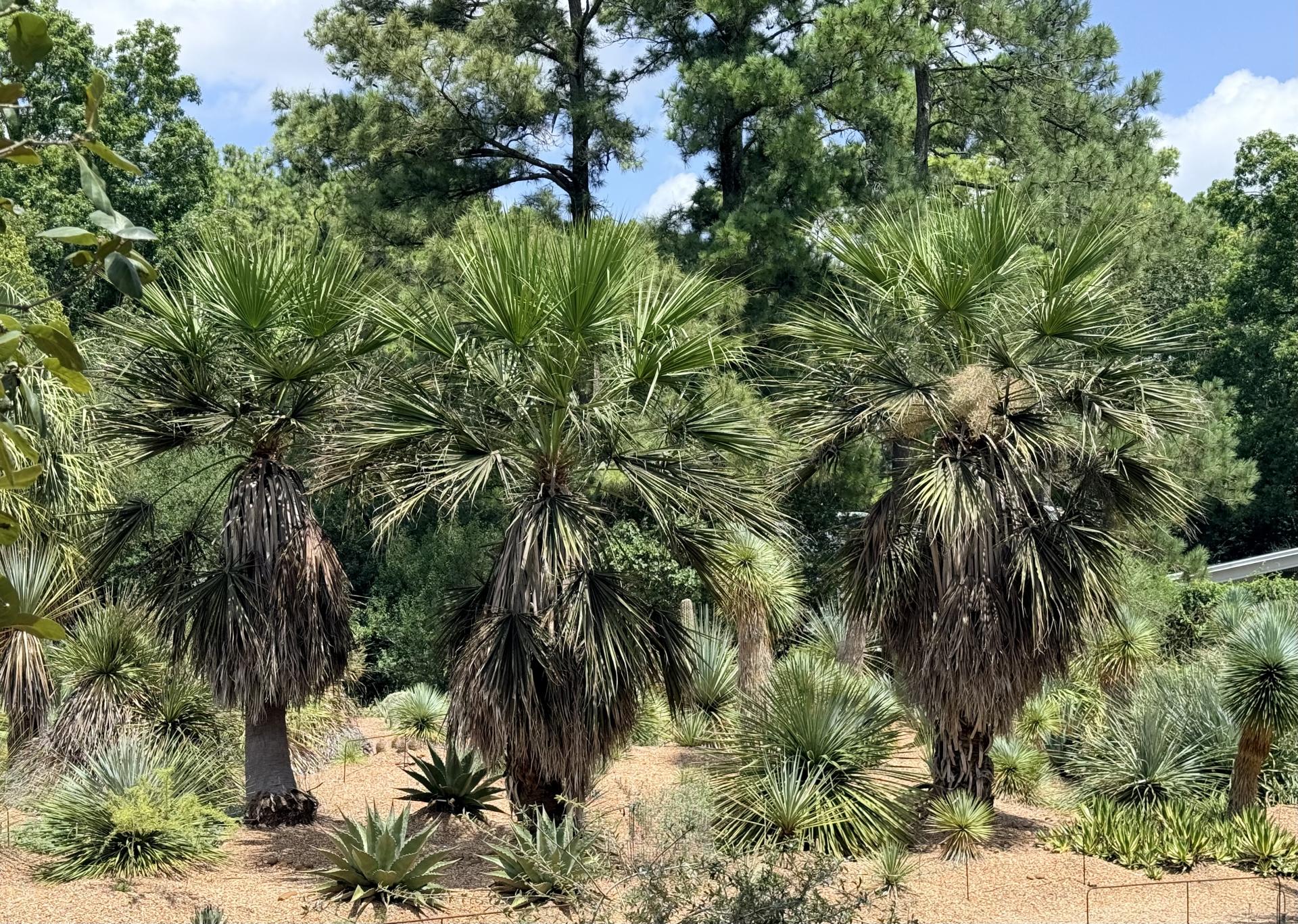
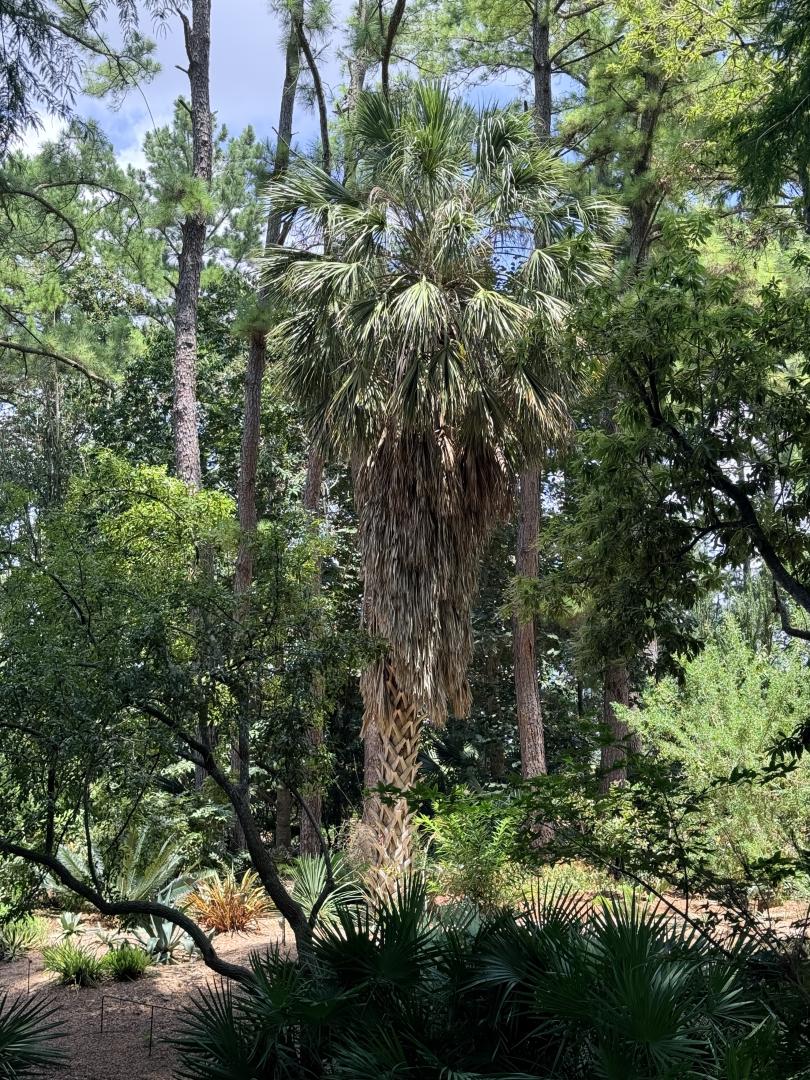
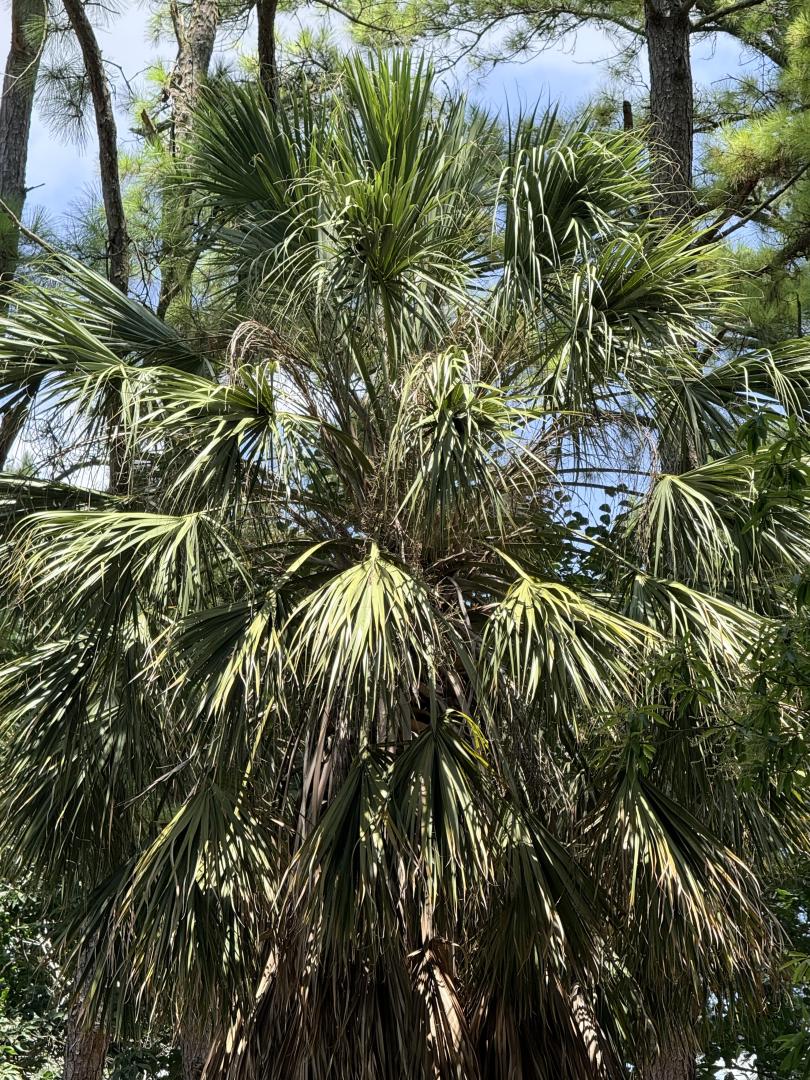
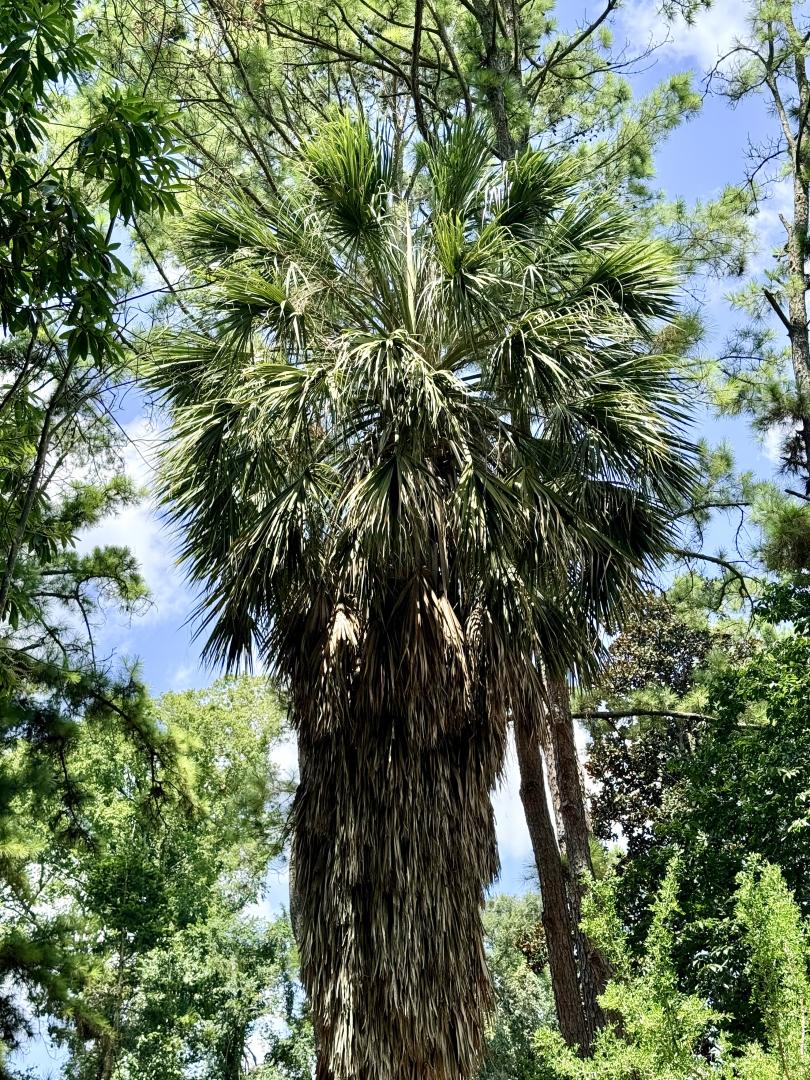
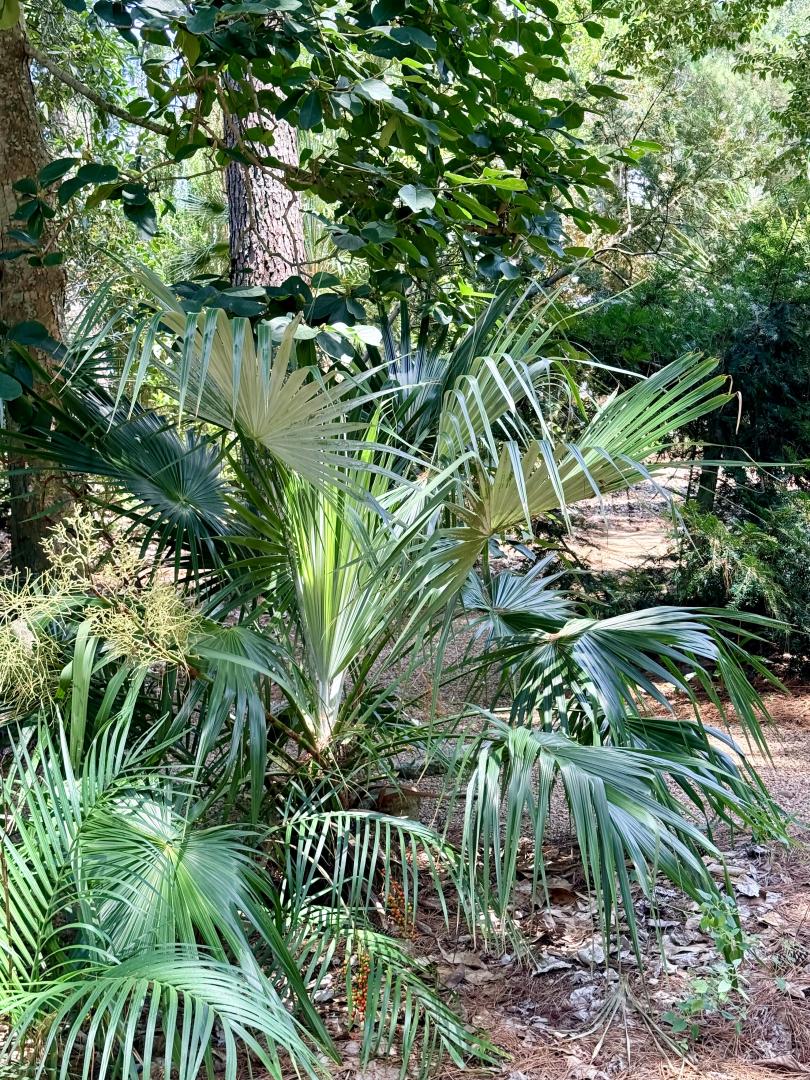
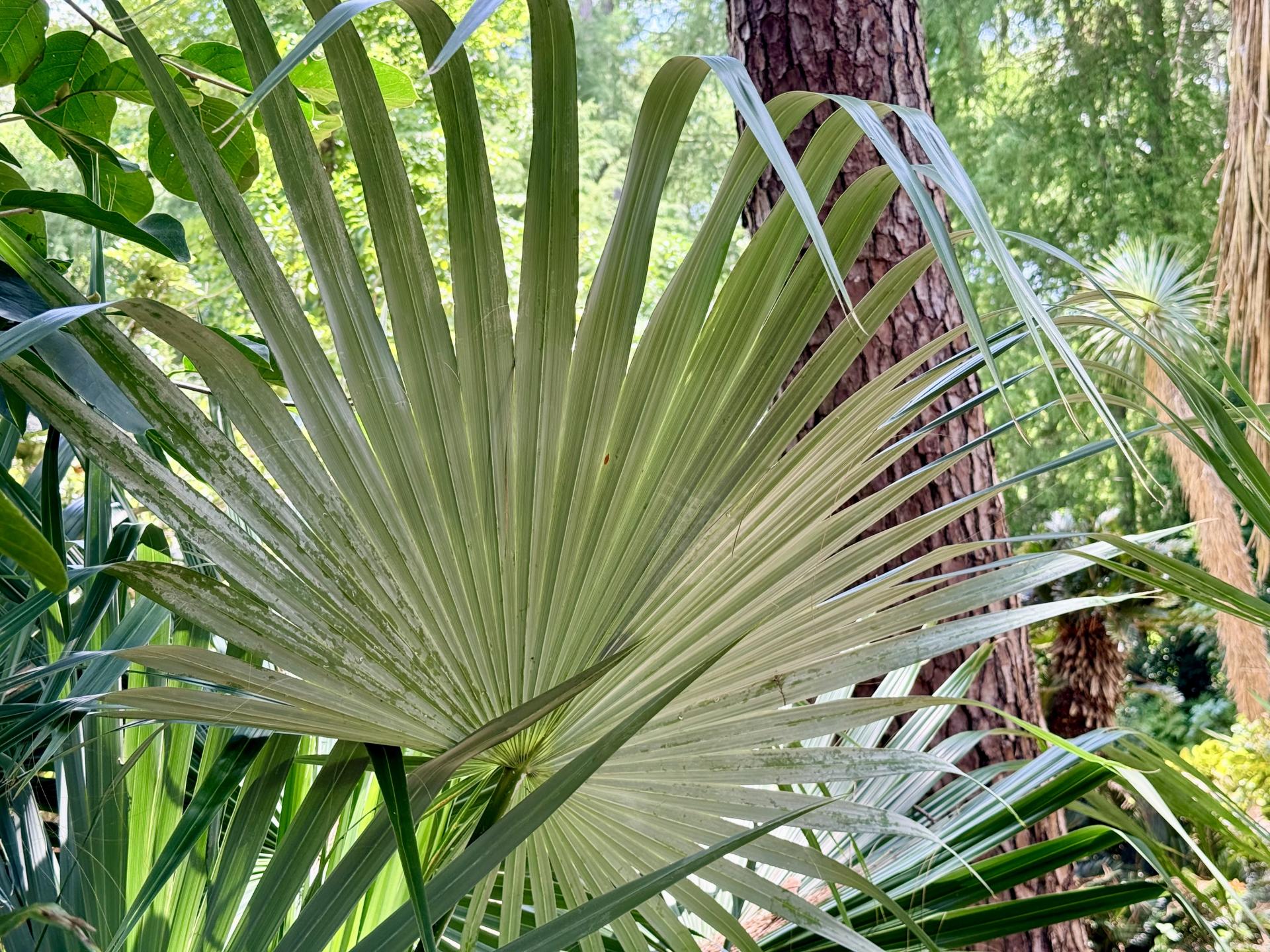
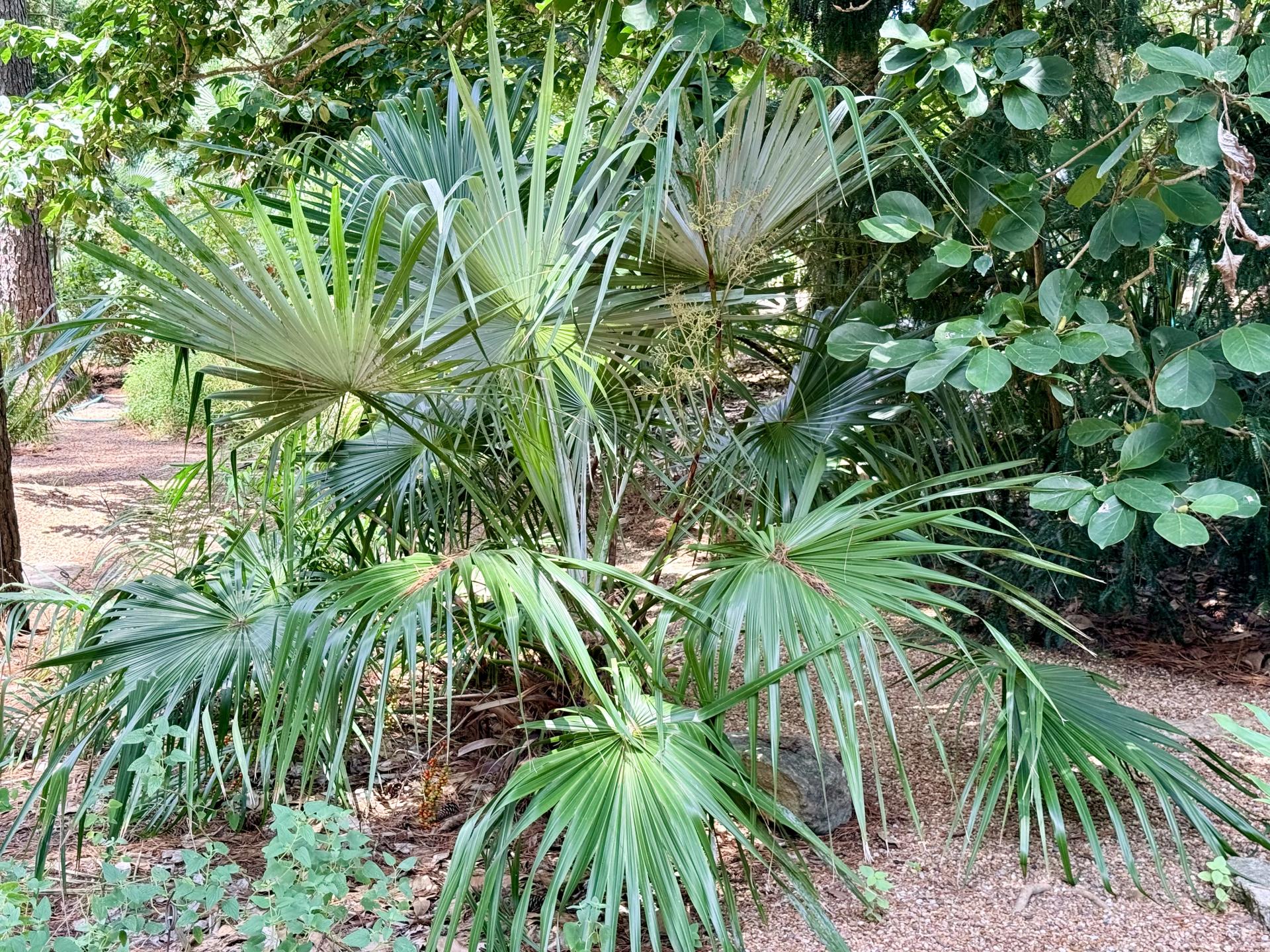
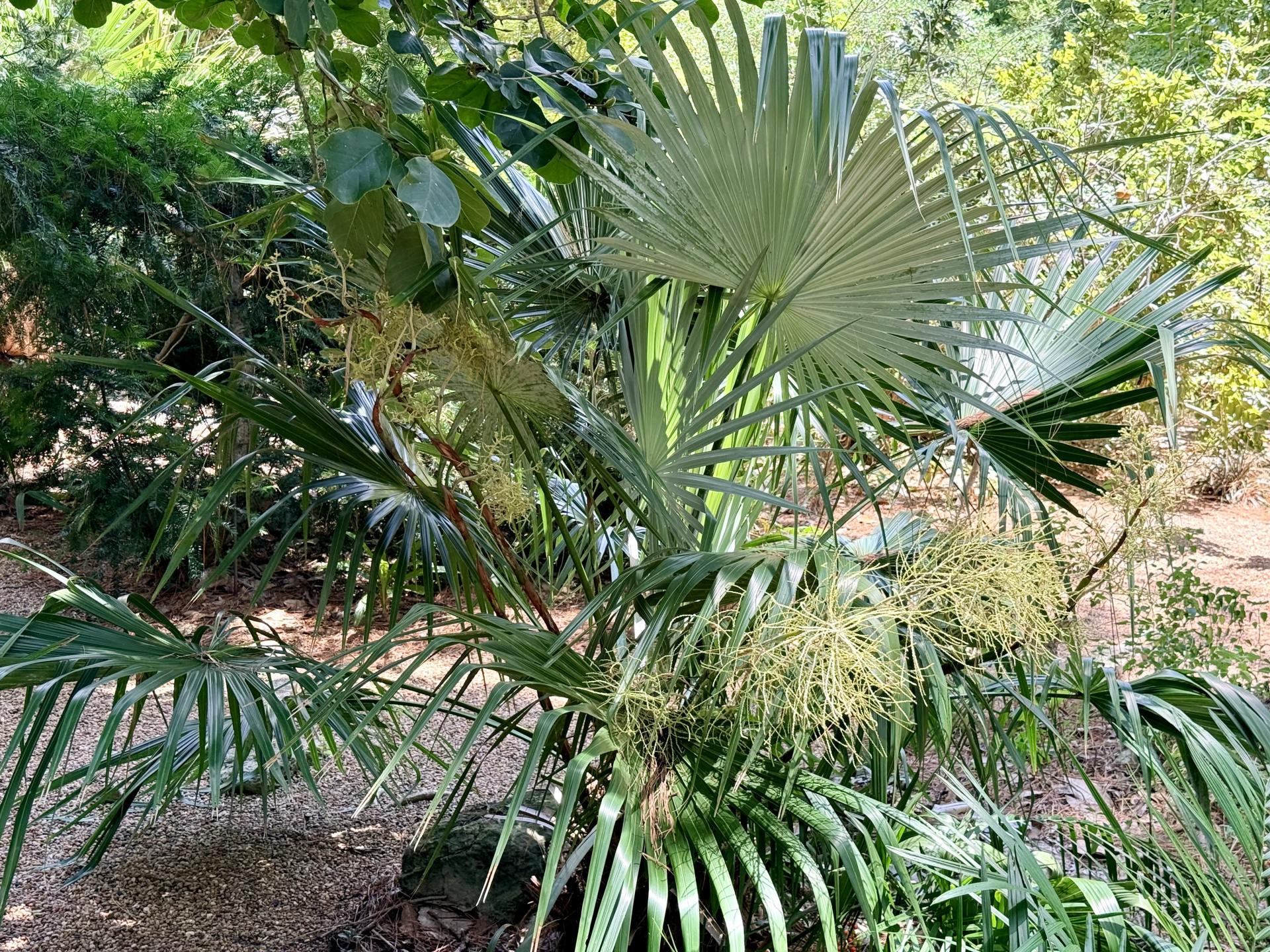
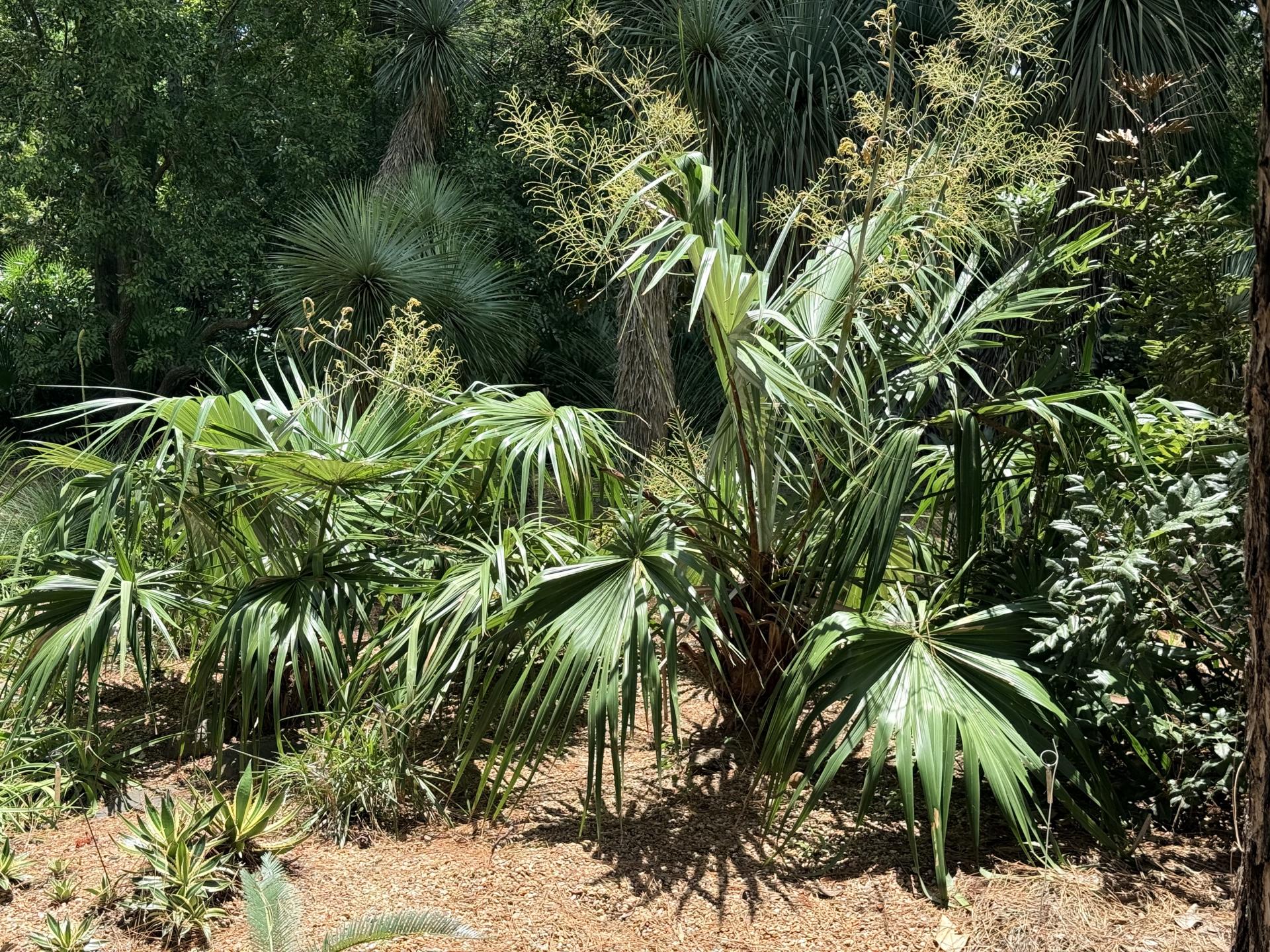
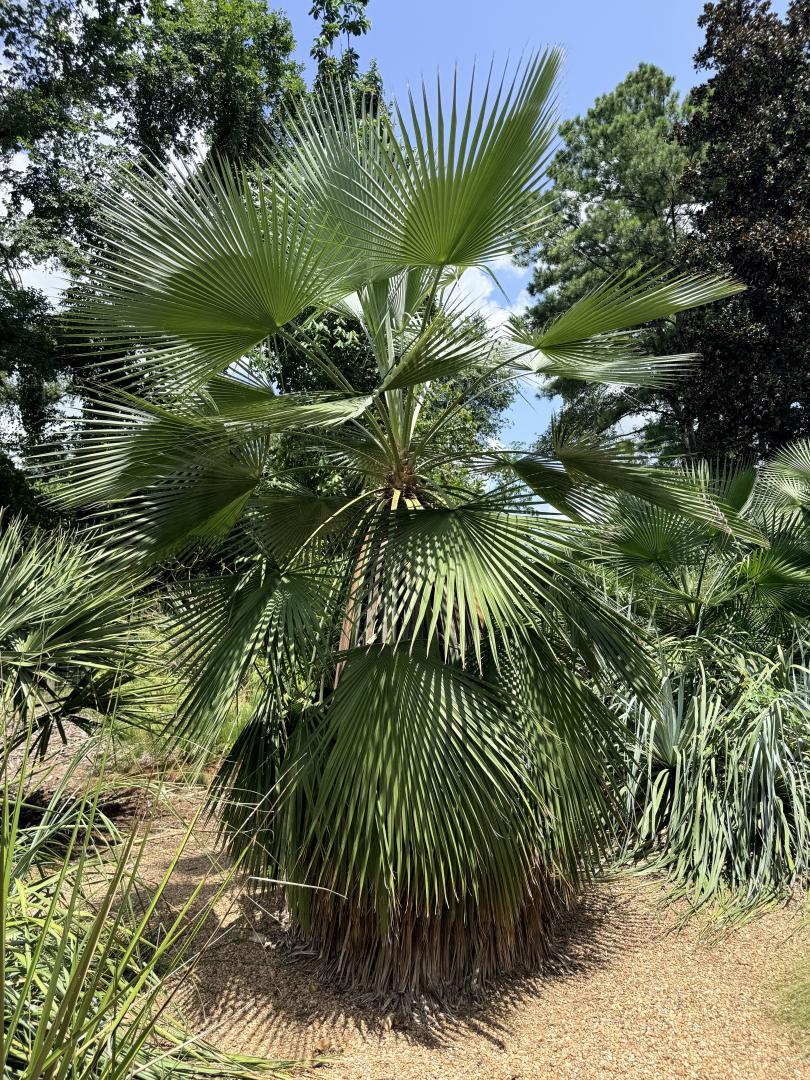
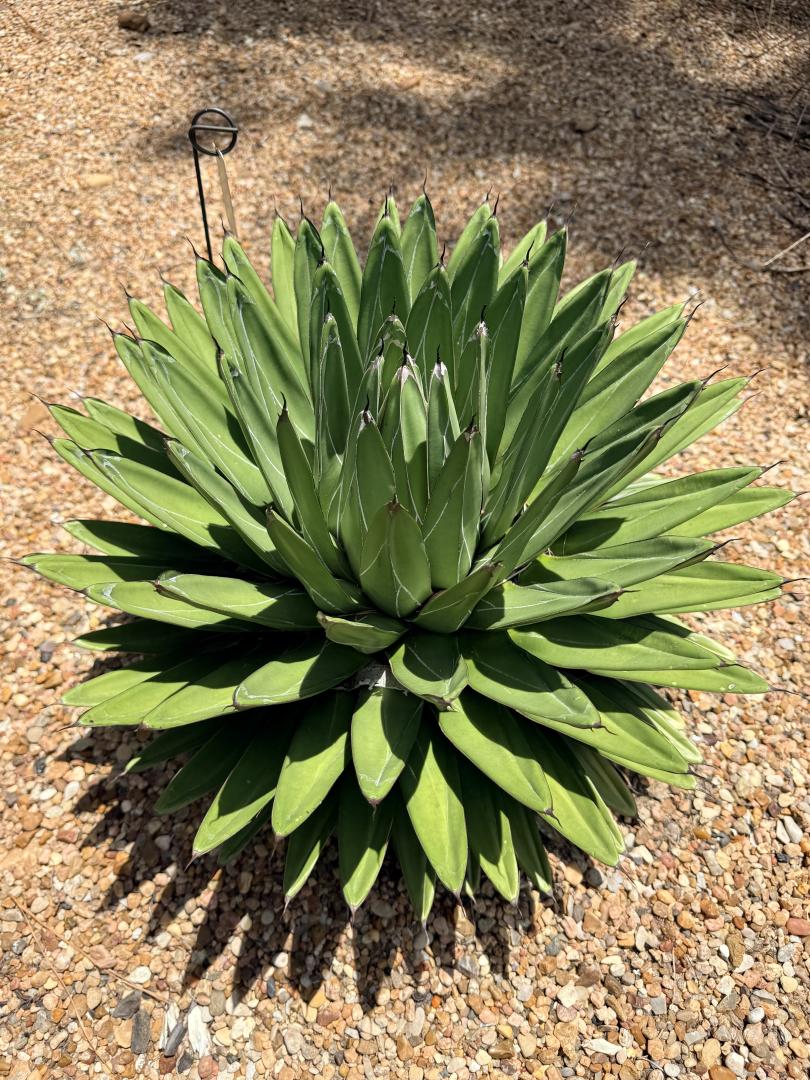
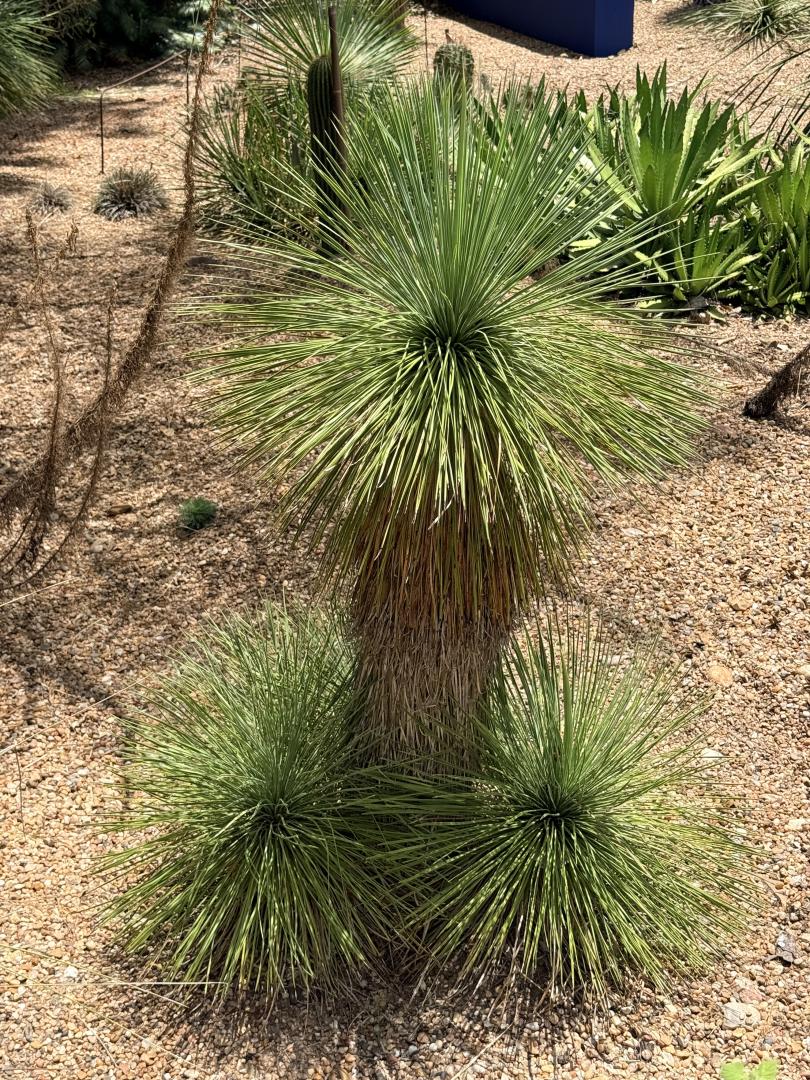
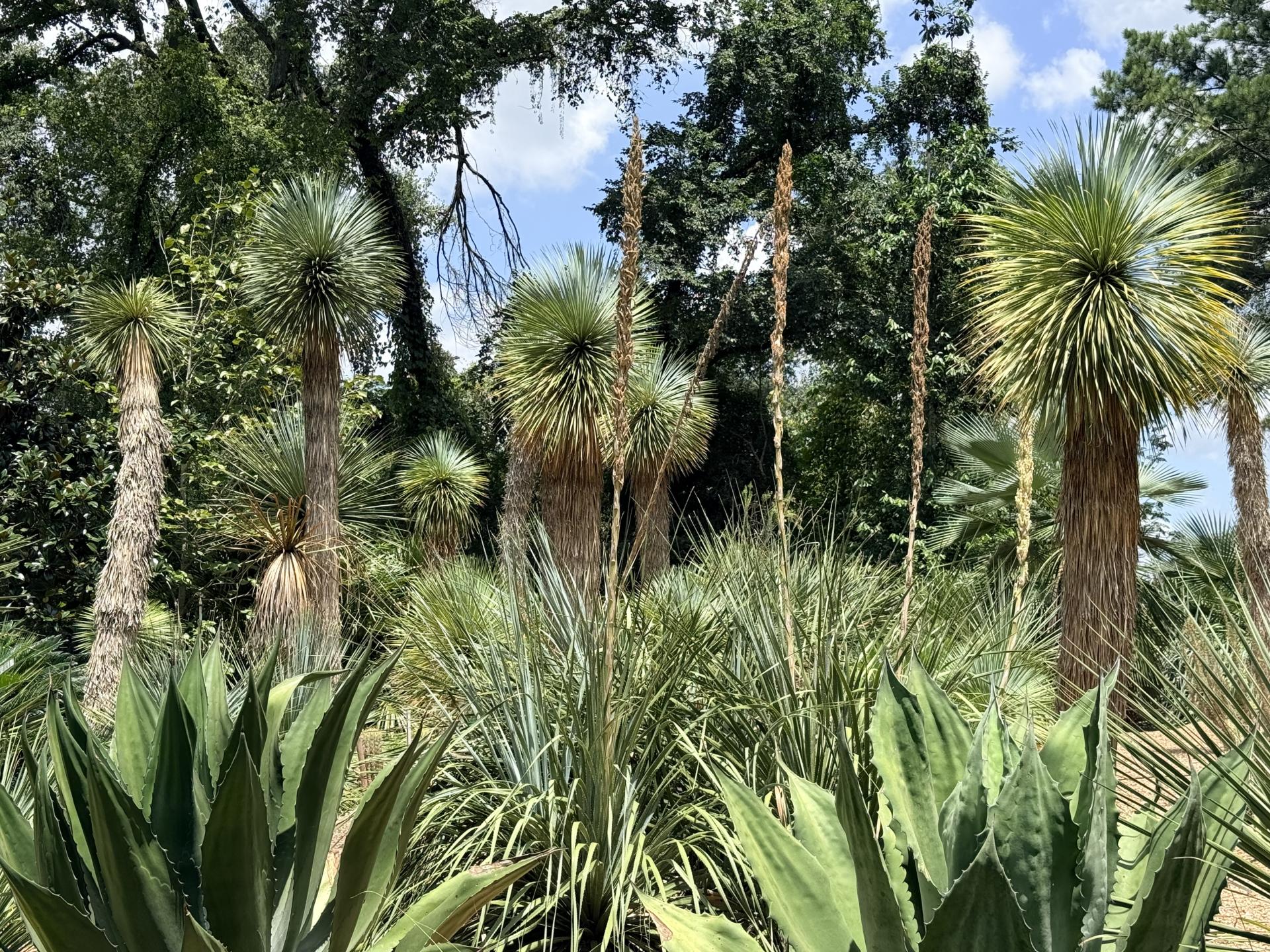
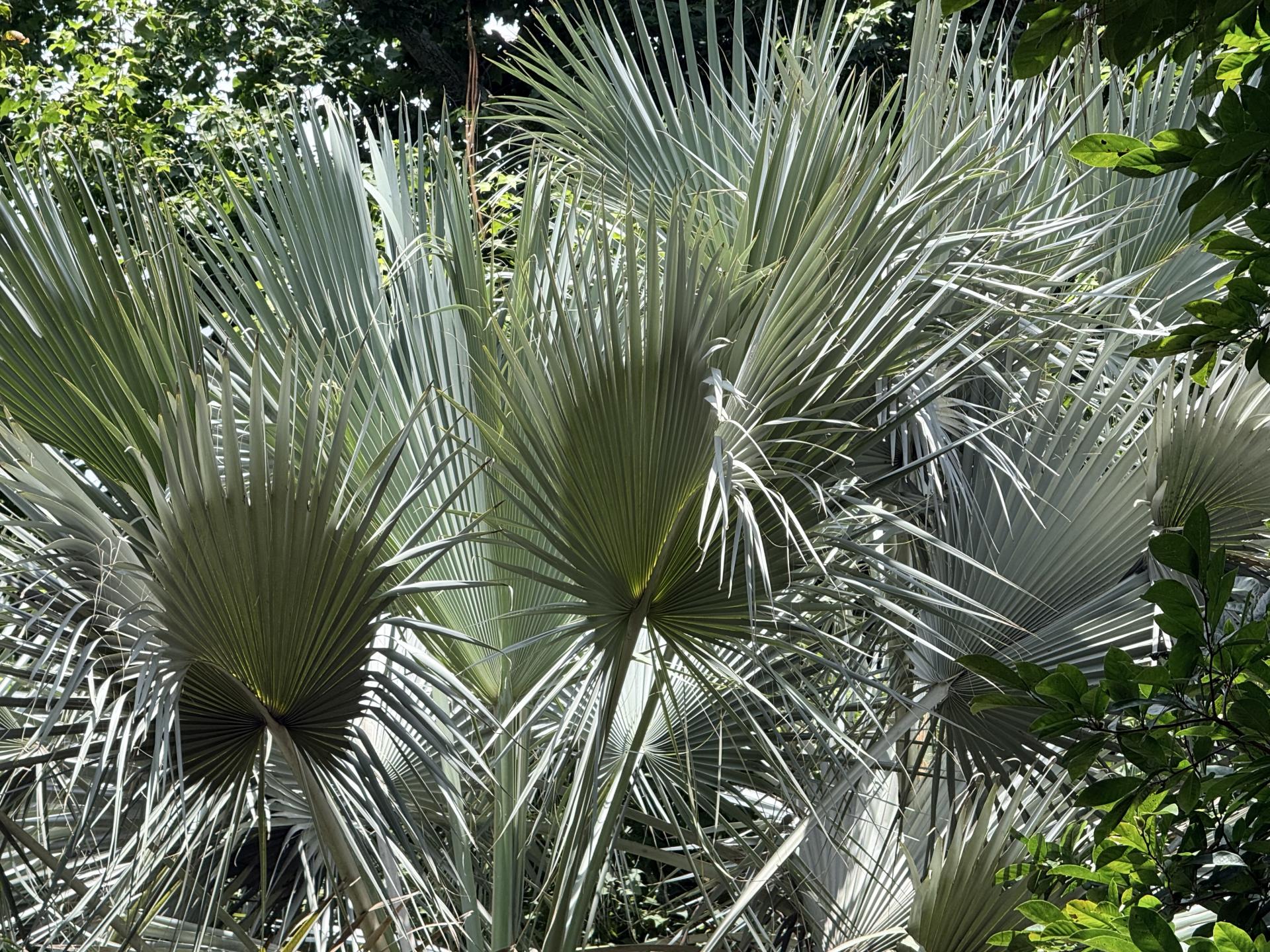
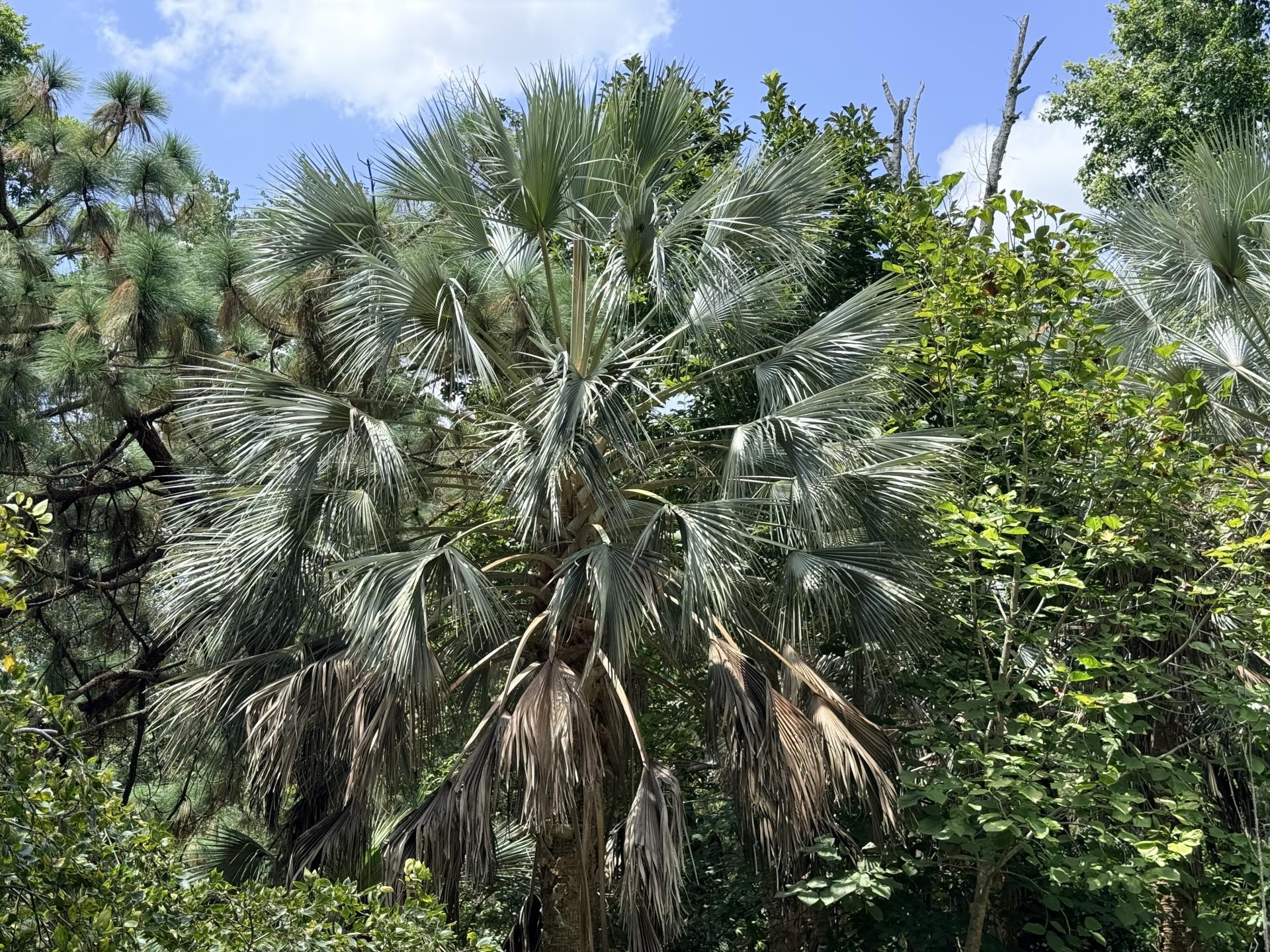
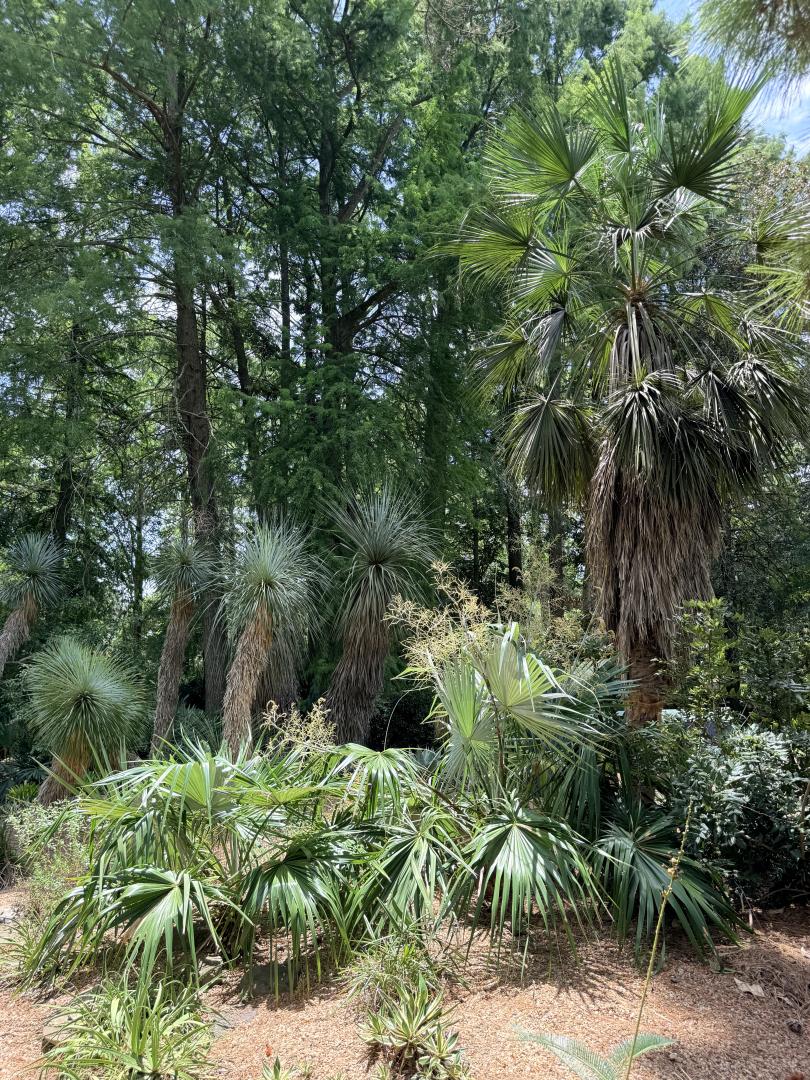
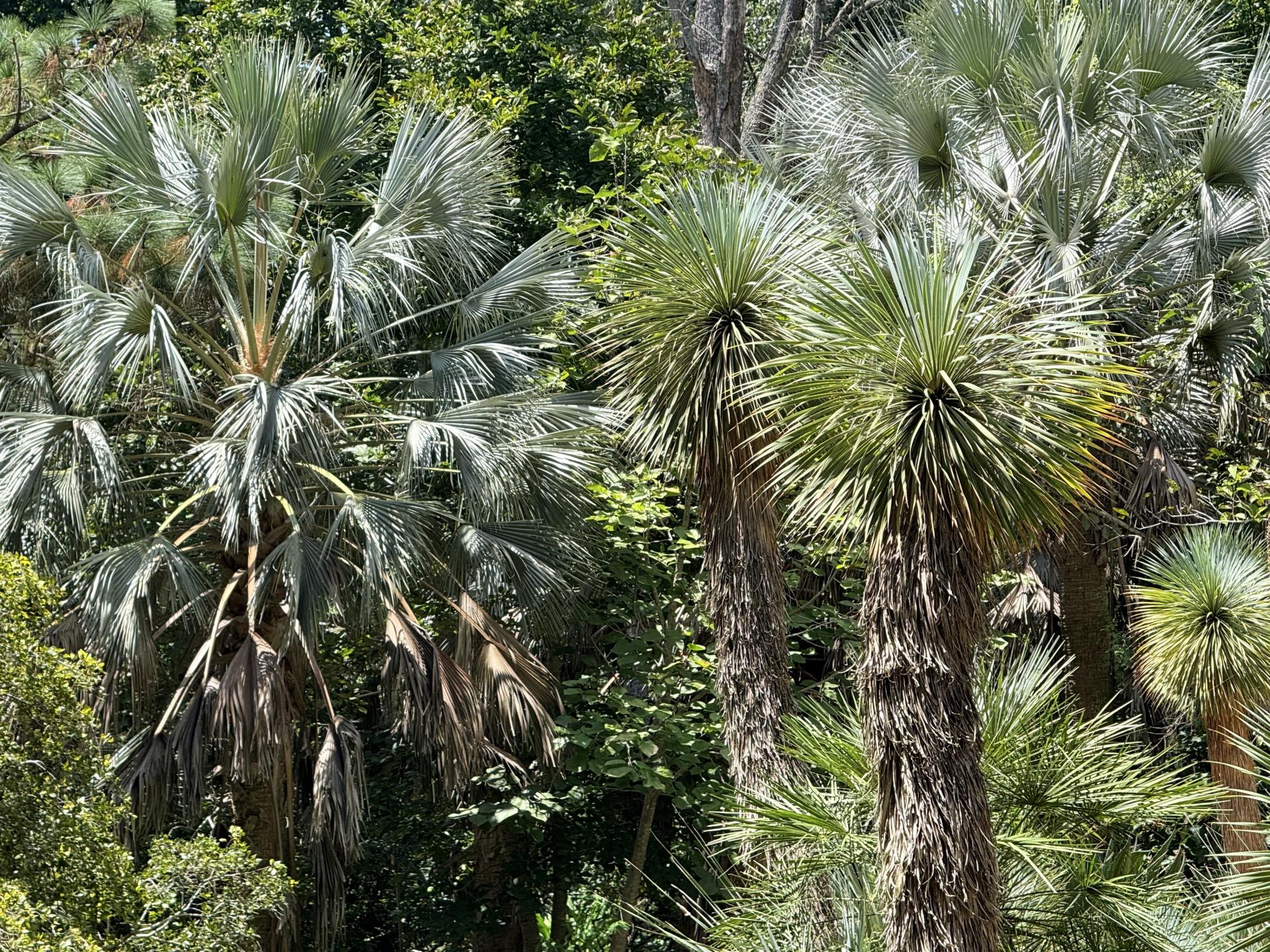
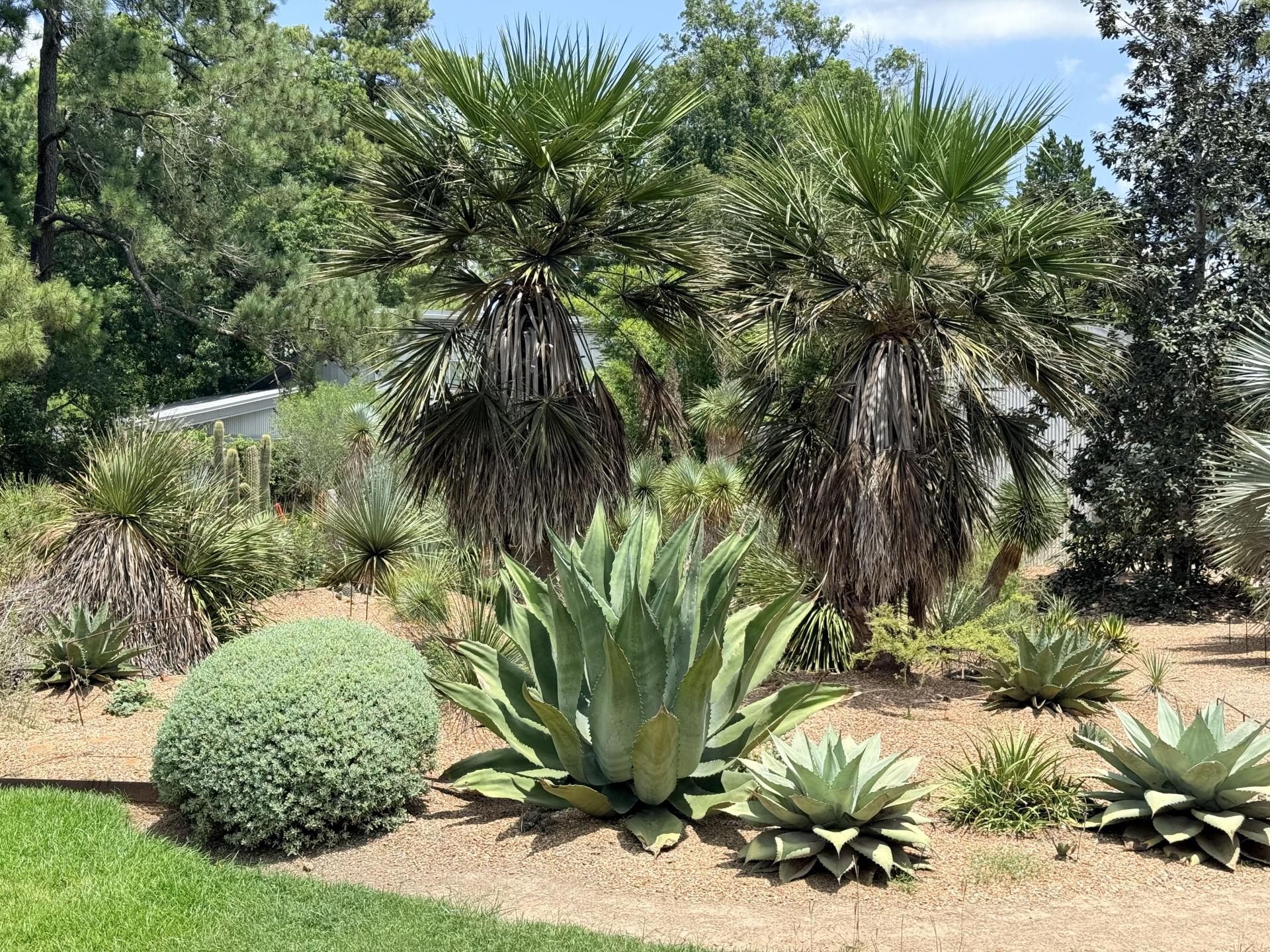
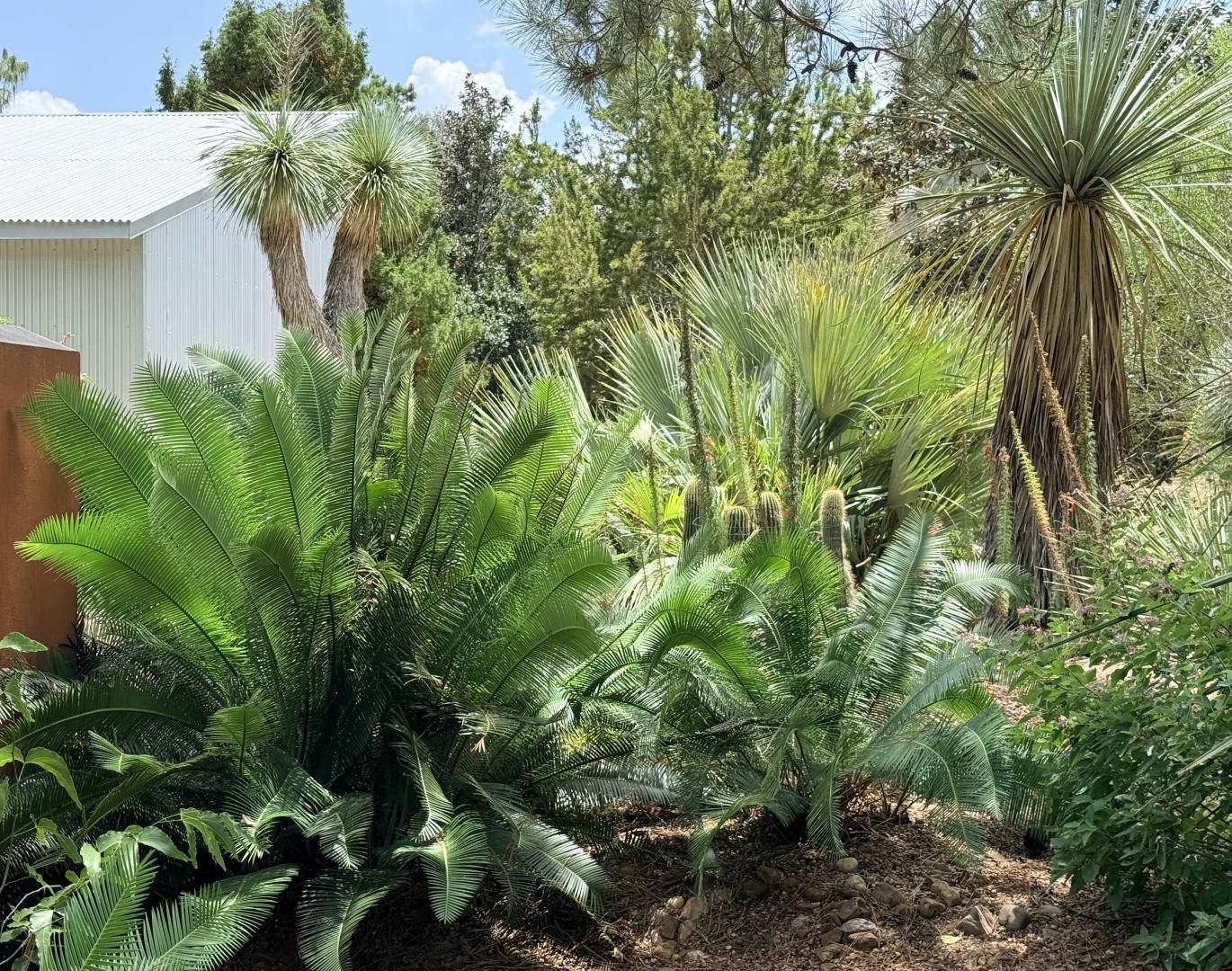
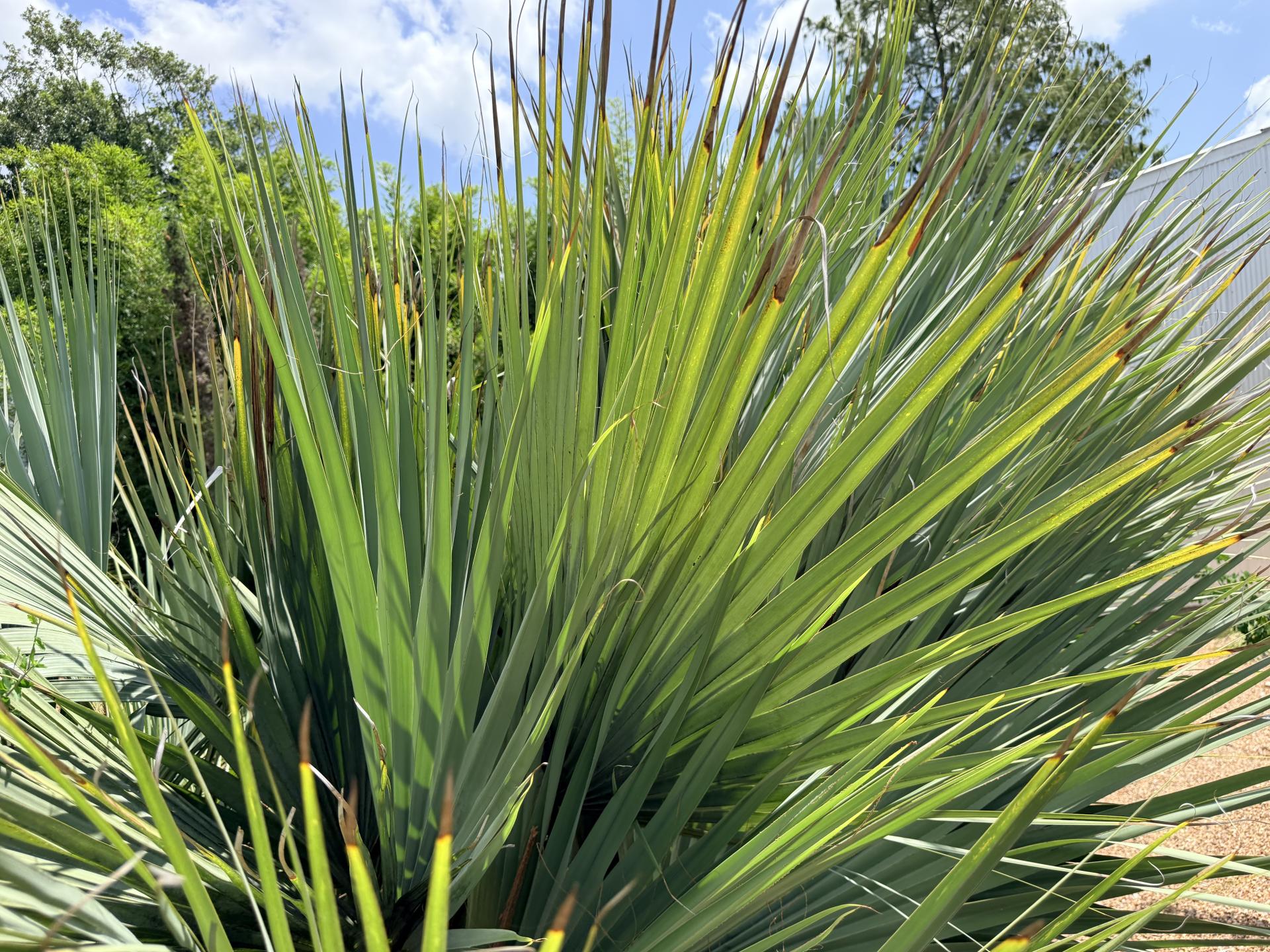
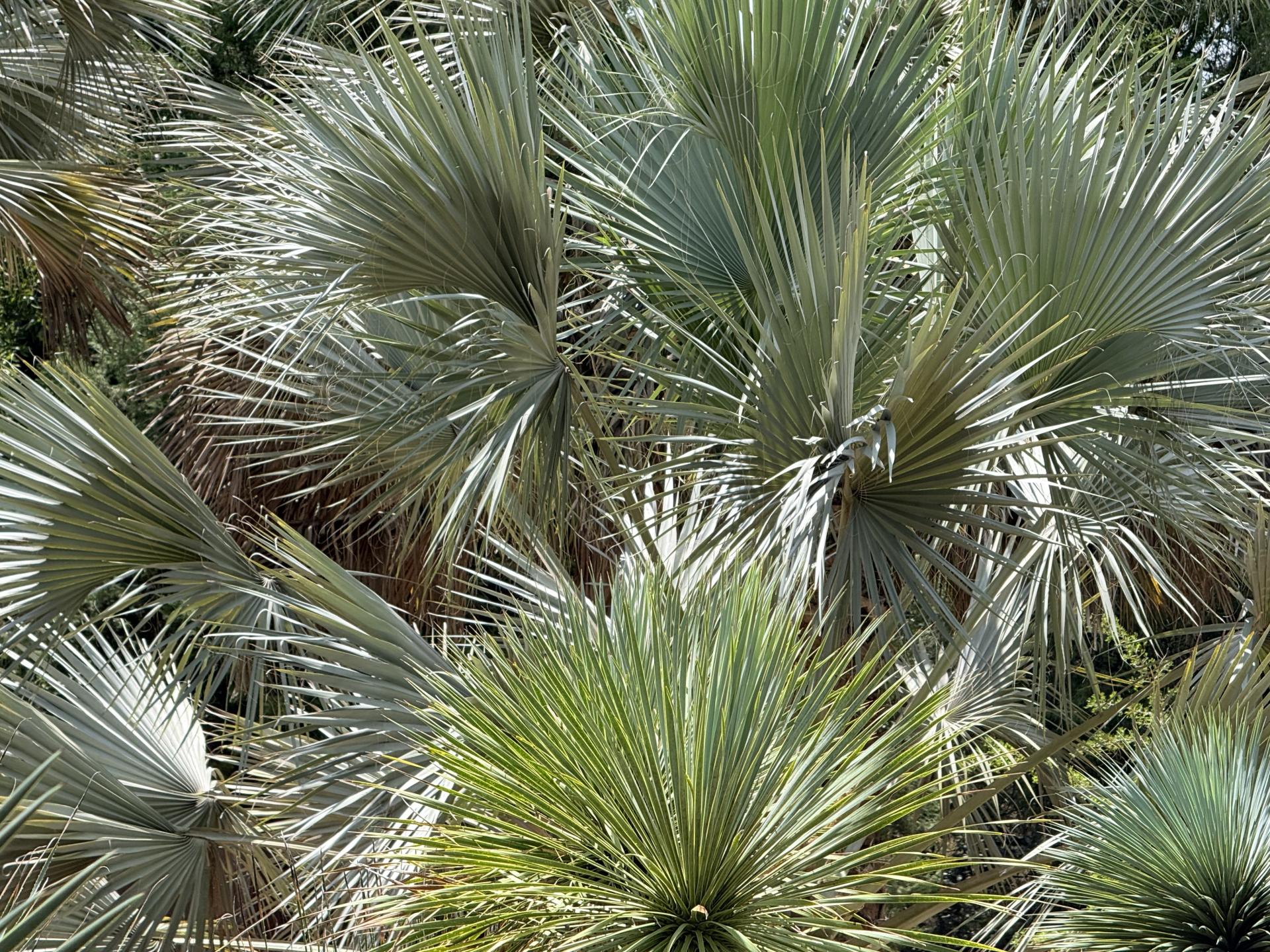
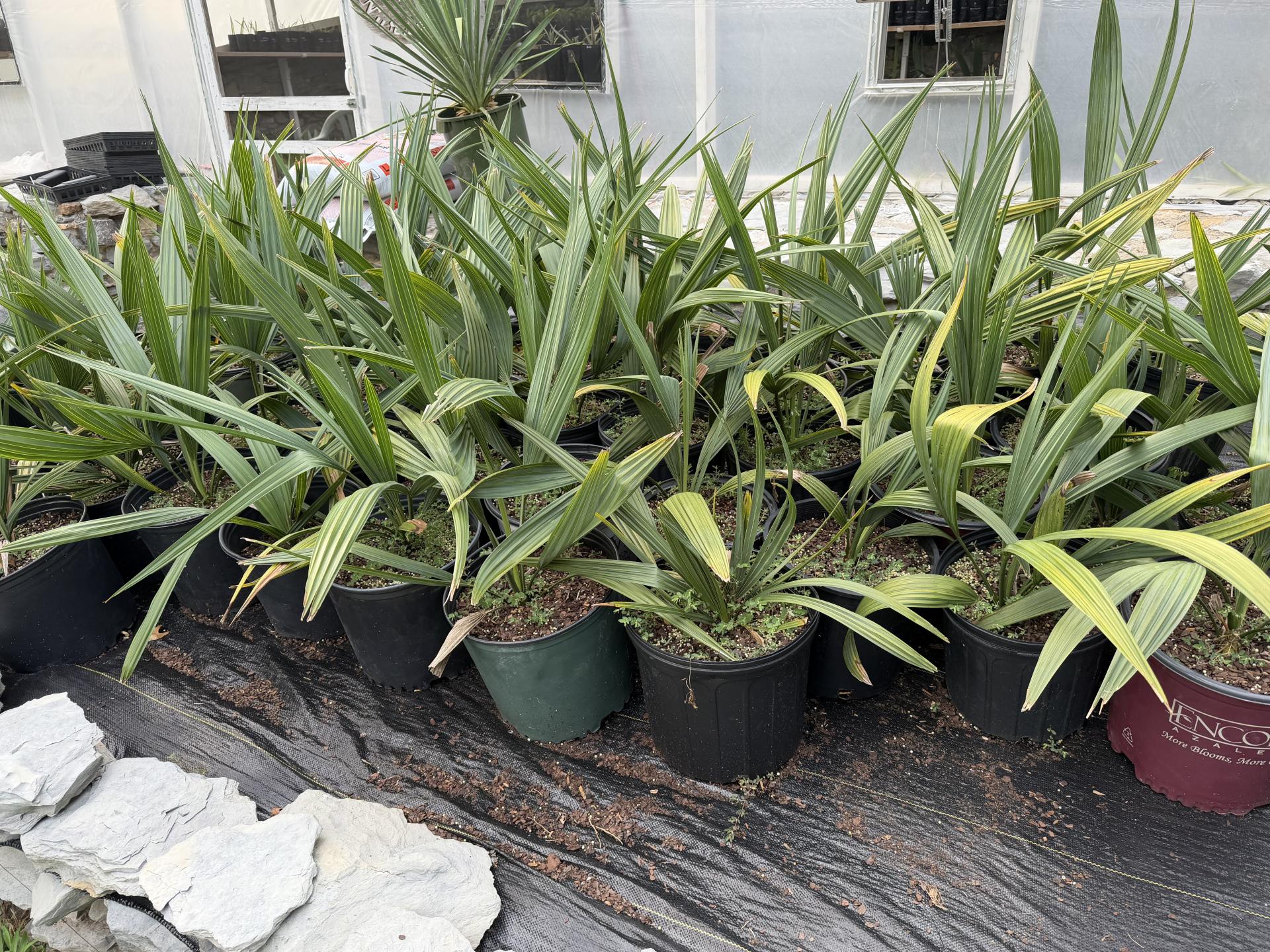
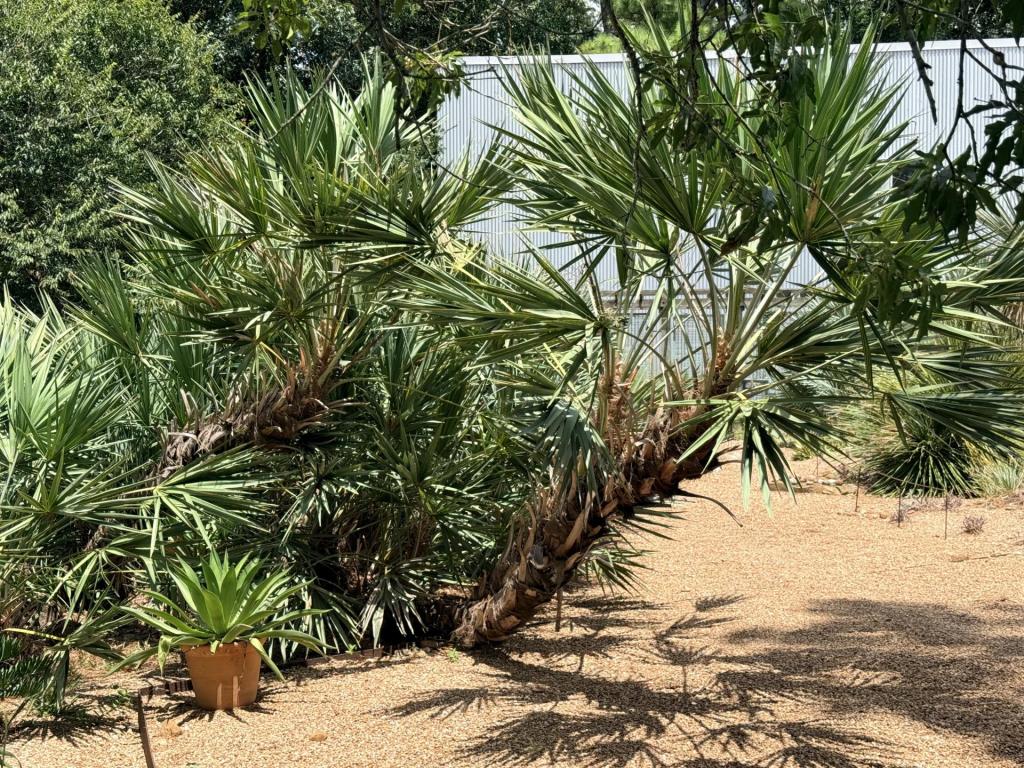
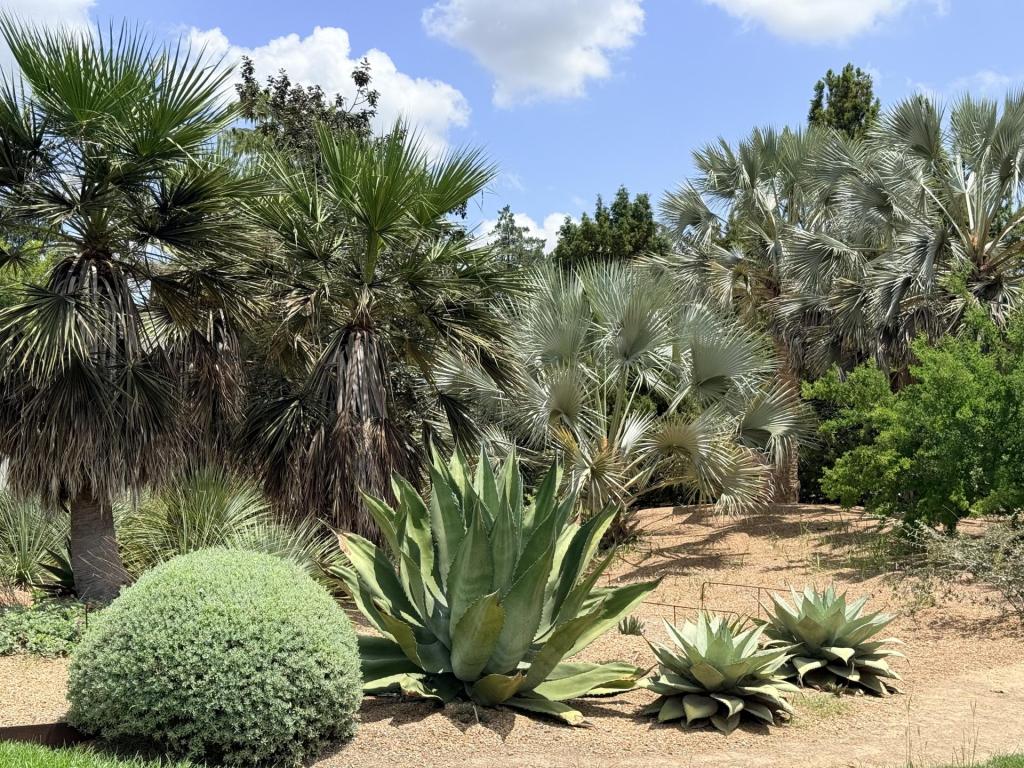
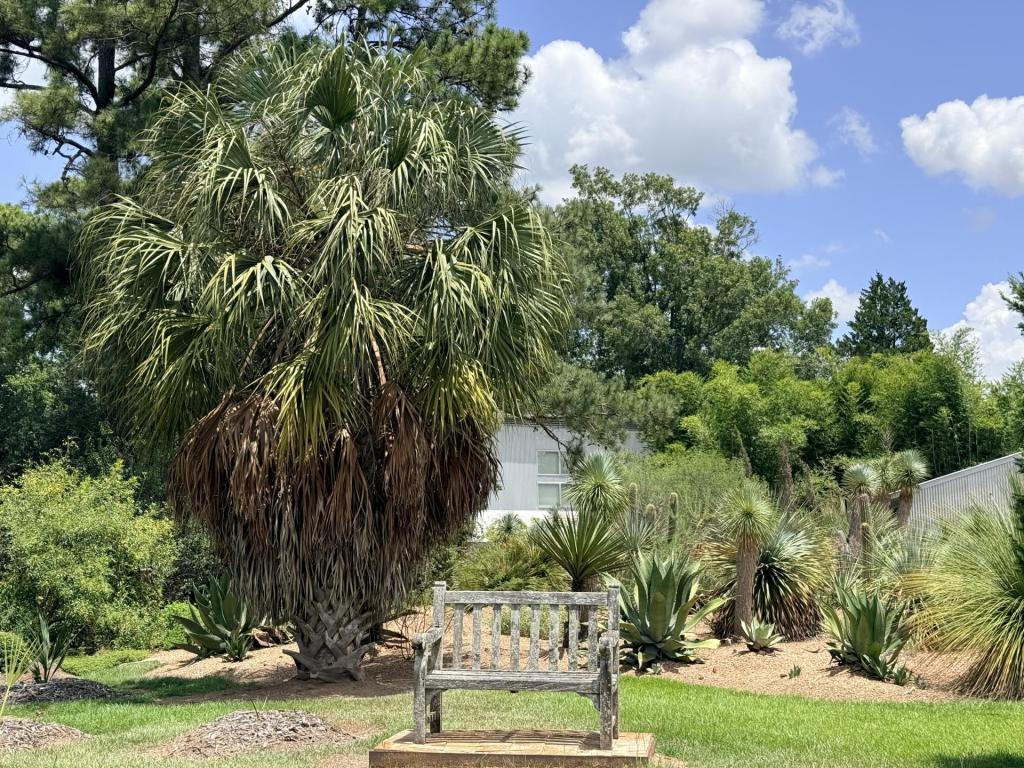
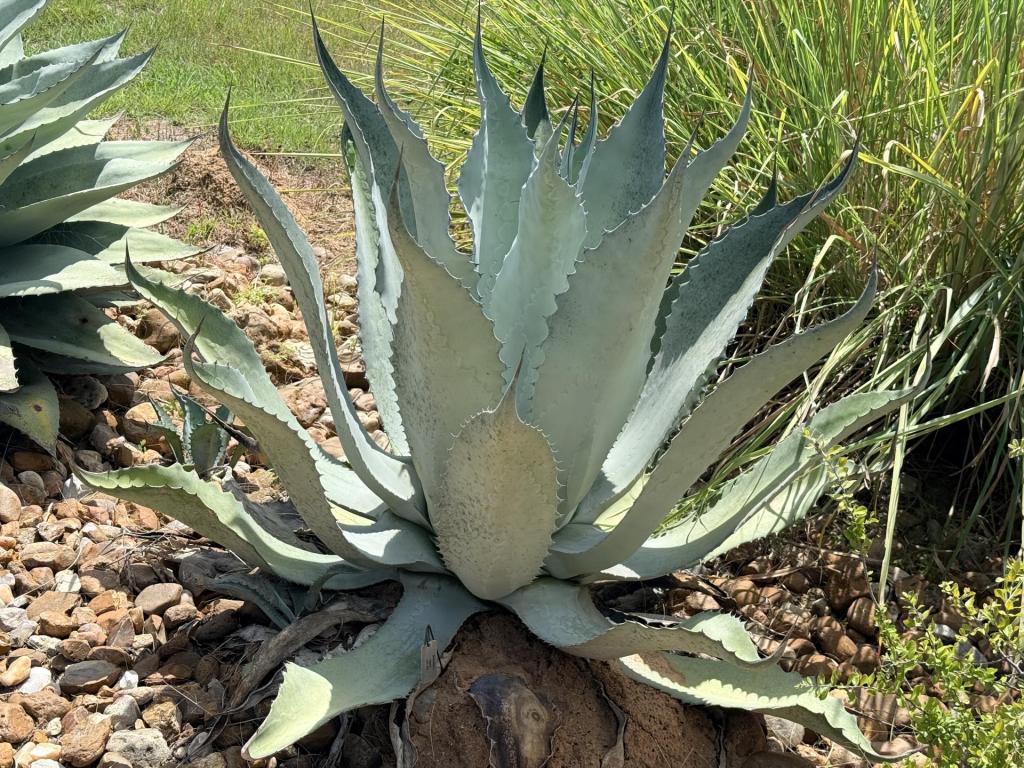
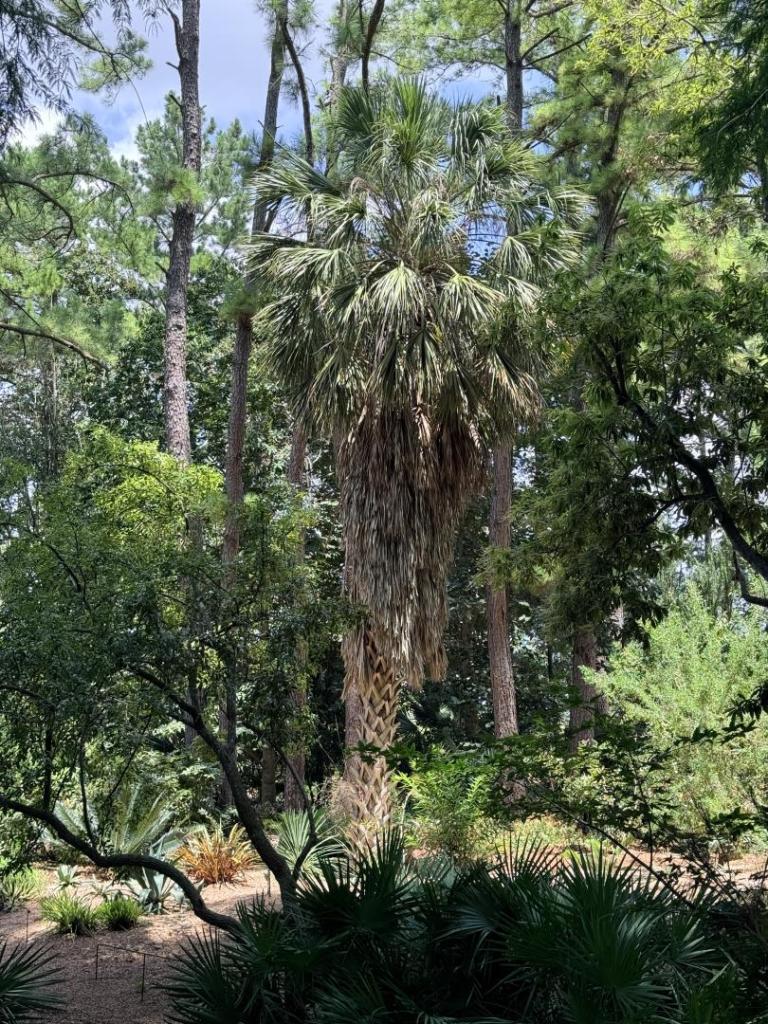
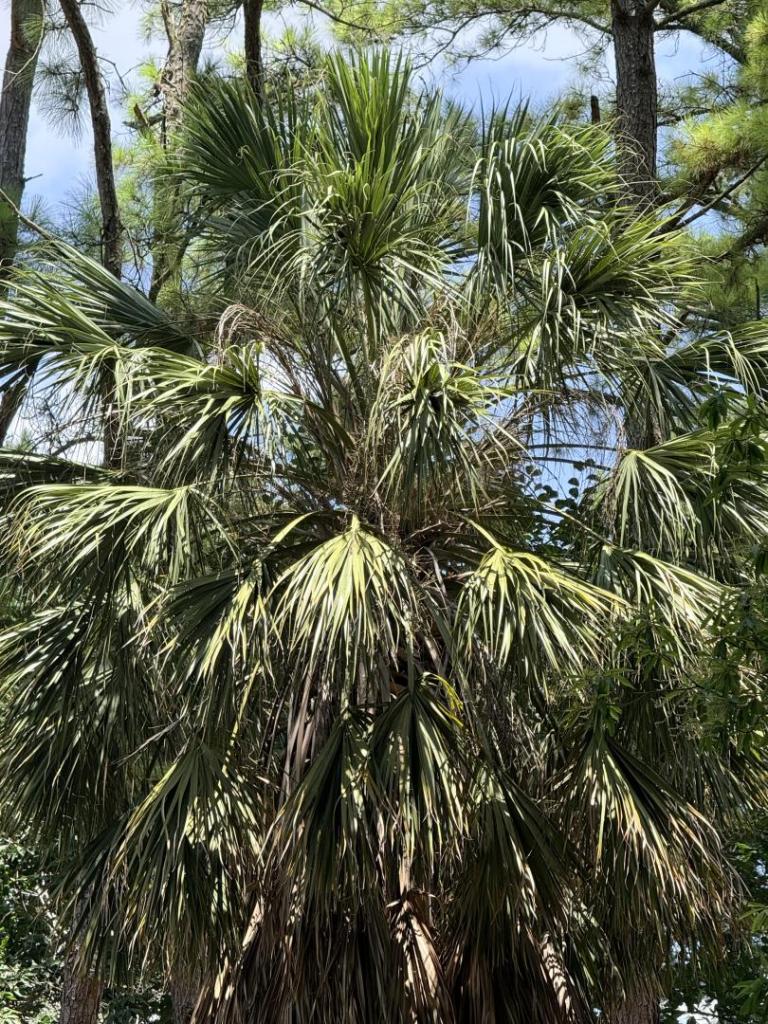
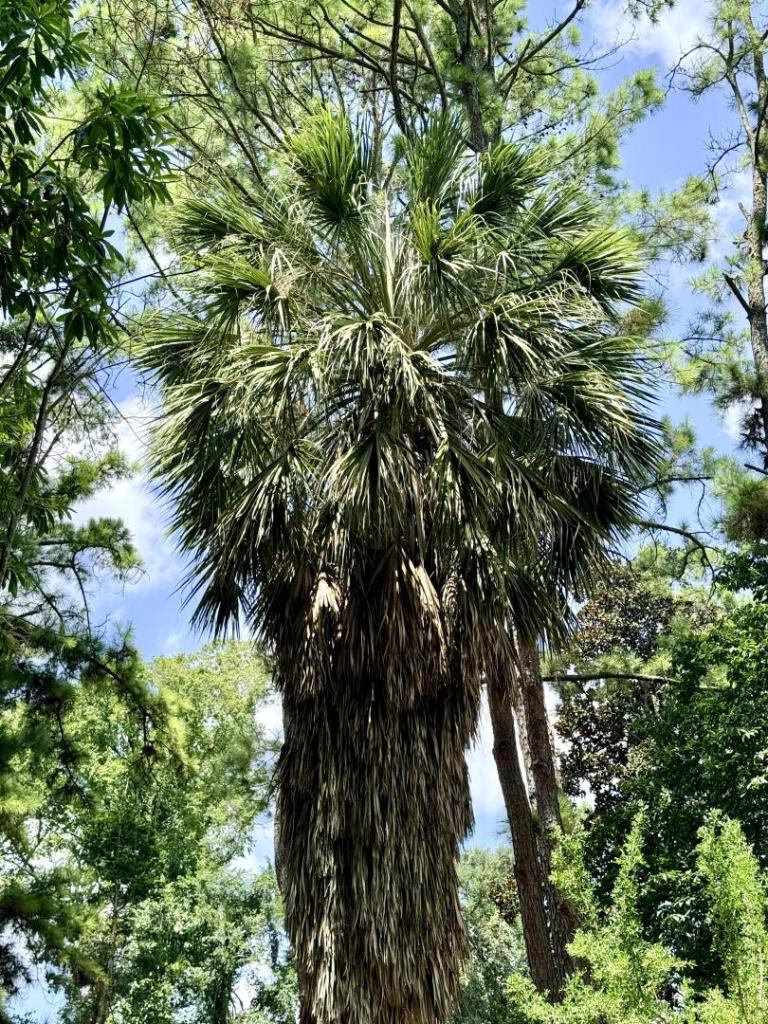
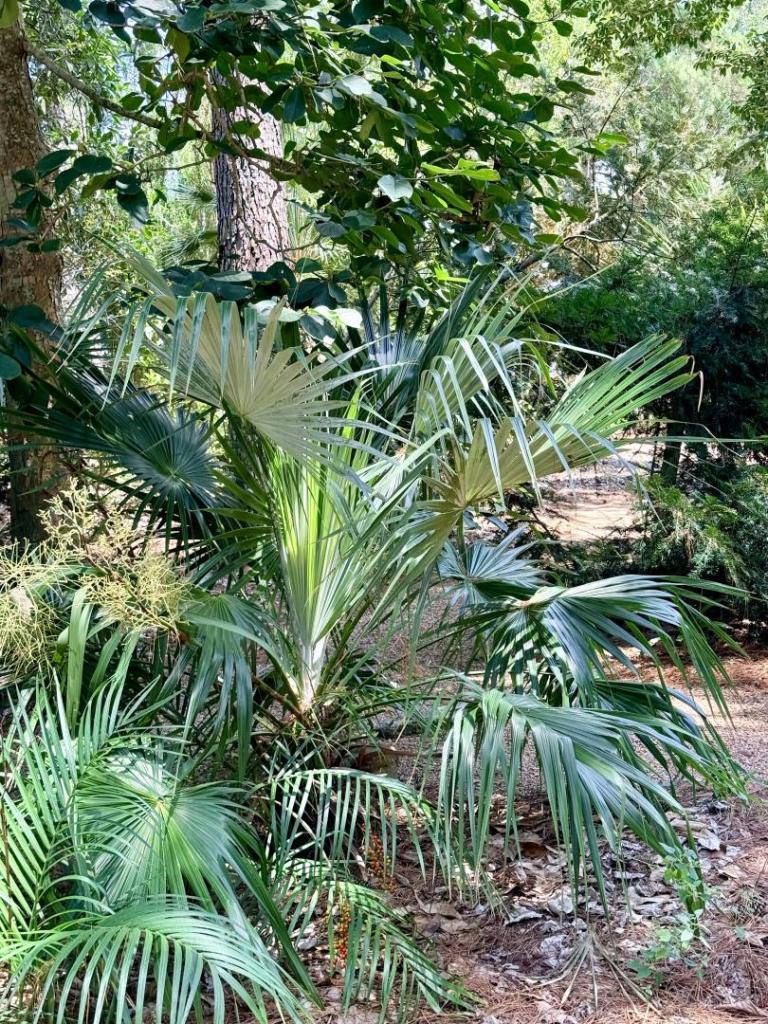
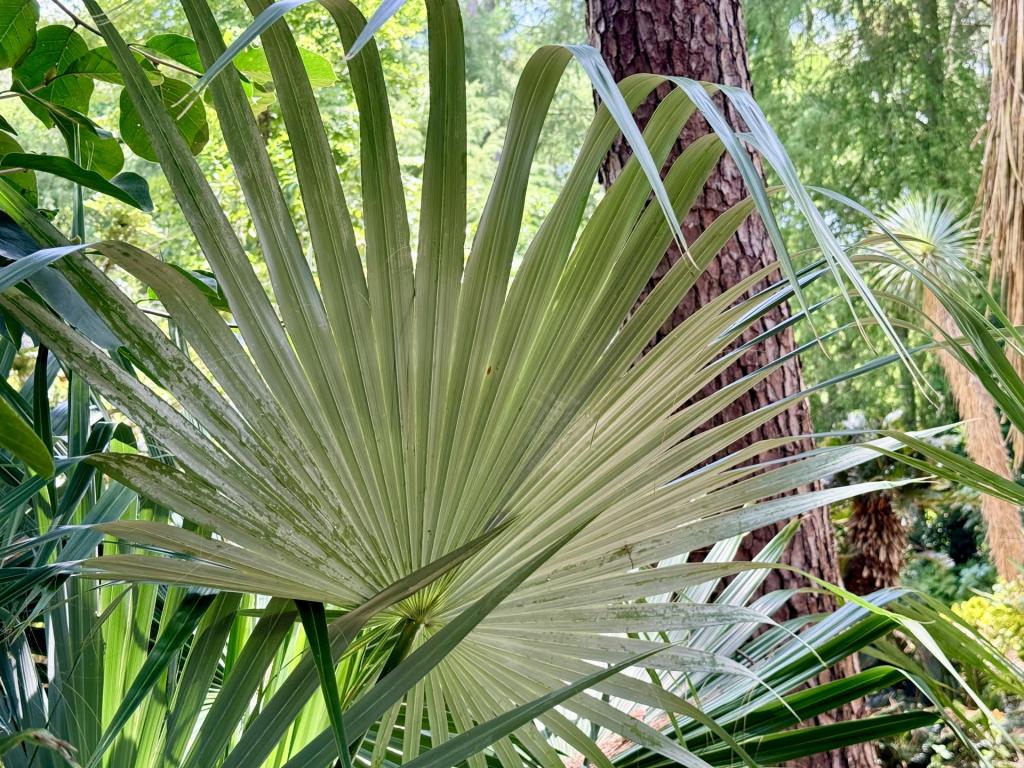
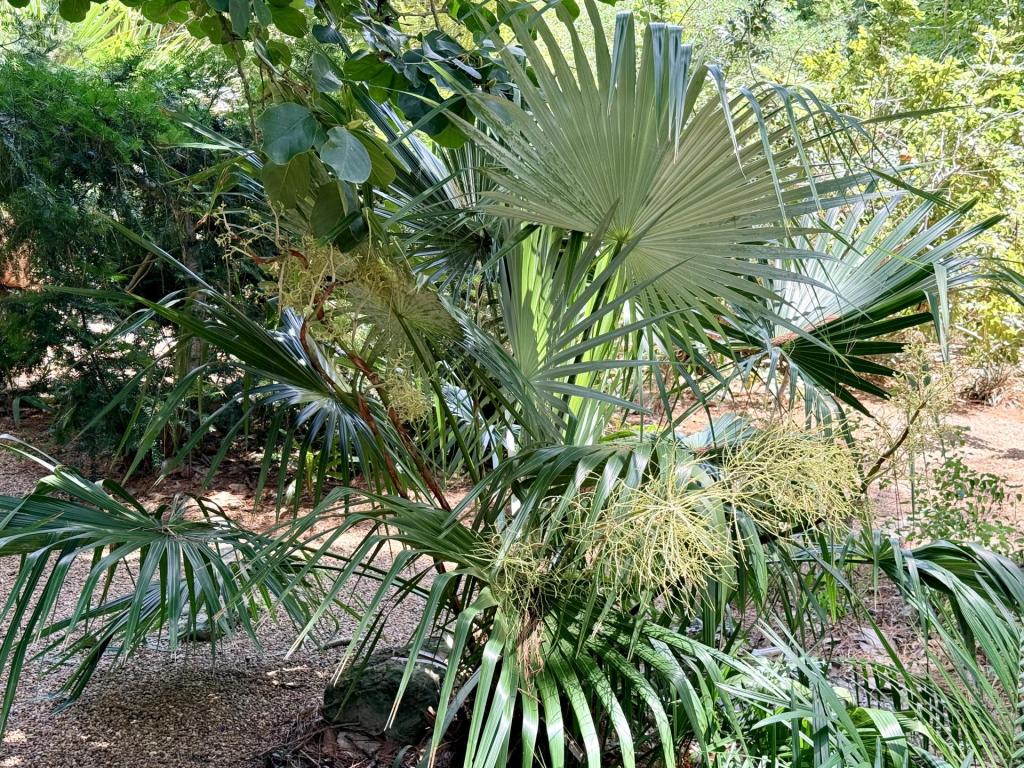
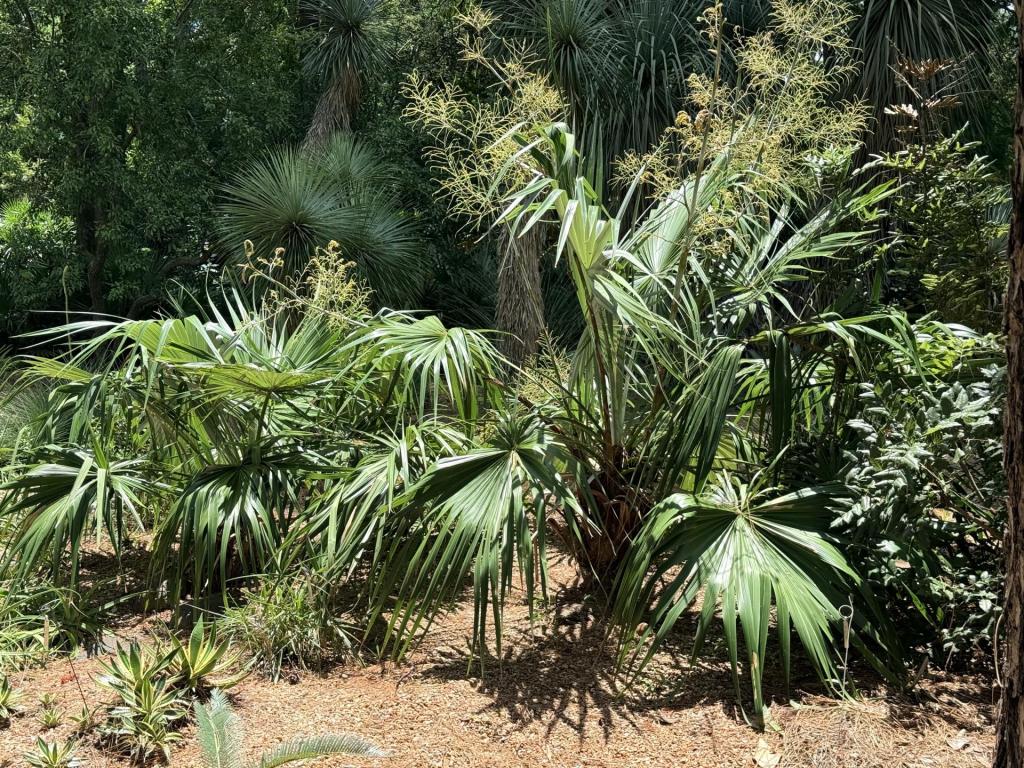
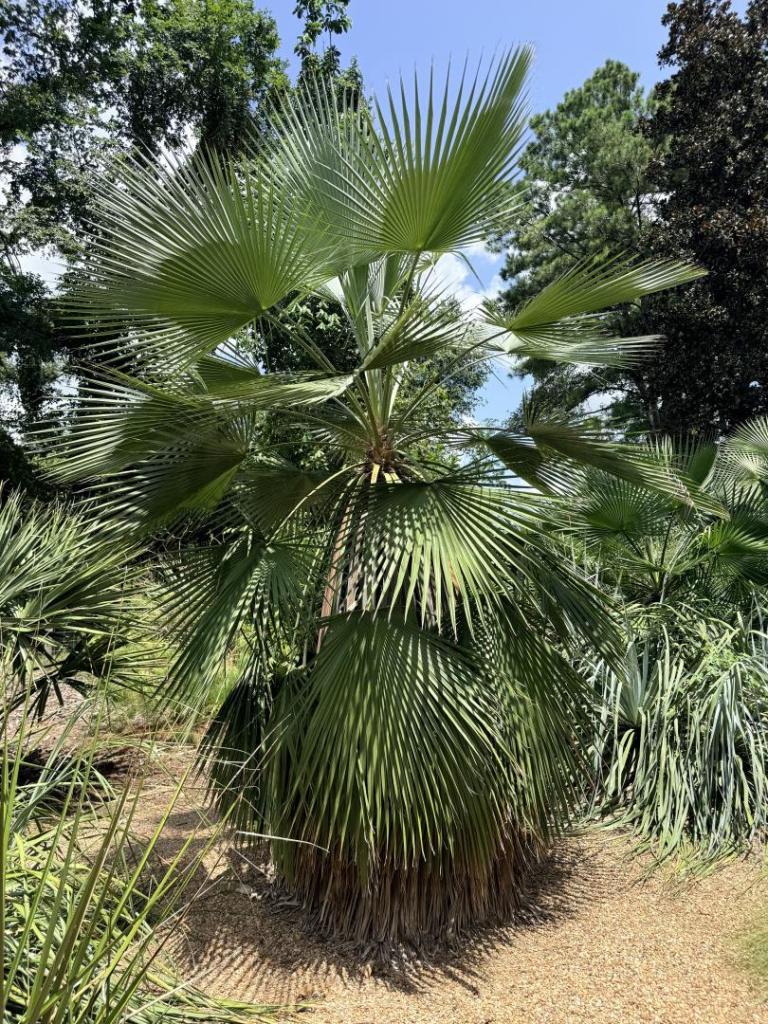
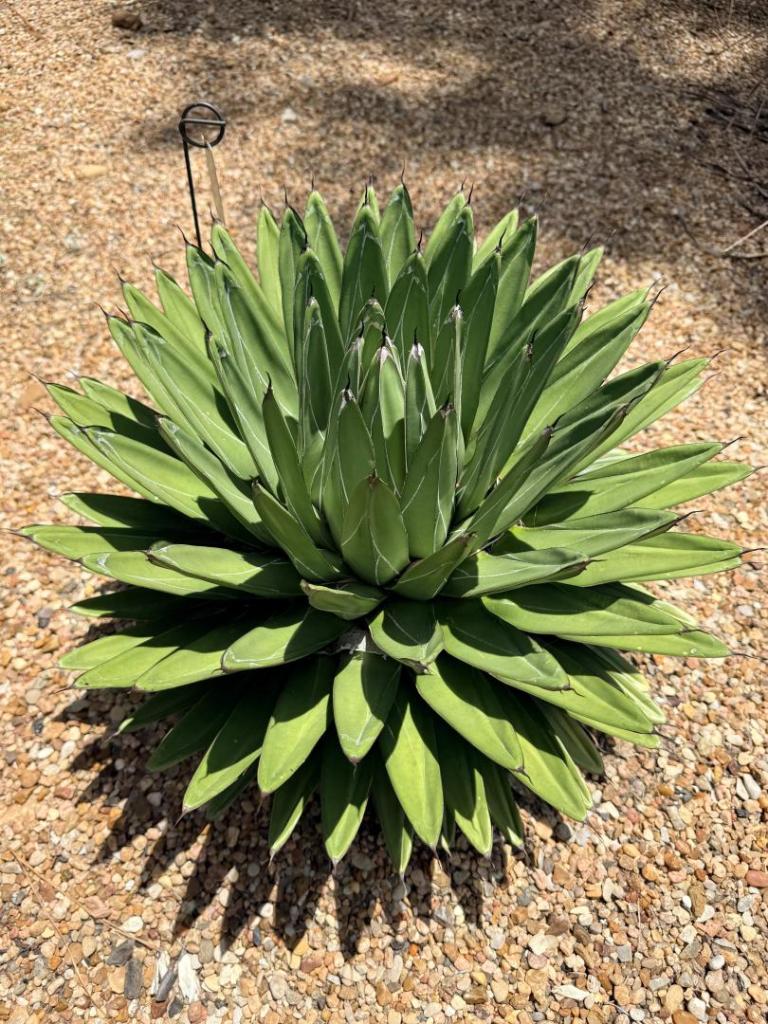
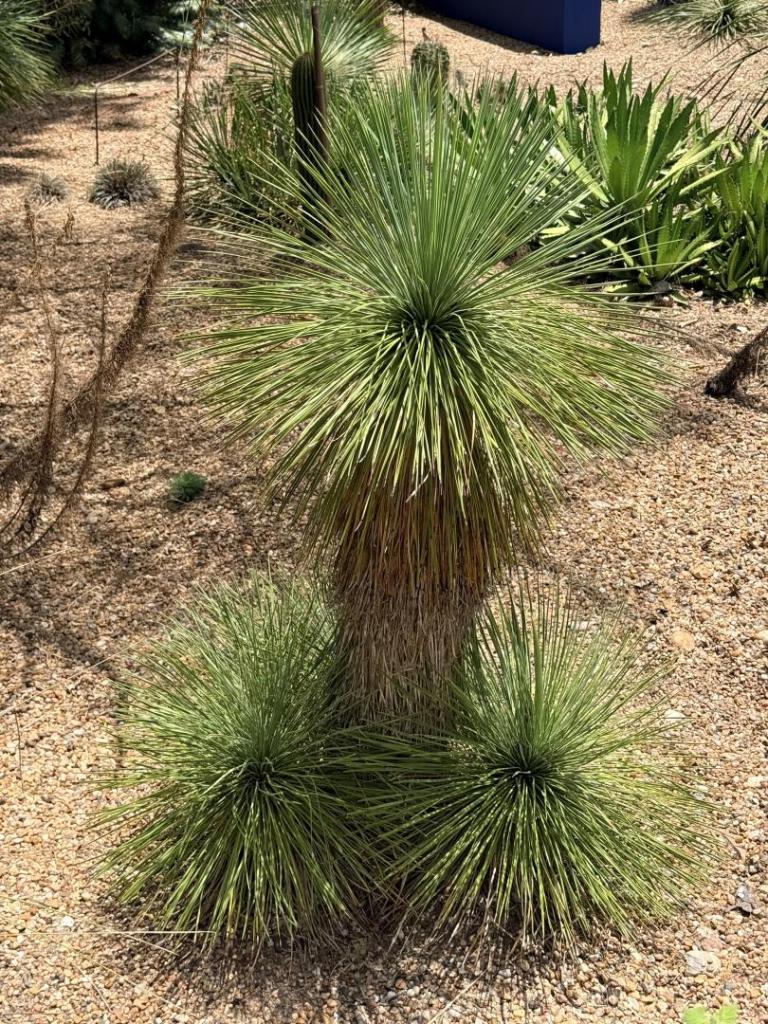
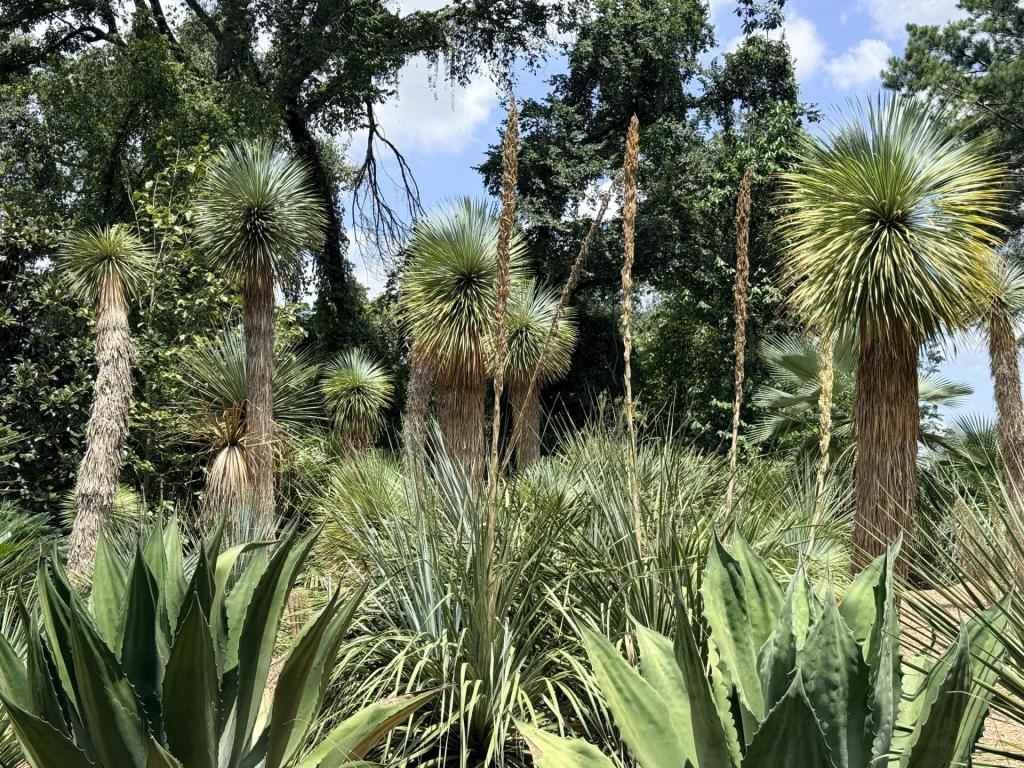
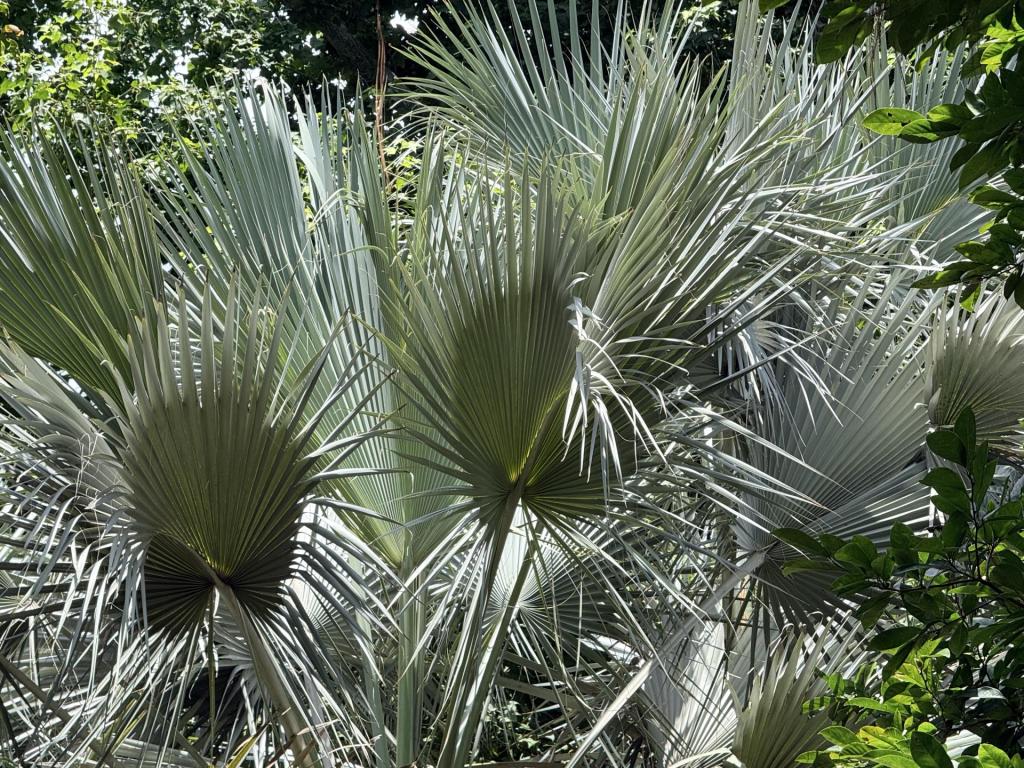
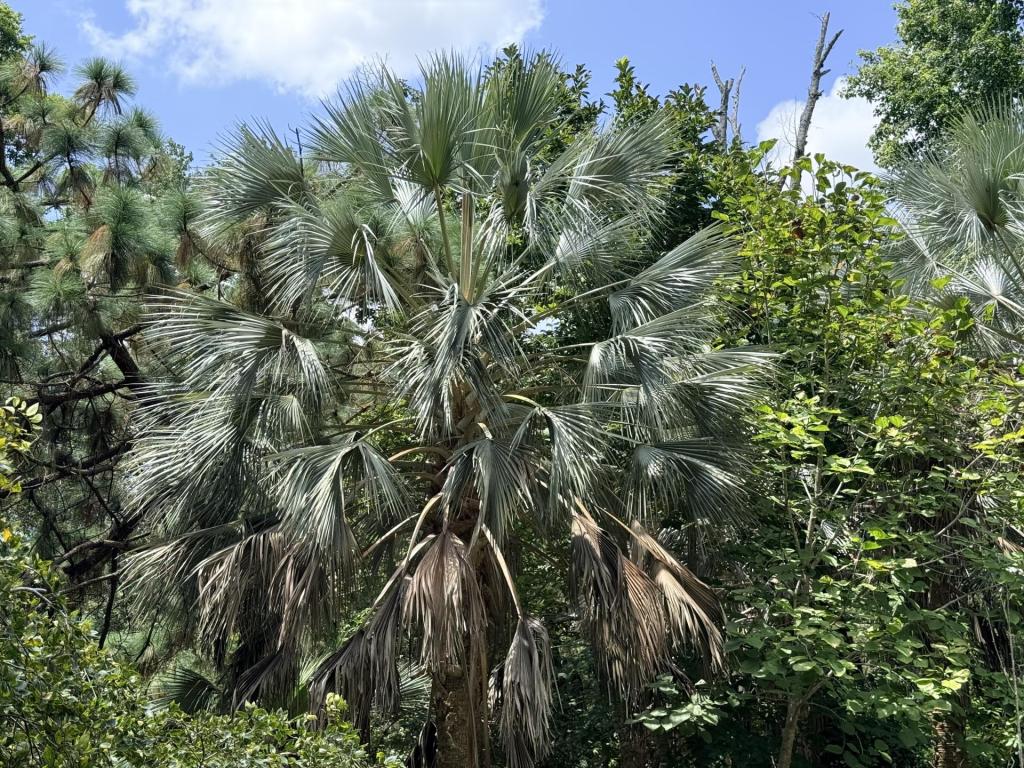
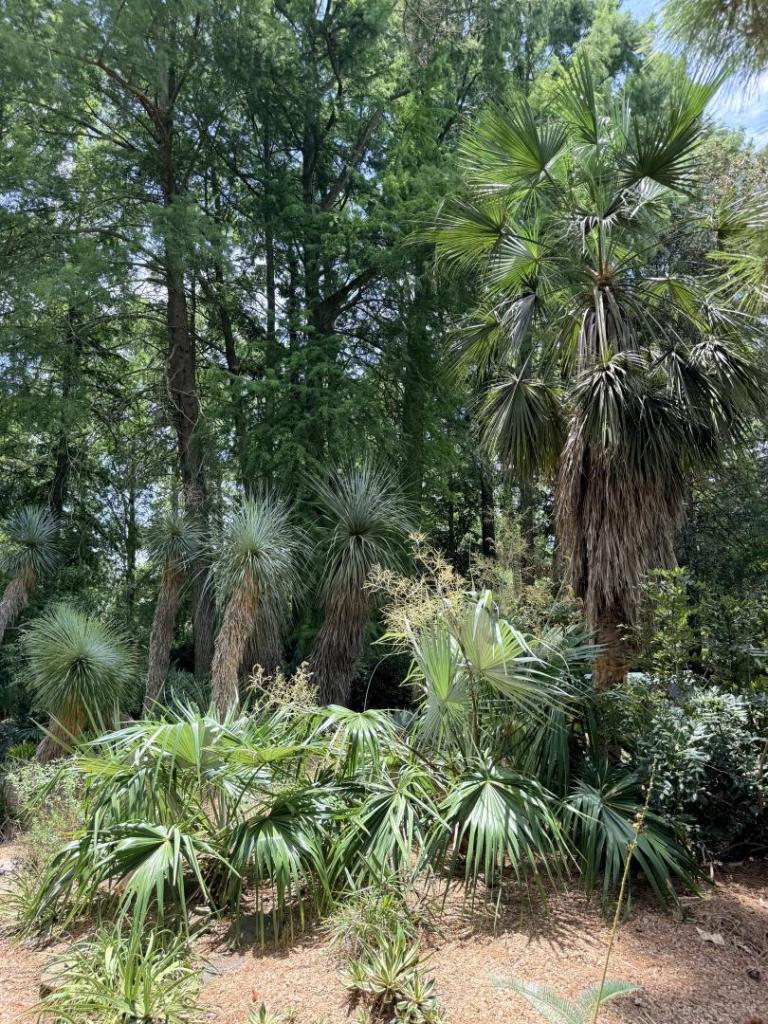
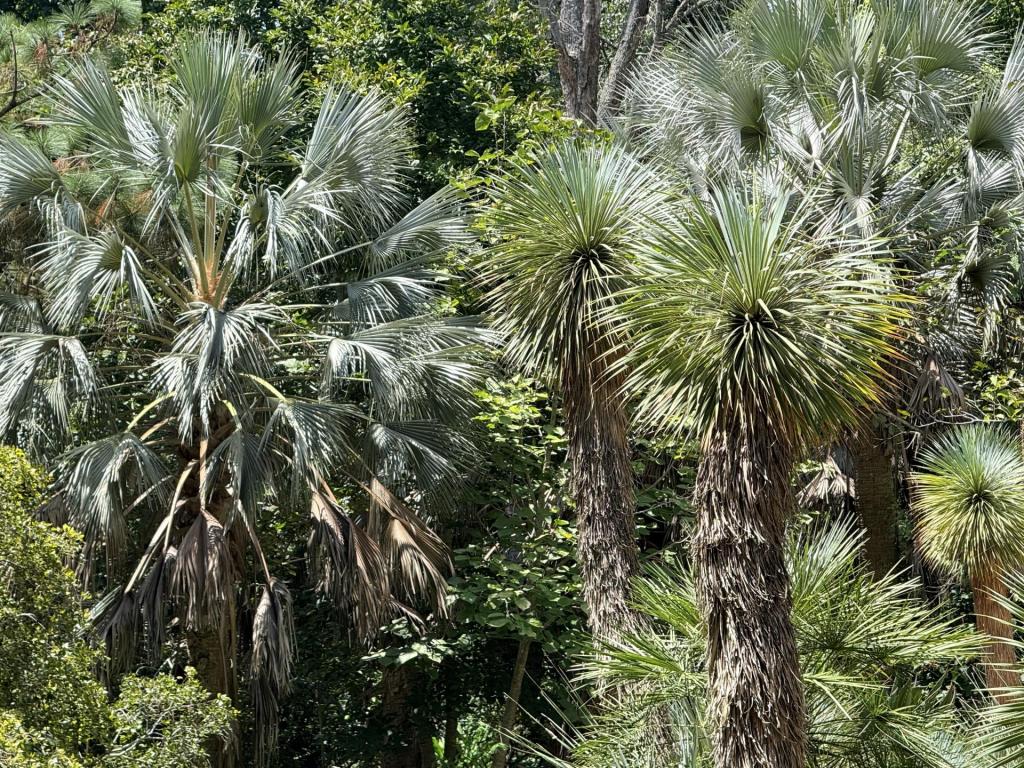
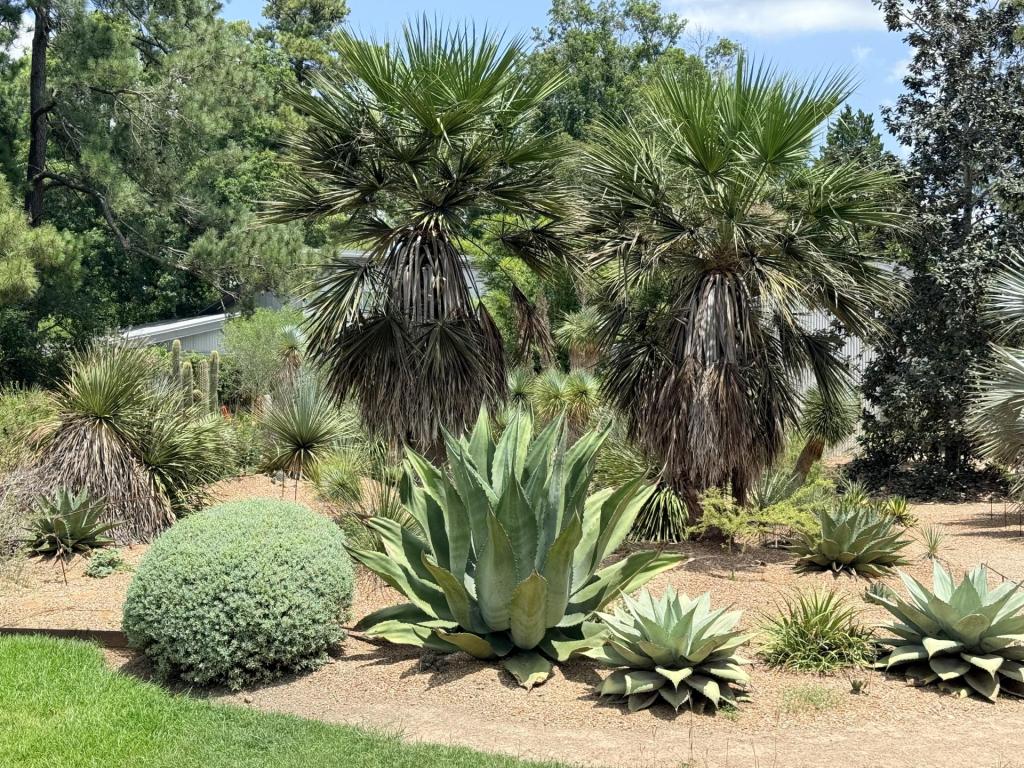
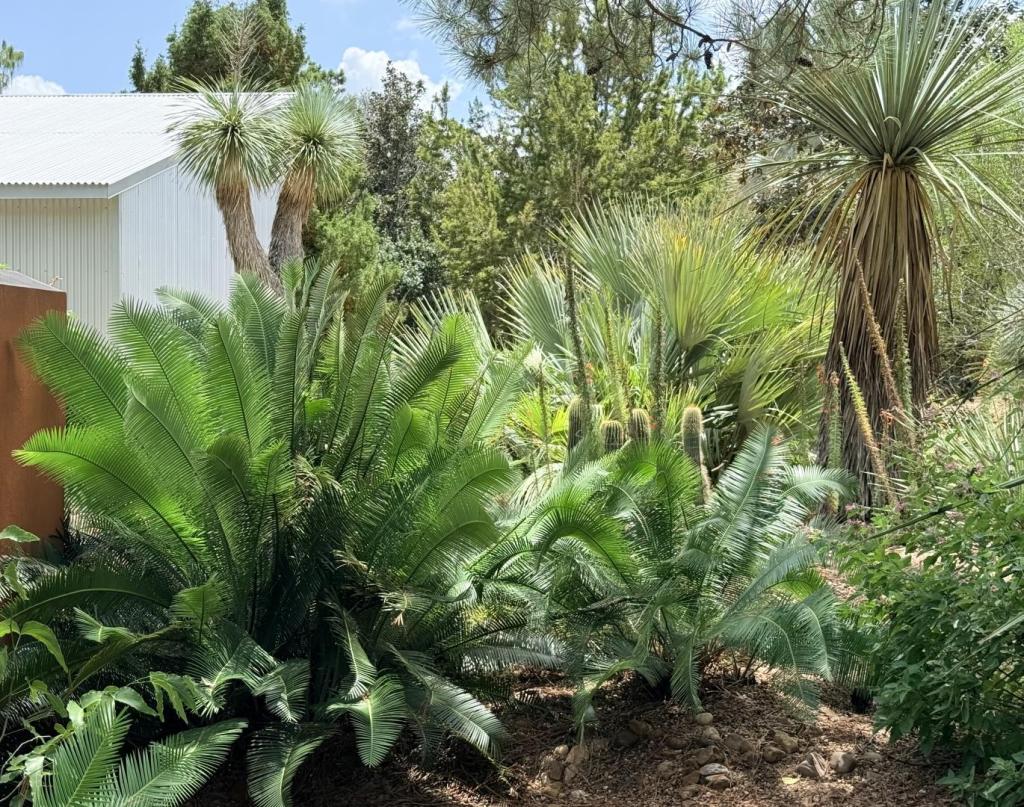
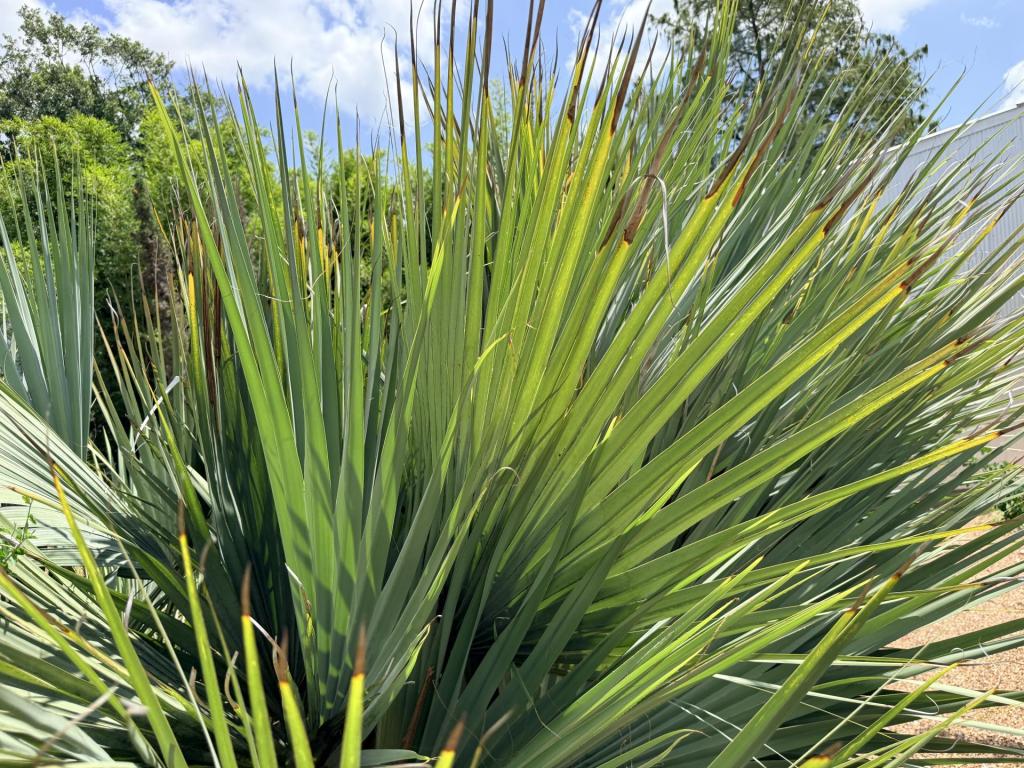
 11 pointsFormerly Peckerwood Garden and Yuccado Nursery. Located in Pine Island, Texas. Brahea dulcis Sabal uresana Brahea berlandieri, Sabal uresana,Nolina nelsonii Serenoa repens Dioon edule, Nolina nelsonii Sabal causiarum Agave ‘Miquihuana Silver’ Brahea berlandieri Brahea berlandieri Brahea moorei Brahea dulcis Agave victoriae-reginae Yucca linearifolia Sabal uresana Nannorhops ritchiana
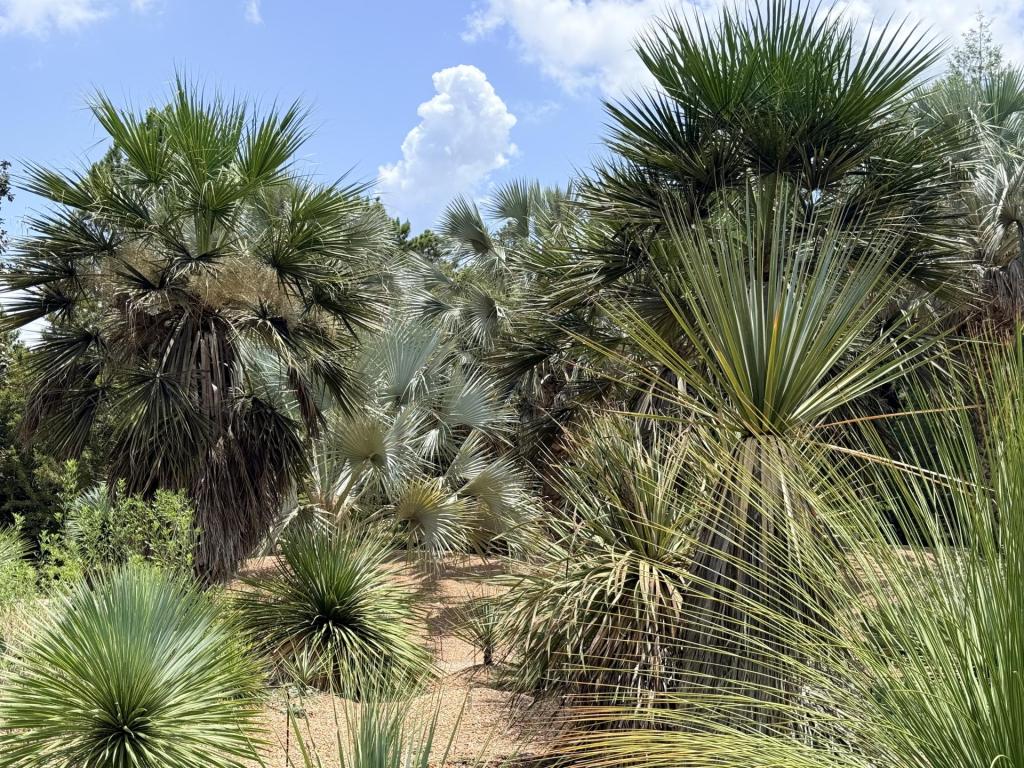
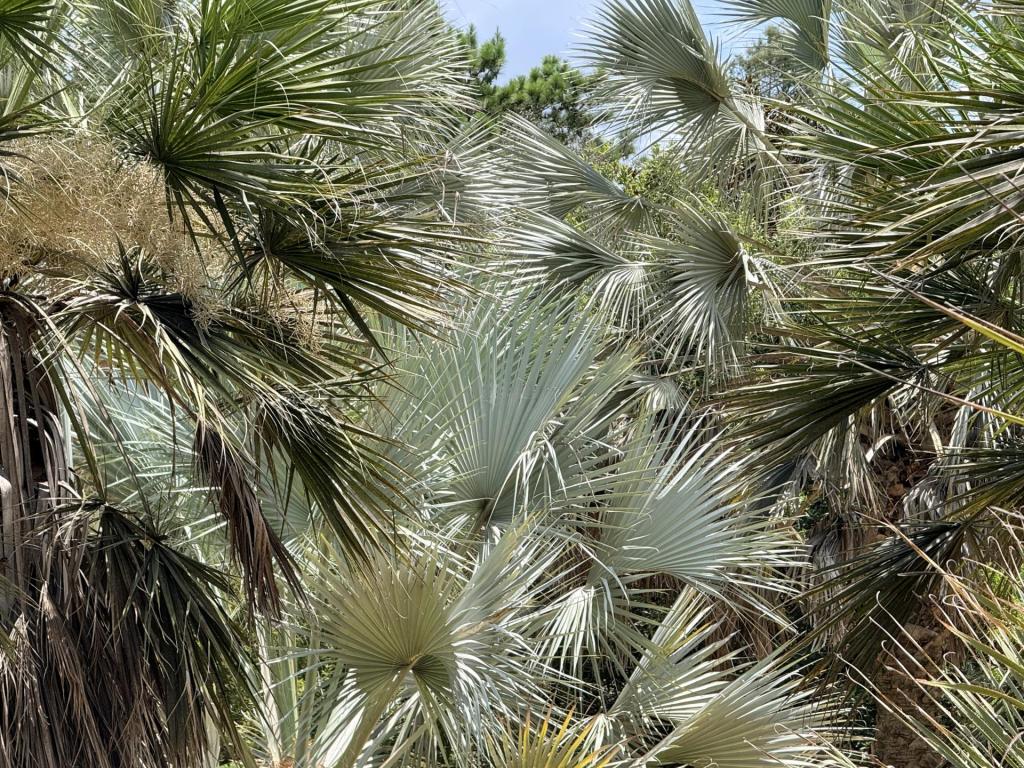
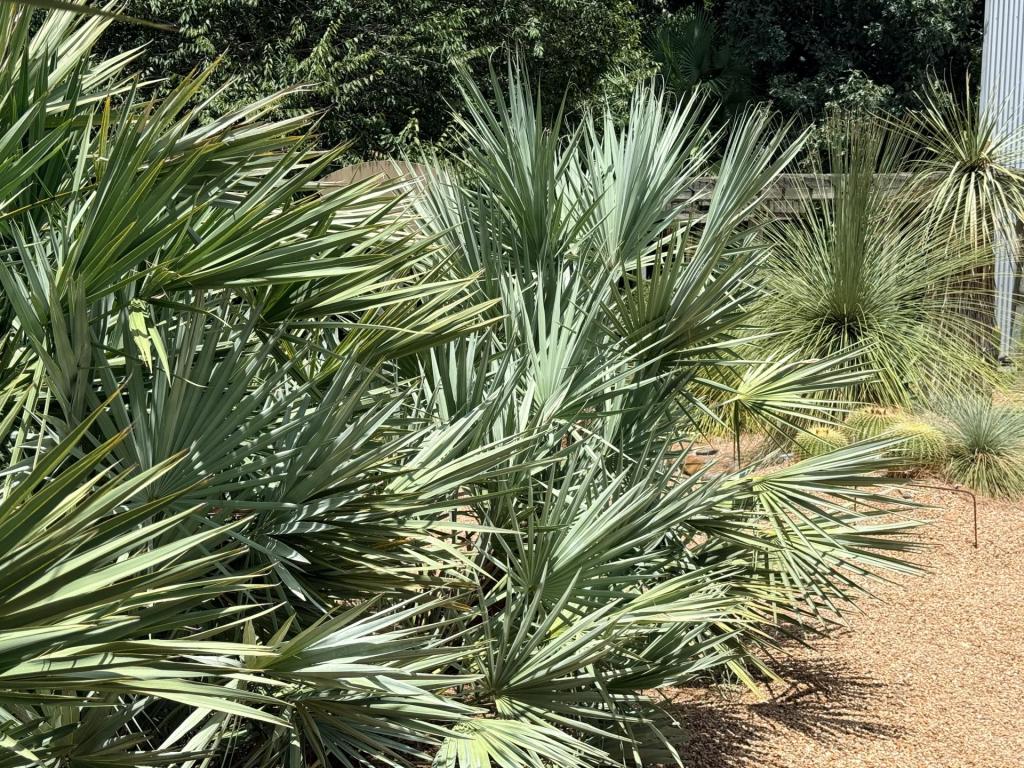

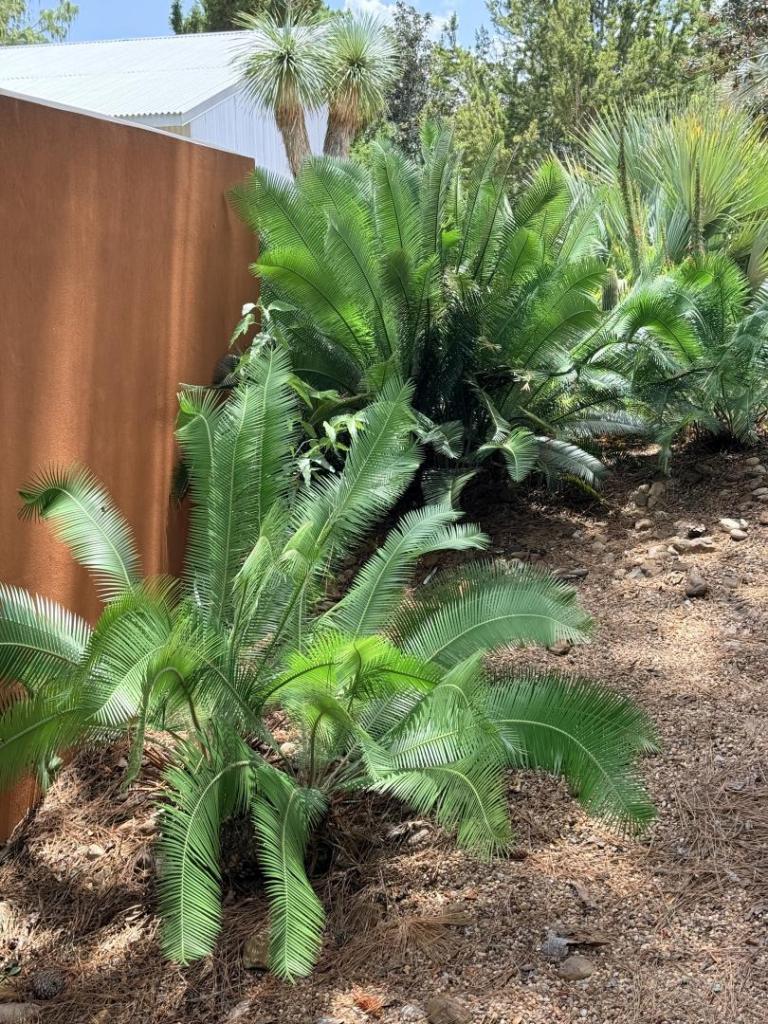



 11 points
 -
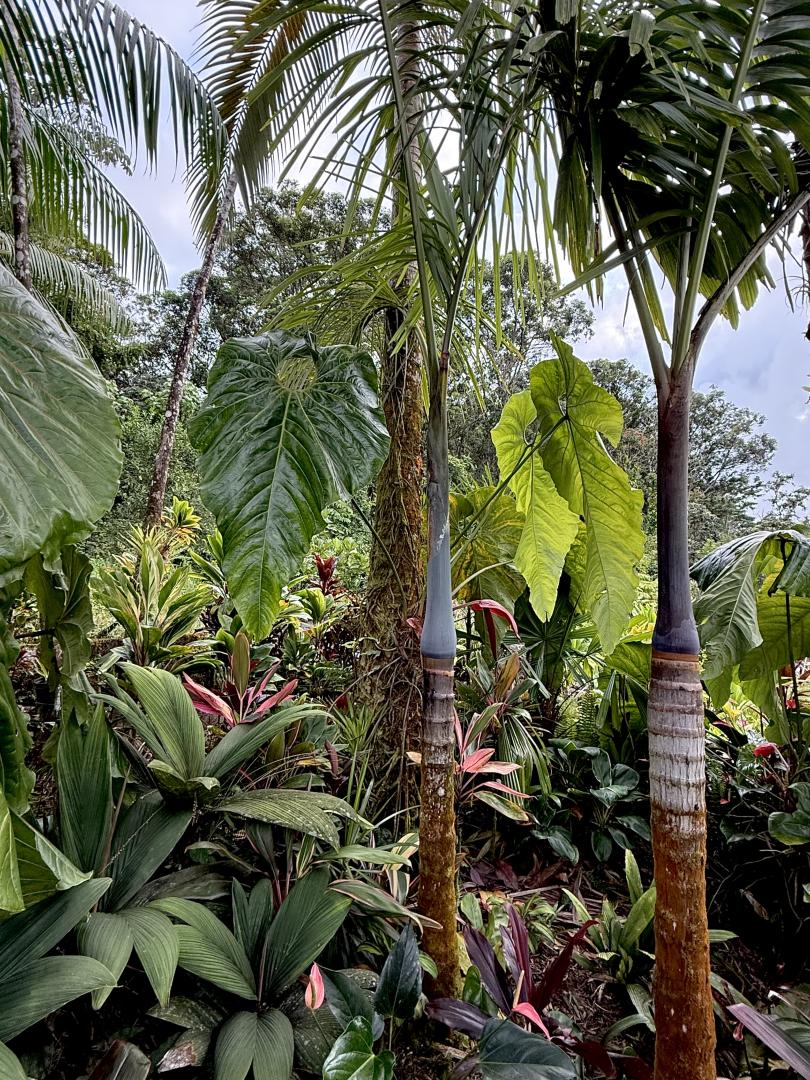
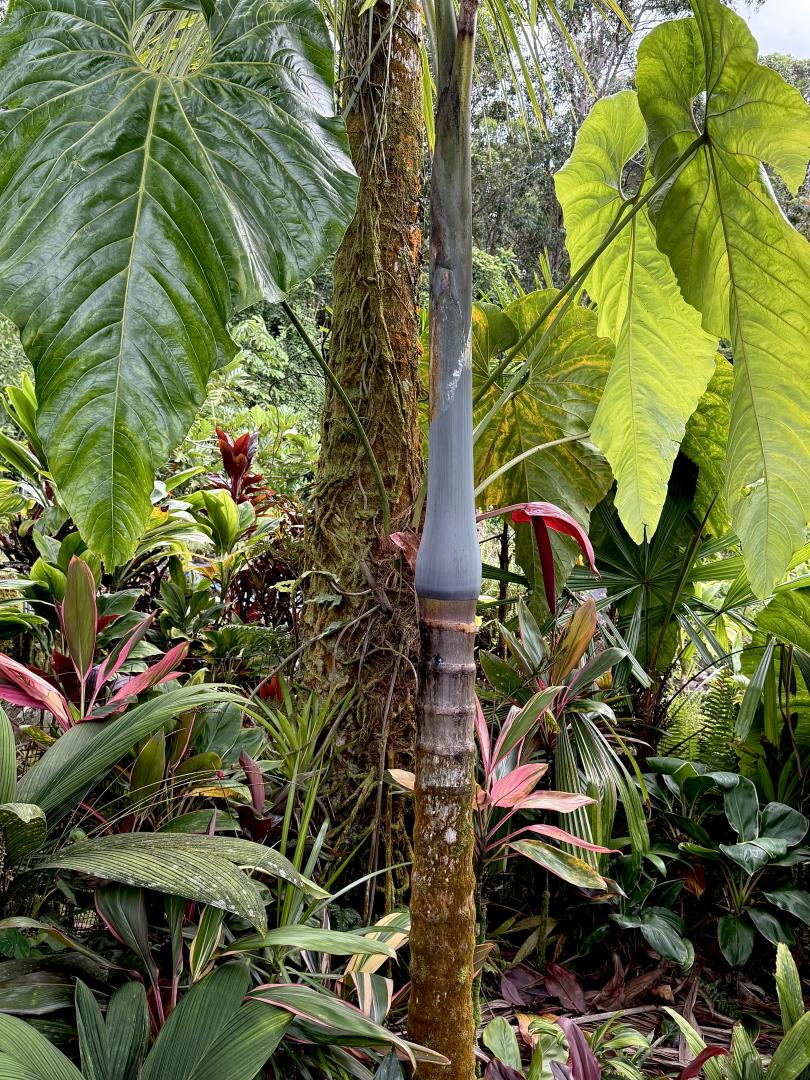
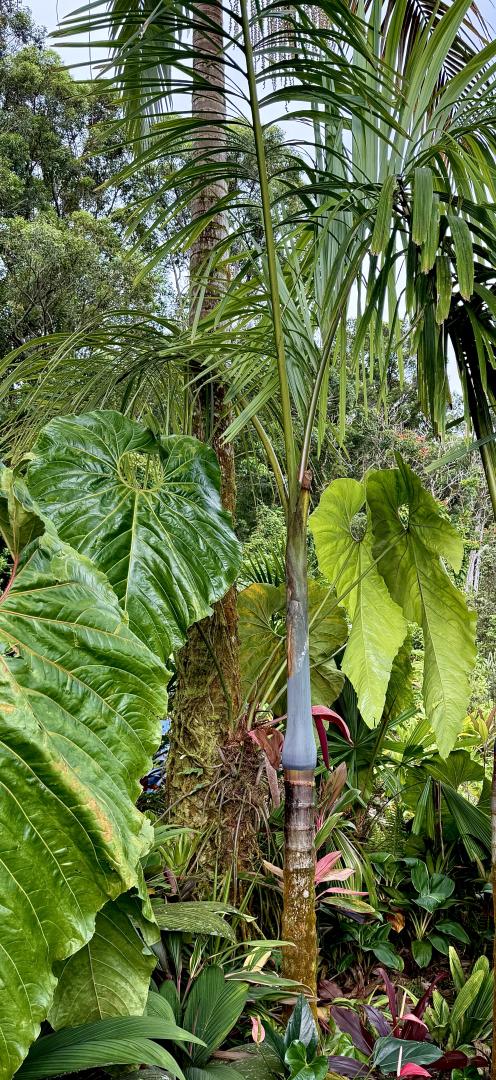
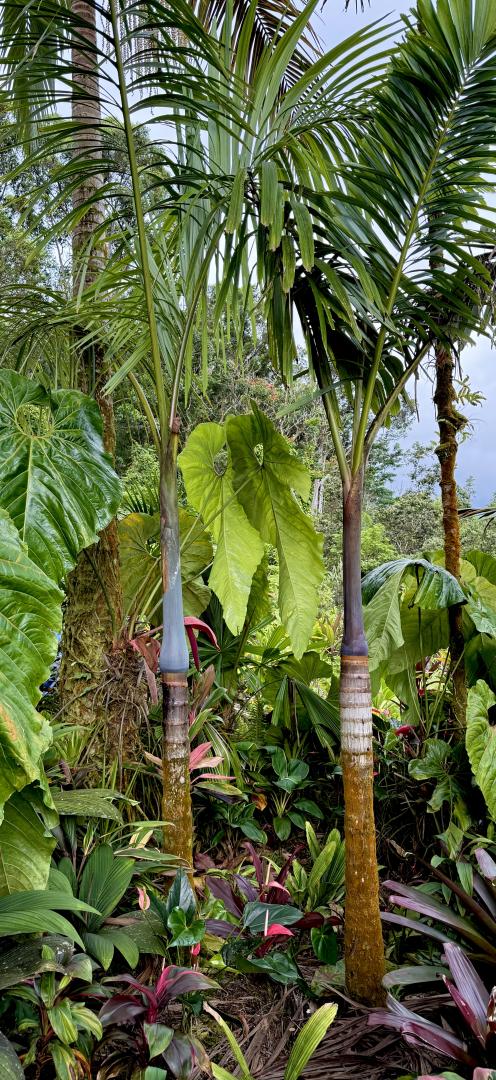
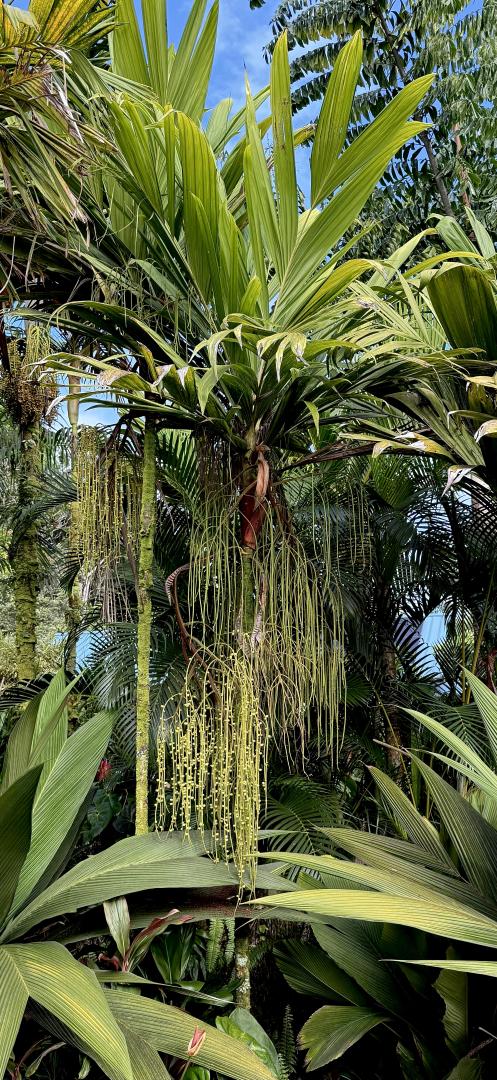
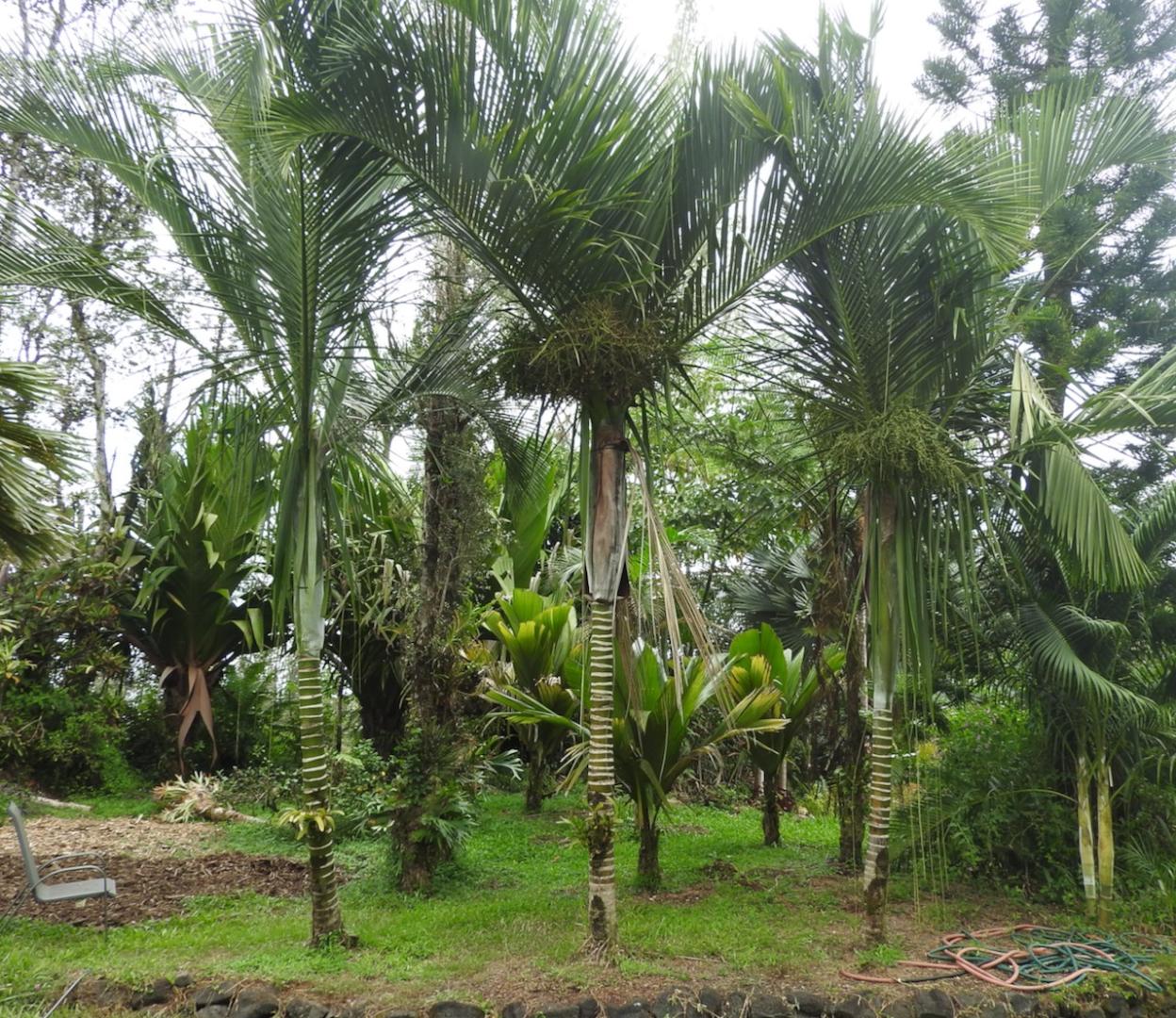
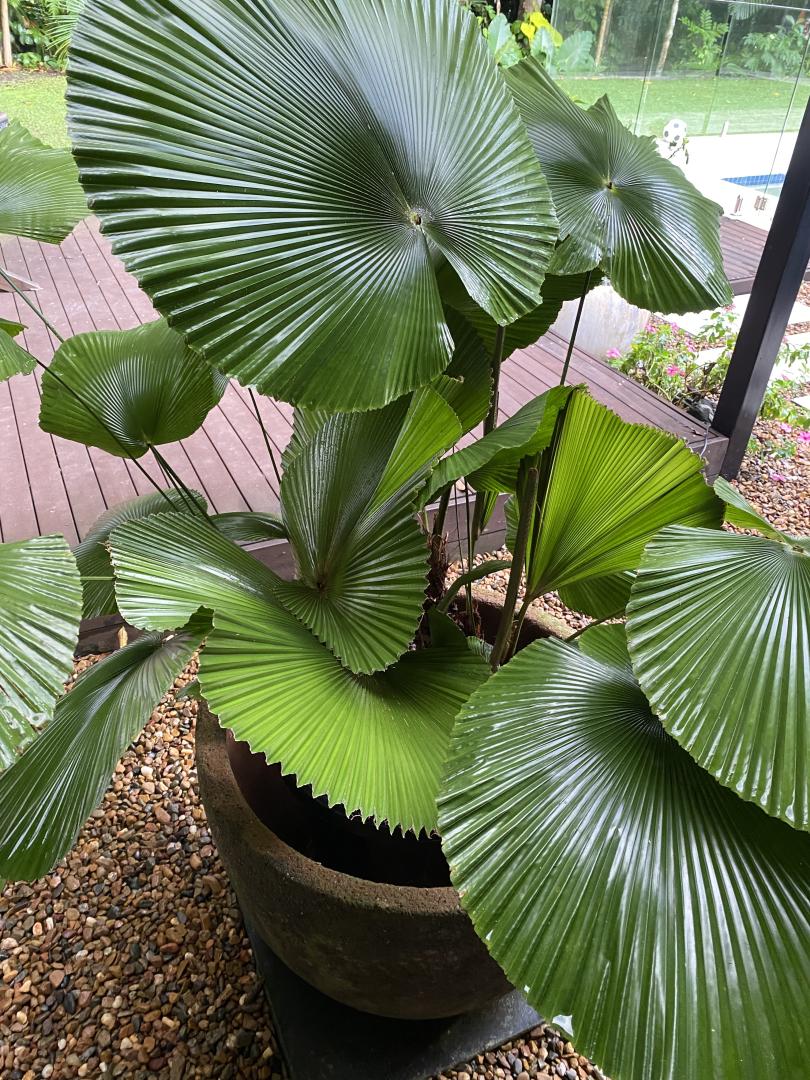
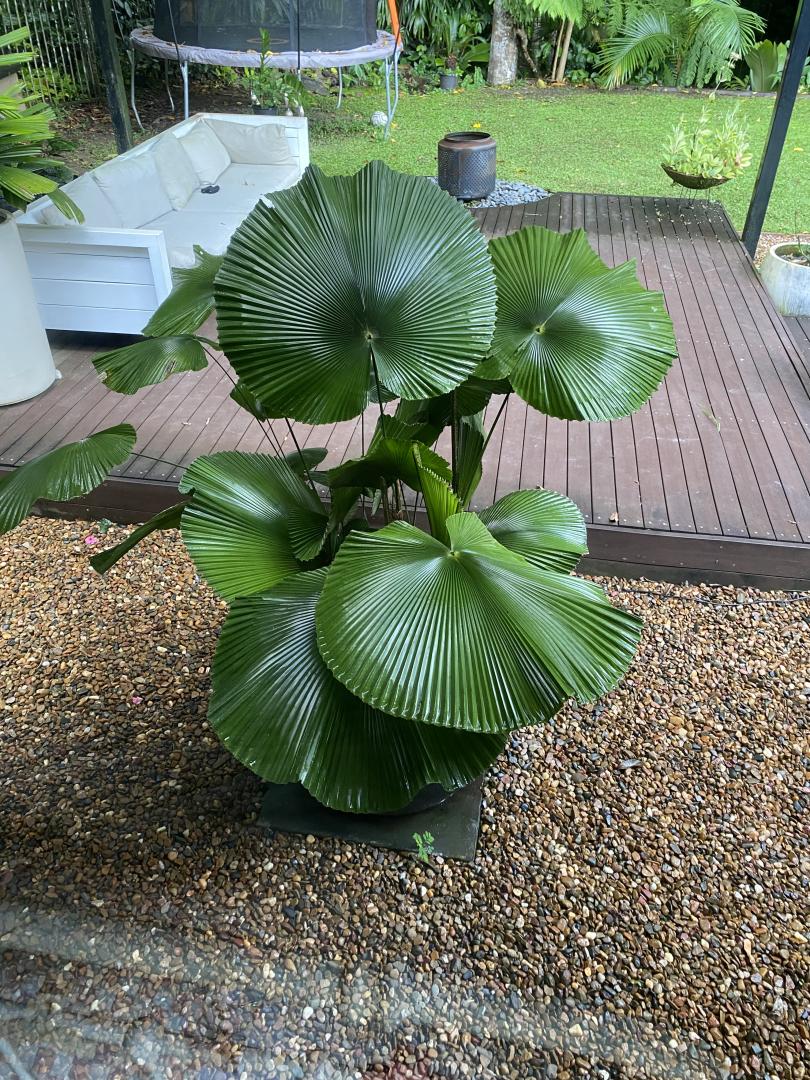
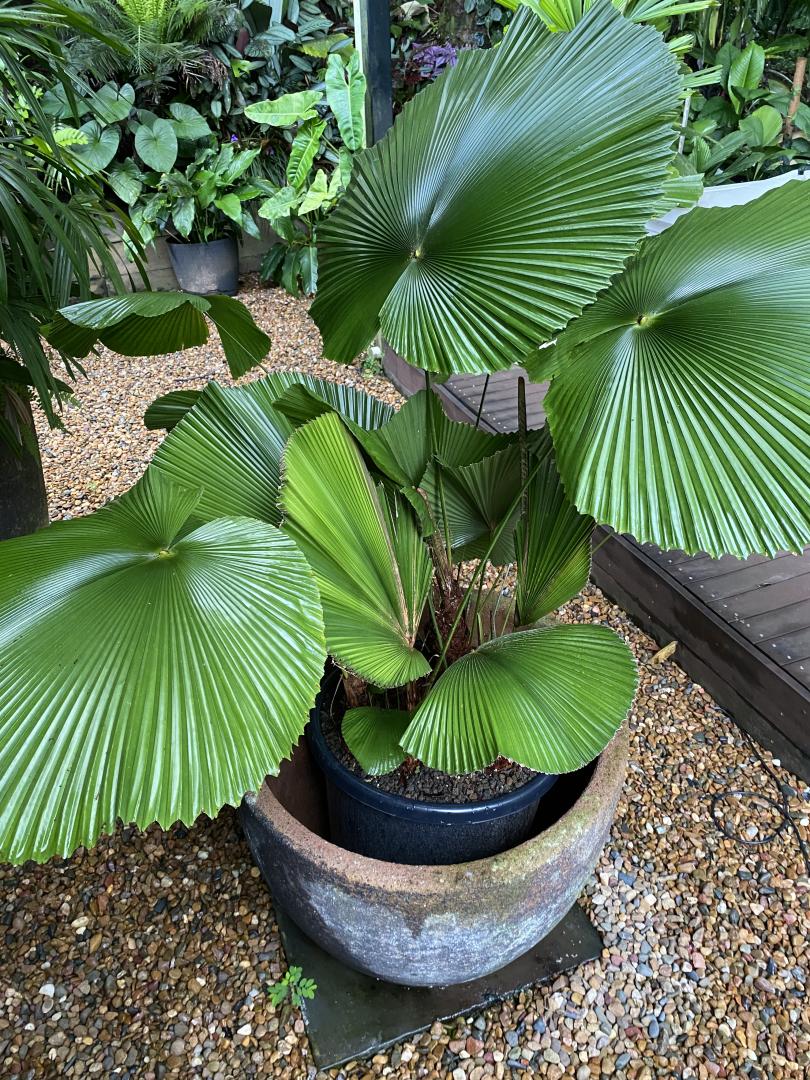
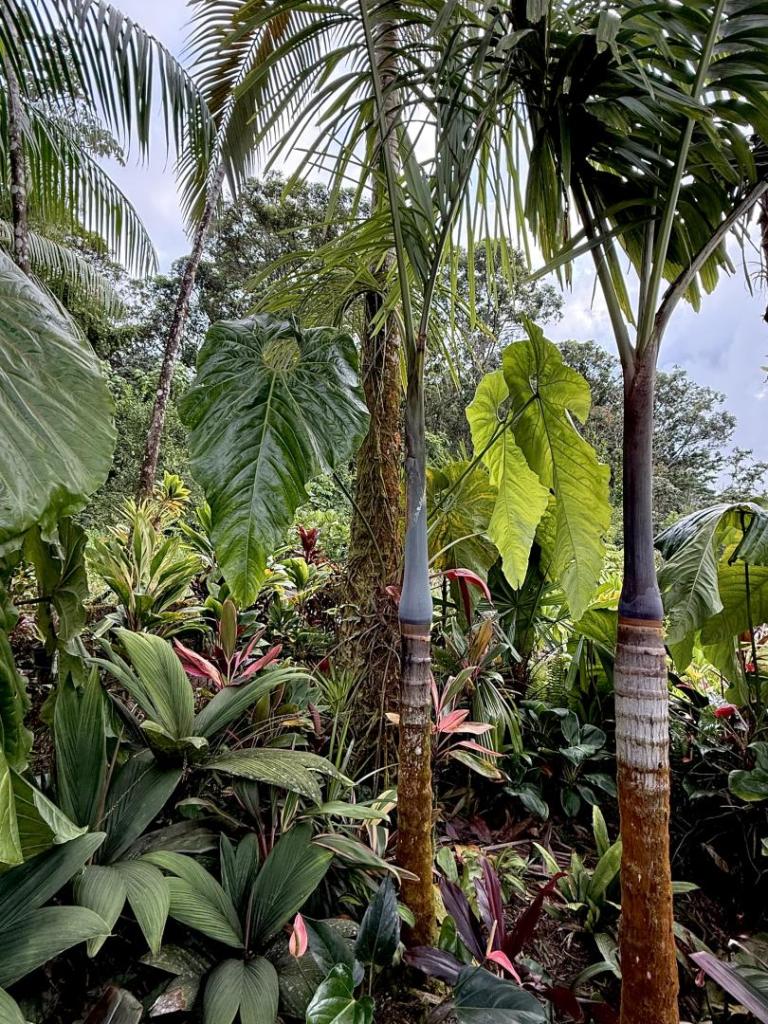
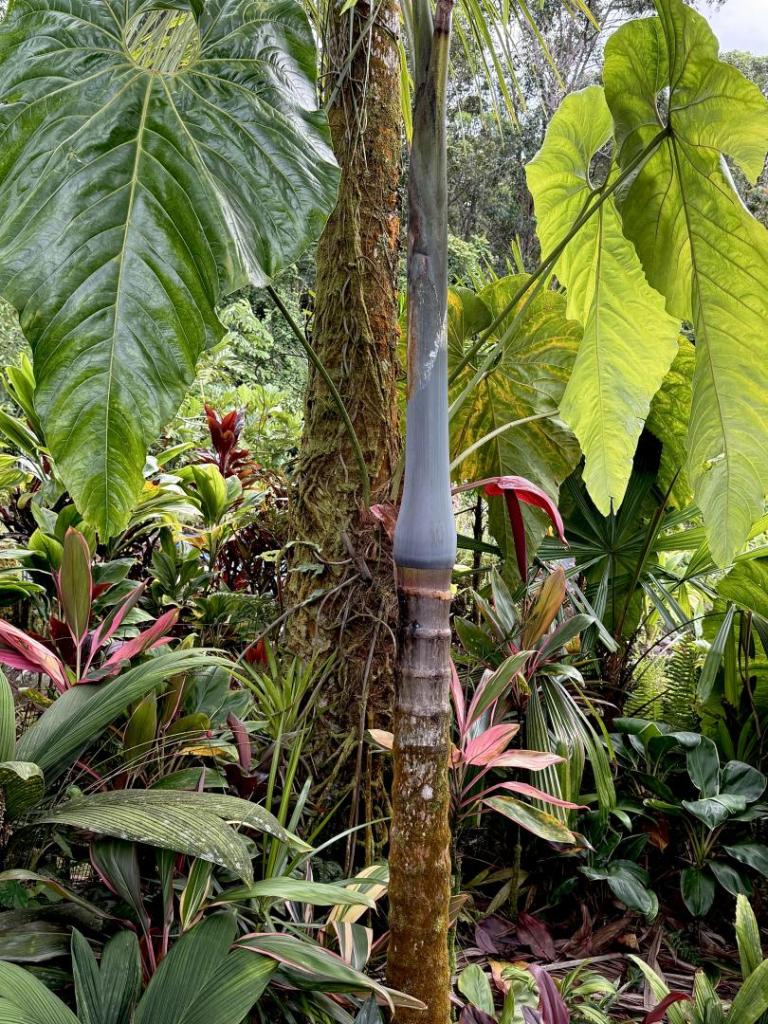
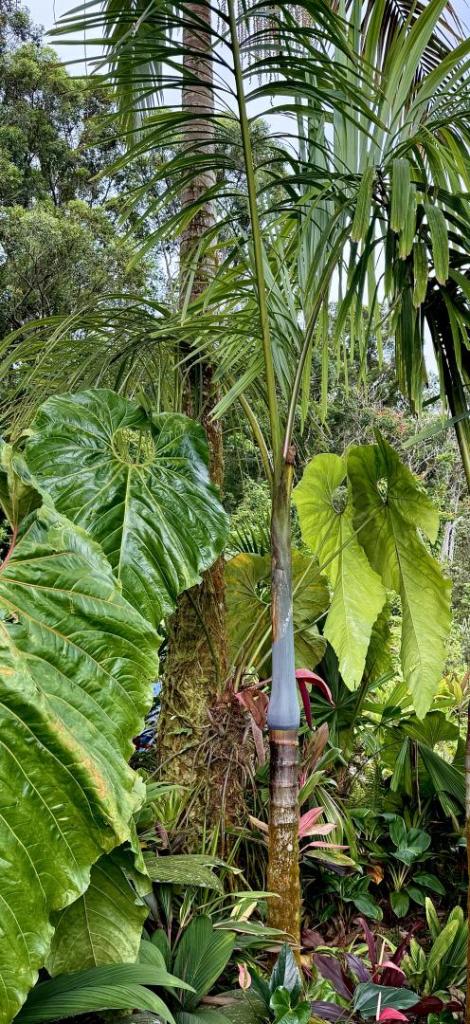
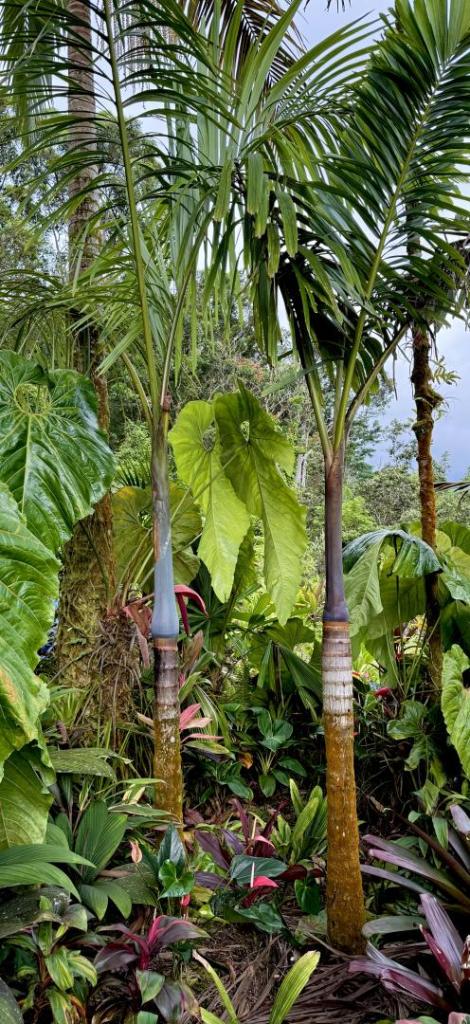
 11 pointsBeen awhile since I’ve posted photos of the Dictyocaryum in the garden. Over the years it’s evident that they are a bit out of their element in my garden, but are still beautiful nonetheless. Out of the original four, two faded away, the remaining two are powering on, although one took a hit from the months long drought last year. It seems to be rebounding as of late.The difference is apparent in the photos. Finicky at this lower elevation tropical climate. Always keeps me guessing. Tim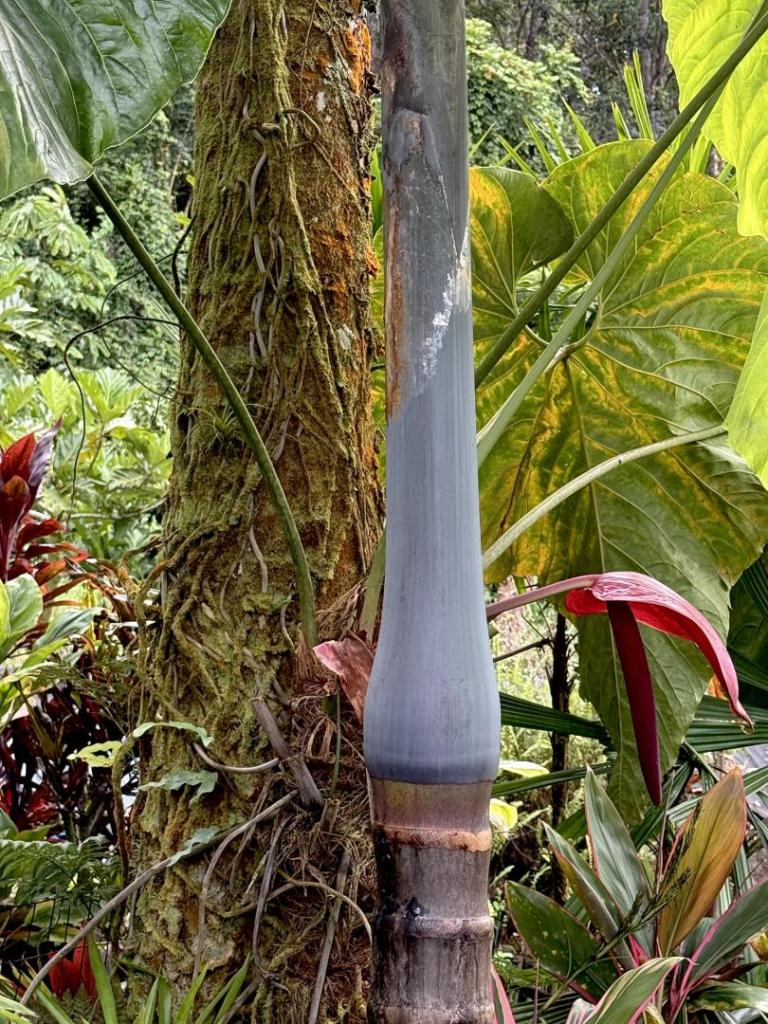
 11 points
 -
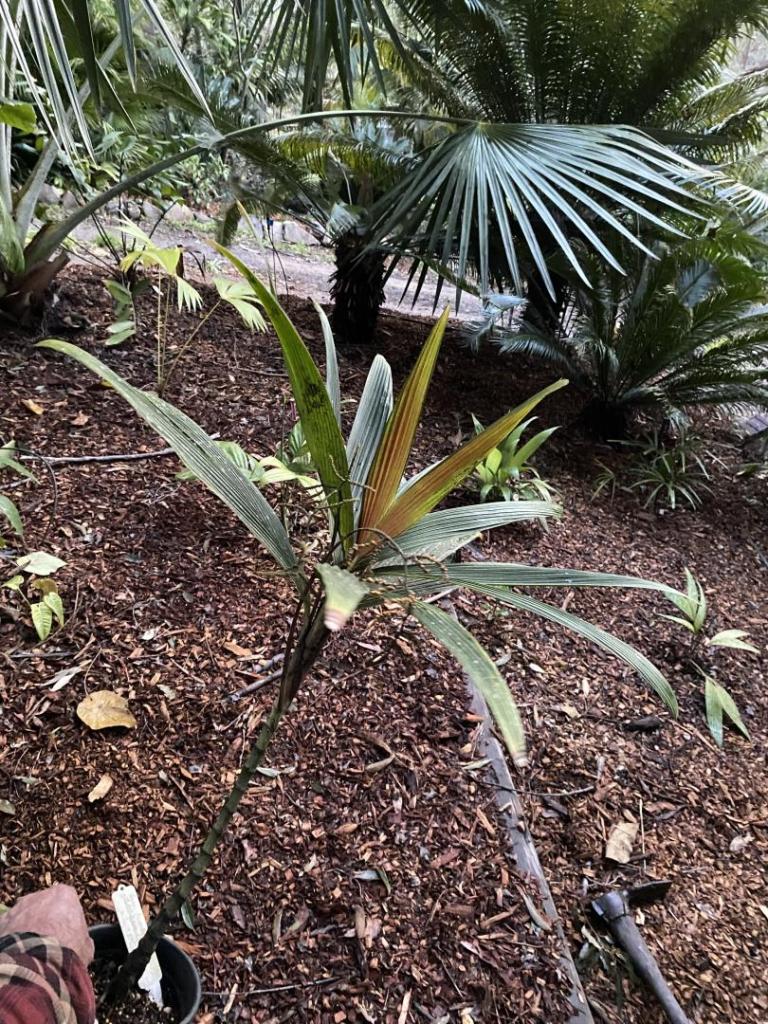
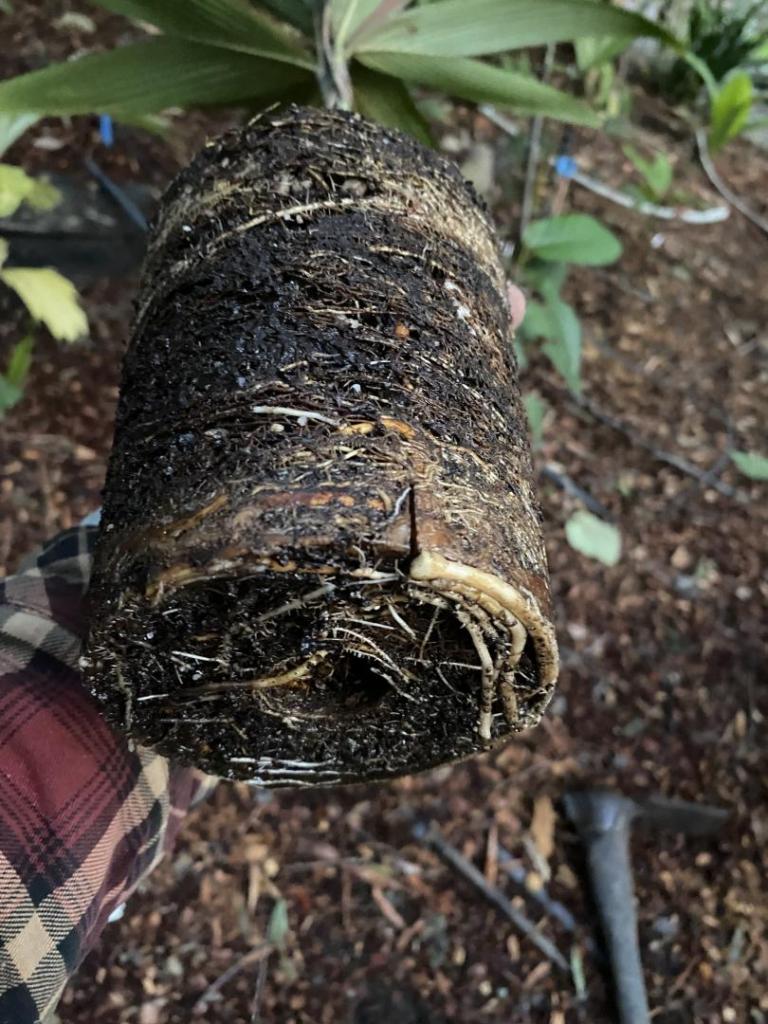
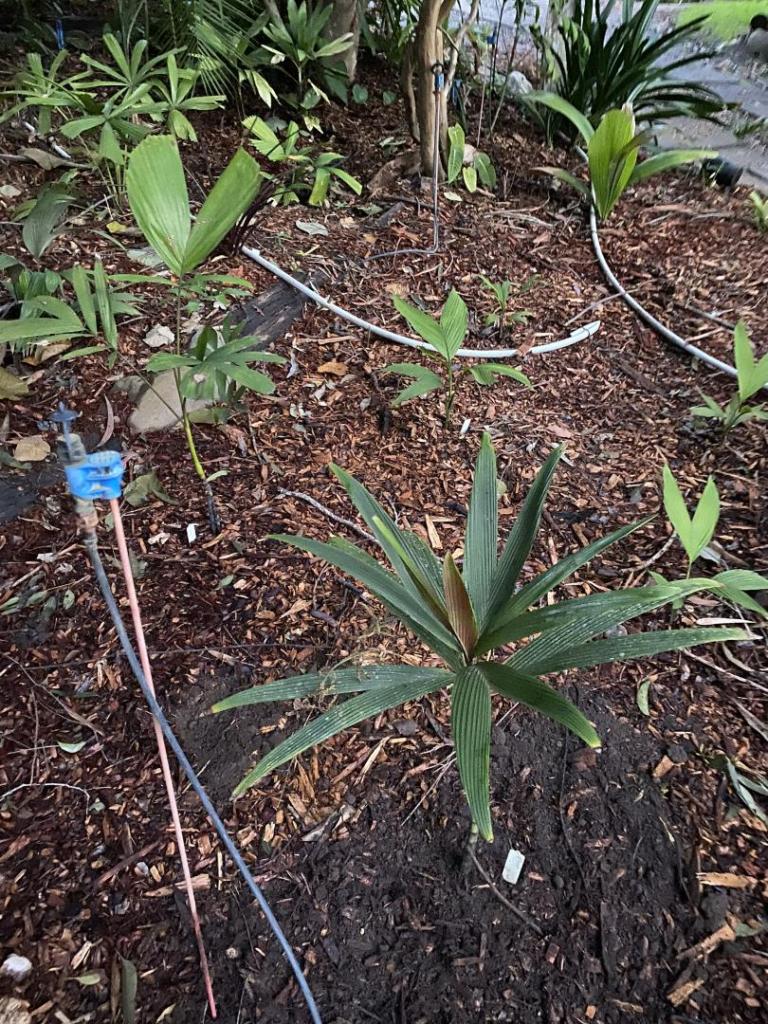
10 pointsA nice little 18 year old dypsis louvelli goes in the garden at the end of winter. I have been waiting a long time to plant this special one, one rare palm!
 10 points
 -
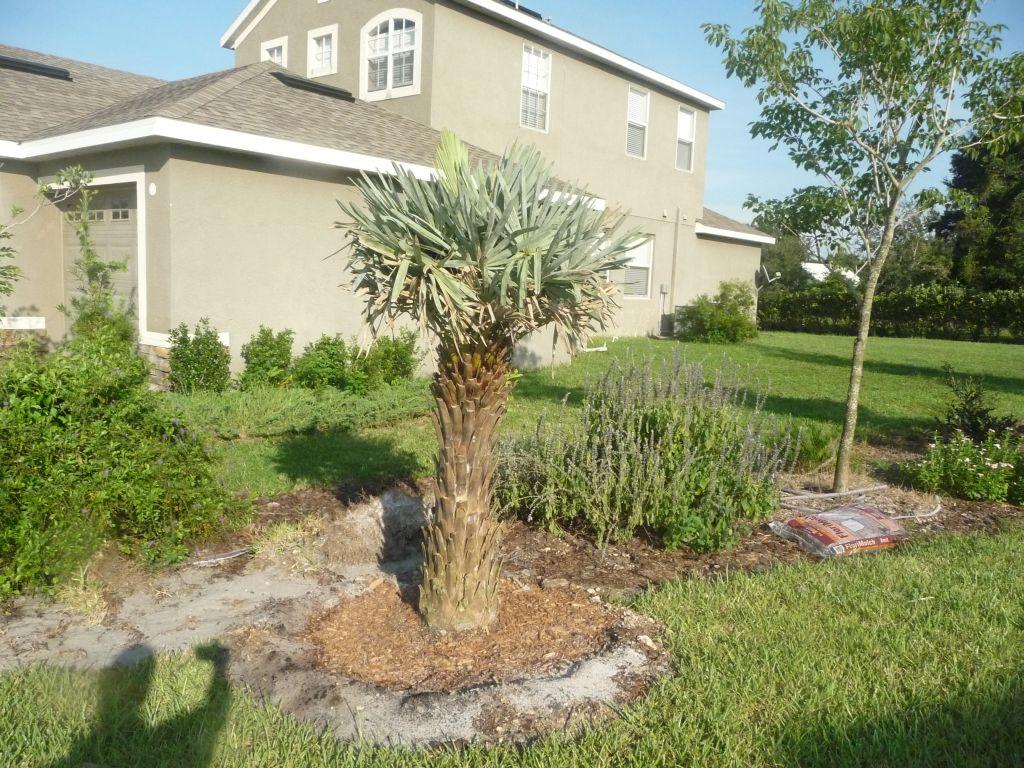
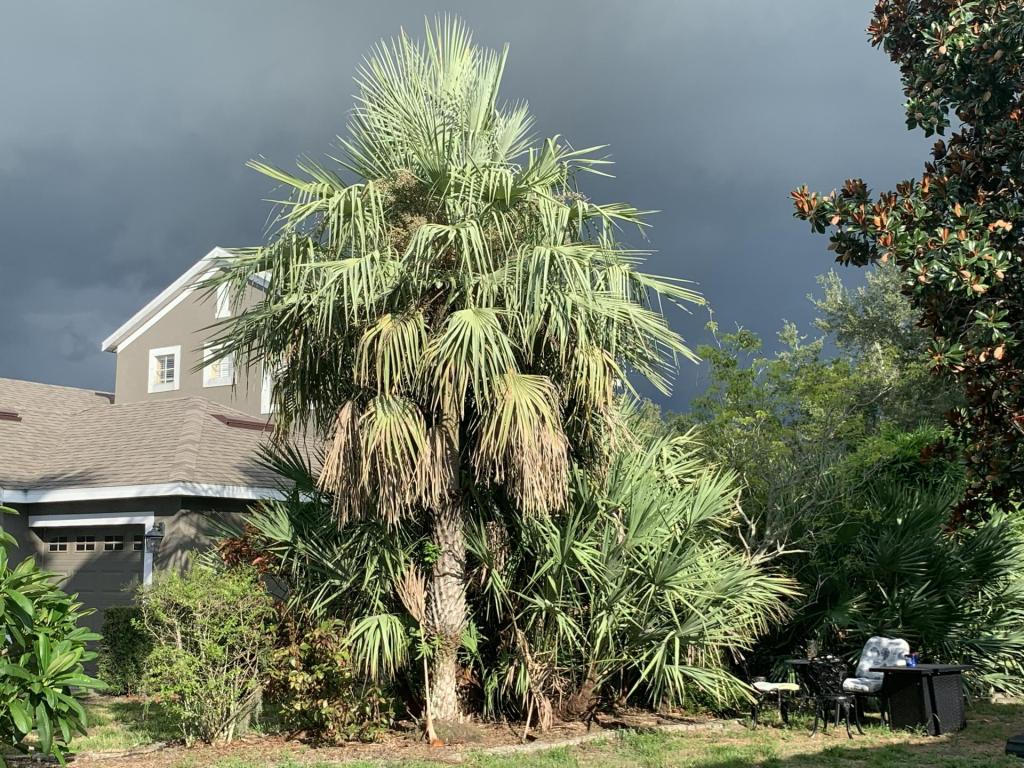
10 pointsI originally bought this copernicia alba from Ken Johnson. It had 3'+ of trunk in mid august 2011, with a tiny crown due to sitting in 90 gal pot for years. Ken said nobody wanted it and he recommended it to me. It was delivered with a few other specimen palms(C oliviformis). Over the years I notice that each year a bunch of spears(~10 or more) at the same height rose up and pushed the previous years leaves down towards the horizontal. The new leaves open pretty quickly when the palm is ready. They can be seen separated against the sky fromt he old ones in a cluster. It reminds me of a new flush of flowers. SO I use the term "flush" when a good number of leaves open is quick succession( a couple weeks). A couple days ago against a story sky but some sun peeking through at my back I took a pic to show the "flush". The only other palm I have that does this is P, rupicola. The rest take a week or more between the opening of spears. This palm was hit by Hurricane Milton and lost some was as leaflets were bent. It was one of the better performers of the well exposed palms in my yard. Here it is with the dead leaves from Milton still hanging on. You can see this years flush is separated from last years by angle to the horizontal. As you can see its in sandy soil and has a little clay underneath at 2'. Its not in a wet spot irrigation or soil wise, and it did suffer in this drought but looks ready to go after the recent rains. The leaves are now self shedding to a smooth trunk the latest 3' of trunk(out of view here). Does anyone else out there have an alba story or a newly planted alba?
 10 points
 -
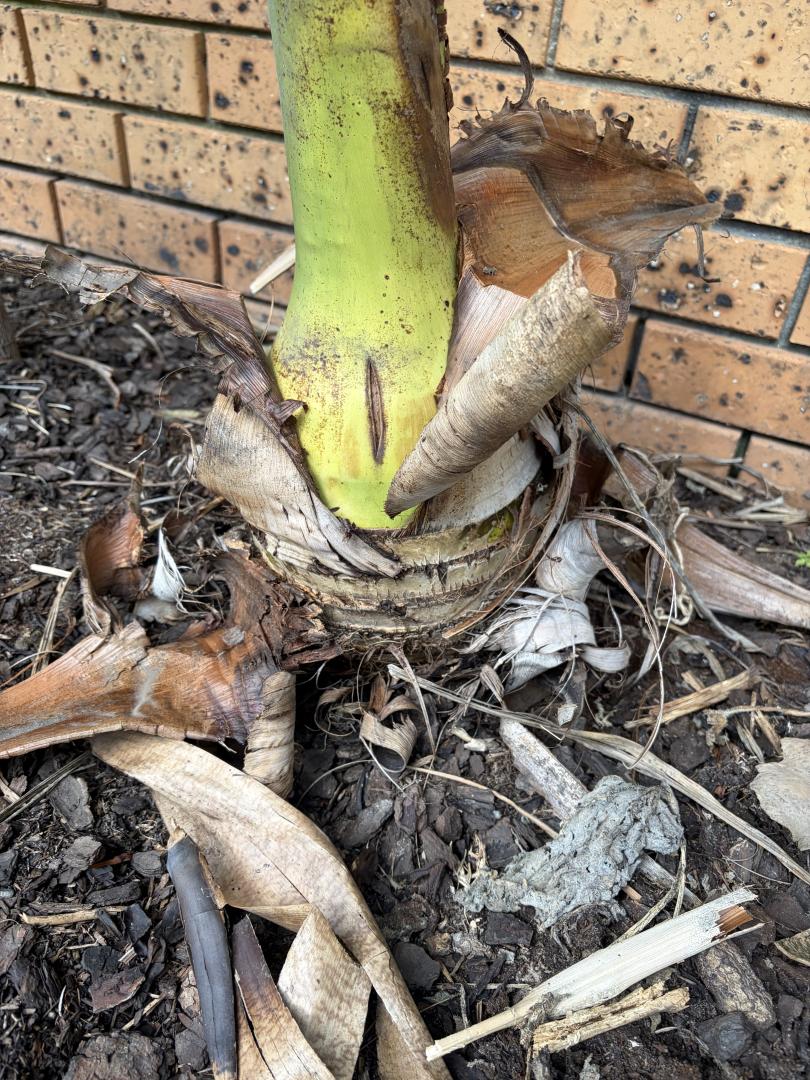
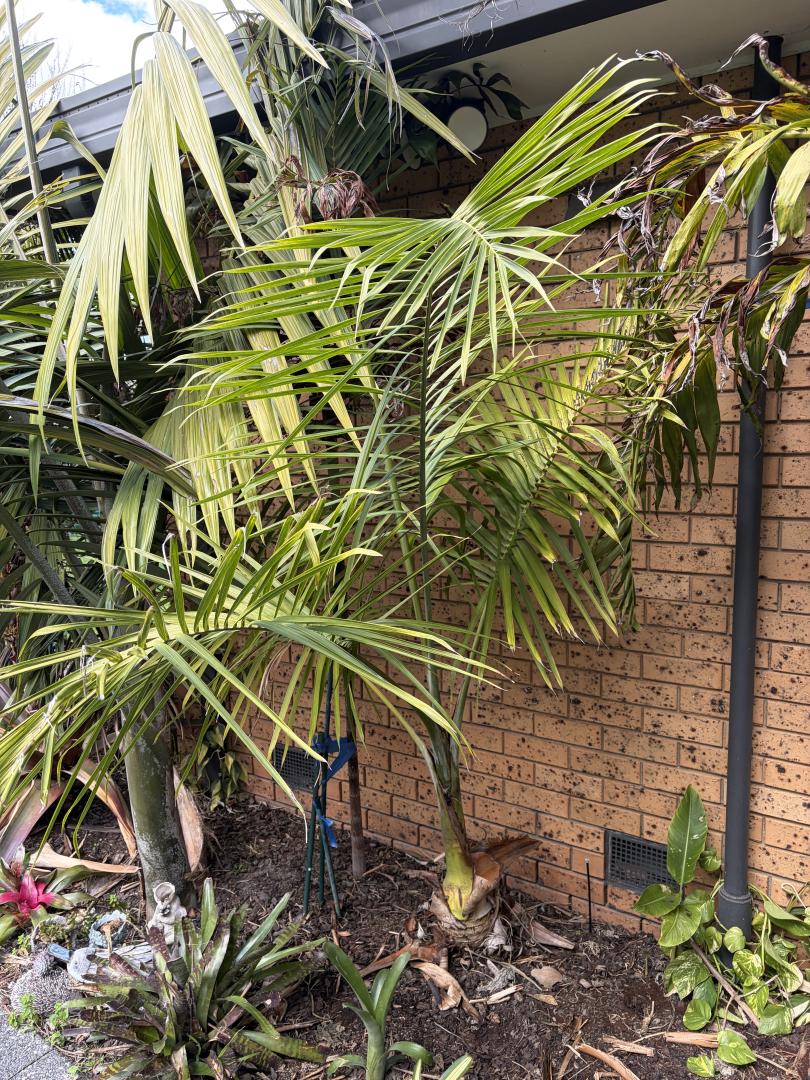
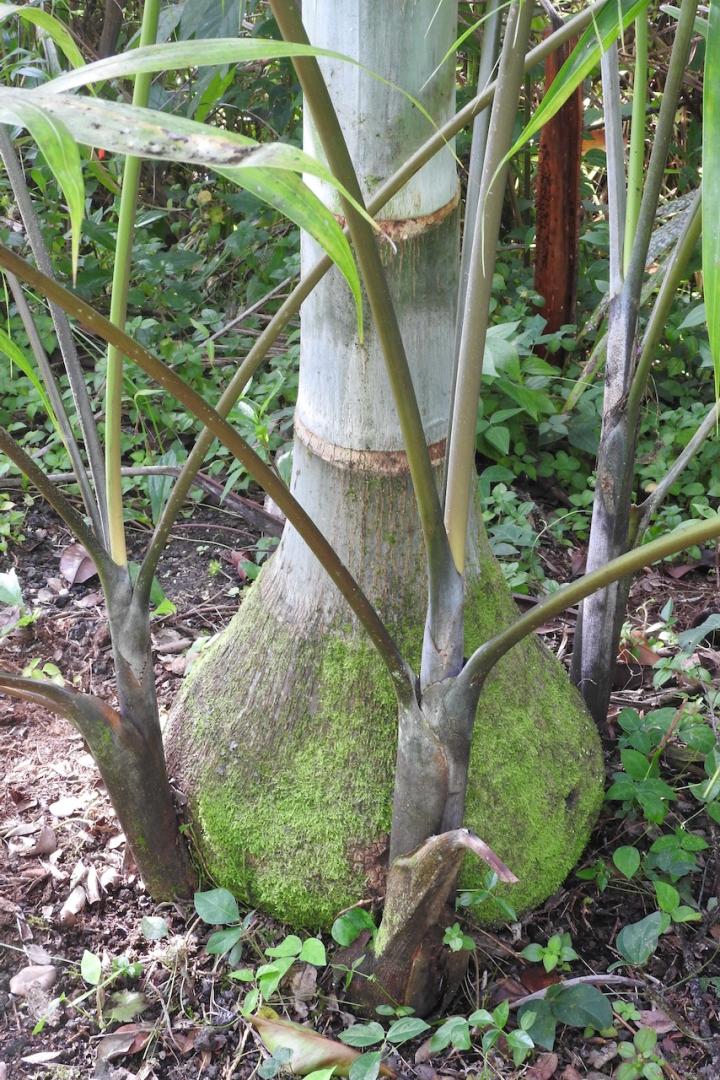
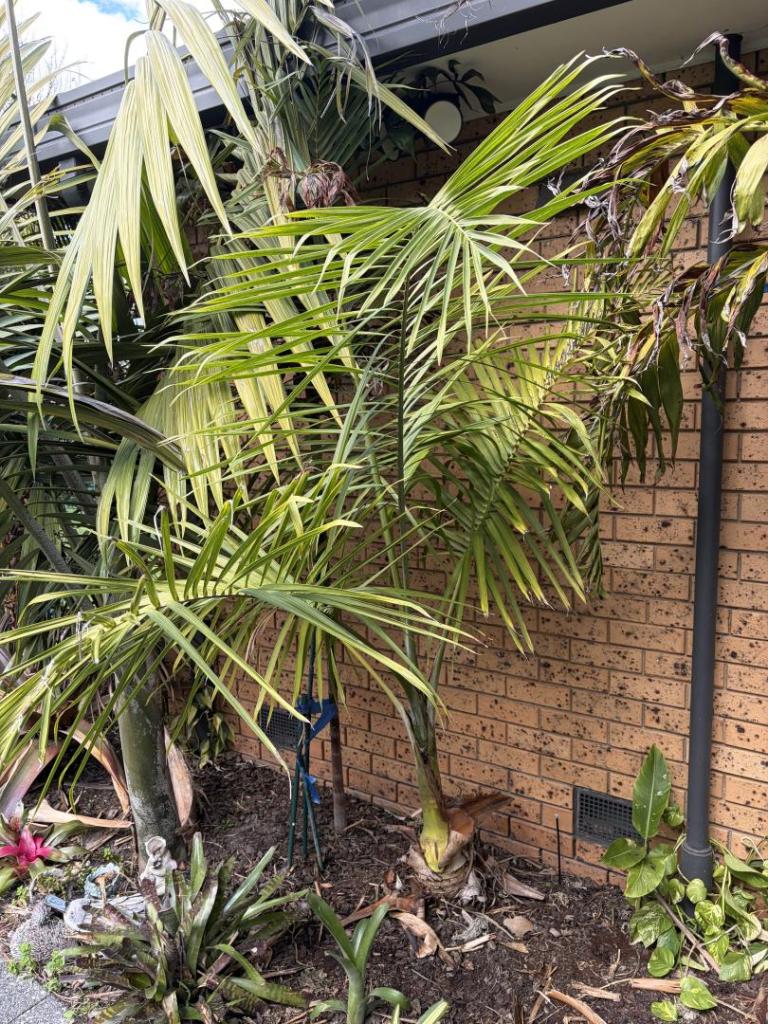
 10 pointsA species that probably doesn’t get much attention on here - Gaussia maya. It’s been bulletproof for me on a north facing brick wall which probably helps with additional heat retention. Love the chunky base, will look great when the leaf bases start to fall off.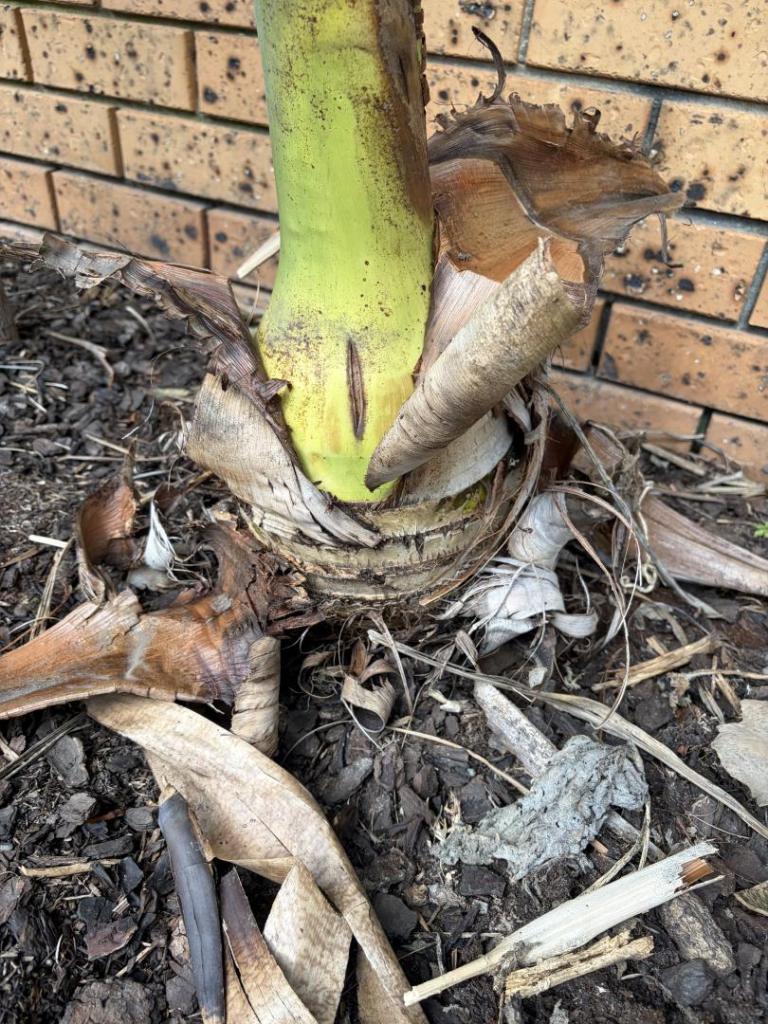
 10 points
 -
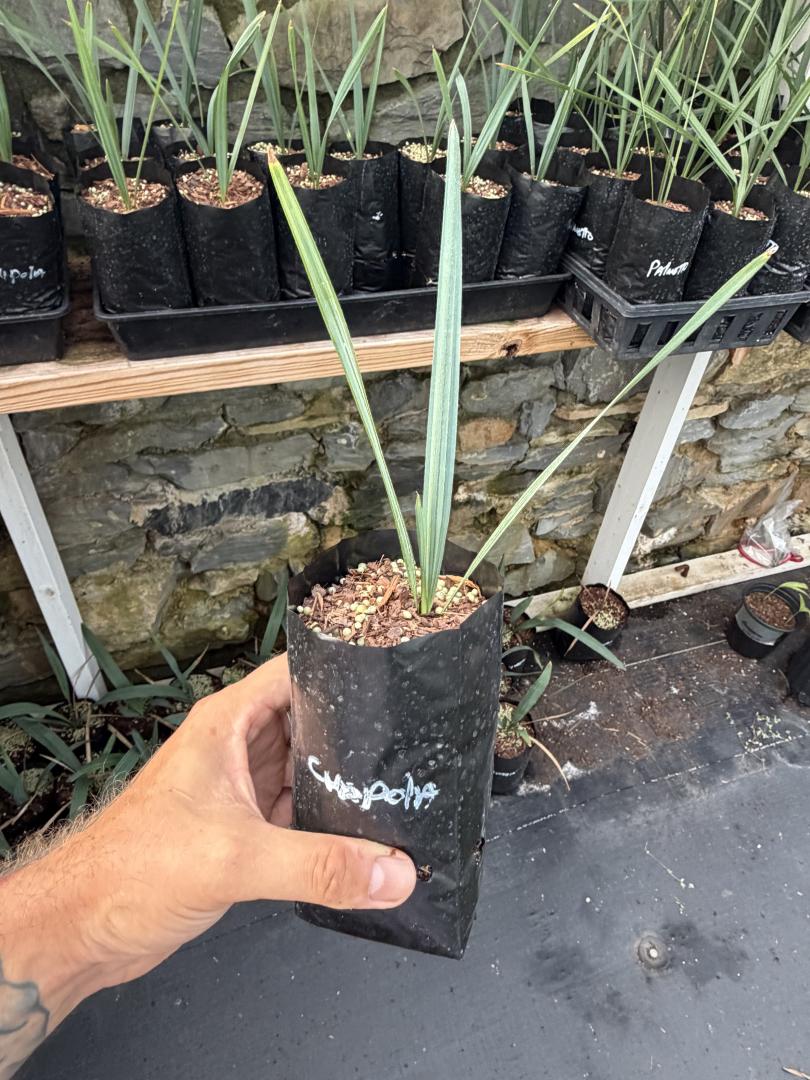
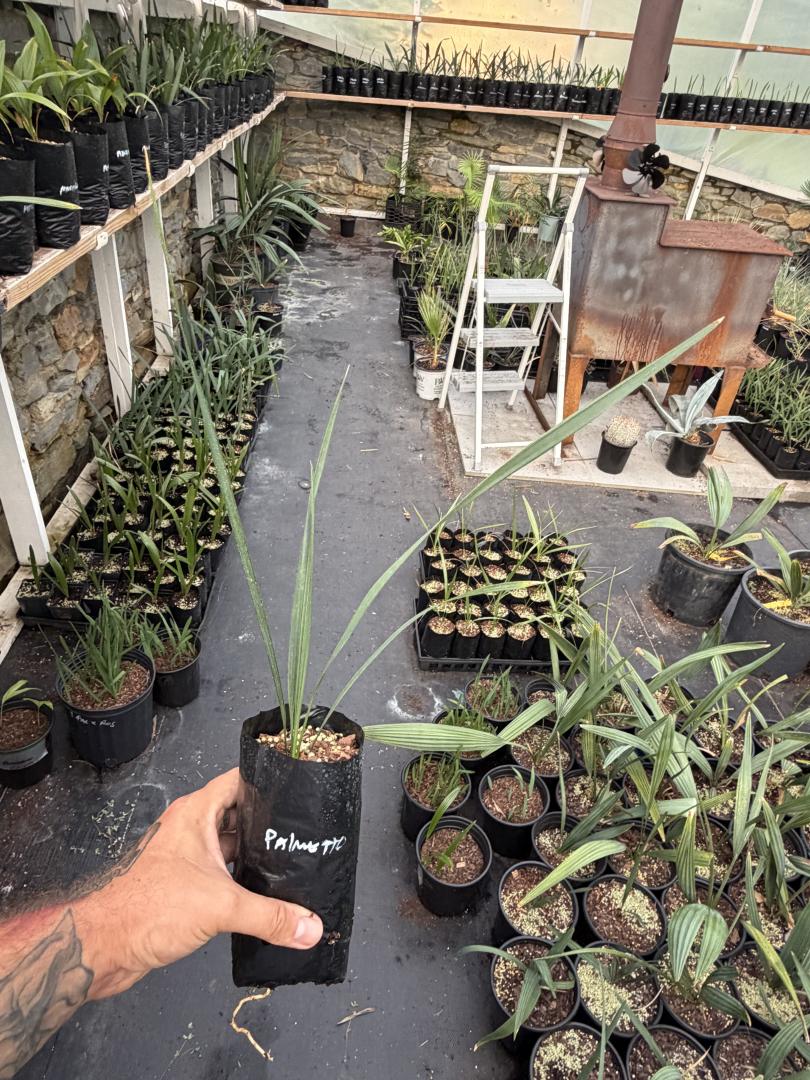
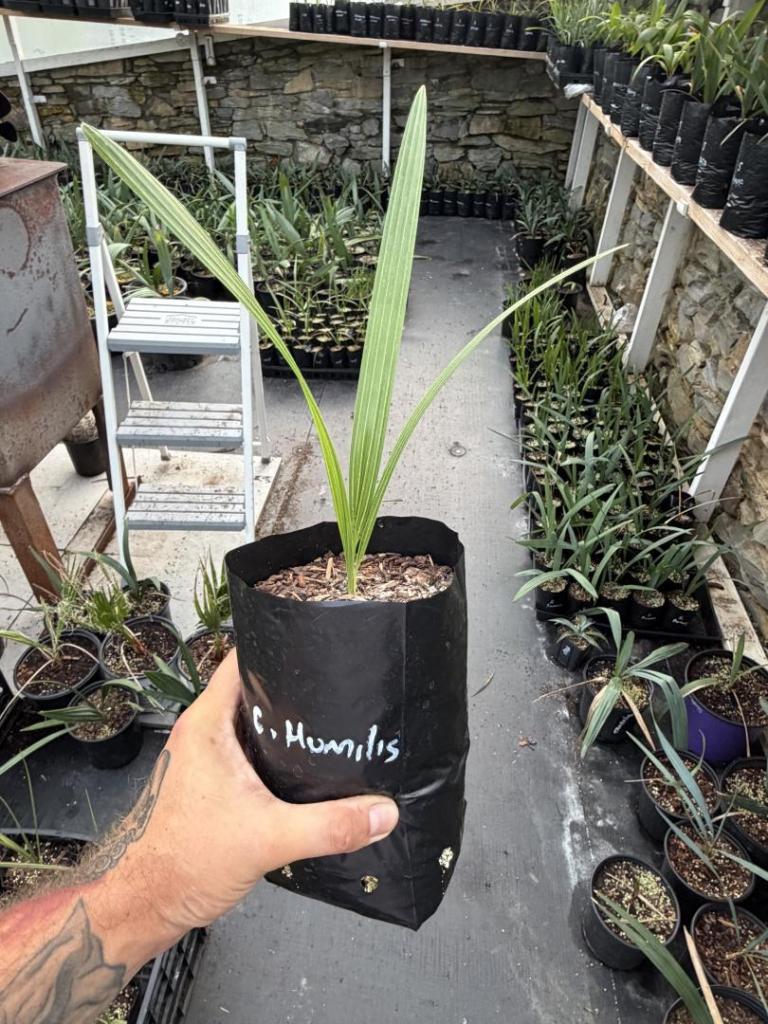
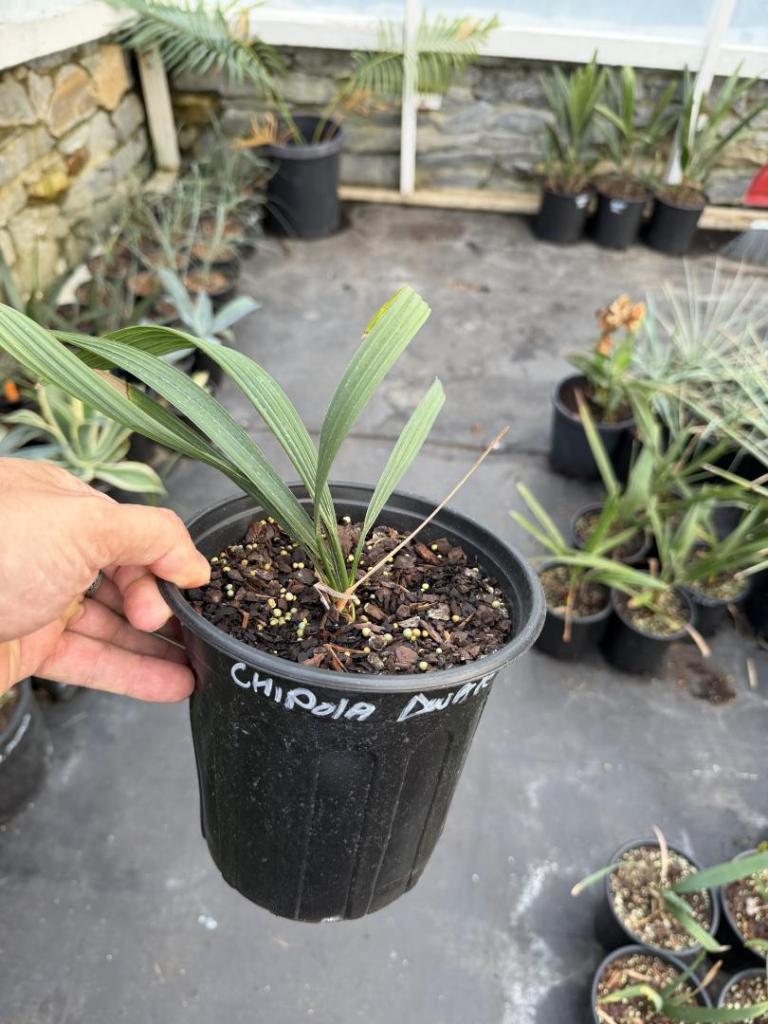
 Been a while since I’ve posted on here. I run Teddys Nursery, a licensed and state-inspected nursery here in Tennessee. Selling mostly cold hardy palms. I’m going to start moving some plants on here at PalmTalk prices — considerably cheaper than my normal online prices. I’ll post pictures, sizes and prices below. Just shoot me a PM if you’re interested. Prices are for the palm only. PM me your address and I’ll show you the exact shipping cost on PirateShip. Everything ships in pots or grow bags. If anyone feels more comfortable buying through eBay, you can also check out Teddys Nursery there and order through my store. https://ebay.io/m/tWPIBT Sabal minor McCurtain 1 gallon $18 Sabal minor Chipola dwarf 1/2 gallon $12 Sabal palmetto 1/2 gallon $12 Washingtonia filifera 1/2 gallon $12 Sabal mexicana 1/2 gallon $12 Sabal pumos 1/2 gallon $12 Sabal mauritiformis 1 gallon $18 Sabal yapa 1 gallon $18 Chamaerops humilis 1 gallon $18 Sabal Birmingham 1 gallon $18 Sabal Louisiana 1 gallon $18 Sabal bermudana 1 gallon $18 Chamaerops humilis ‘Vulcano’ 1 gallon $18 Brahea Armata 1 gallon $22 Sabal minor blountstown dwarf 1 gallon $18 Sabal minor chipola dwarf 1 gallon $18 Livistonia decora 1 gallon $20 Sabal Maritima 1 gallon $18 Sabal brazoriensis 3 gallon $32 Trachycarpus wagnerianus x fortunei hybrid 3 gallon $32 Sabal minor 3 gallon $32






 9 points
 -
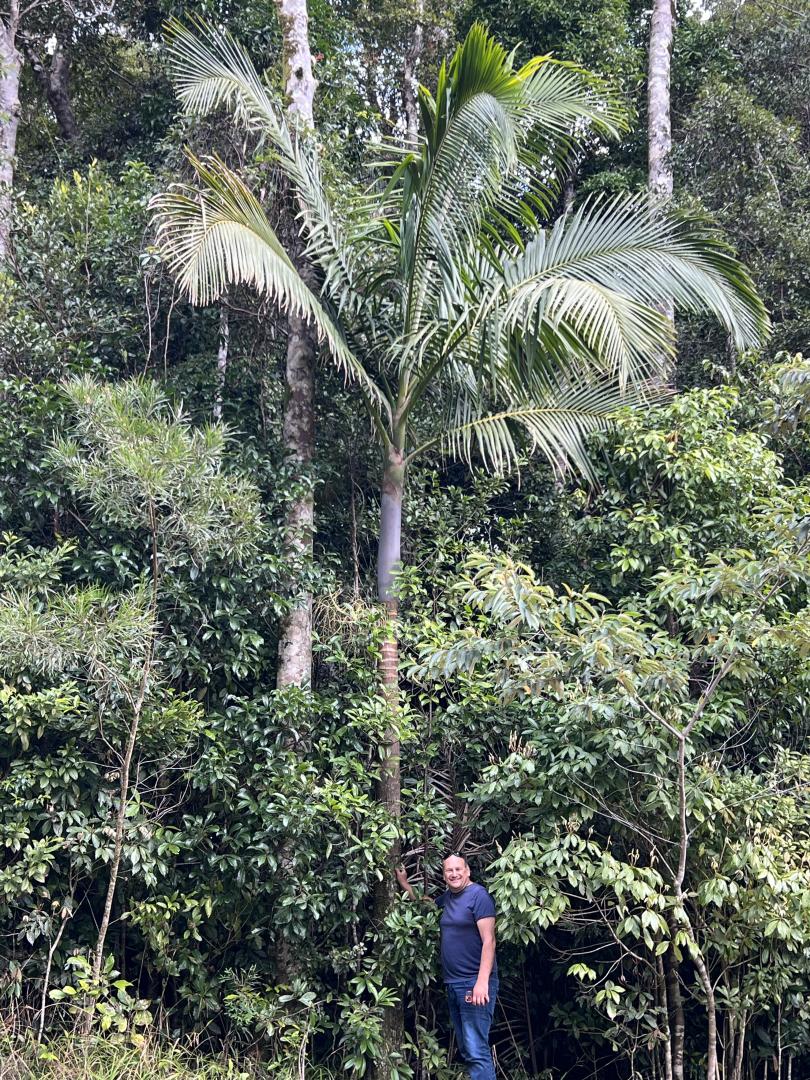
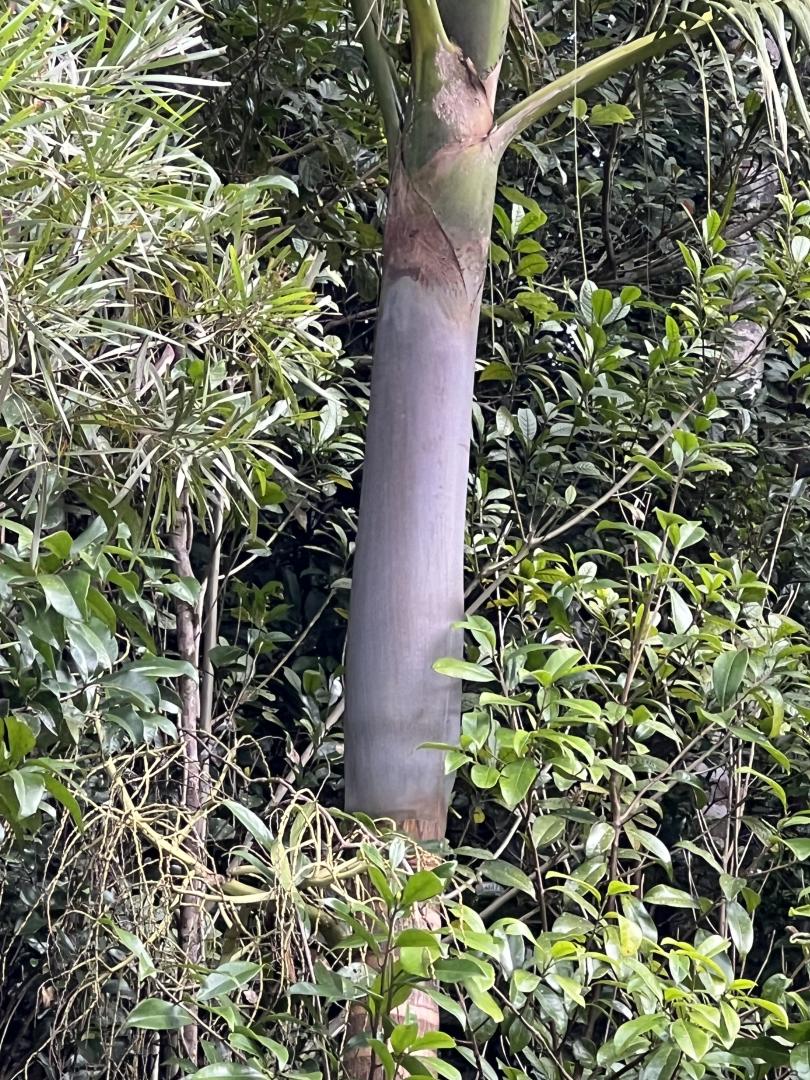
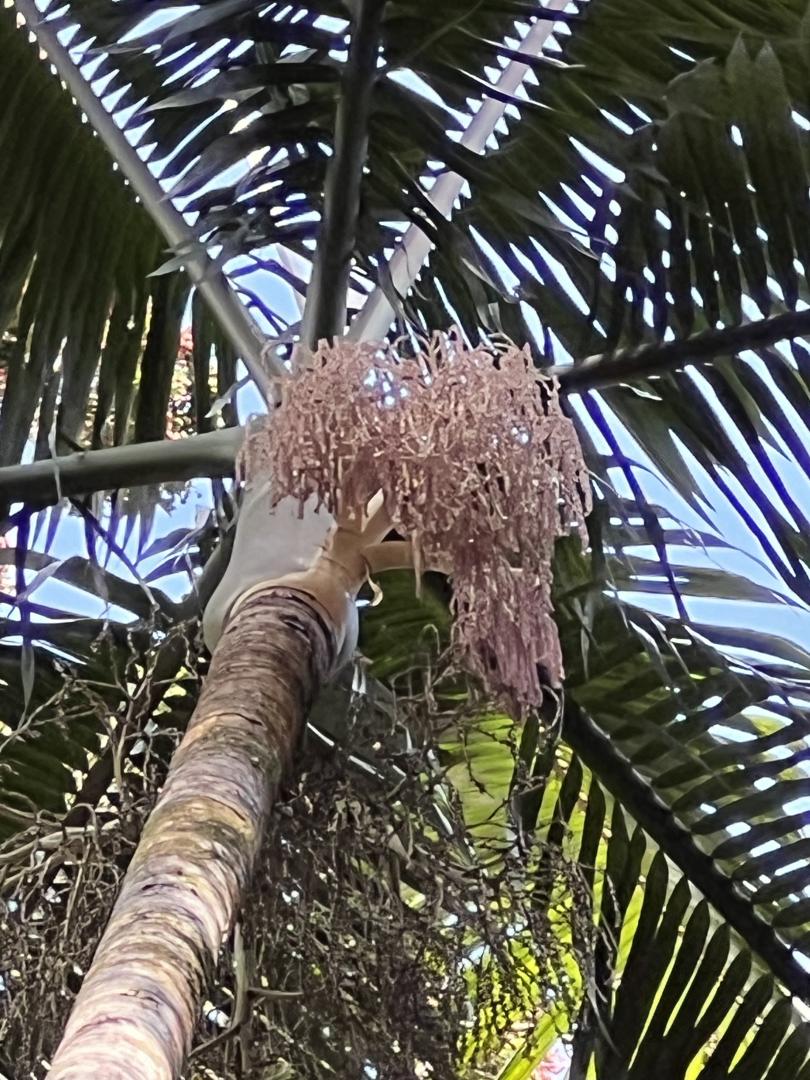
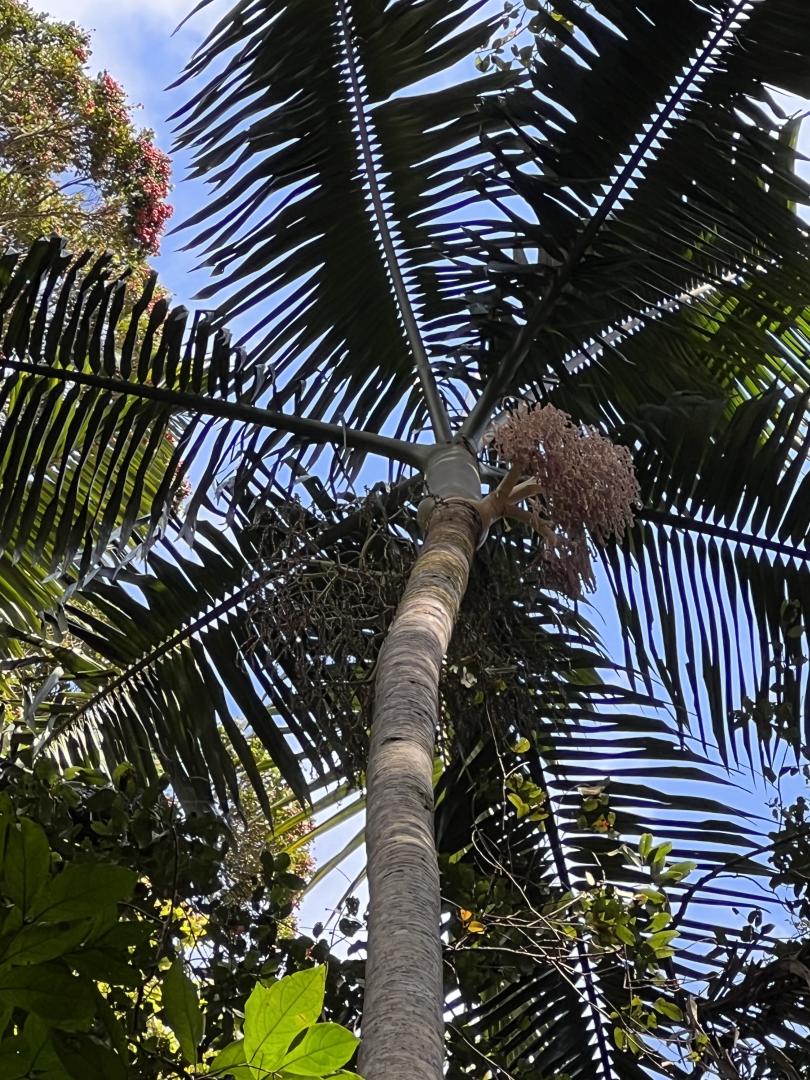
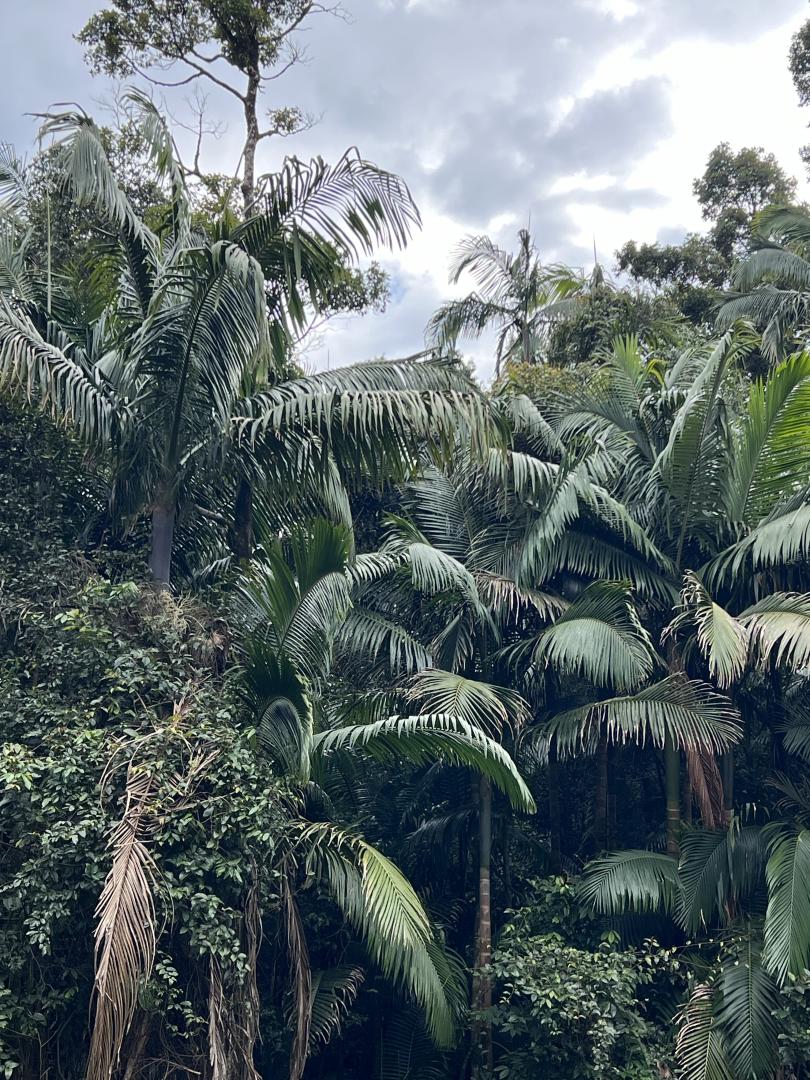
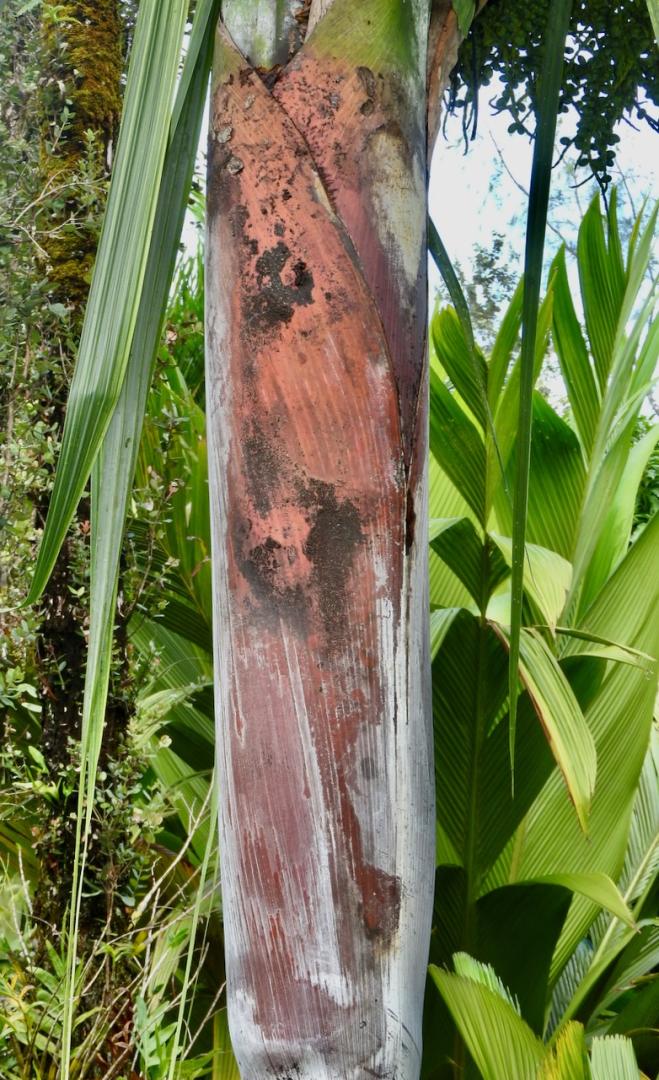
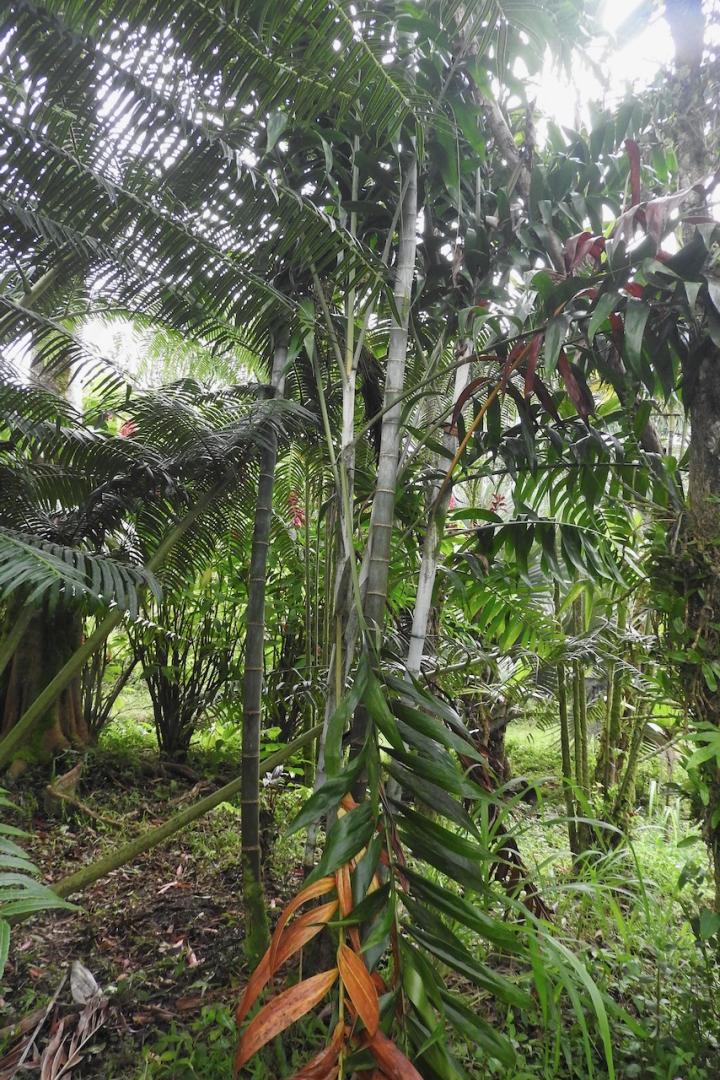
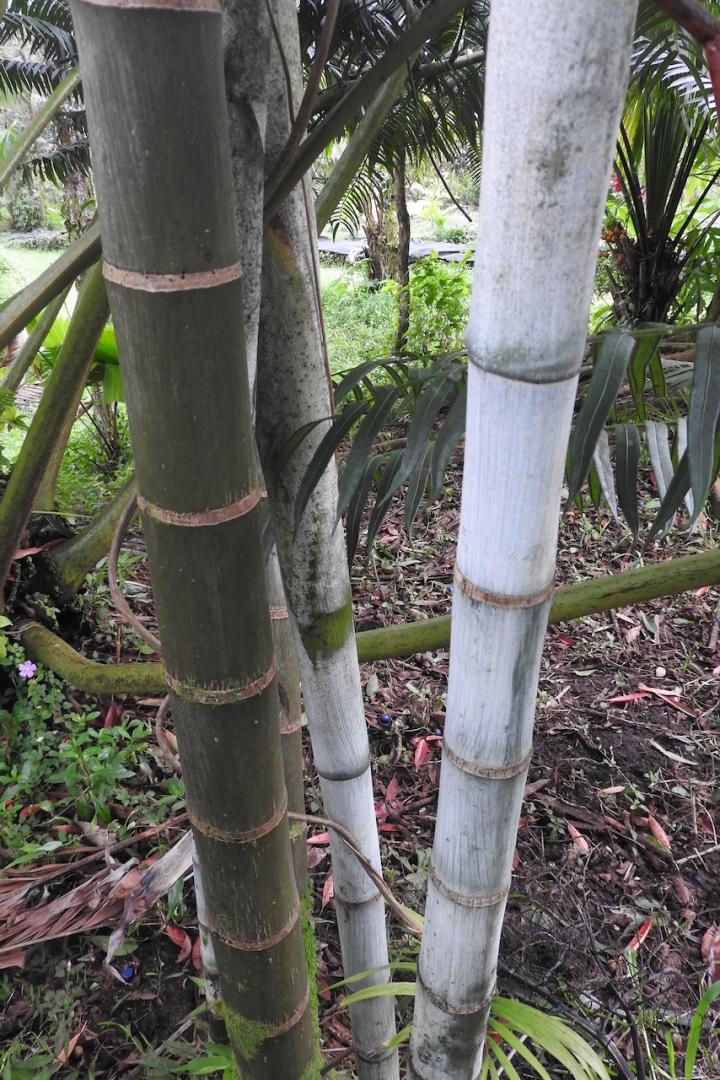
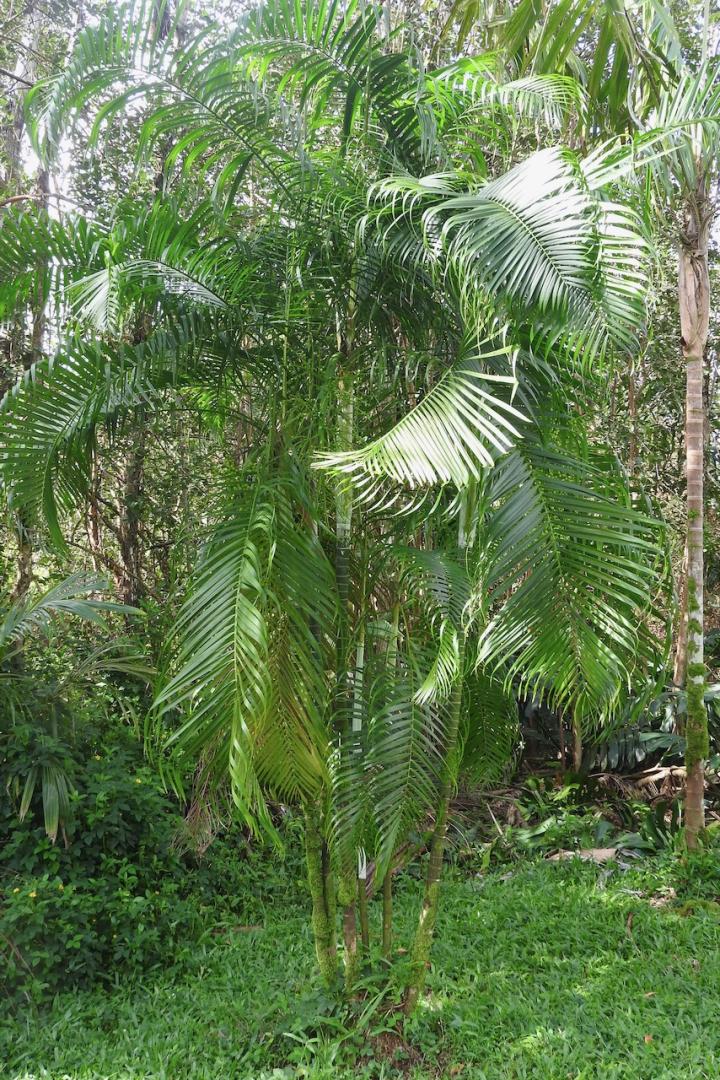
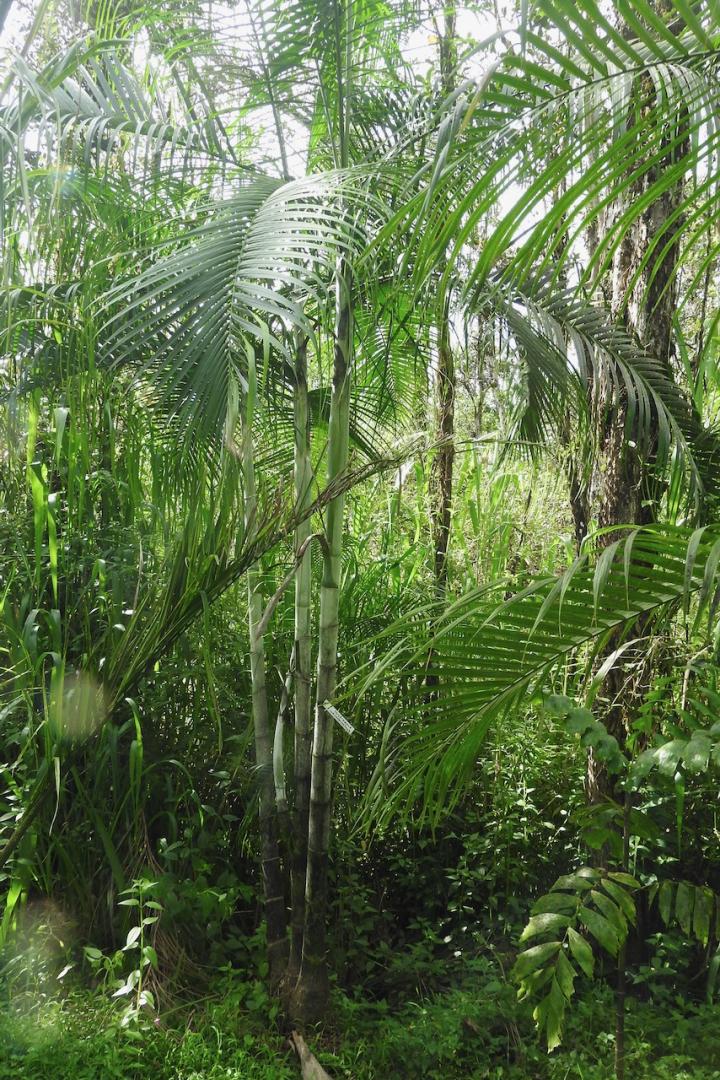
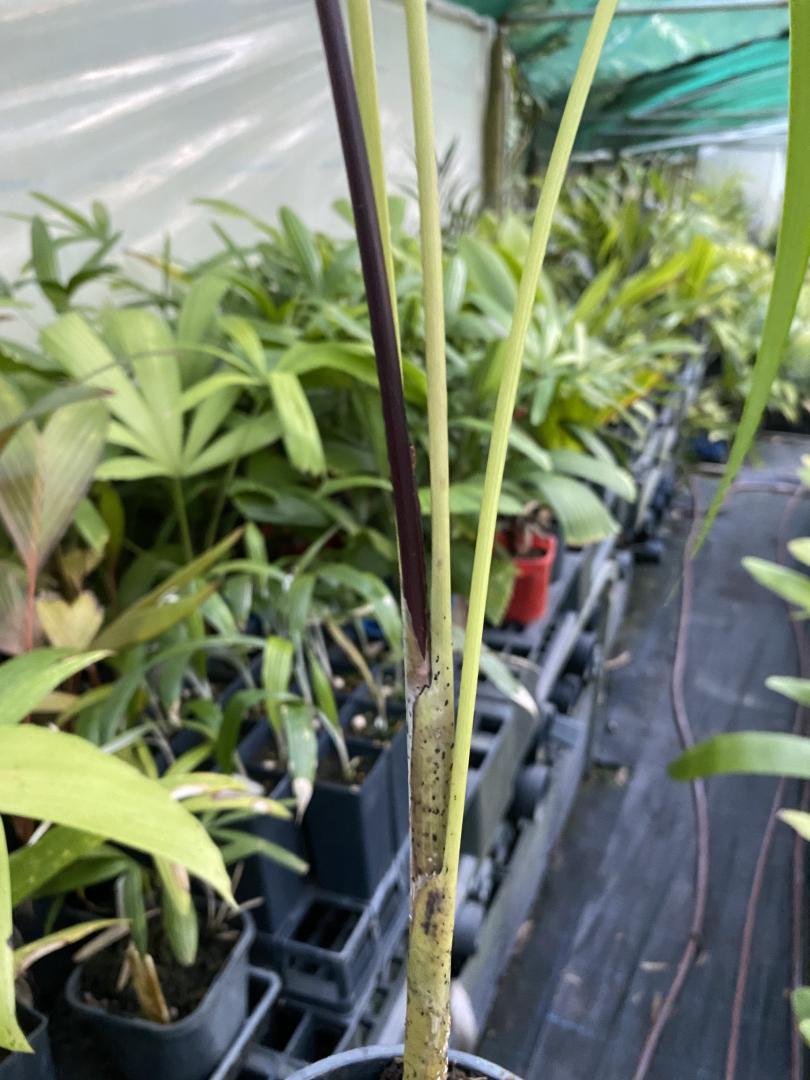
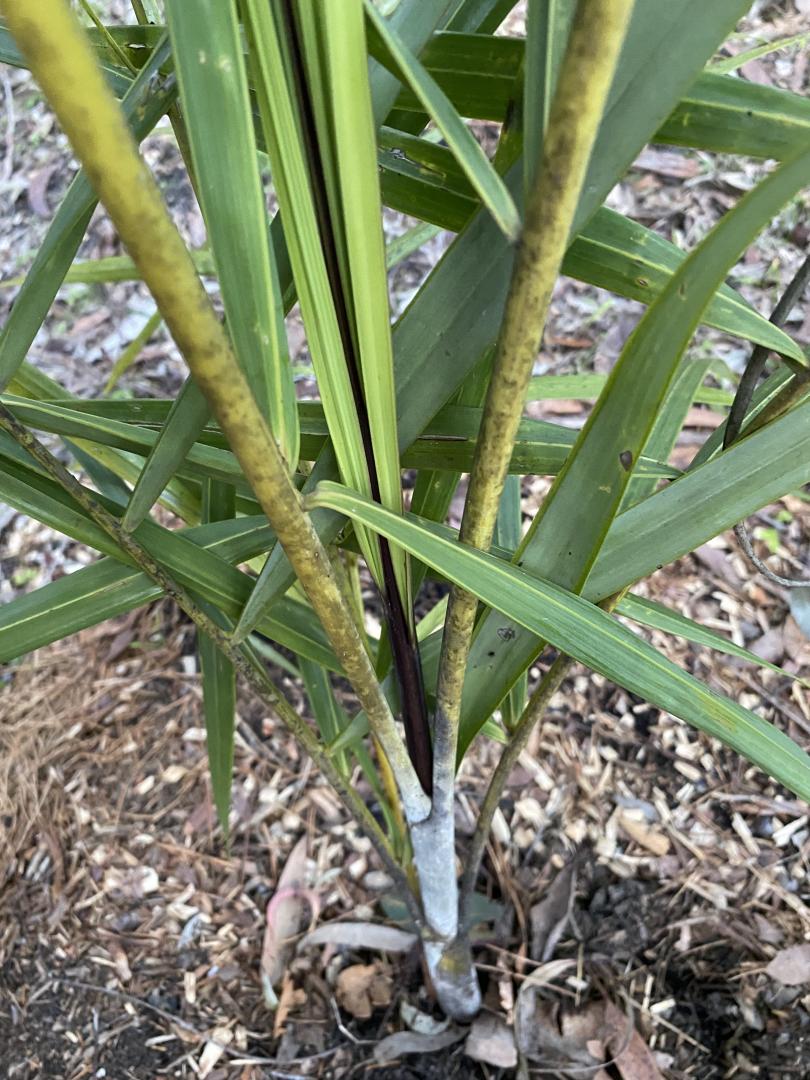
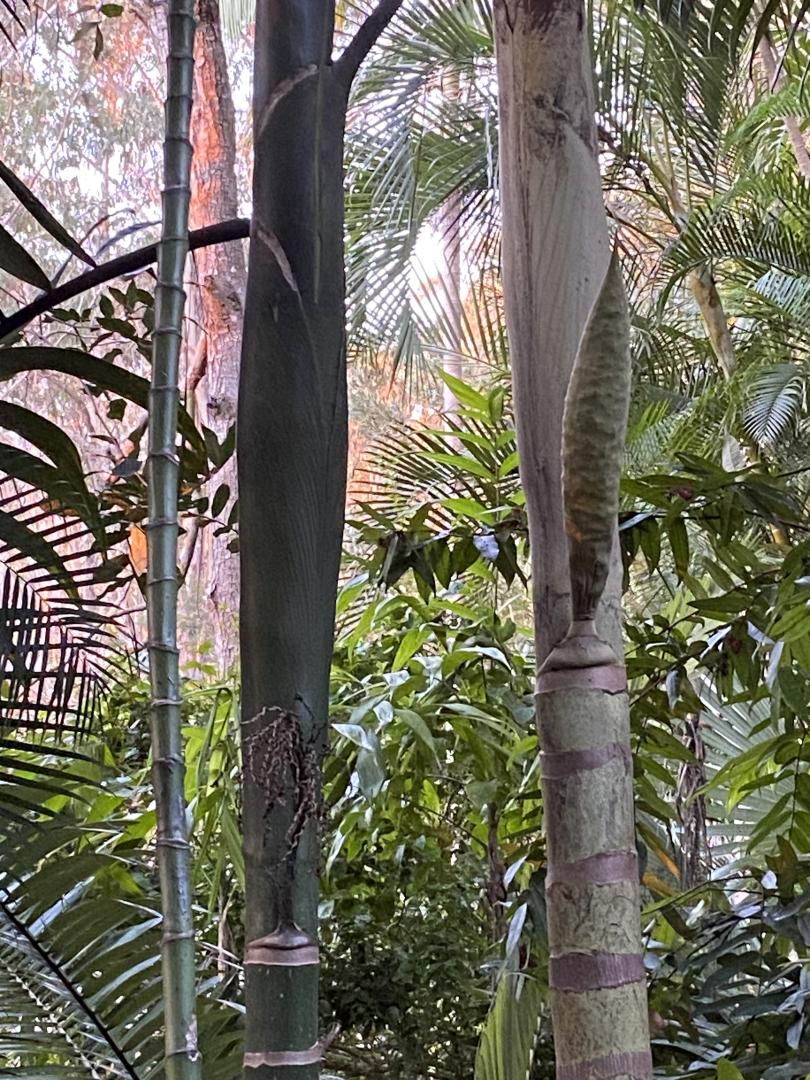
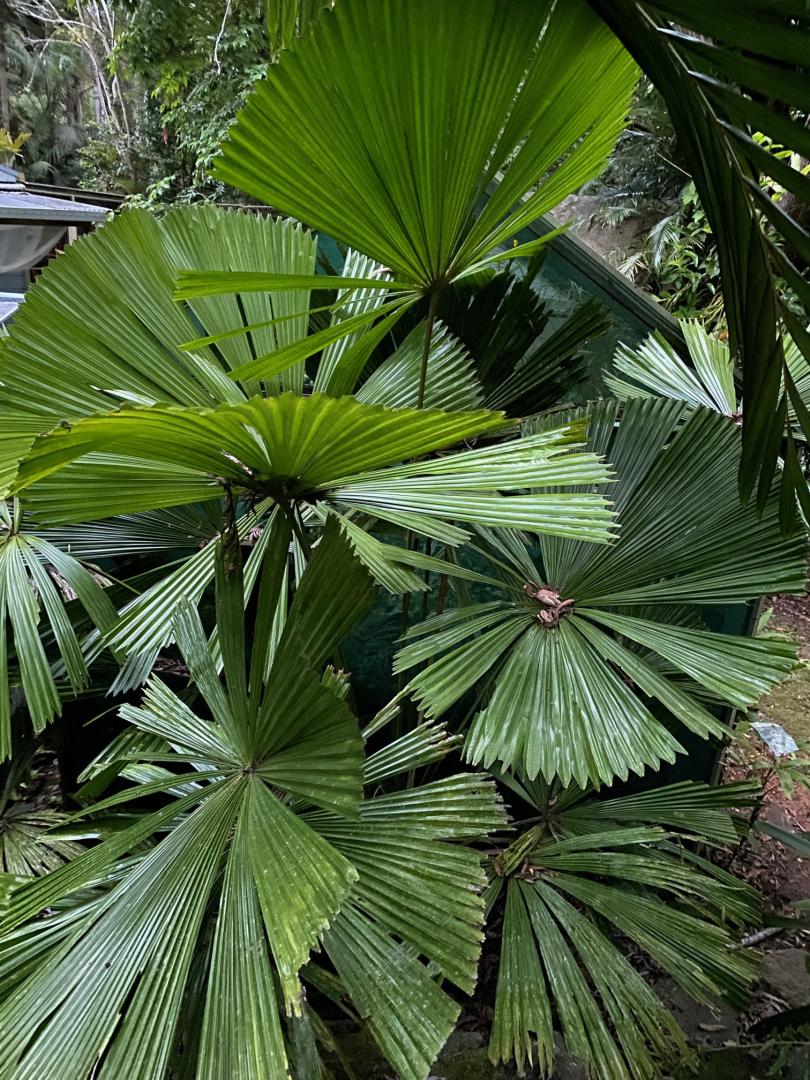
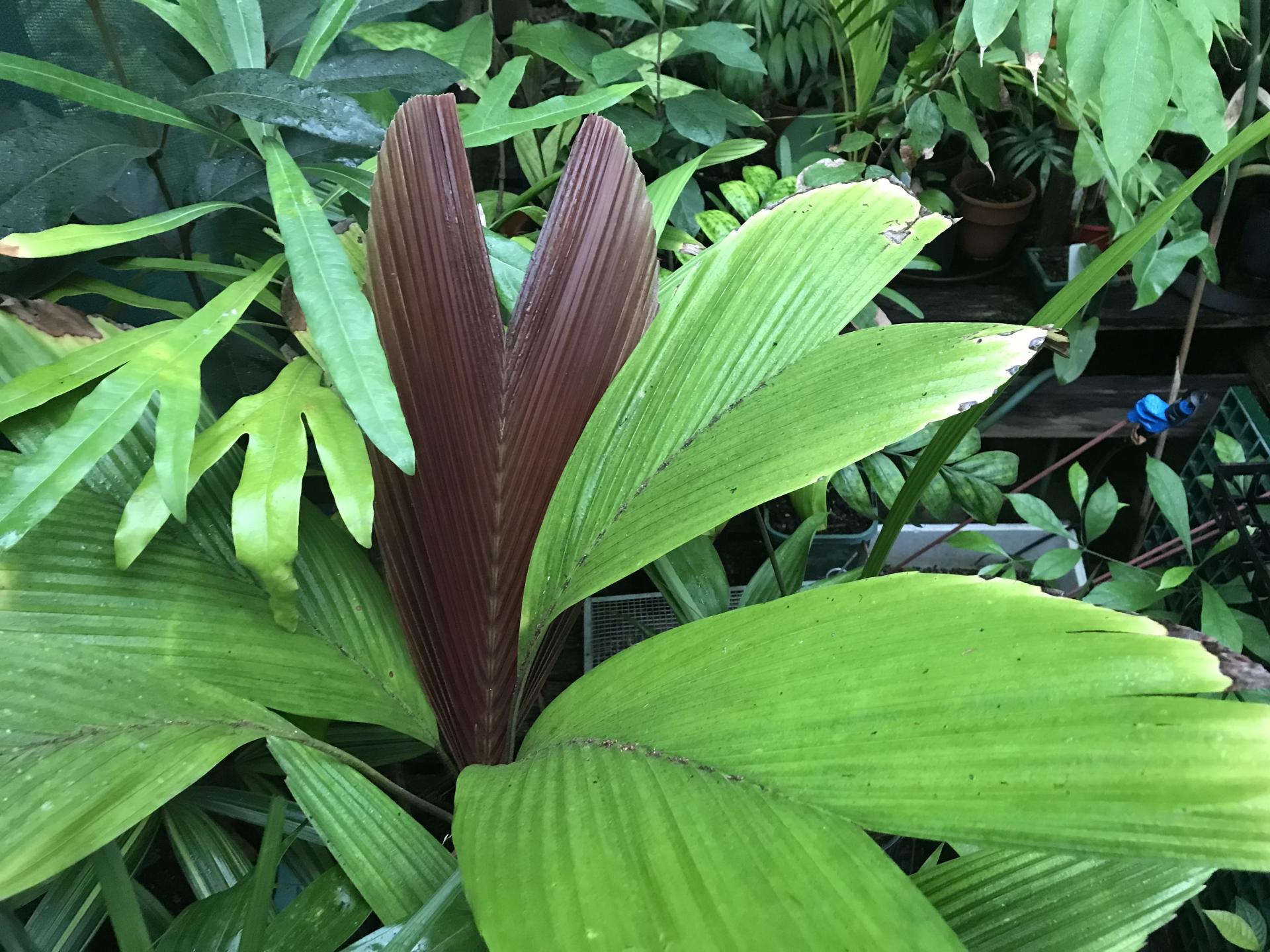
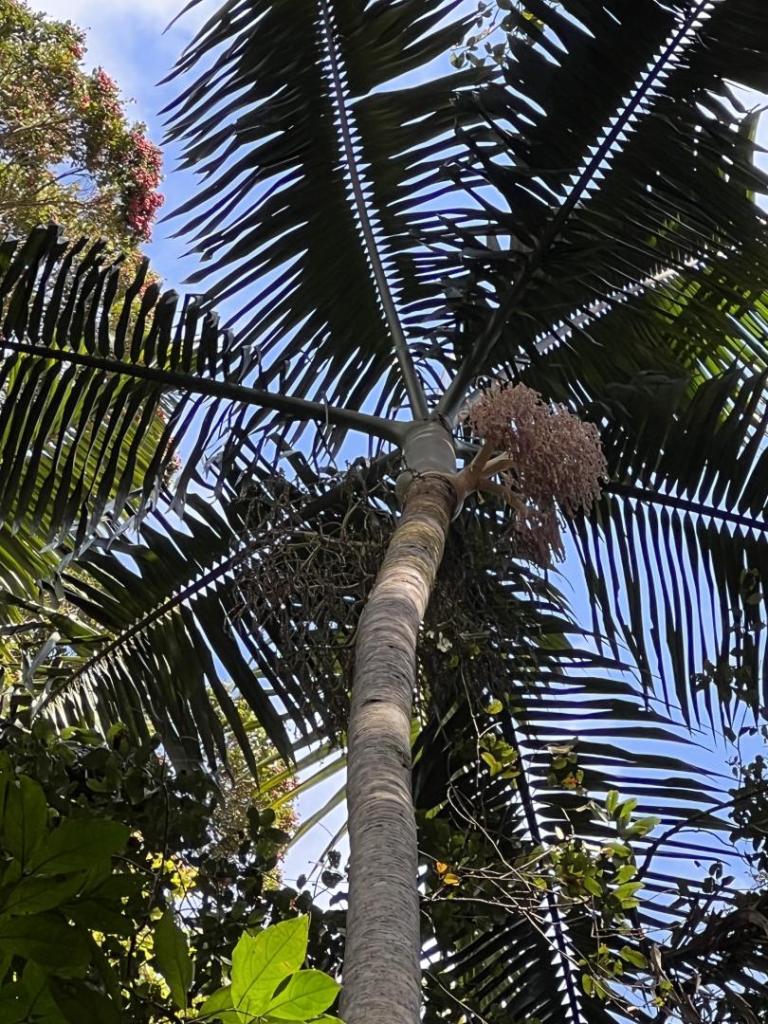
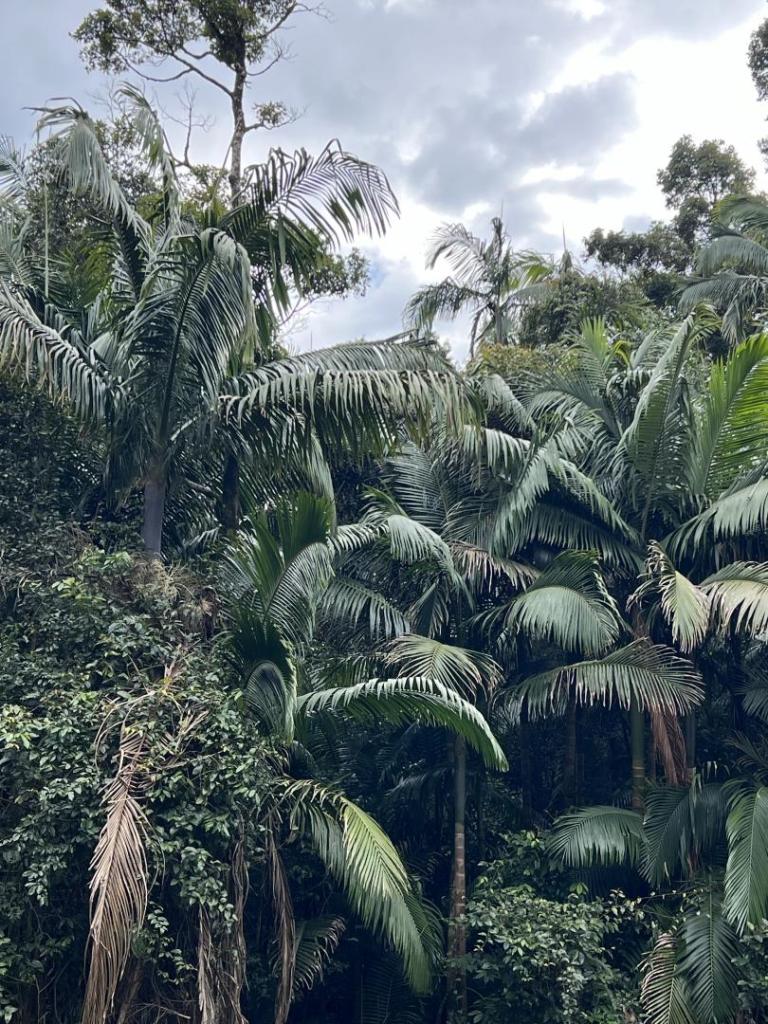
9 pointsI was looking at some rainforest in north qld the other day and spotted these palms. Lots of purple on these ones.


 9 points
 -
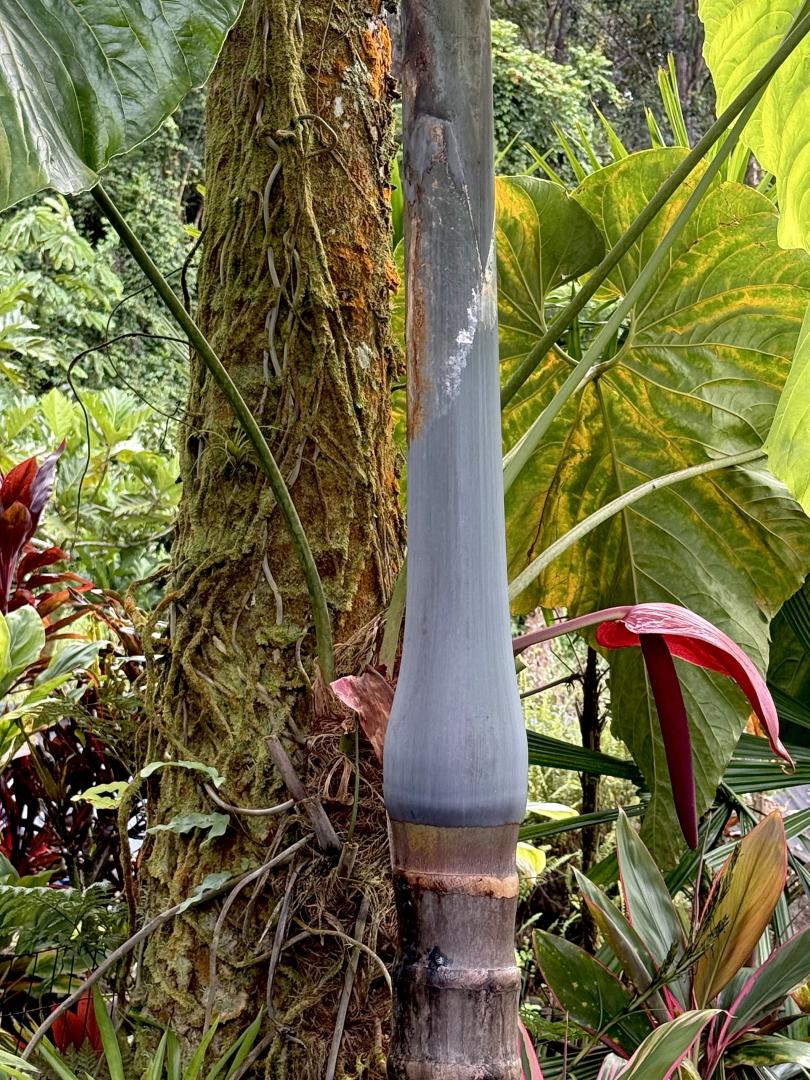
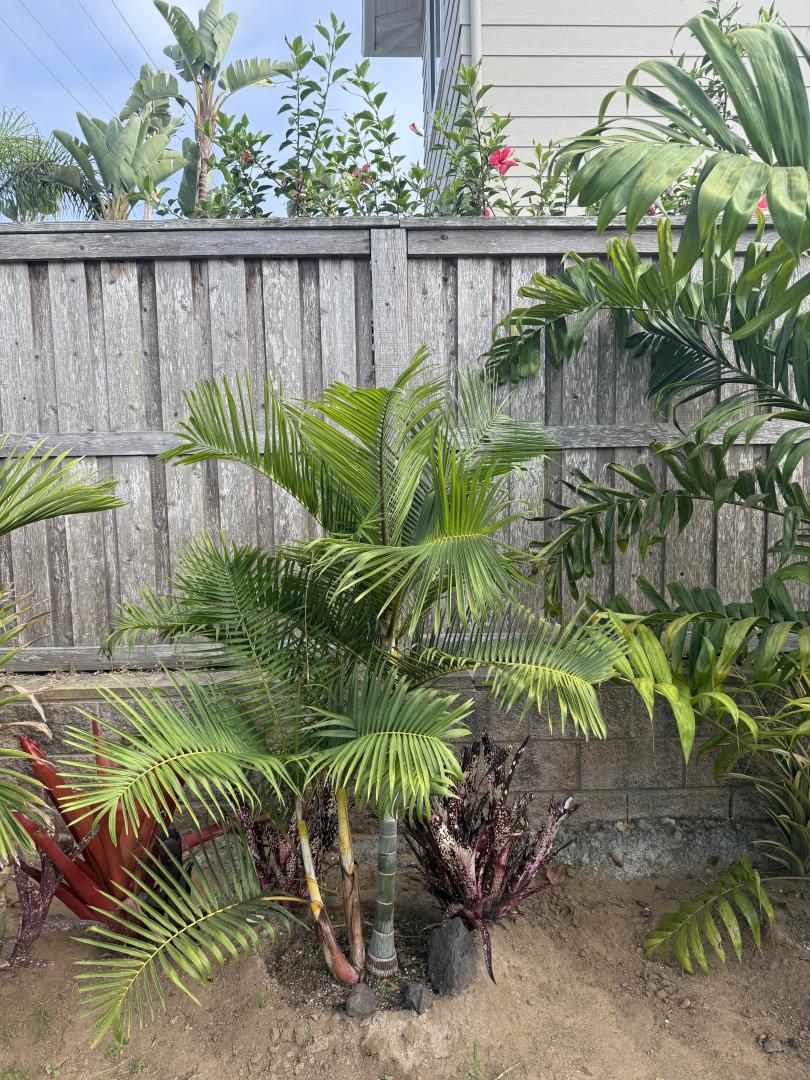
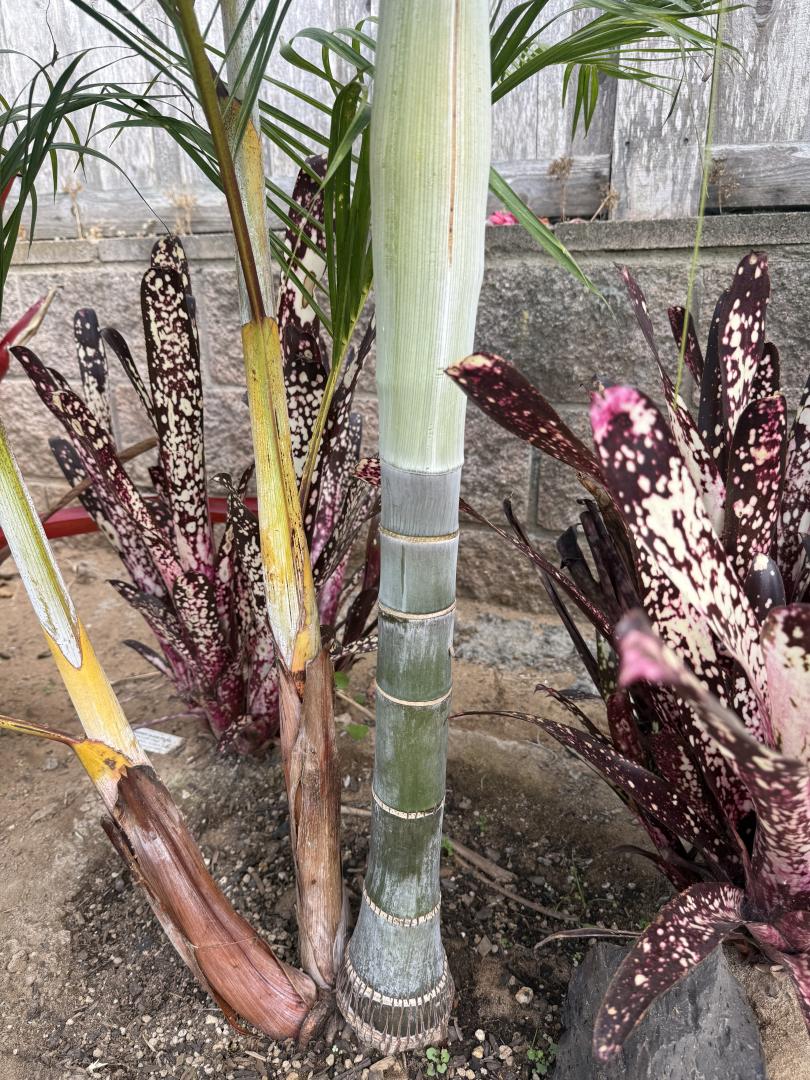
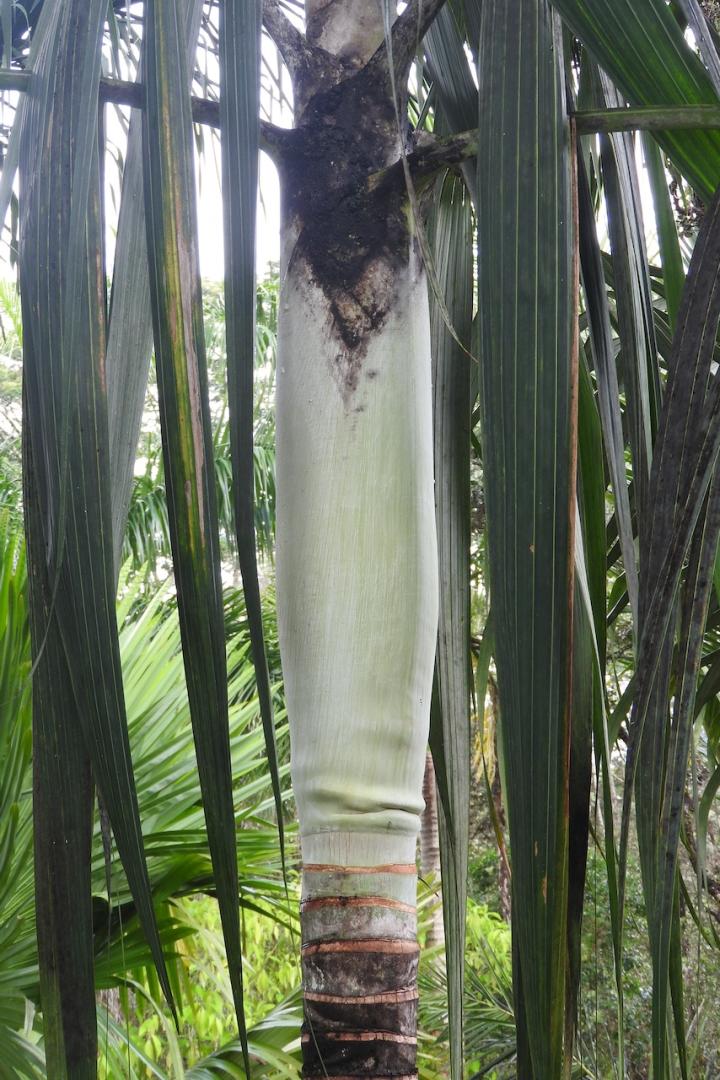
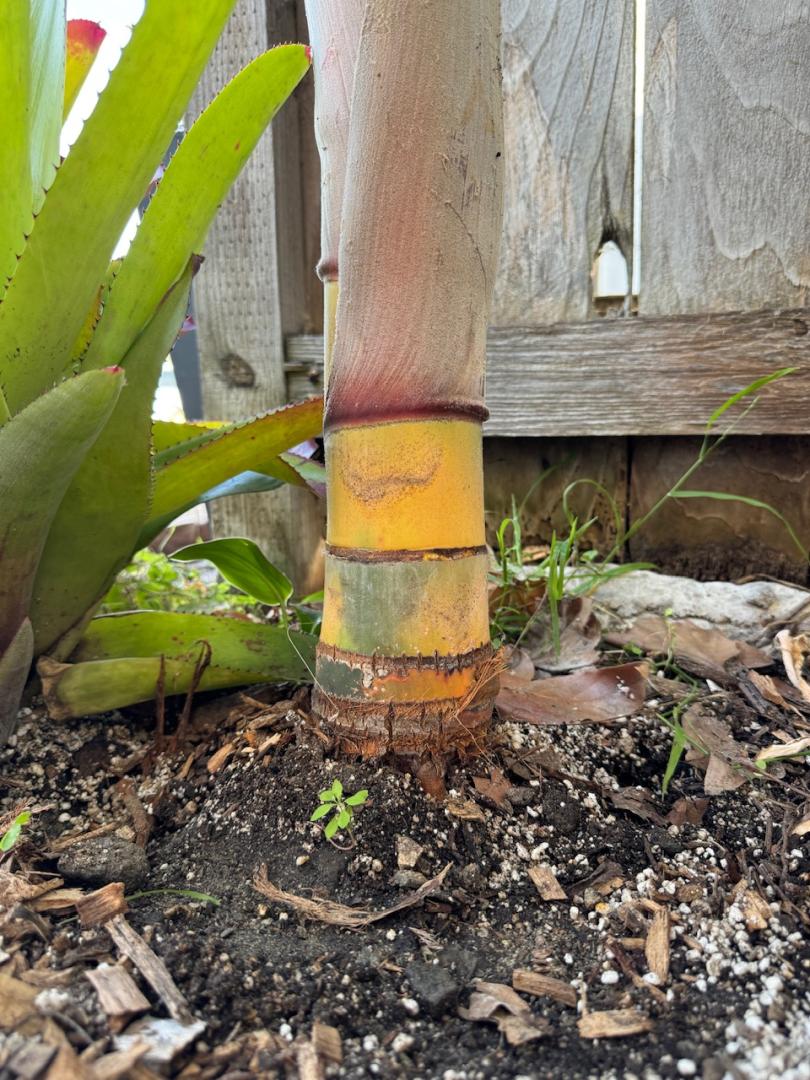
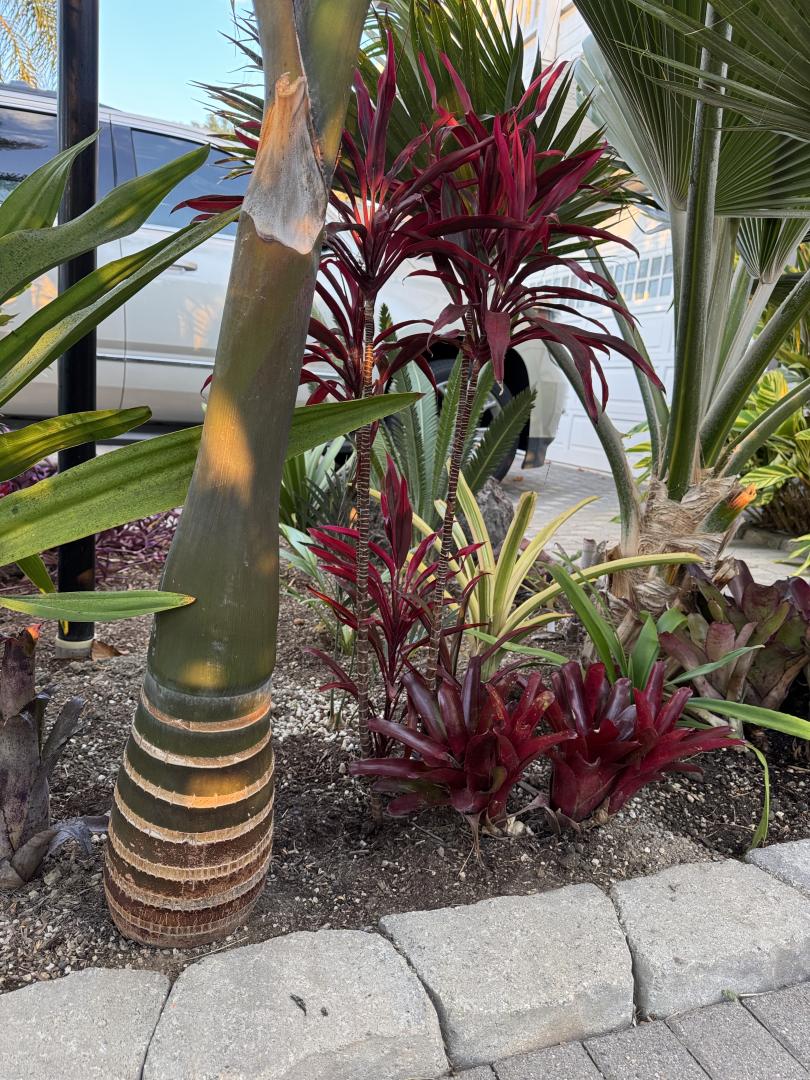
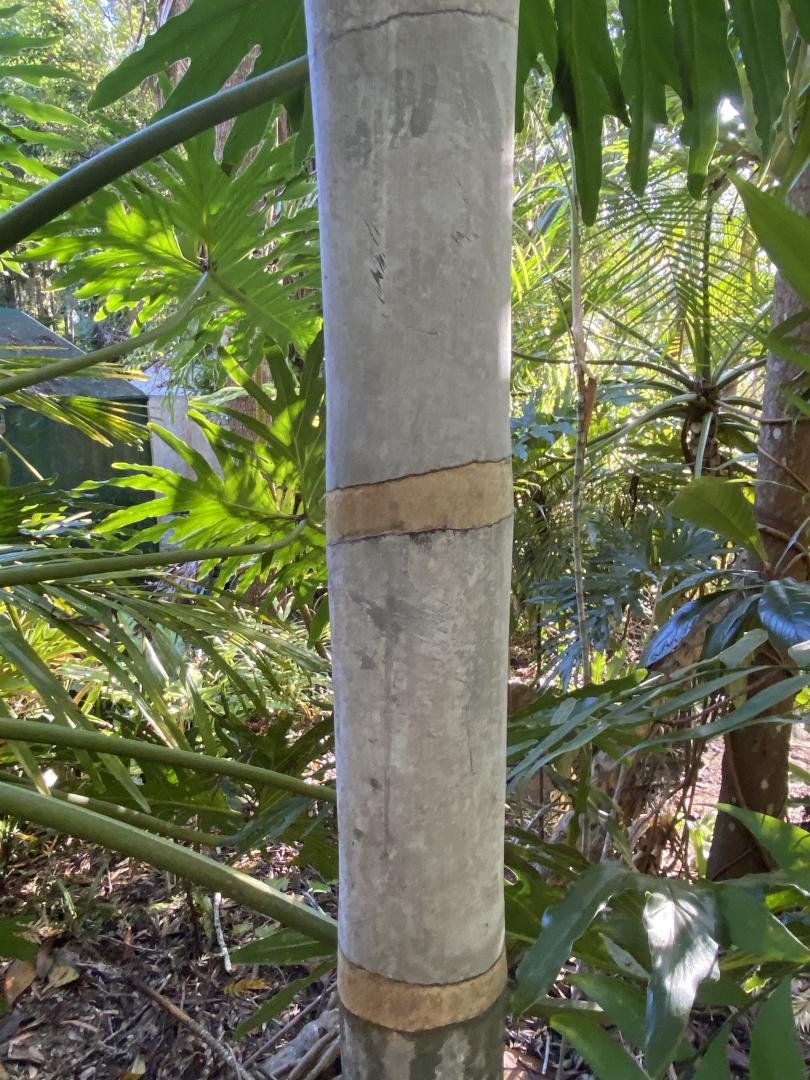
 9 pointsOf my three, this one’s the first to recently show a trunk ring.
 9 points
 -
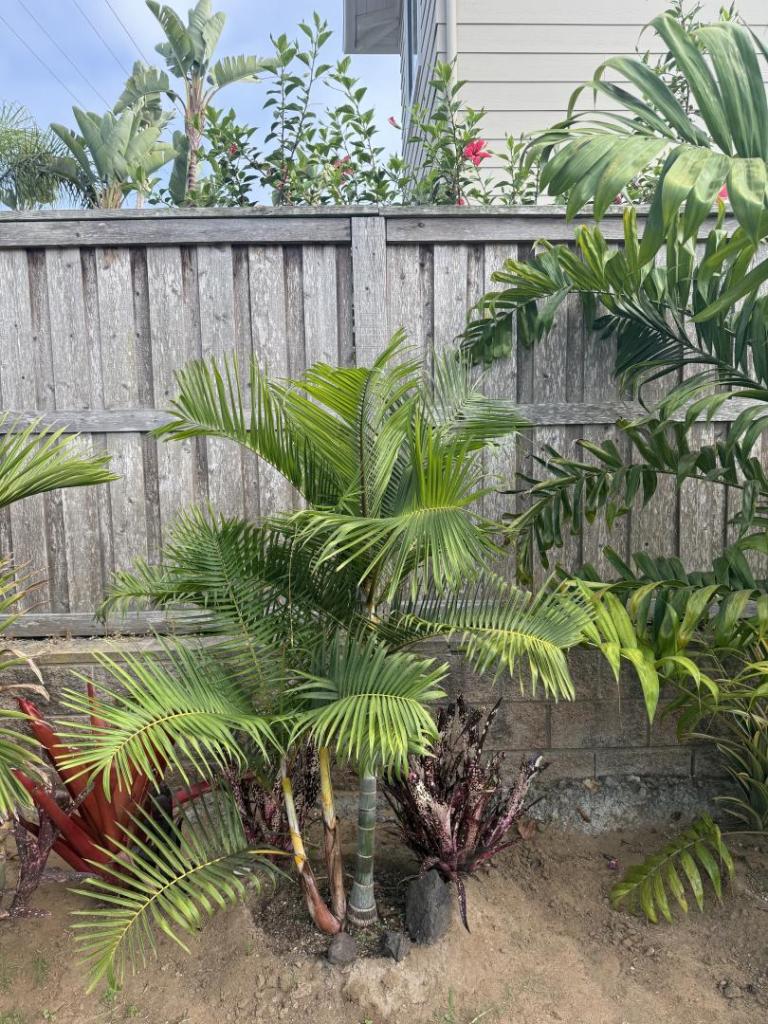
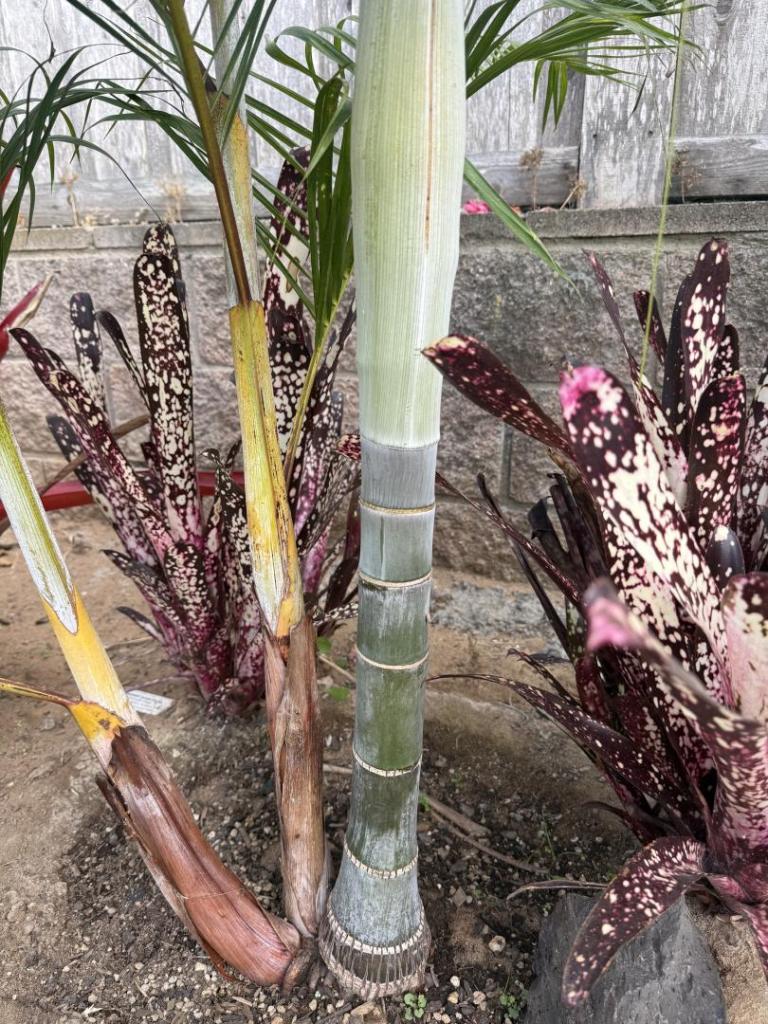
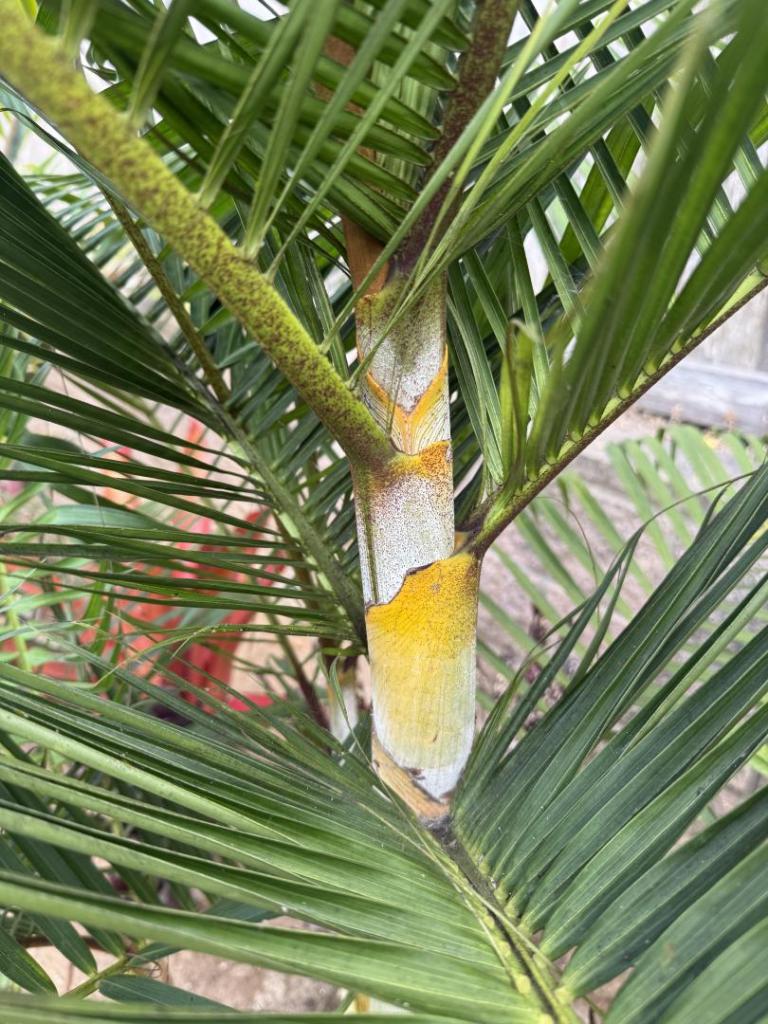
 9 pointsHere’s an update on how this palm looks roughly two years later. It’s been a relatively fast grower for me so far and is one of the most colorful palms in my collection.

 9 points
 -
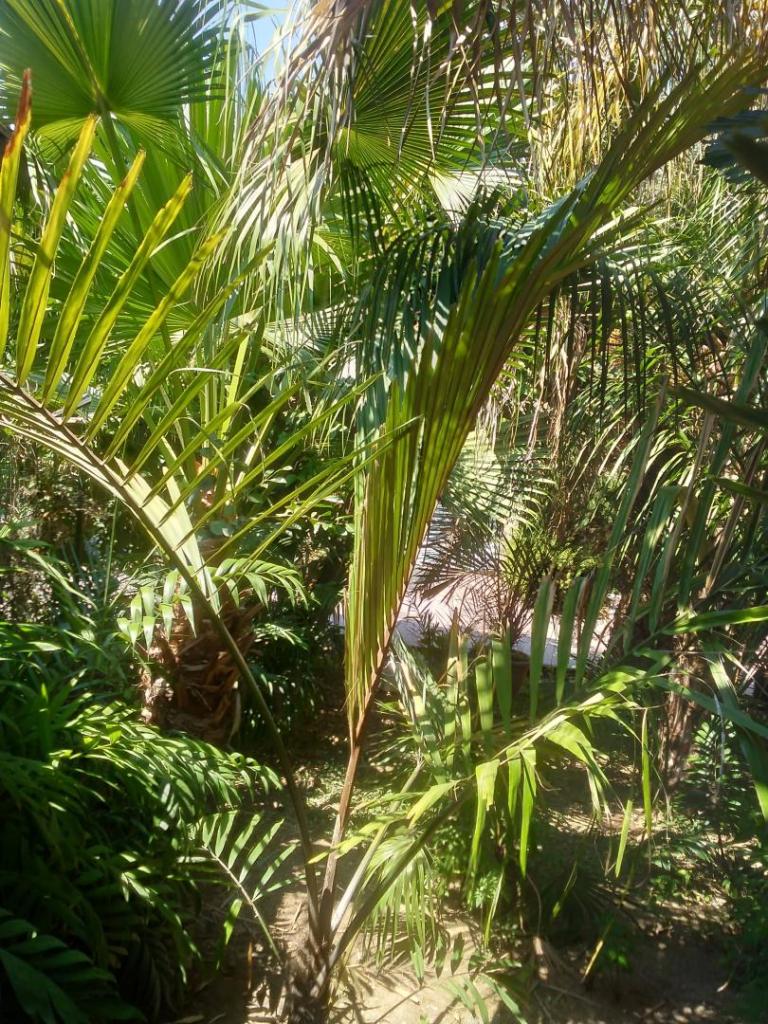
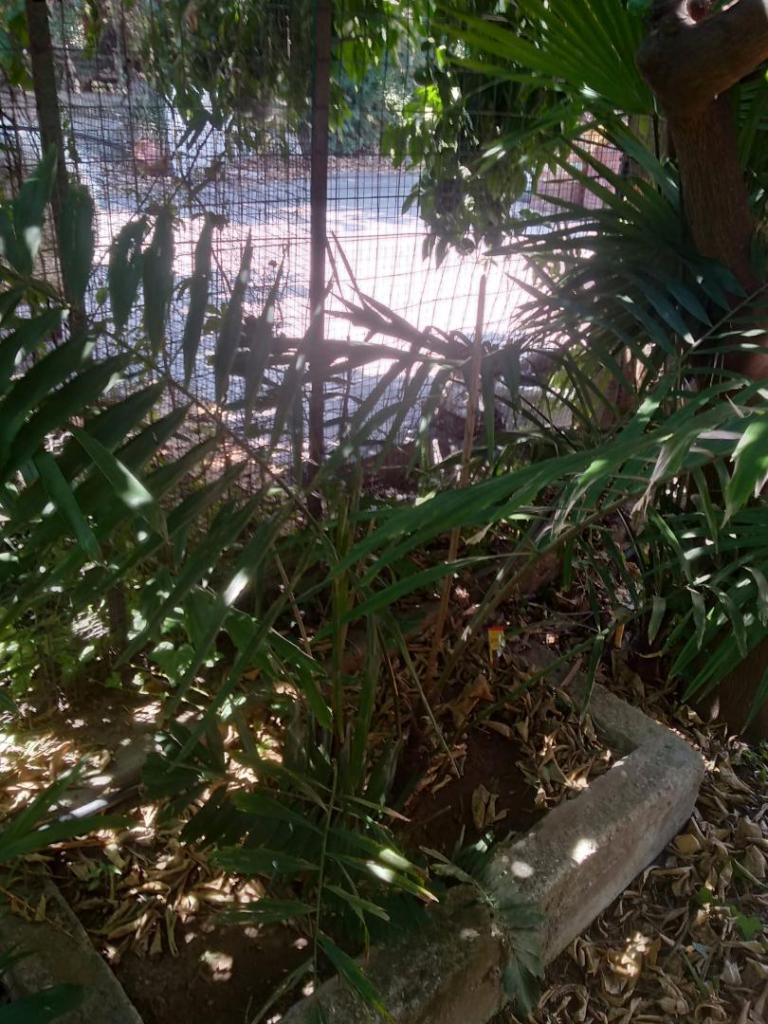
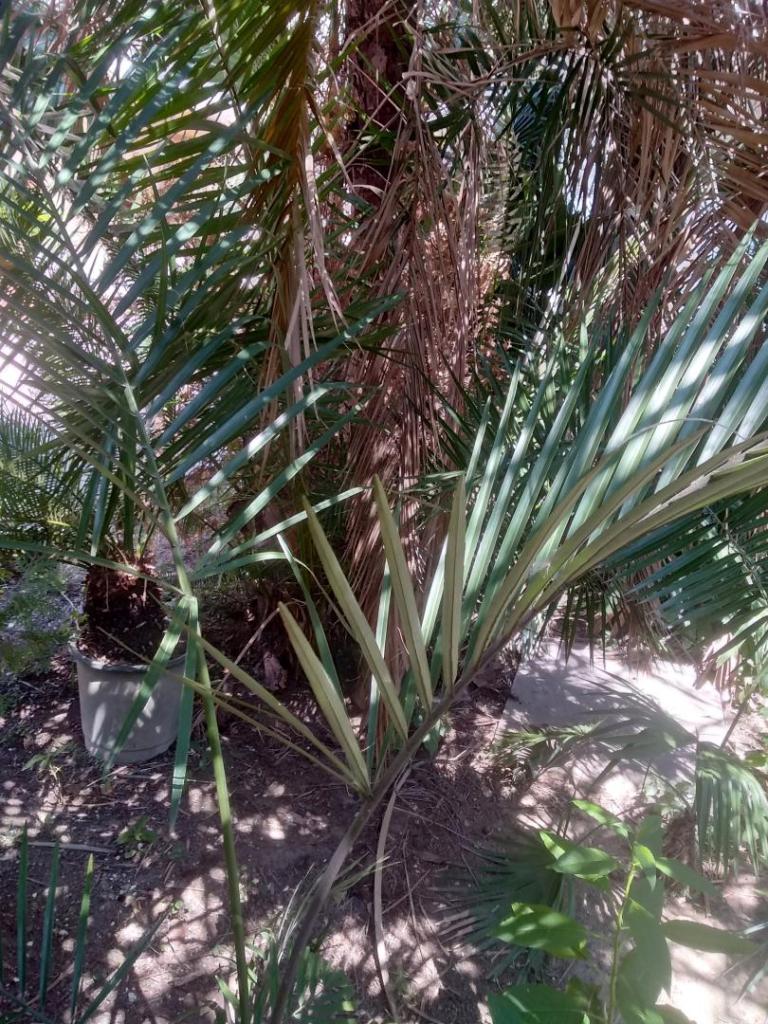
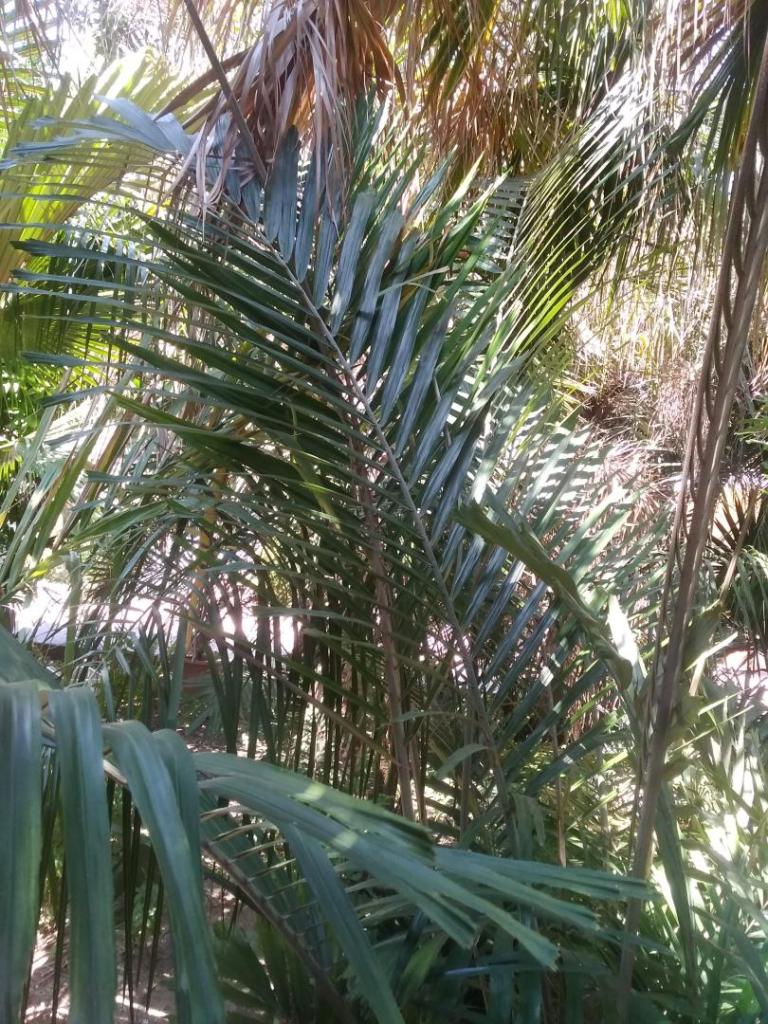
 9 pointsArenga micrantha and Engleri, two species that grow very well here and are also resistant to light frost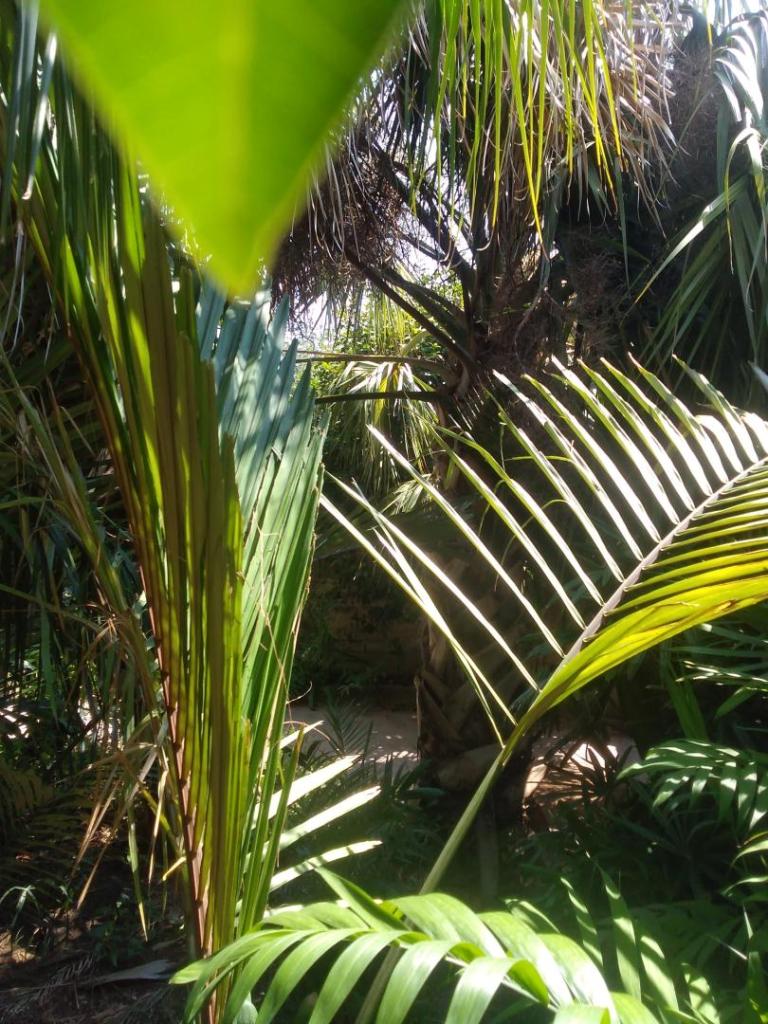
 9 points
 -
 8 pointsWhat a week! 117 F high. 97F morning low. 70 mph winds... Copernicia macroglossa that was previously tied up is now showing it's true potential in the Arizona desert. Nice medium speed grower for the tropics or warm desert if you have the room. Tough palm that withstands the extremes and still looks good. 🌴 aztropic Mesa, Arizona
 8 points
 -
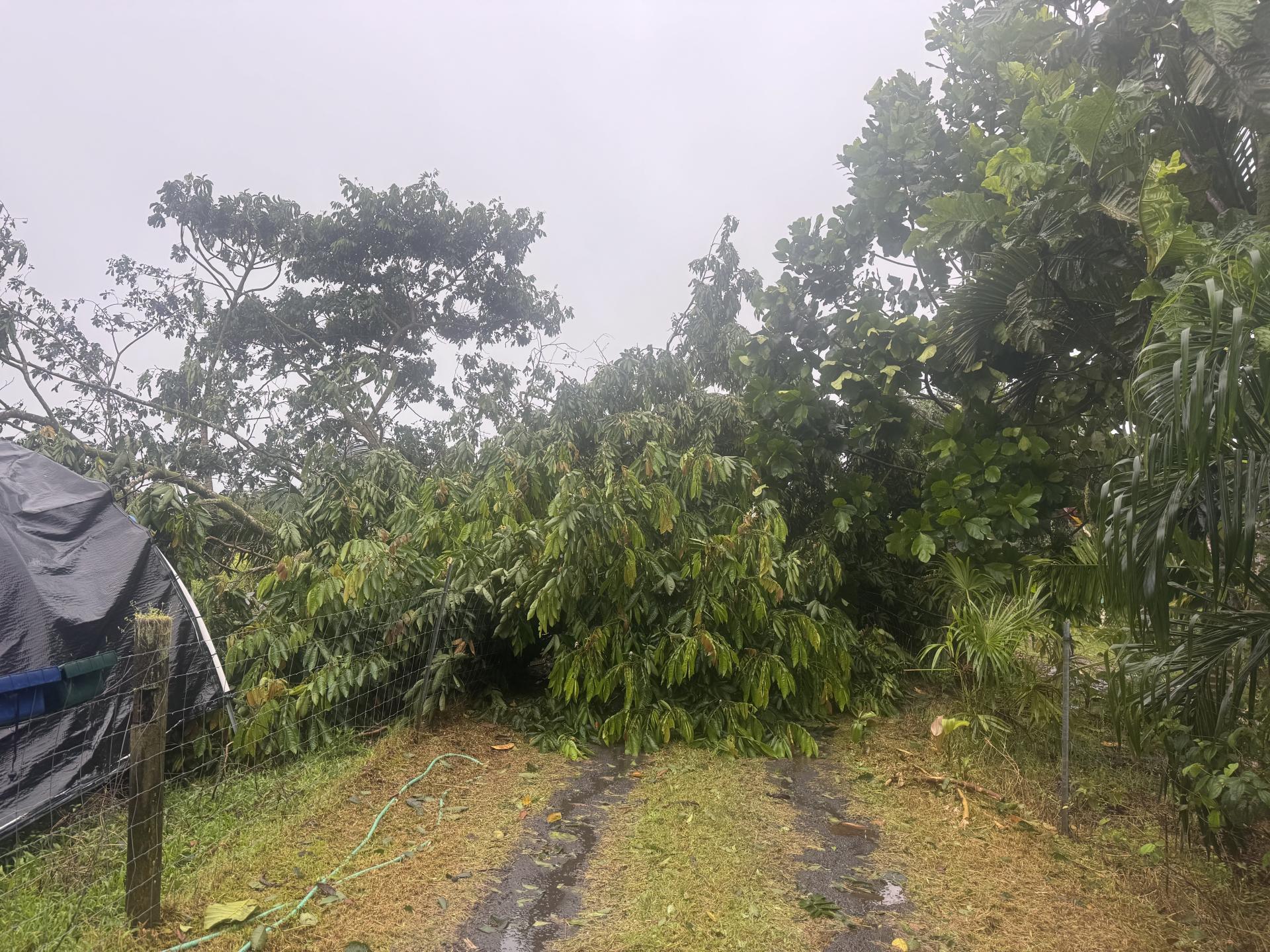
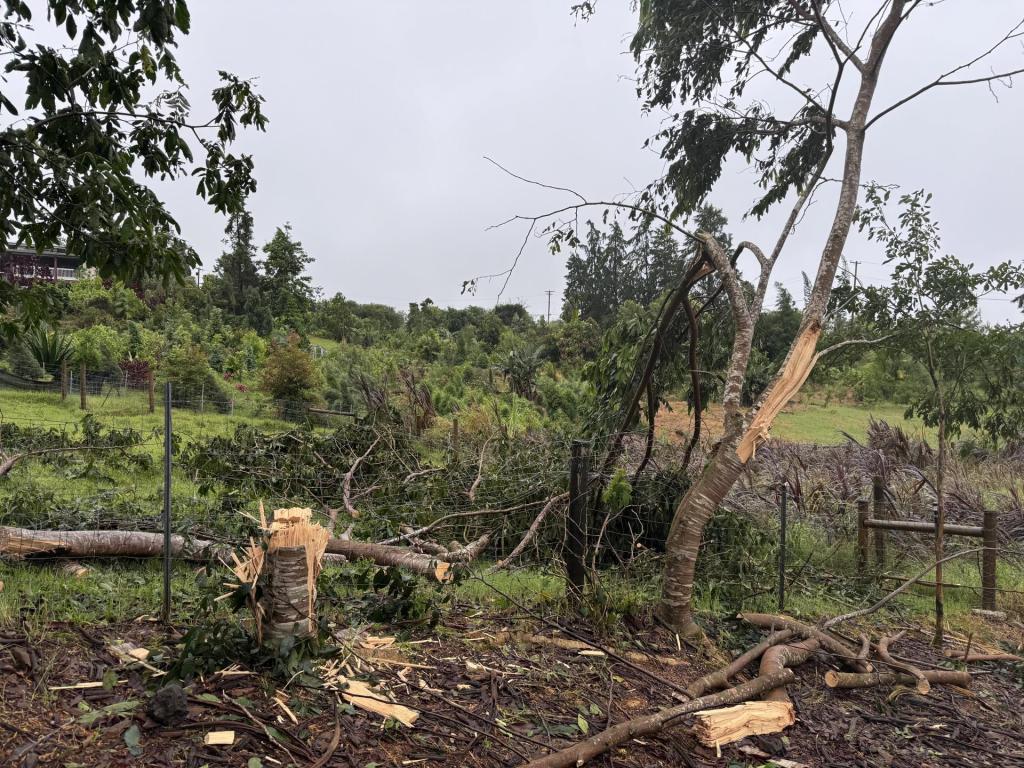
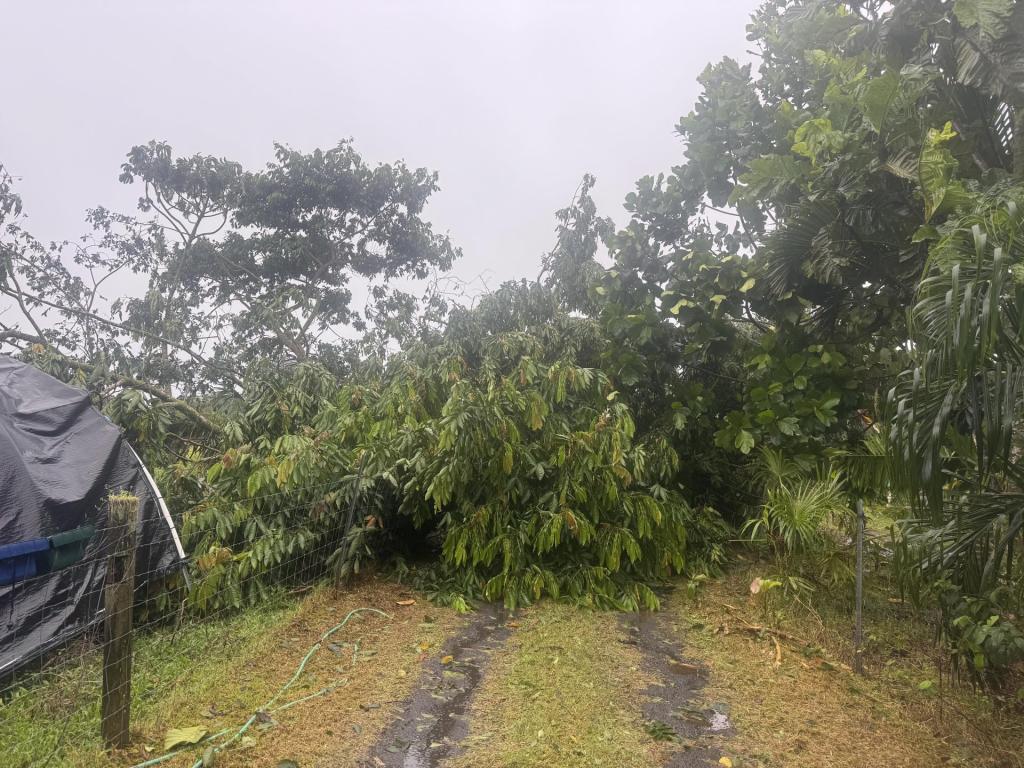
 8 pointsWe got hit pretty hard by hurricane Lala With many trees down. I got very lucky that the only palm loss was a Kerriodoxa elegans that had the unfortunate fate to end up under a giant fallen Guatemalan cypress and one of my peach palms came down. The Kerriodoxa still has a spear so it will make it. I chainsawed the peach palm and will eat the heart of palm, but it’s already got suckers coming up so no problem there. We’ve had a number of hurricanes come by pretty close, but nothing was ever as bad as hurricane lala. I also learned that the damage seems to be consistent with winds coming down vertically from above as opposed to sideways, which is very weird. Several places had trees down in a 360° radius. I looked this up and it seems to be a thing with hurricanes. They’re called mini downbursts. I was pleasantly surprised by the amazing tolerance of Bismarck palms. But also very disappointed in beccariophoenix which sadly are pretty much all leaning sideways. I am going to leave them that way so they make that coconut style curve at the base. But talk about a weak palm none of them have trunks yet so perhaps they will root in better once they make a trunk. I figured the Big Island would be a pretty safe place from global warming, but clearly it’s not. The super El Niño is churning out storm after storm and Hawaiian waters are now warm enough for them to actually intensify close by. on Sunday, another tropical storm is passing by this time much further to the south.I guess you can pick your poison, either fire And drought or hurricanes. I also learned what a hurricane cut means. Most of our royal Palms are now sporting that hurricane cut. They have a very effective coping mechanism of just dropping lower leaves, which is not good for anything going under them, but they look fine. .
 8 points
 -
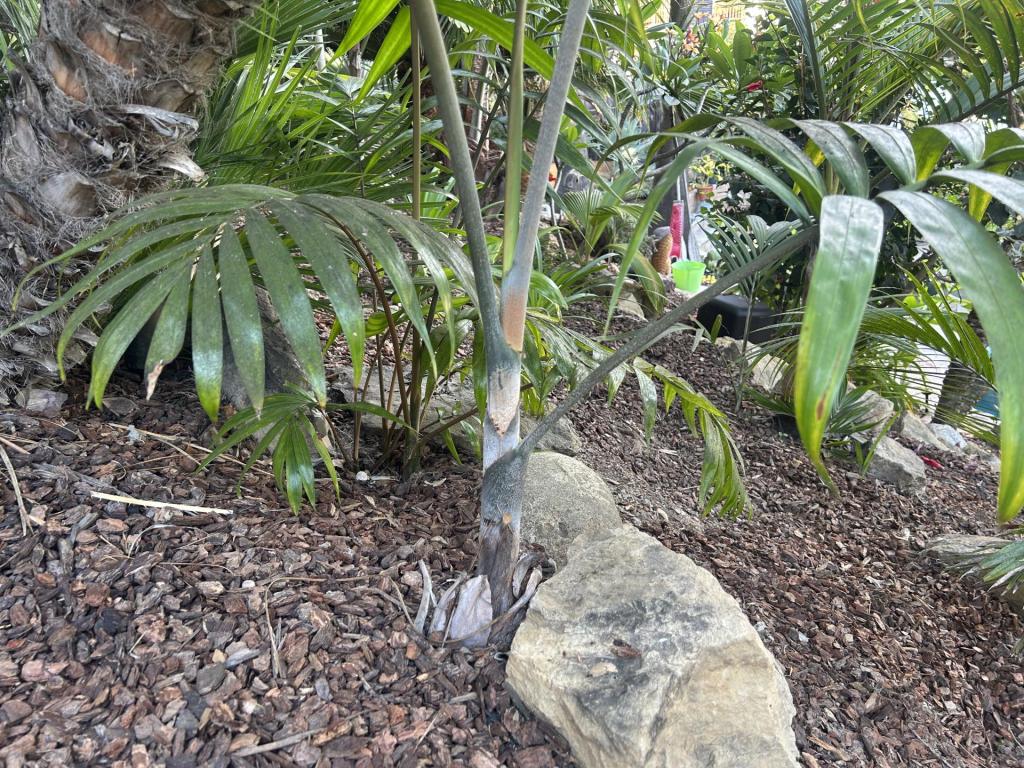
 8 pointsLovely crownshaft of young Chrysalidiocarpus sp. mayotte. Almost looks like it should be in a pastry shop…
 8 points
 -
8 points
-
 8 points
 -
 7 points
 -
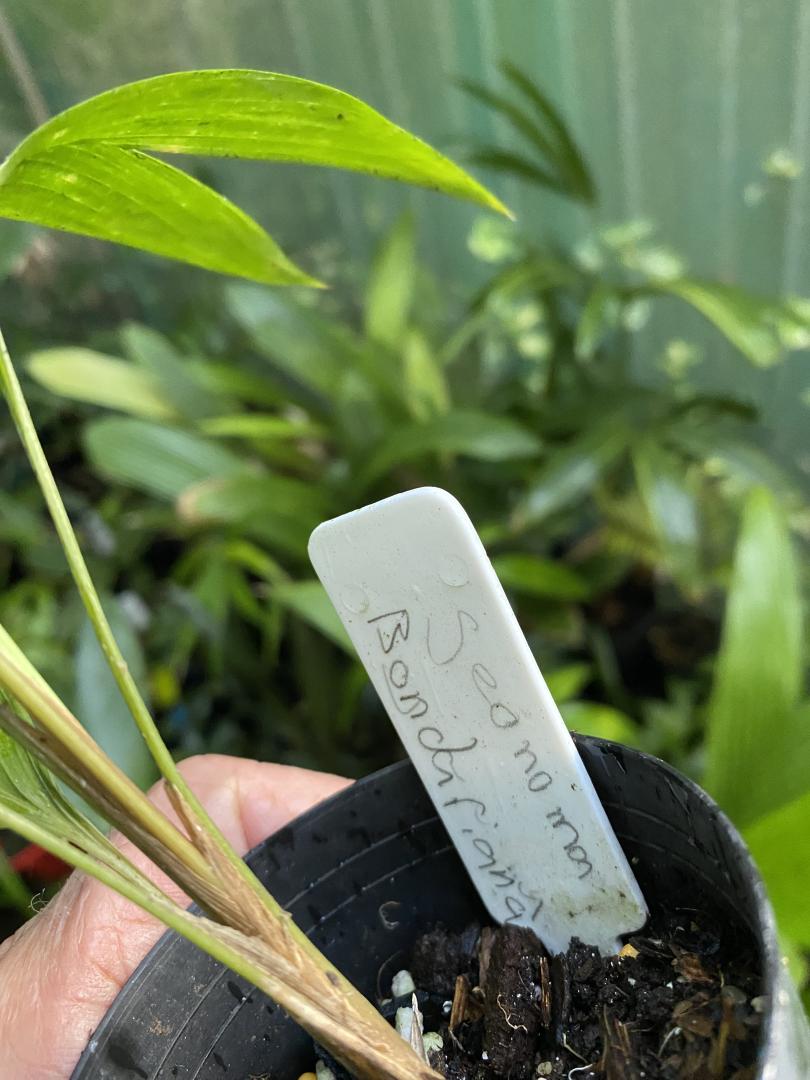
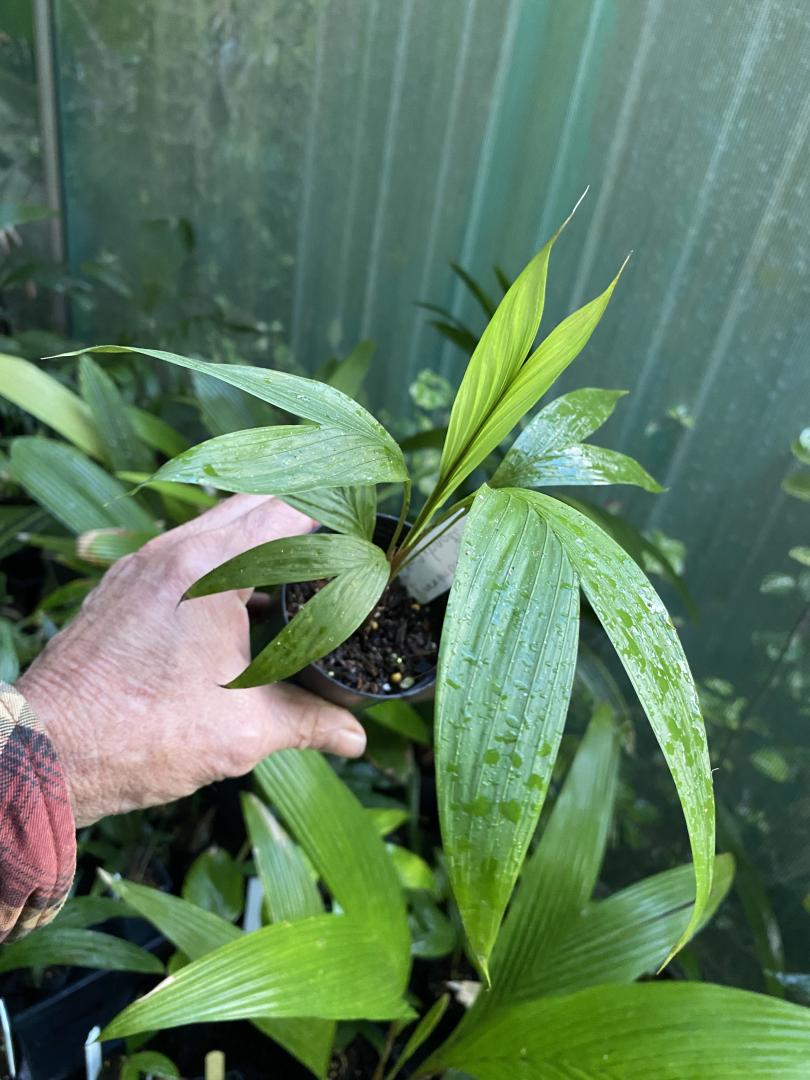
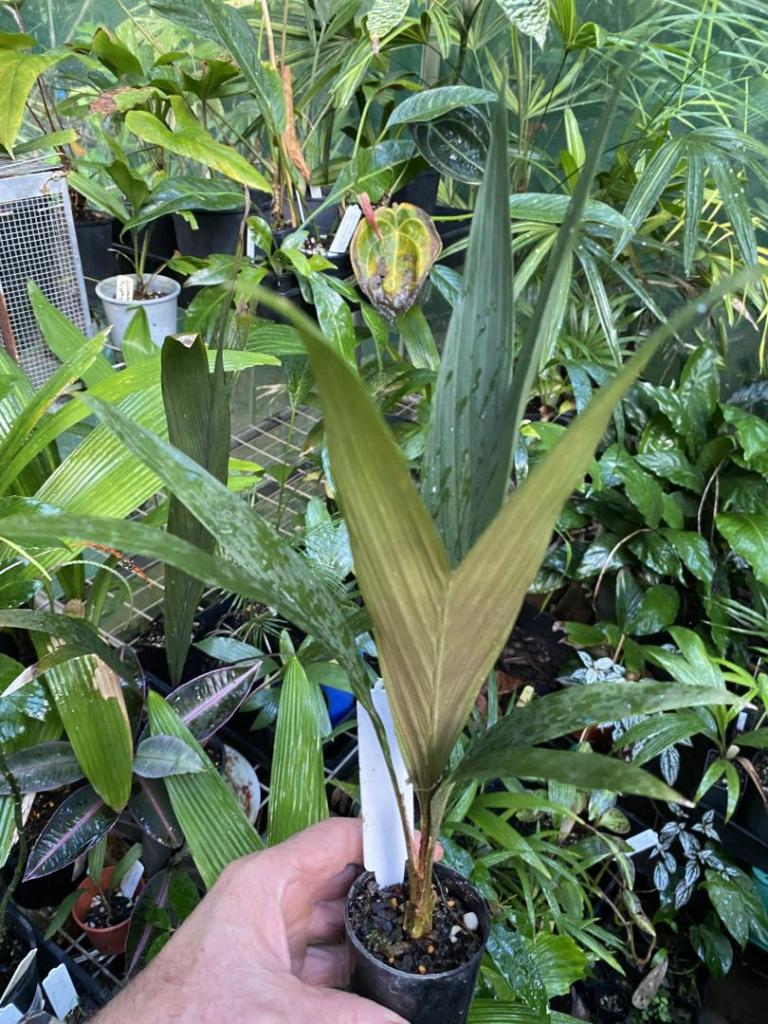
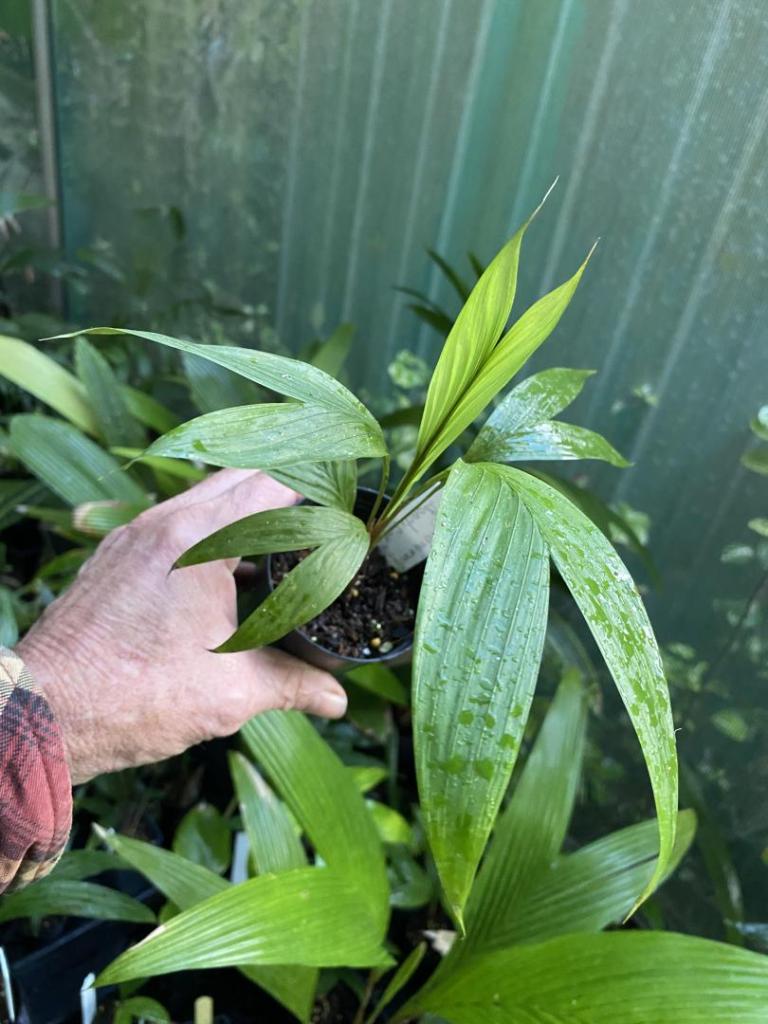
I will say this Geonomas are really starting to impress me in the cool tolerance range. Quite rare palms in this part of the world, but after getting my hands on a few different varieties they are proving to be very cool tolerant, not to bad for palms that are prized ornamentals. Cool tolerance is one thing they need to be to survive in my winter and grow well. Another issue is water they drink like a drowning fish. So if they are to live in the ground it’s going to have to be some pretty good soil amendment landscaping duties. And these are tube stock seedlings not advanced palms, so iam impressed with how well they take 2 degrees celcius Geonoma pycnostachys Geonoma look longivaginata sub sp vallensGeonoma atrovirens Geonoma bondaria



 7 points
 -
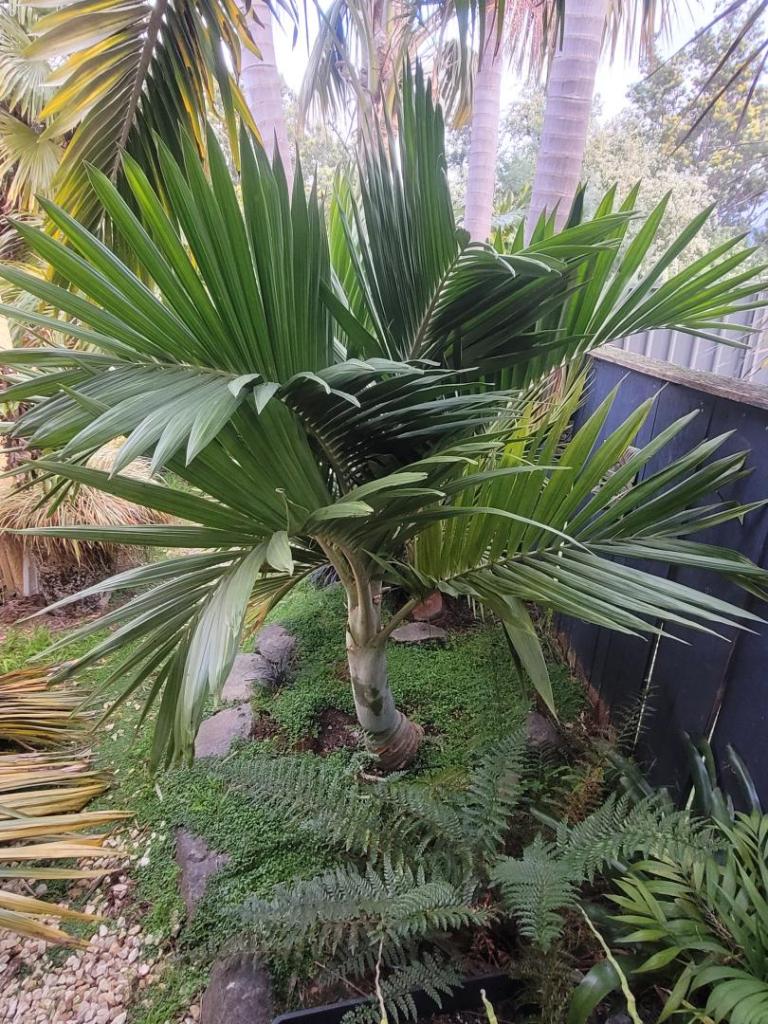
 7 pointsDave I would place in the shade and only use organic fertiliser like fishmeal or seaweed until they re established
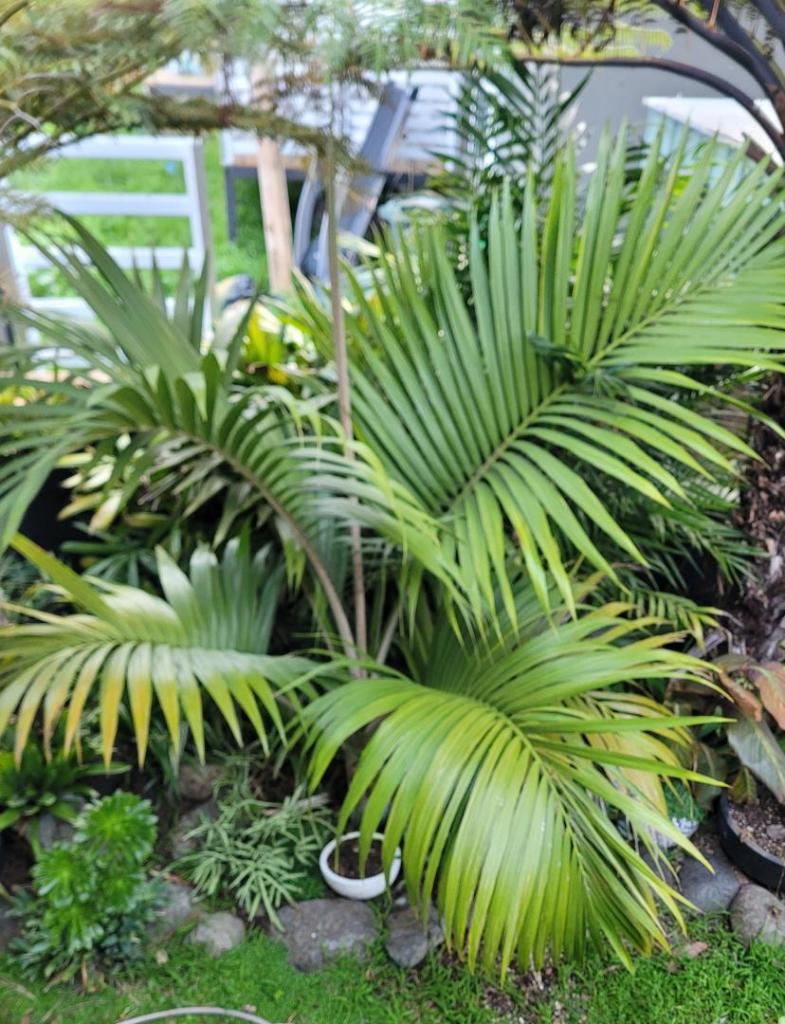 7 points
 -
 I just happened upon this article published this past April, documenting the rediscovery of a species of Ravenea not definitively documented since its original description in 1927. The species is Ravenea latisecta, and there have been a few possible sightings in the ensuing 99 years, although apparently virtually all of these were misidentified, most turning out to be R. robustior or R. madagascariensis,. According to the article, there are no documented specimens in cultivation. So this is apparently quite a find and gives some hope for other species that have been "hiding" while presumed extinct. You can download the article from ResearchGate here.7 points
 -
7 points
-
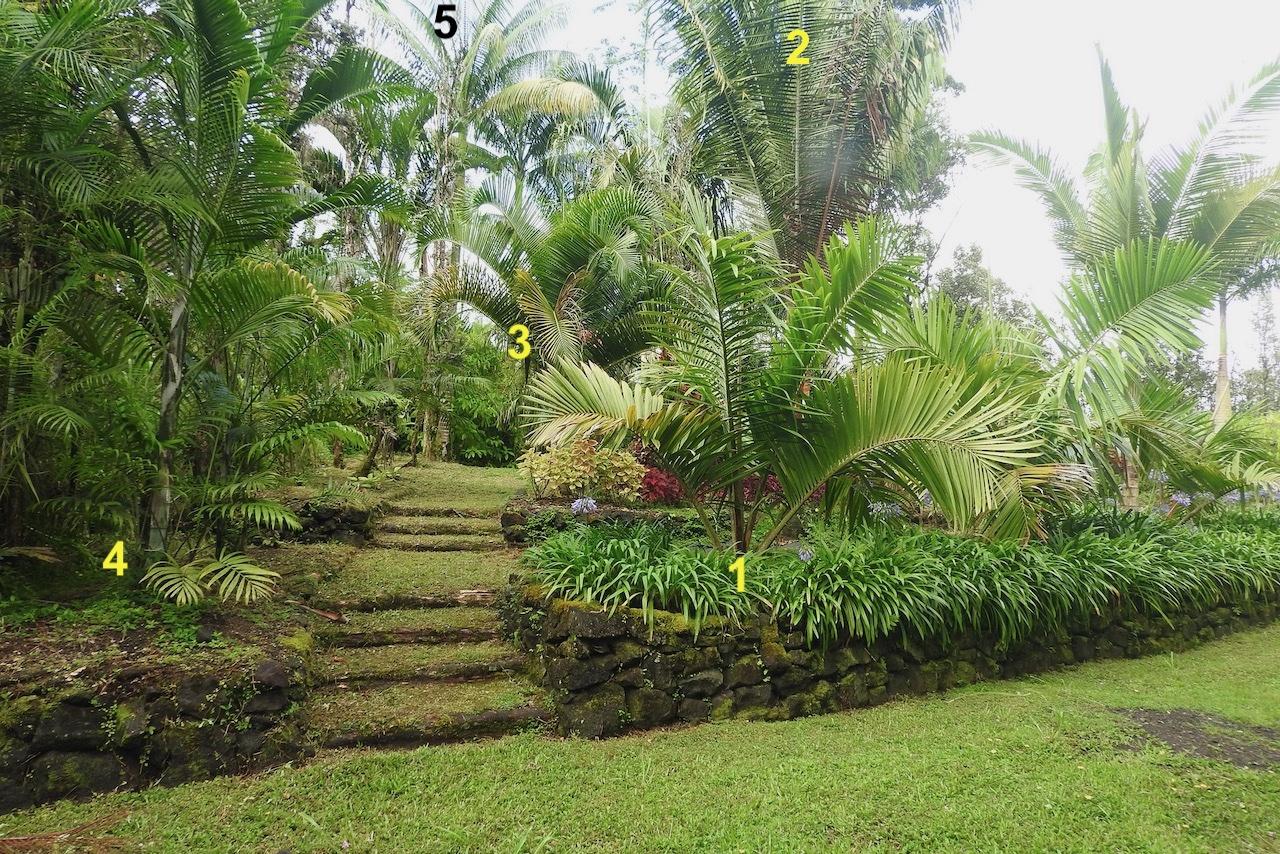
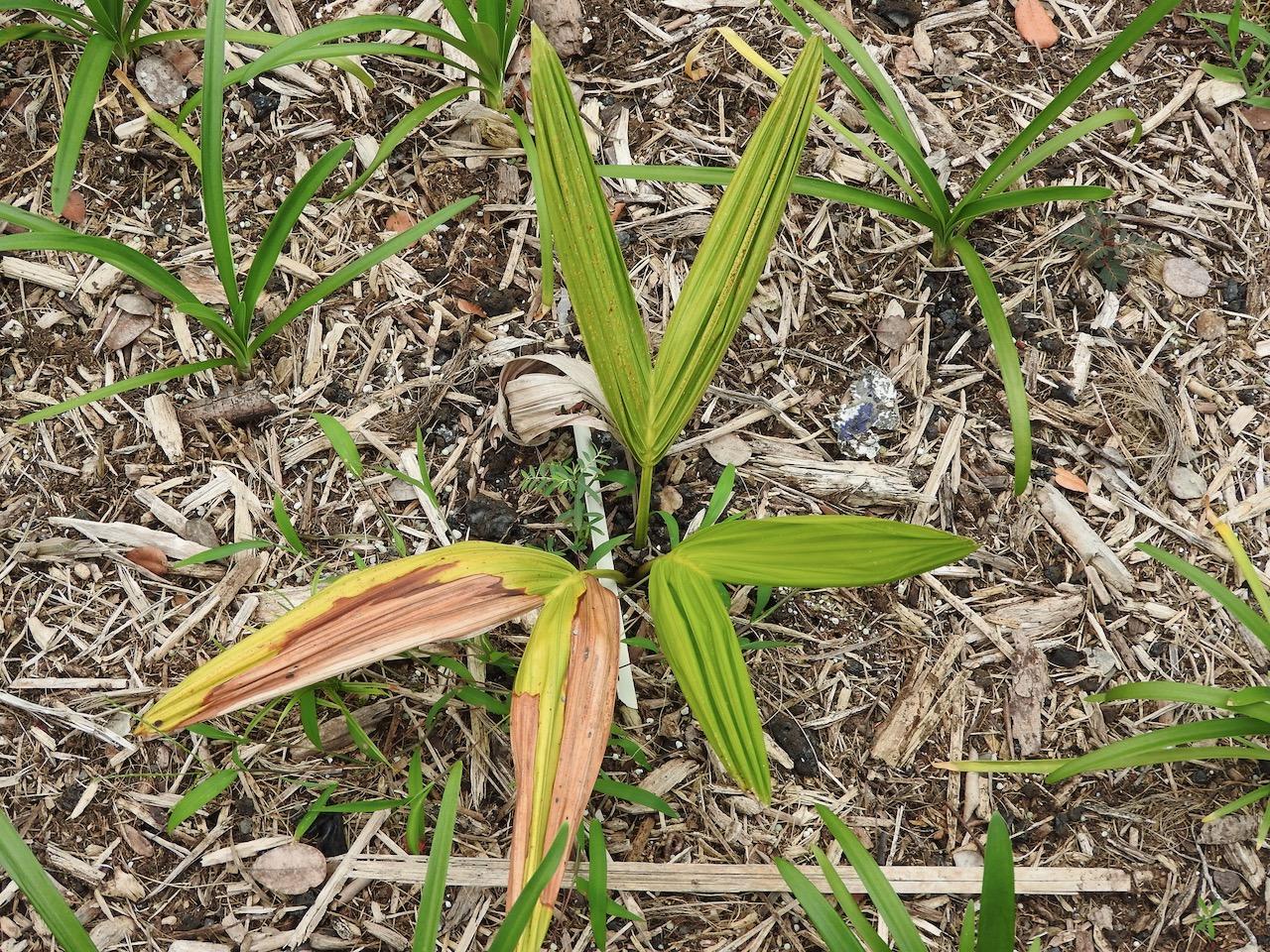
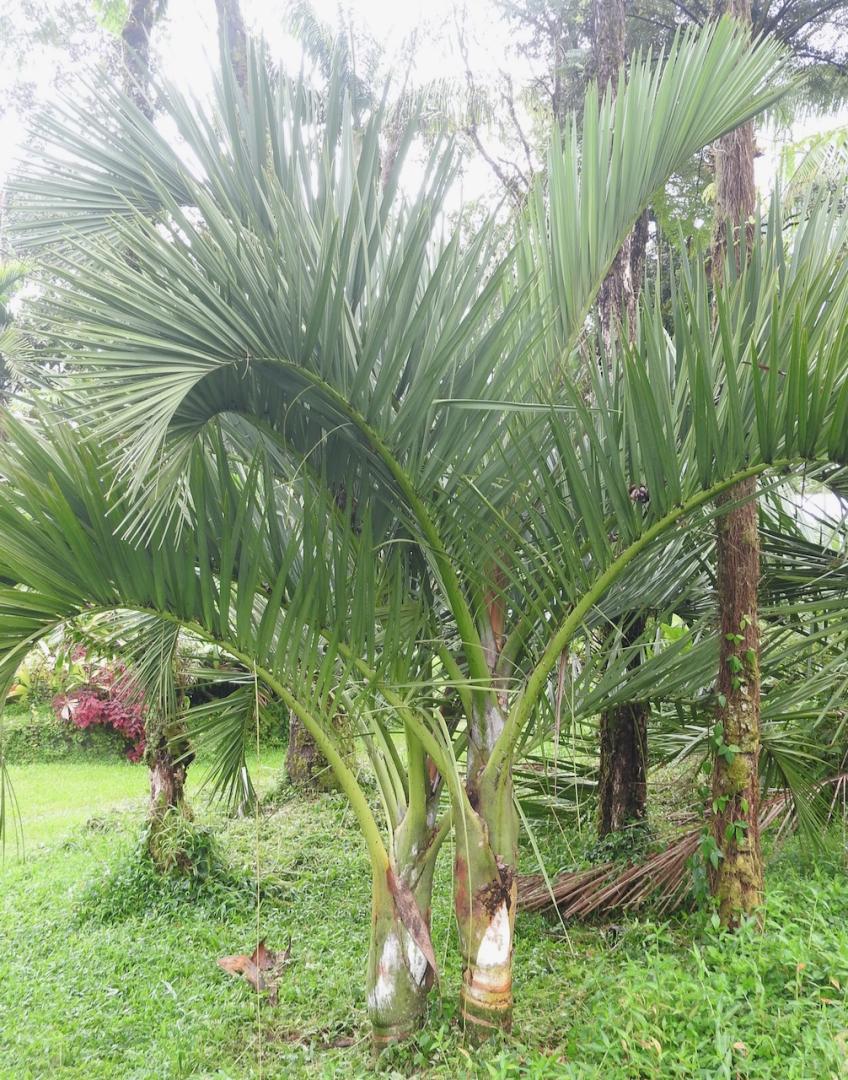
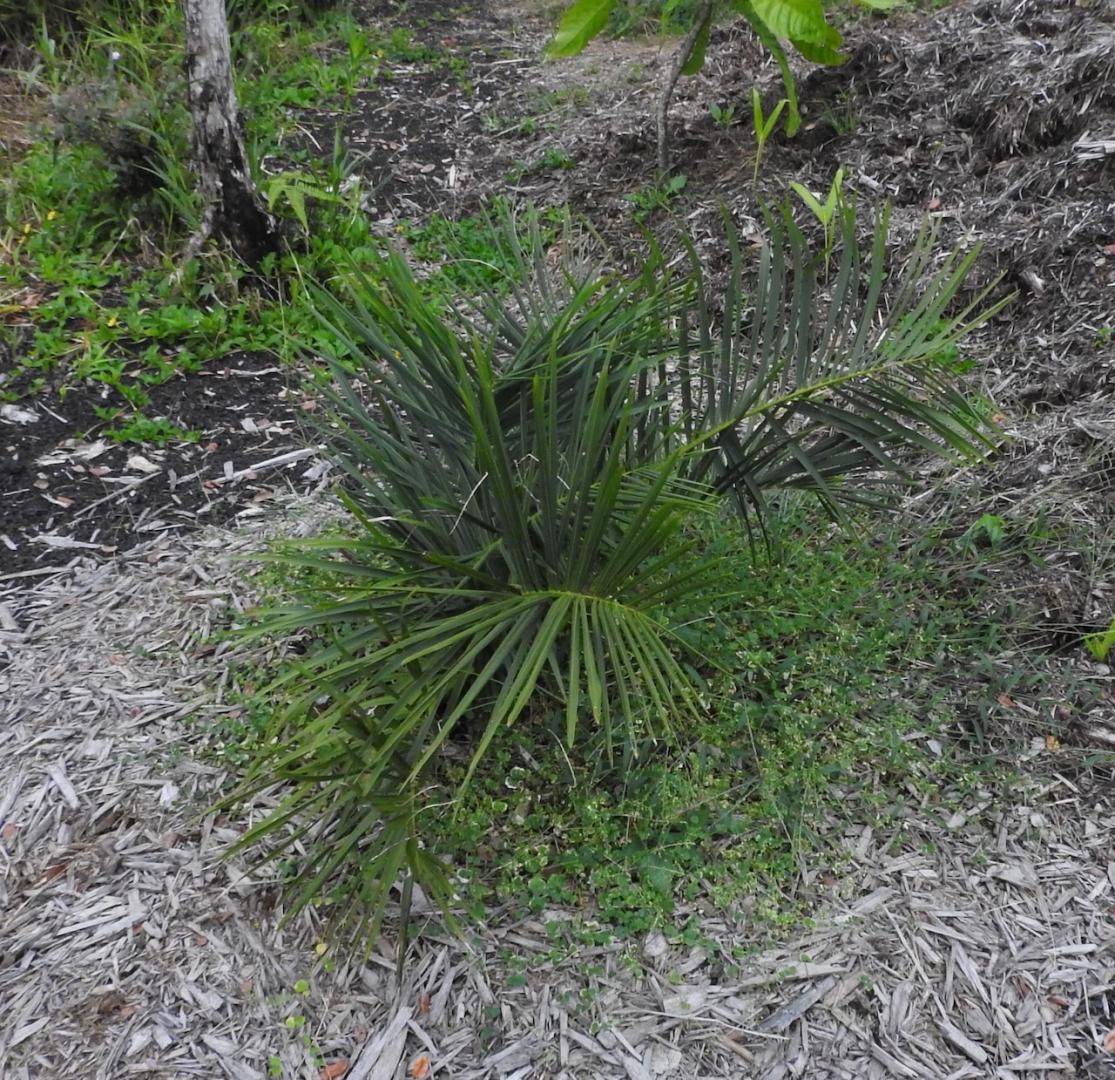
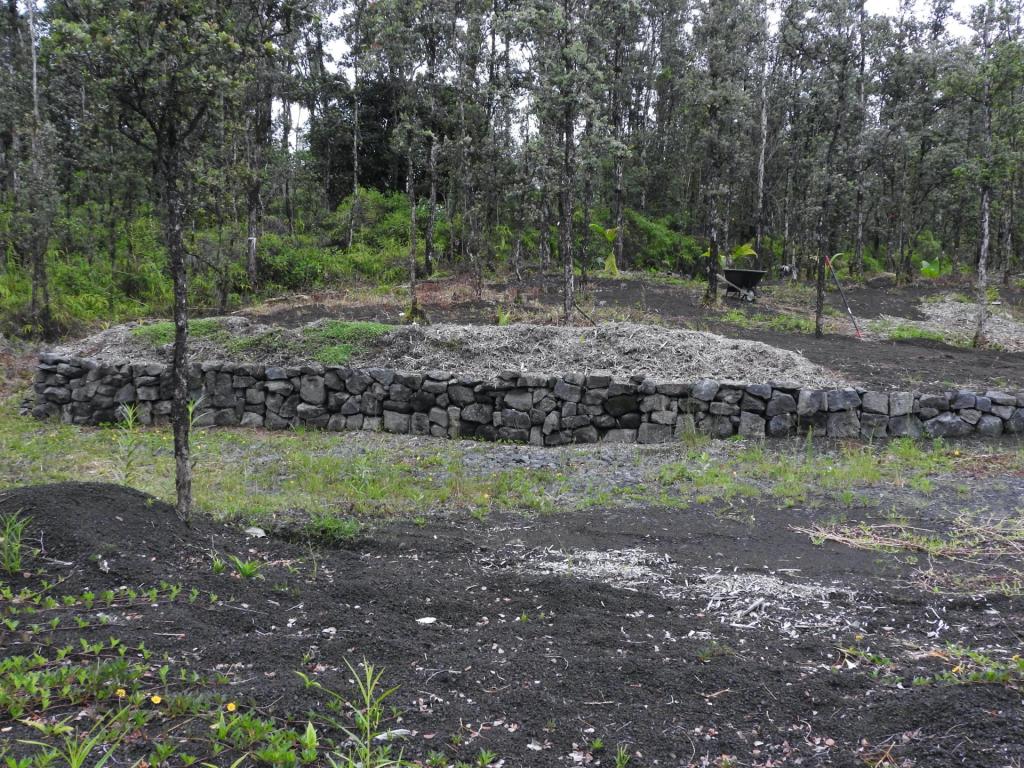
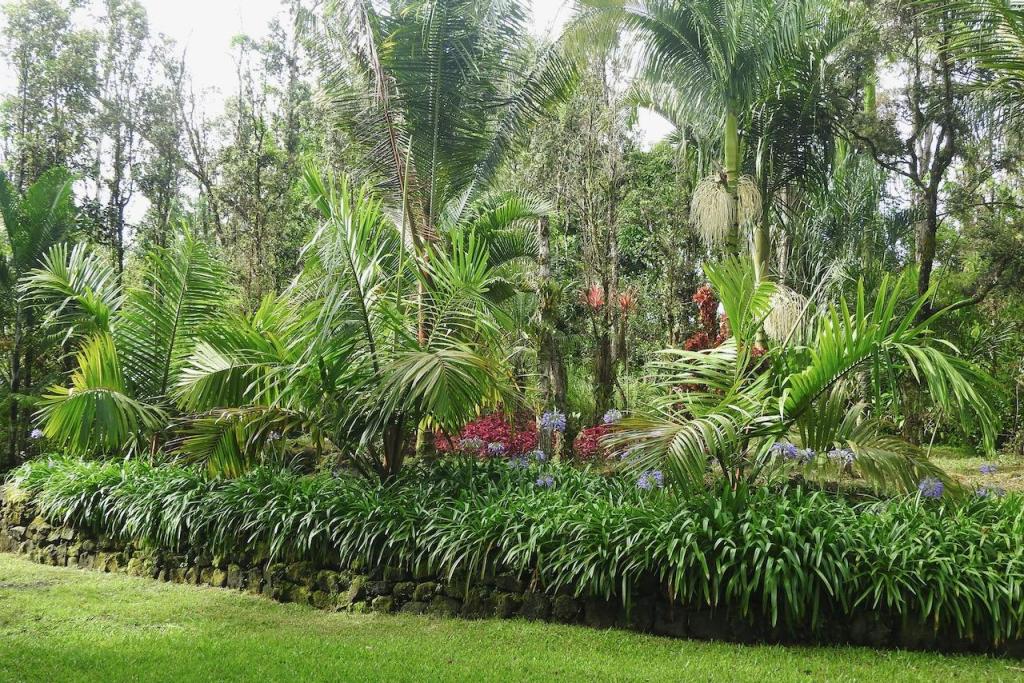
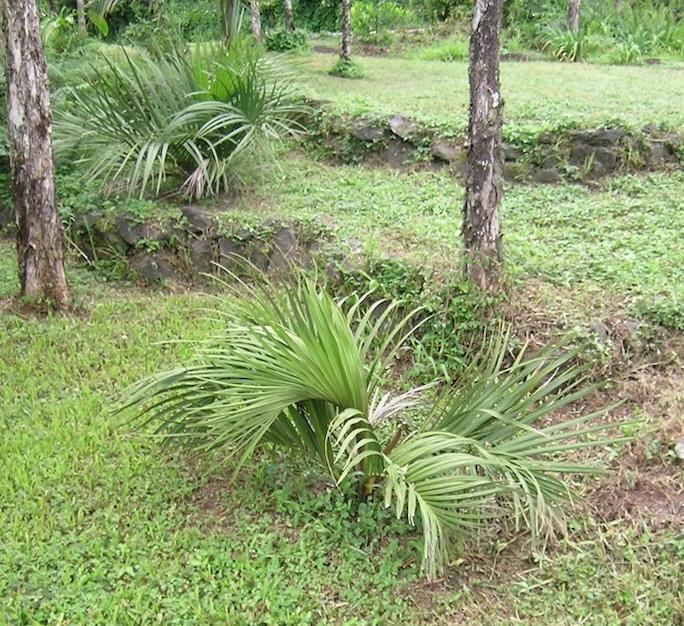
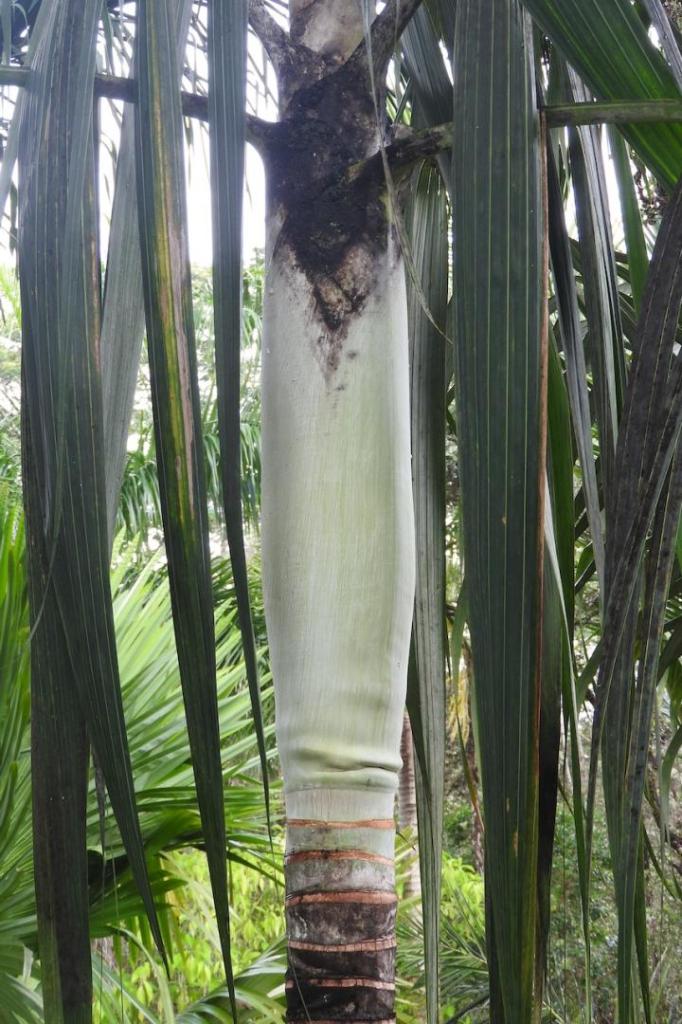
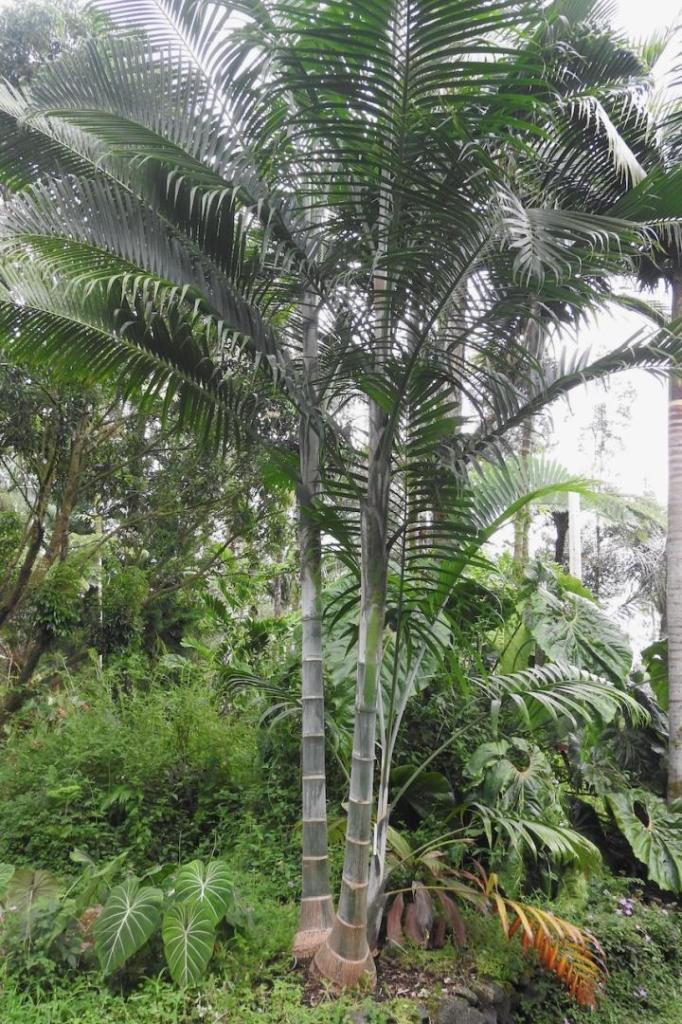
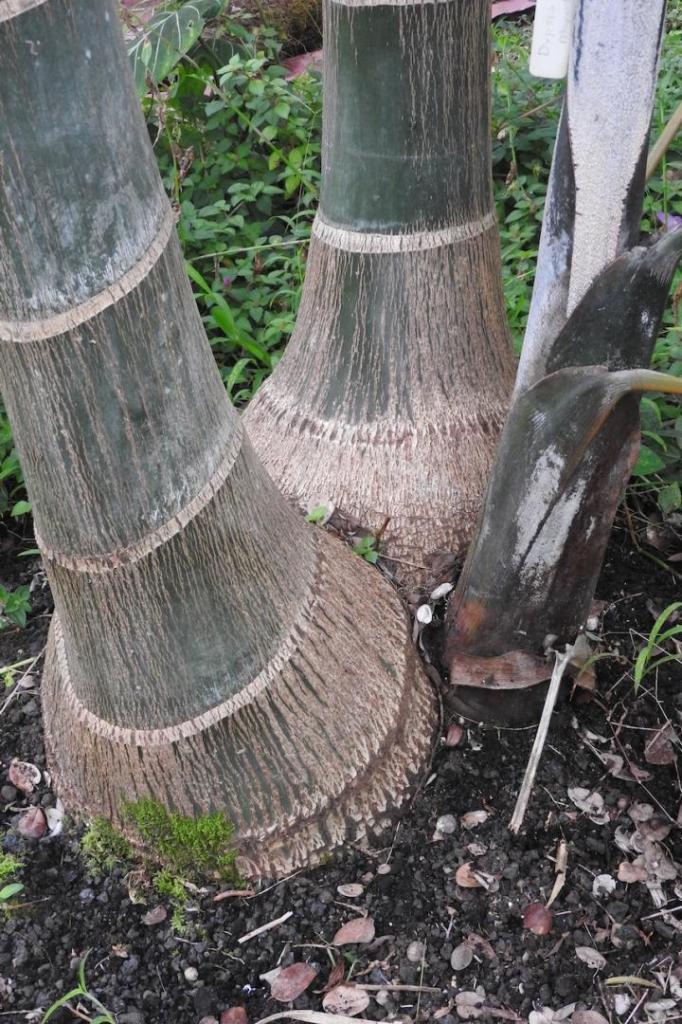
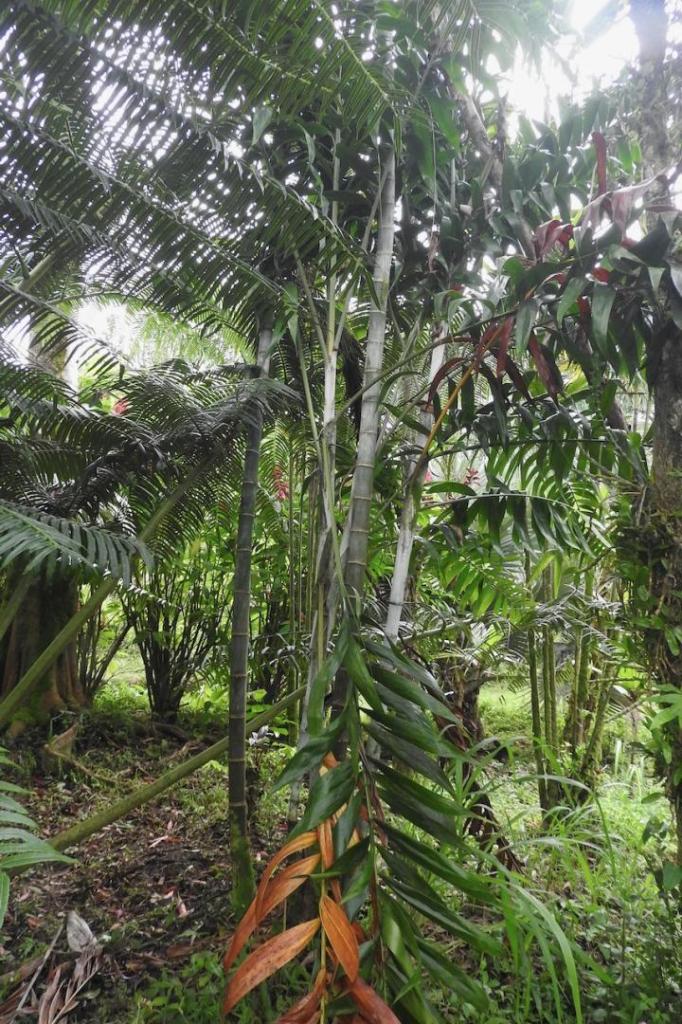
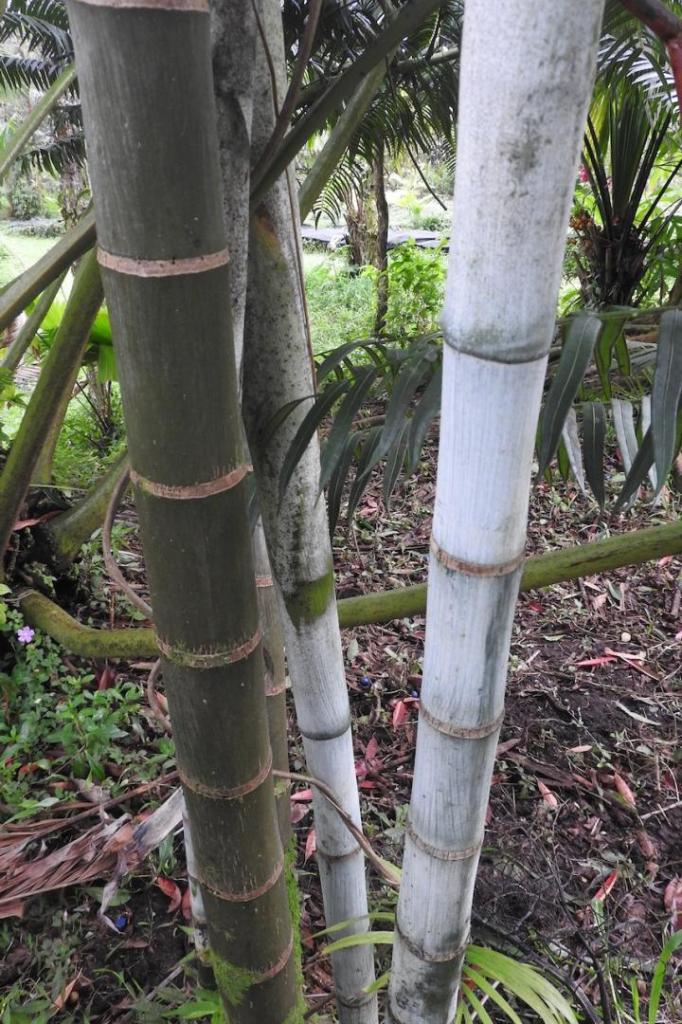
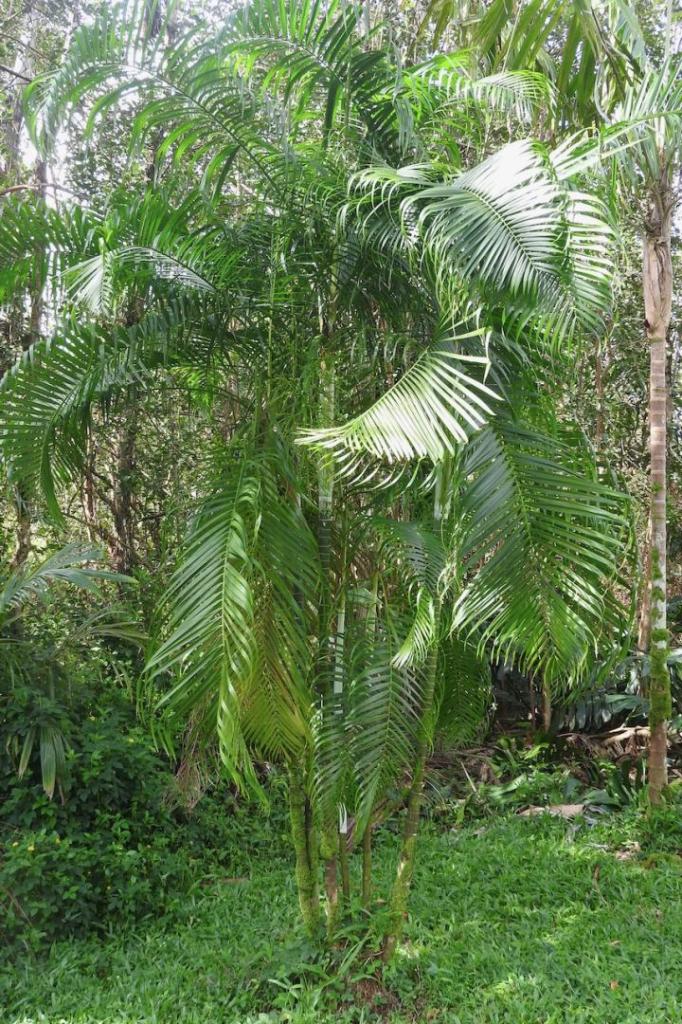
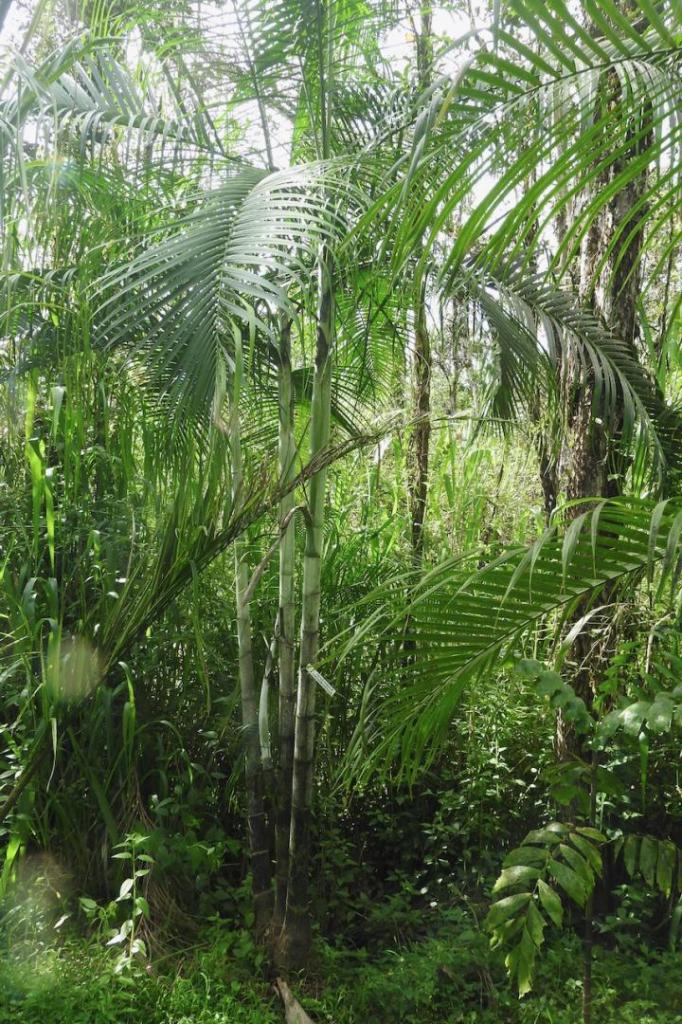
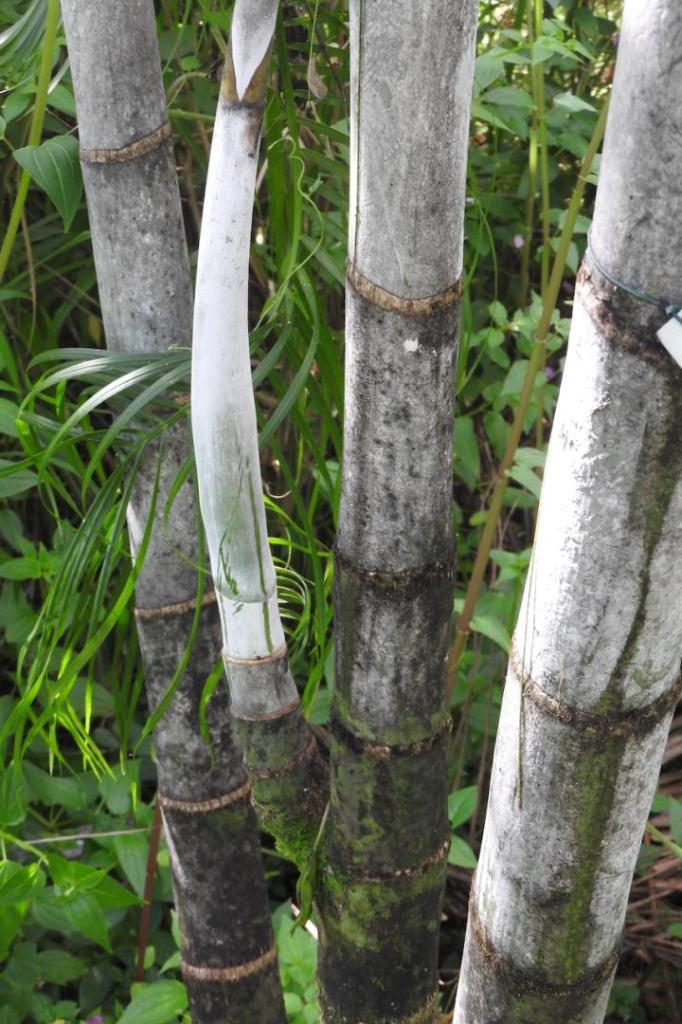
 One of the contenders for slowest seedling is Chrysalidocarpus titan. Long known only by informal names like Dypsis sp bejouf(a), folks in Hawaii fell in love with this species largely because of the grove of two dozen trees planted at Bo Lundkvist’s Malama garden. Those trees are now huge and producing baskets of seeds. The only demerit I’d give it is for the exceptionally heavy fallen fronds. They must weigh around 40 pounds (20 kg), maybe more. You can only have grass under these. Any companion understory planting would be crushed. I started mine from seeds. Big mistake. Pay whatever a 10-gallon plant costs. Germination took 18 months. After they went in the ground, glacial growth rate the first five years. Finally, they got serious about growing. After ten years in the ground, still no trunk, but they open a perfectly respectably 3-4 new fronds a year. After seeing mature specimens in so many Hawaii gardens, I have very high hopes for these. Construction site 2016 2017 babies went in the ground and promptly burned. Today 1. titan 2. lastelliana 3. carlsmithii 4. cabadae. 5. Clinostigma samoense Another competitor for slowest ‘Dypsis’ goes to Chrysalidocarpys decipiens. Habitat photos on line suggest this palm grows in arid parts of Madagascar. Maybe the reason mine are growing so slowly is that they are in shade and typically get 140” of rain a year. SLOOOOW. After 13 years, they have only now started to trunk. Most individuals I’ve seen in local gardens have two trunks, but I have seen one example with six. Both of mine have twin trunks. 2014 Not obvious, but both trees have two trunks even at this stage. Today The same slow growth rate is seen in this mysterious palm that might be related to Chrysalidocarpus sp. blue decipiens. Who knows? I don’t think taxonomists have tackled this one. After a painfully slow childhood, this finally began to trunk last year. I really don’t see any resemblance to Chrysalidocarpus decipiens. This one has a single trunk. Leaflet arrangement not that similar. Different coloration. 2016 Today At the opposite end of the growth rate spectrum, this mystery palm went in the ground from a small one-gallon pot 13 years ago. Now it might be around 50-60 ft tall (15-18m) tall giving my Pigafetta some competition. This was obtained at a nursery liquidation sale with a very faint ‘Dypsis’ label written on the pot with white grease pencil. No species name was visible. It has a strong tristichous frond arrangement, but the crown has disappeared into the clouds, so that feature is not especially noticeable now. The base of the trunk is very swollen. Some Big Island growers seek out unusual ‘Dypsis’ variants or hybrids of unknown paternity. I suspect the explosive growth rate I’m getting might be due to hybrid vigor. Great if you are after instant canopy, but be prepared for telephone pole syndrome down the road. 2013 I have both Chrysalidocarpus saintelucei and Chrysalidocarpus basilongus in the garden. The white crownshafts are pretty consistent, except I’ve occasionally seen some red in saintelucei. These similar palms are easy to distinguish when growing near each other. C. basilongus is a bit more slender and has a very faint hint of blue. C. saintelucei has a more striking green trunk with white rings. Both produce abundant seeds that easily germinate, although saintelucei has a thoroughly discussed habit of breaking off its heavy infructescence before they mature. saintelucei 2013 today Crownshafts are usually mostly white, but occasionally I'm treated to a bit of color. basilongus Turning to clumpers, C. cabadae, C. lanceolata, and C. sp. Mayotte Island’ closely resemble each other after ten years or less in the ground. Maybe each will become more distinctive after they start blooming. C. lanceolata seems more distantly related judging by the slender base of trunks in contrast to the swollen bases of cabadae and Mayotte Island. cabadae Mayotte Island lanceolata Chrysalidocarpus baronii and C. psammophilus look about the same in my garden. Oddly, DNA sequence suggests they are not all that close. C. baronii is supposed to be closest to C. decipiens. I don't see it. Ignoring the taxonomy, each is an attractive, slender clumper, but no fireworks yet. Photos of baronii 'Black Stem' are very eye catching, but mine was only recently planted so can't say if it will live up to the hype. baronii psammophilus I only include Chrysalidocarpus lutenscens for completeness. The common ‘areca’ palm is vastly over planted in Hawaii, usually as a hedge to screen out unpleasant neighbors. There are so many more interesting clumping palms that could step in if only the public knew about them. I inherited two clumps from the previous owner. If only these were rare or a recent discovery, everyone would want it. And finally, the award for THE WORST Chrysalidocarpus in wet east Hawaii- drum roll: Chrysalidocarpus decaryi, the triangle palm. For some mysterious reason, this desert species is widely planted in east Hawaii. They look like crap for years until the crown inevitably snaps off leaving a dead trunk, which is a modest improvement. Why do people still plant this one? Photo from a neighbor's property. Hope this update gives you some ideas of what might be good additions for your garden depending on your climate. If you haven’t been following this thread, I’m at 700 ft growing in black volcanic cinder generously amended with compost. Rain varies a lot, but averages around 140” (3.5 m) annually. Fertilizer twice a year is slow release 22-7-14 with trace elements. Never gets hot or cold, 60-83 degrees F almost every day of the year.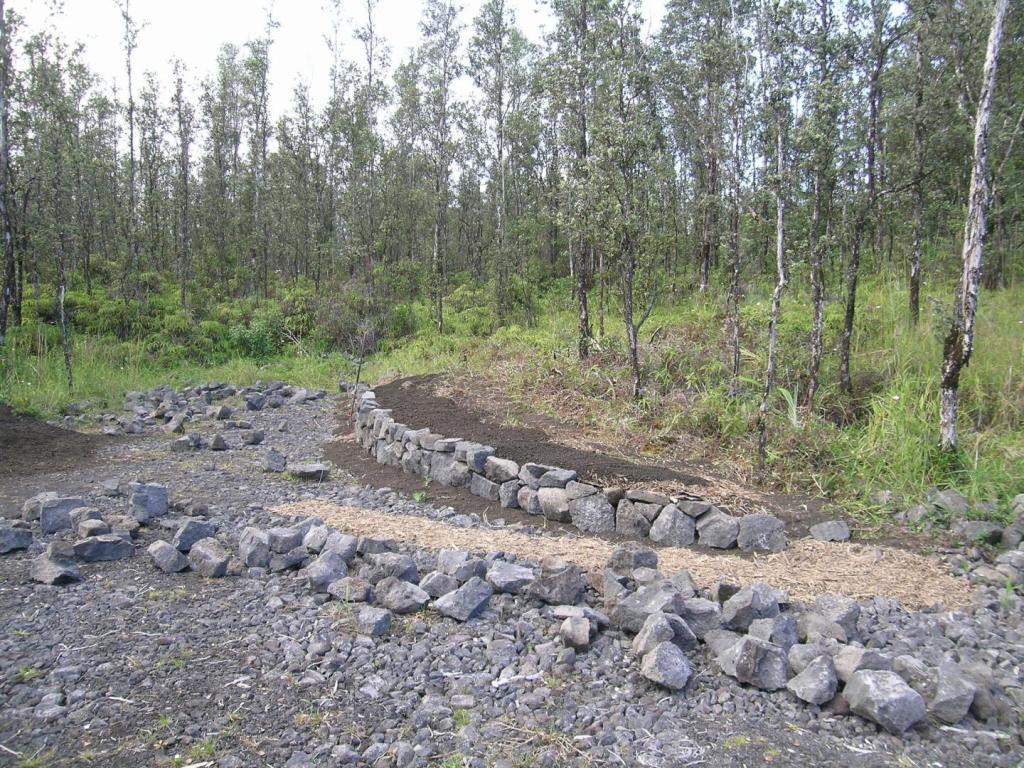


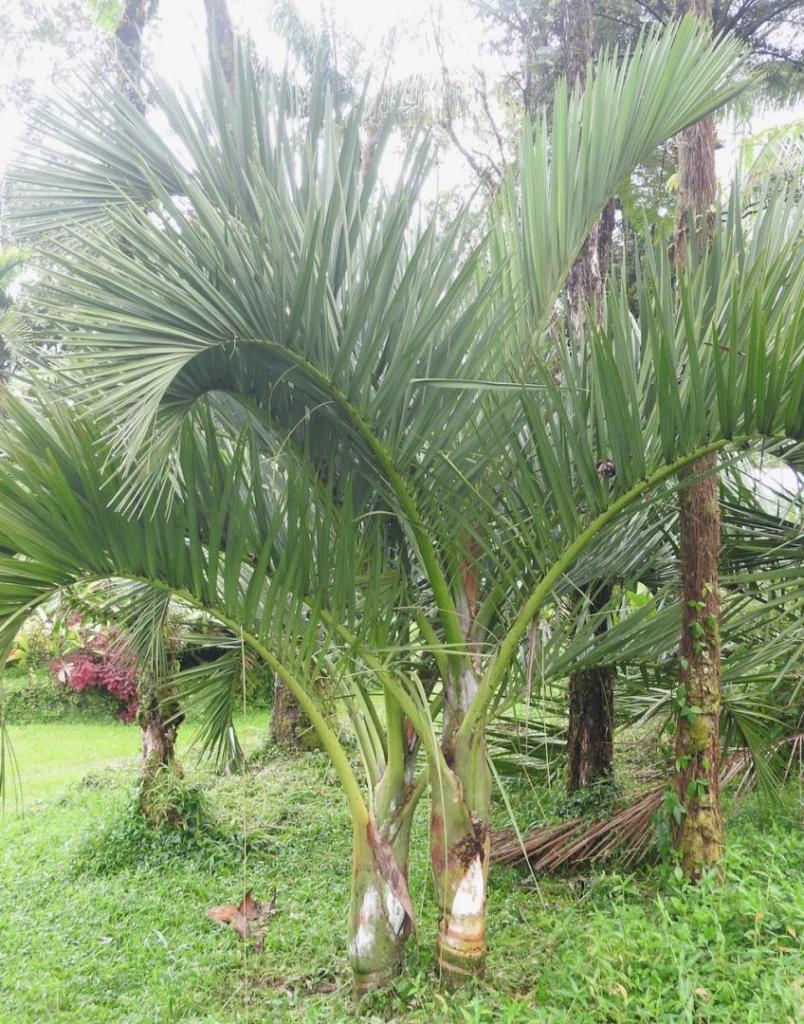
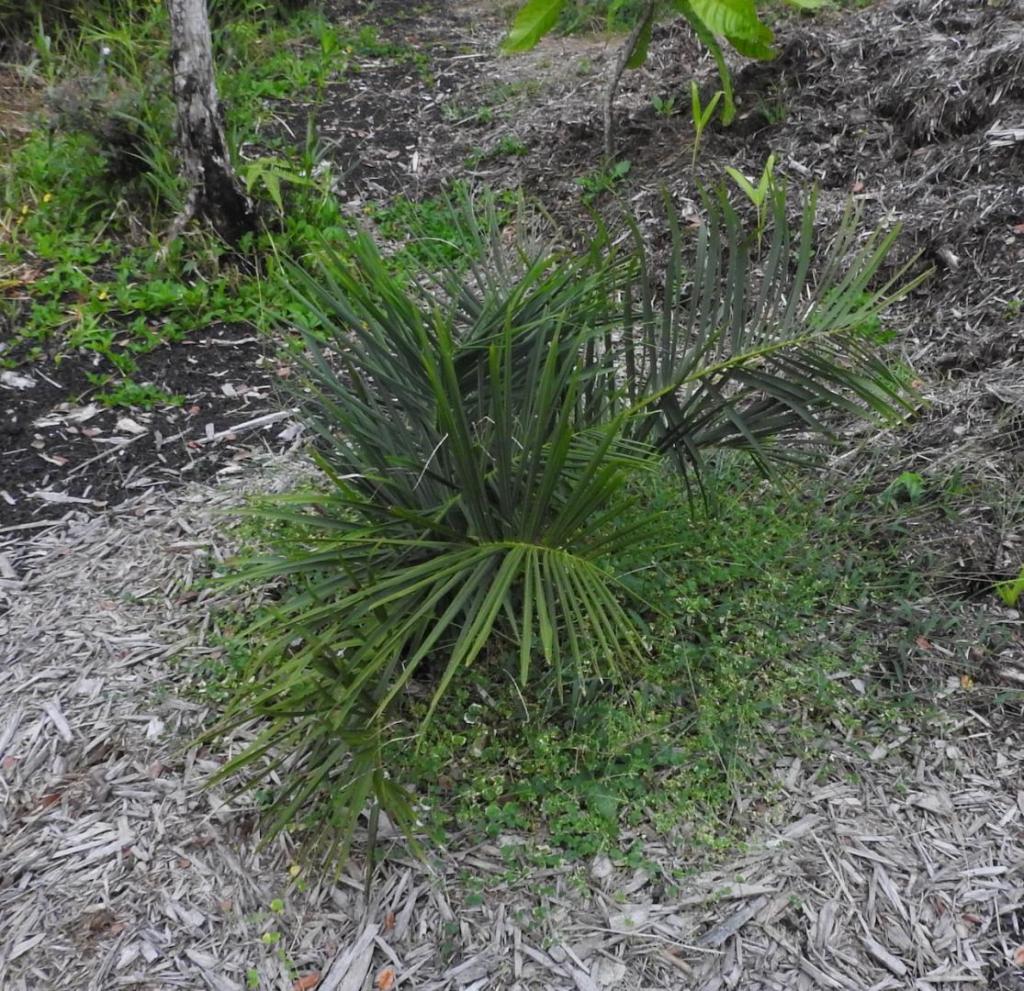
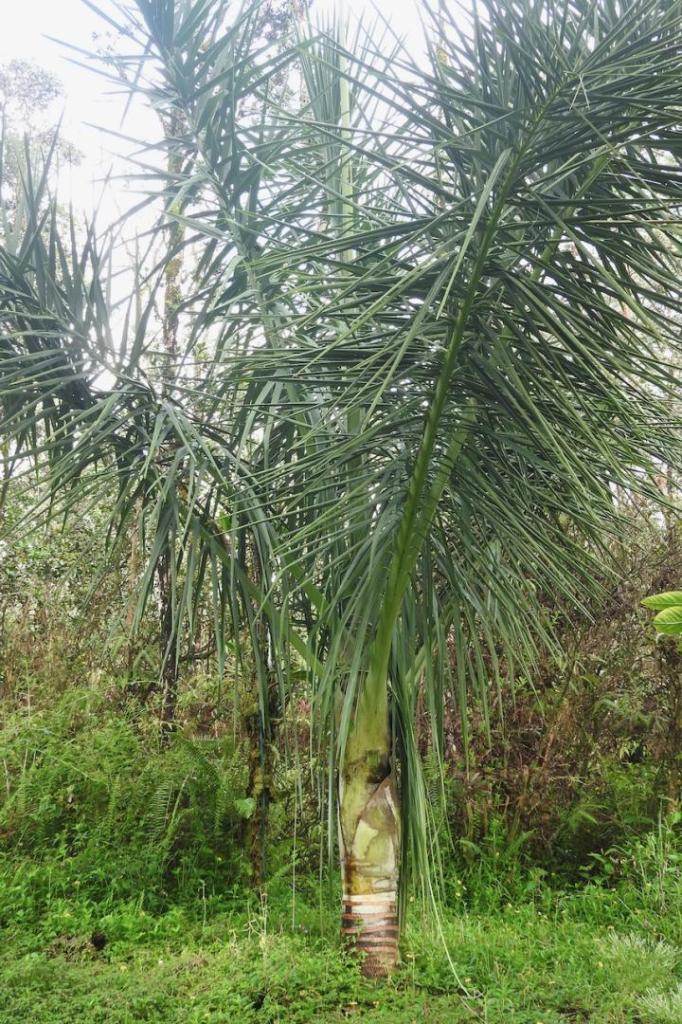
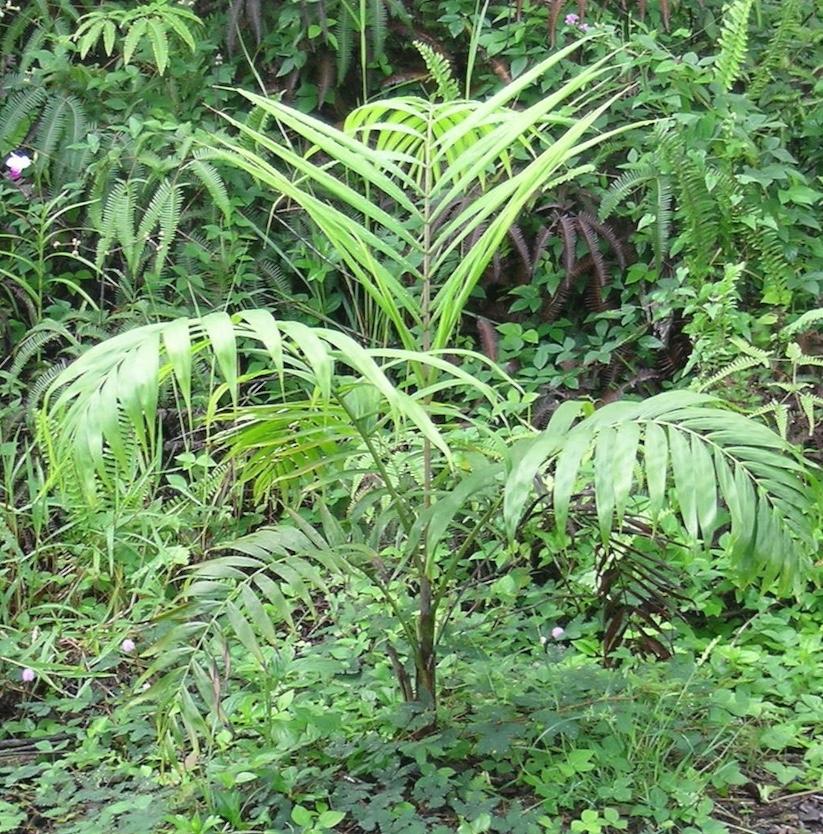
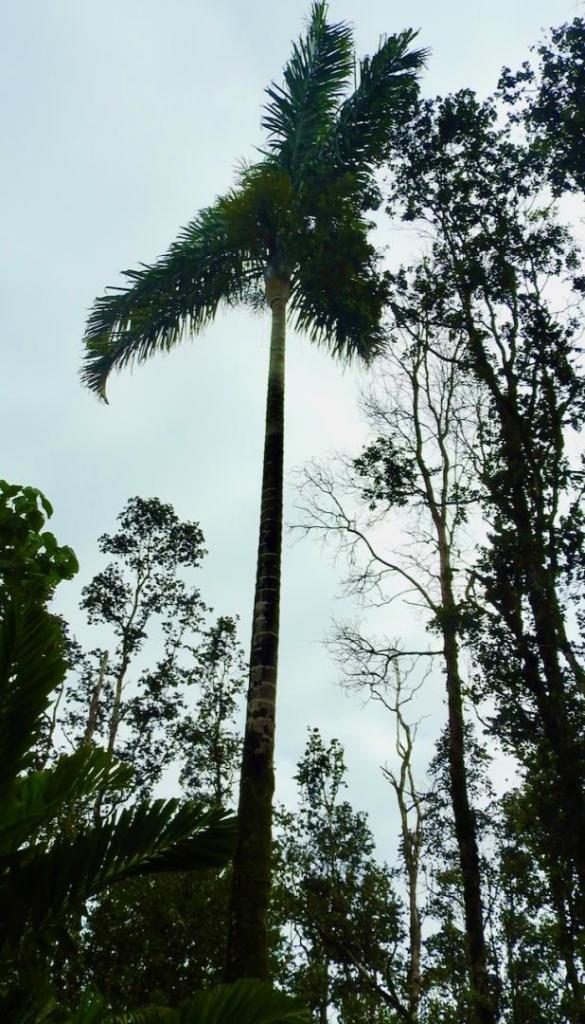
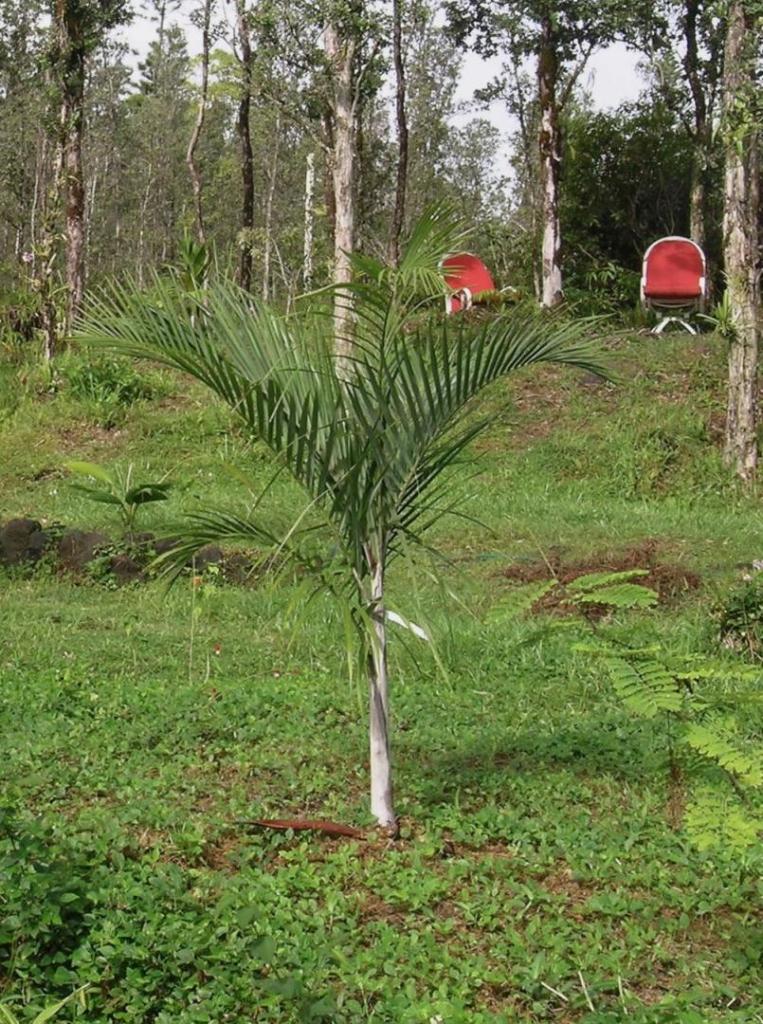
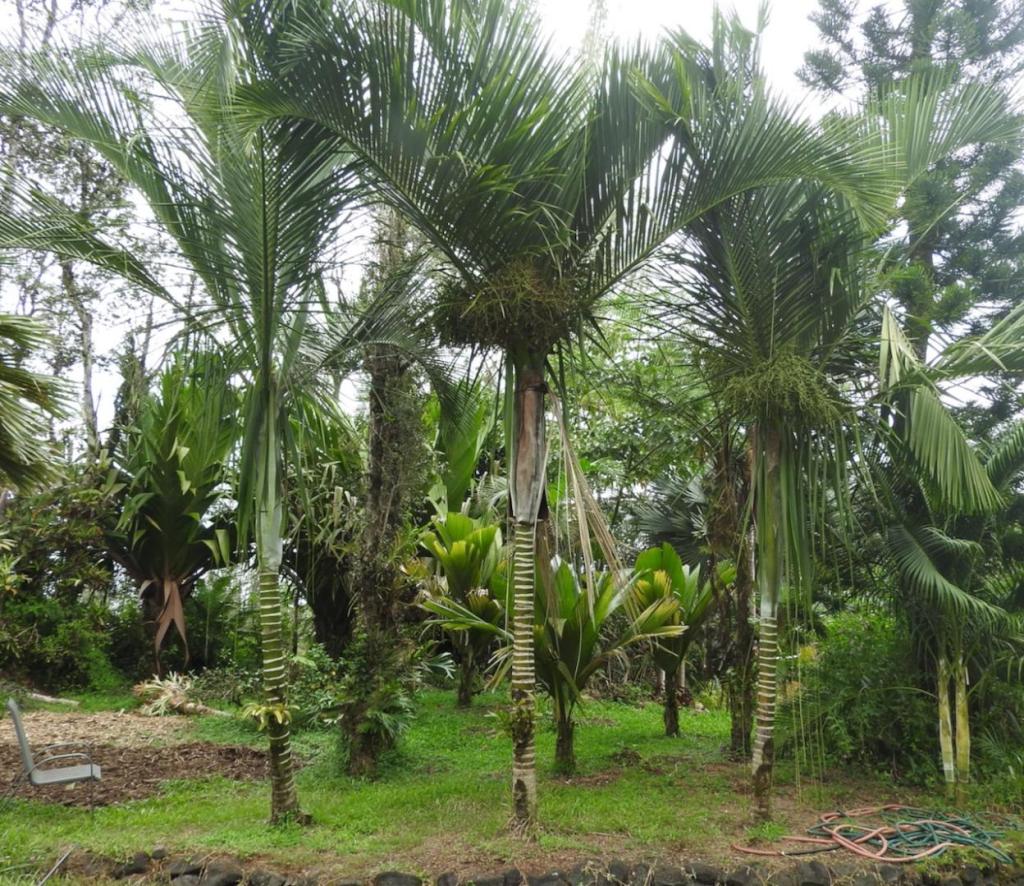
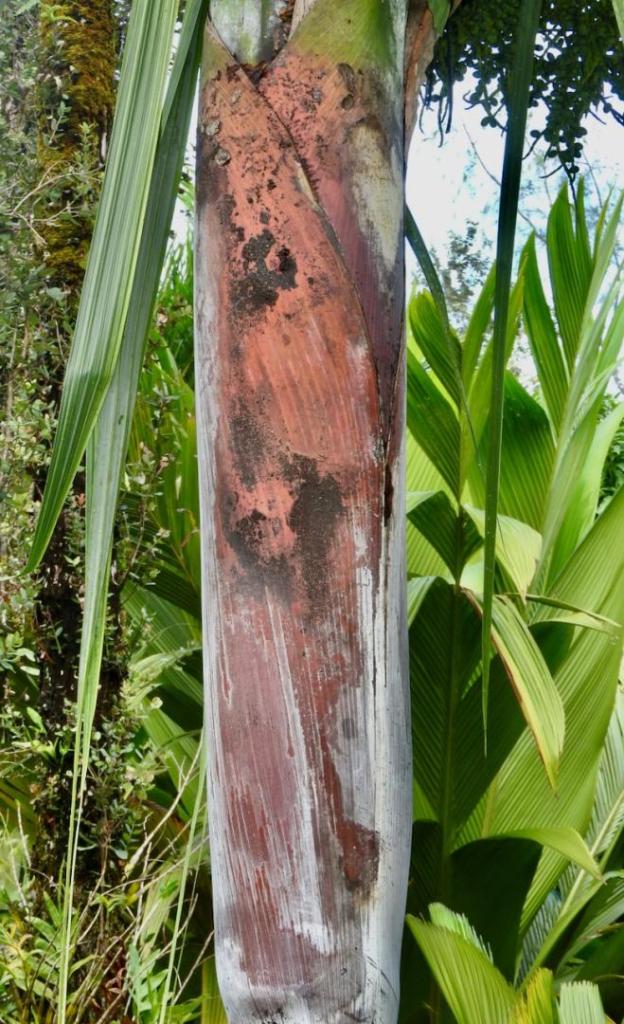

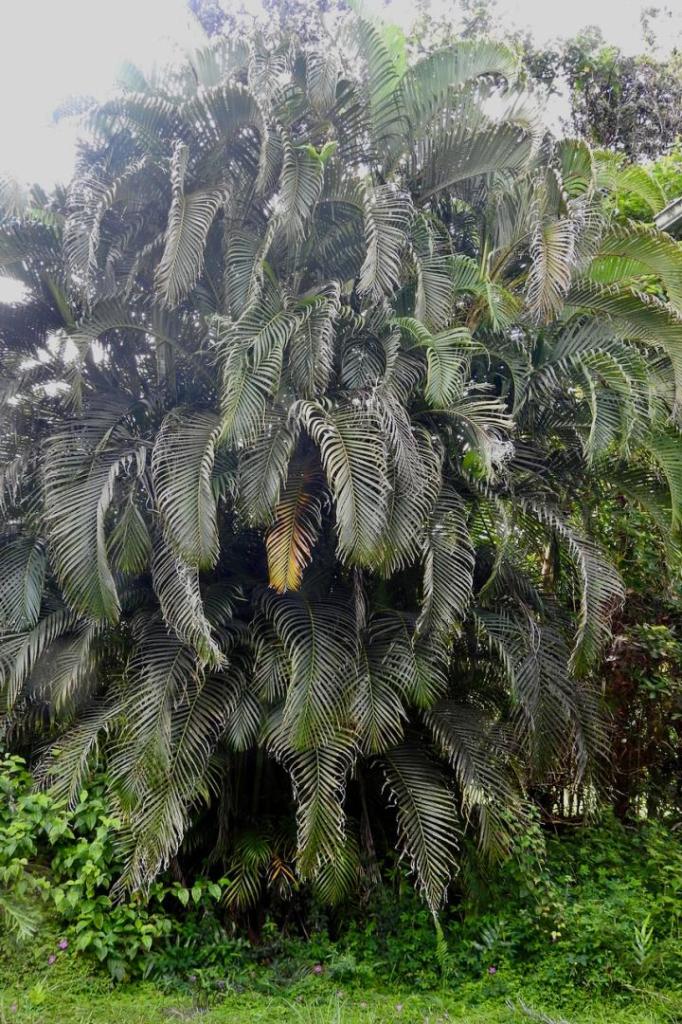
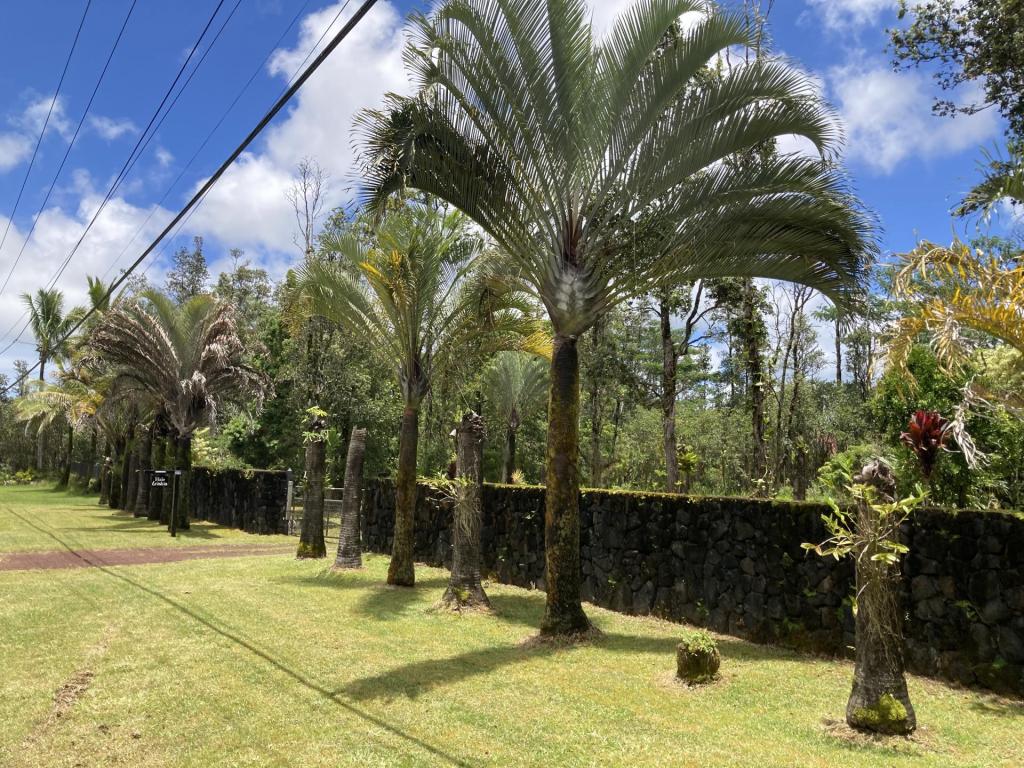 7 points
 -
7 pointsBest contribution I can make to this thread. Got a few sprouts growing nicely but I’m aware this is the easy part. Time will tell whether I can keep them happy long term here but I’ve been inspired by some success in cool climates. Not sure whether to fear my frosts or occasional extreme heat for this species. Probably both!
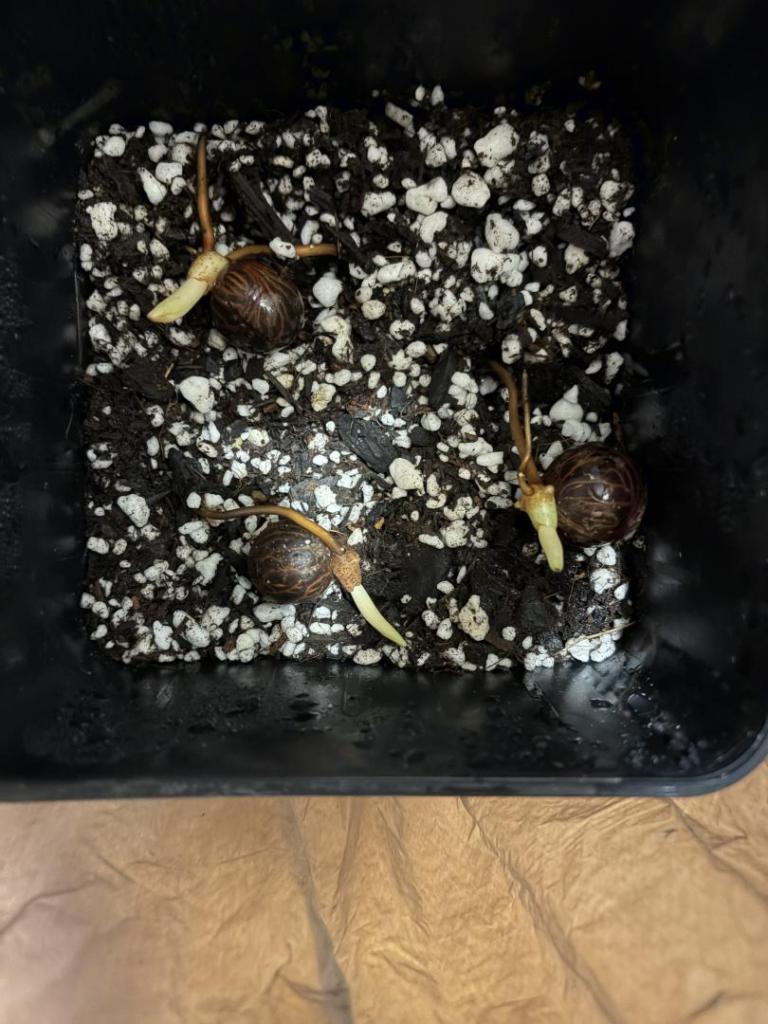 7 points
 -
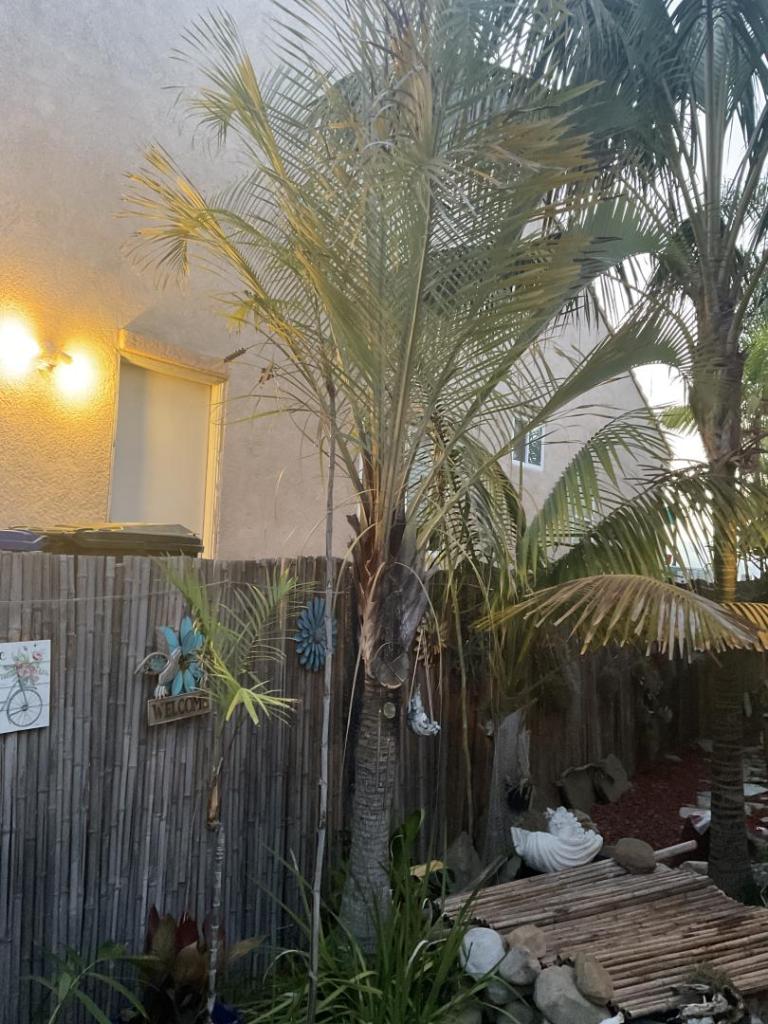
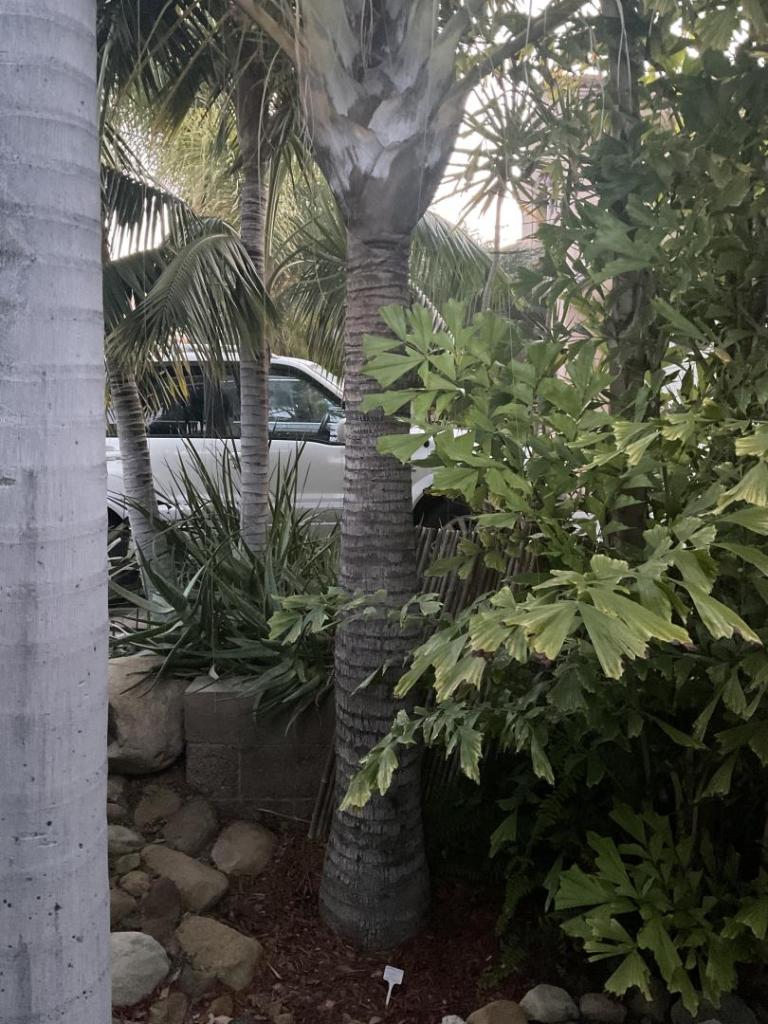
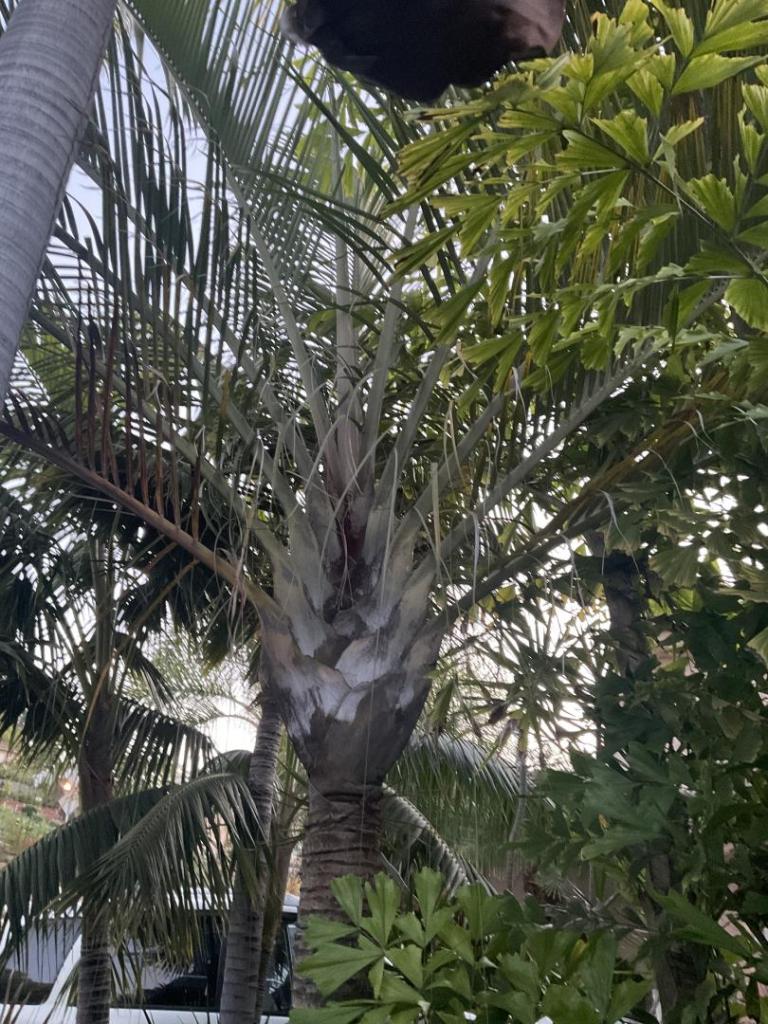
7 pointsThey are almost prehistoric looking ! I have two that I planted a few years apart . They aren’t super fast growing here , but steady . Mine were about the size of your little potted specimen in the photo. I’ve watched them grow over the years and they are so different from the other palms . The fronds maintain the triangular shape by repeatedly opening on the same plane as previous ones . The purple tomentum and silvery color , plus the “strings” that hang down give the palm a very exotic appearance. Harry A perfect spot for a nap . The wee folk of the garden have claimed this one! This one is not near as lush as the one I planted in the front where there is a bit more shade. I found that the shade has benefitted this one . I also figured out , last year , in between rain events is the best time to pull leaf bases off! This area , out front , has a very diverse leaf type of palms planted close together . Roystonia O. , Chambeyronia M. , Caryota M. , Syagrus R. , and Archontophoenix A. . Throw in a few Howea for good measure! 😊 I do find it interesting that high humidity ( Hawaii ) , tropical is not their preferred environment. They seem to prefer a more temperate or sub tropical home.
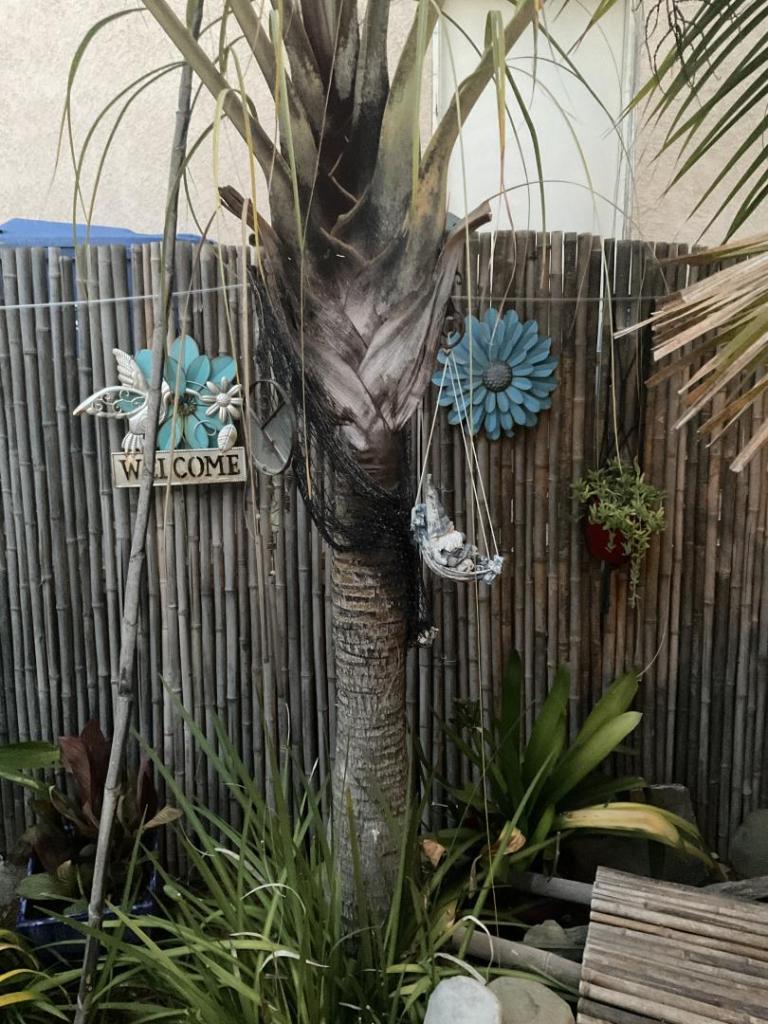
 7 points
 -
 7 points
 -
 7 points
 -
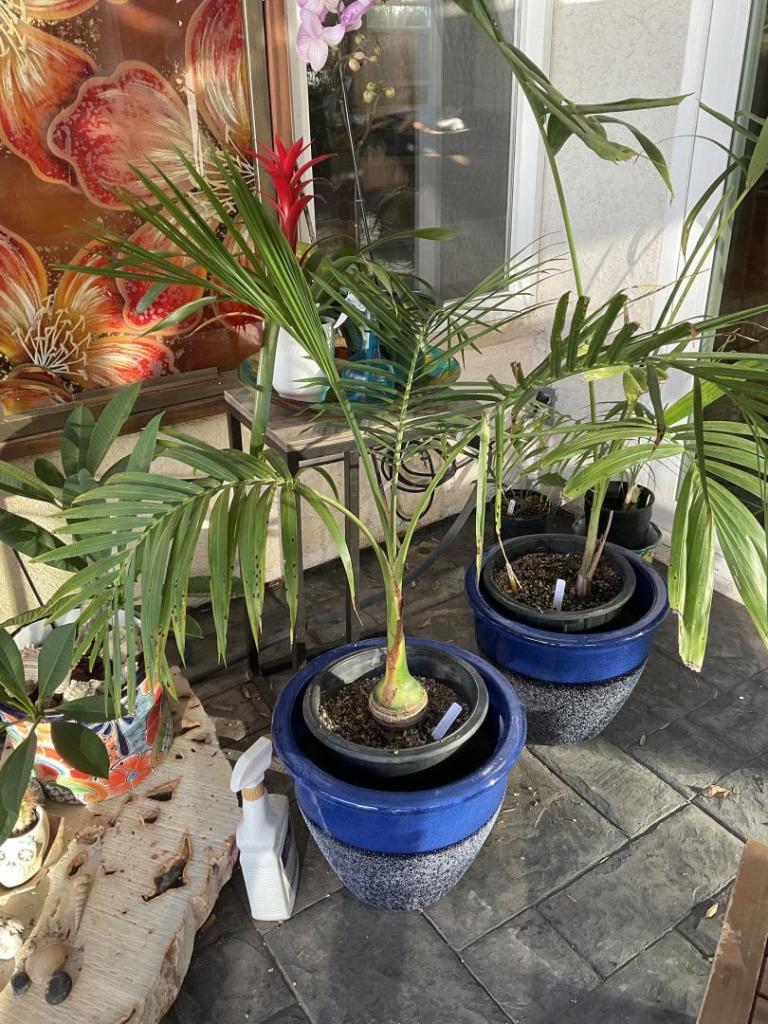
7 pointsI guess this could be considered a ring! @tim_brissy_13 here’s another Gaussia , sharing the spot light here in Southern California. One of my recent acquisitions. Harry Gaussia Gomez Pompae . I peeled the leaf base off when I got it home. So far , I believe wifey , who loves my palms but not like me , has claimed this one . Probably end up in a sunny spot later this year. I think somewhere out front , they are so cool , they deserve attention for sure.
 7 points
 -
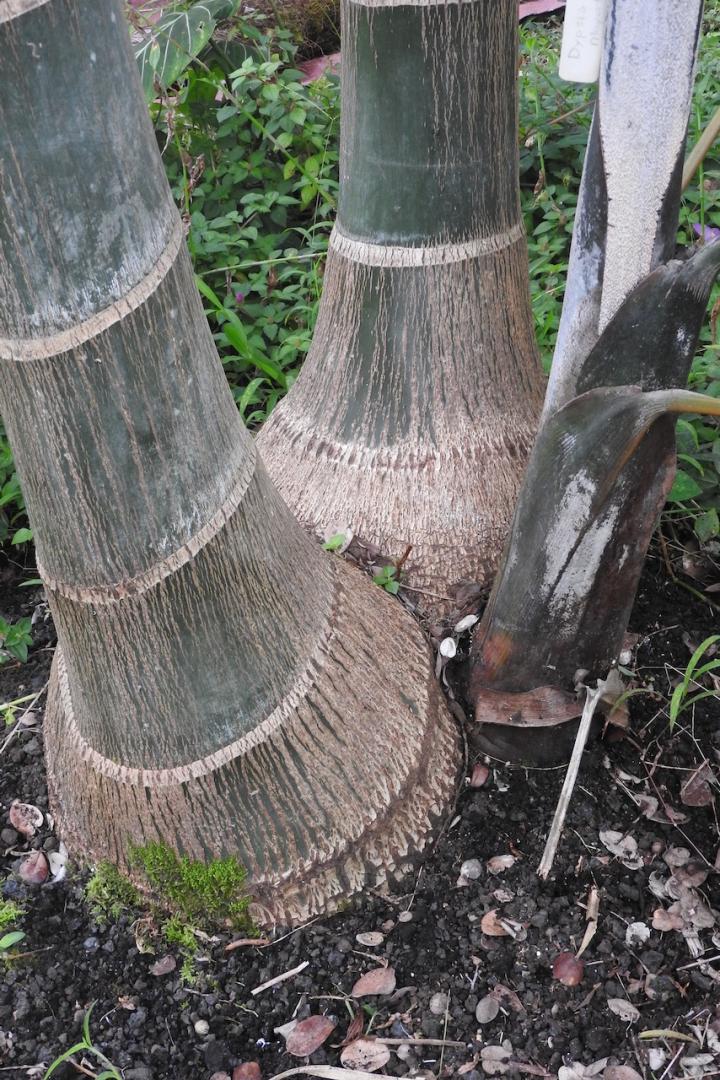
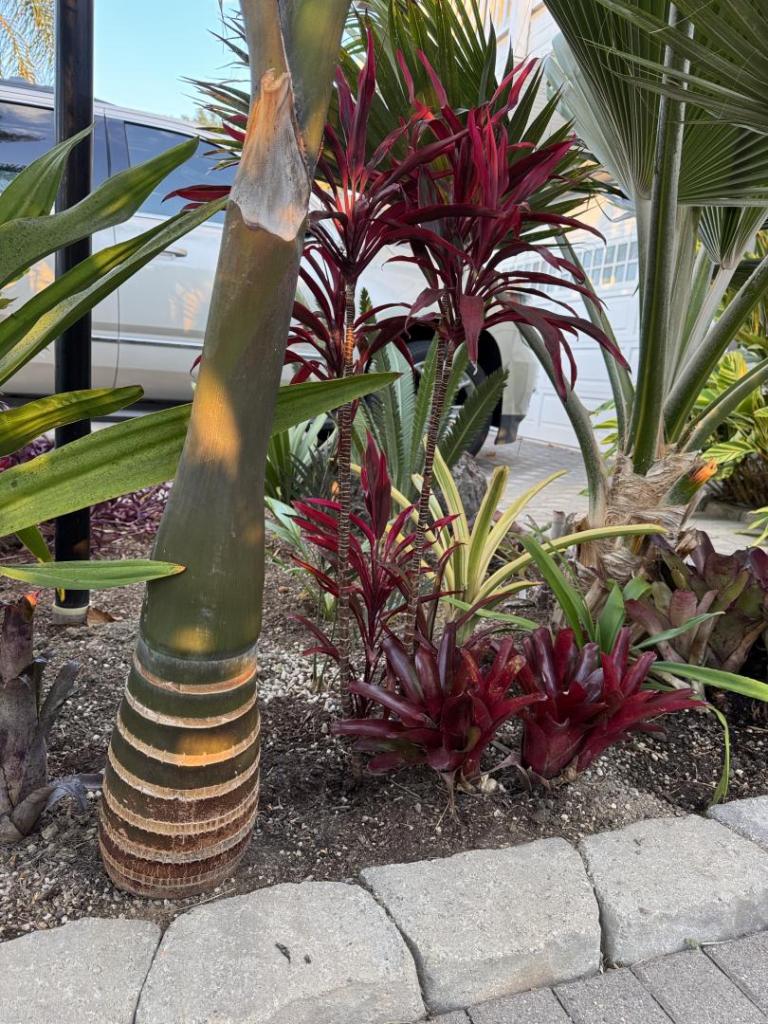
 7 pointsWhile definitely not its first ring, I’ve always loved how defined the growth rings are on Hyophorbe Indica. -dale
 7 points
 -
 7 points
 -
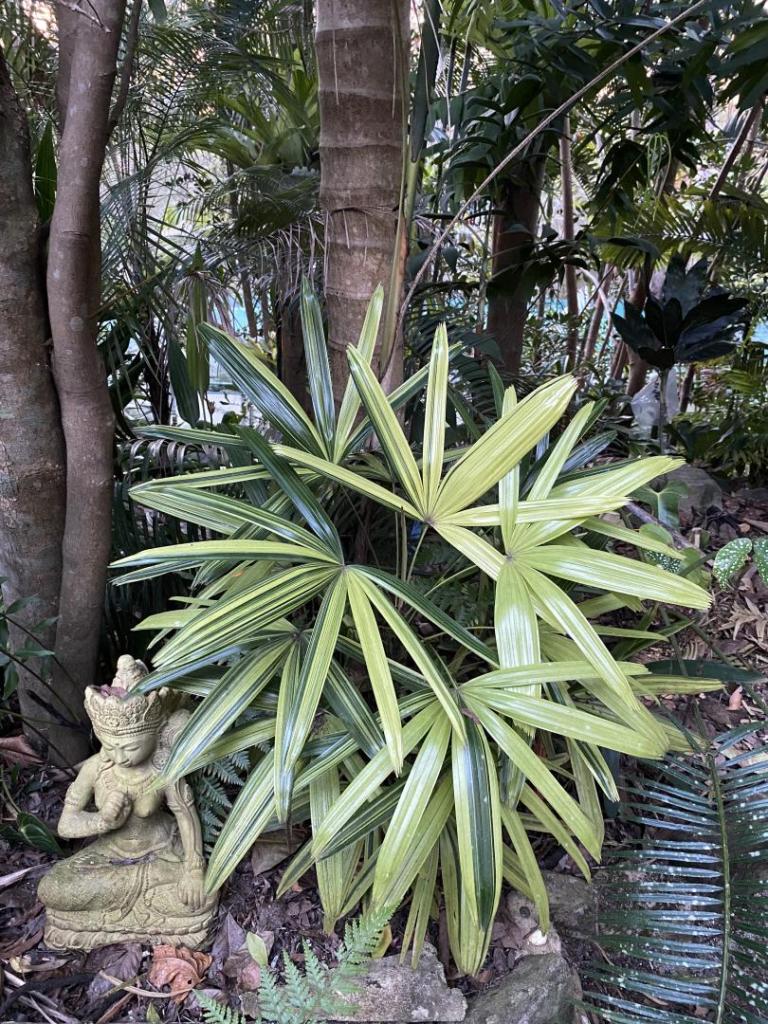
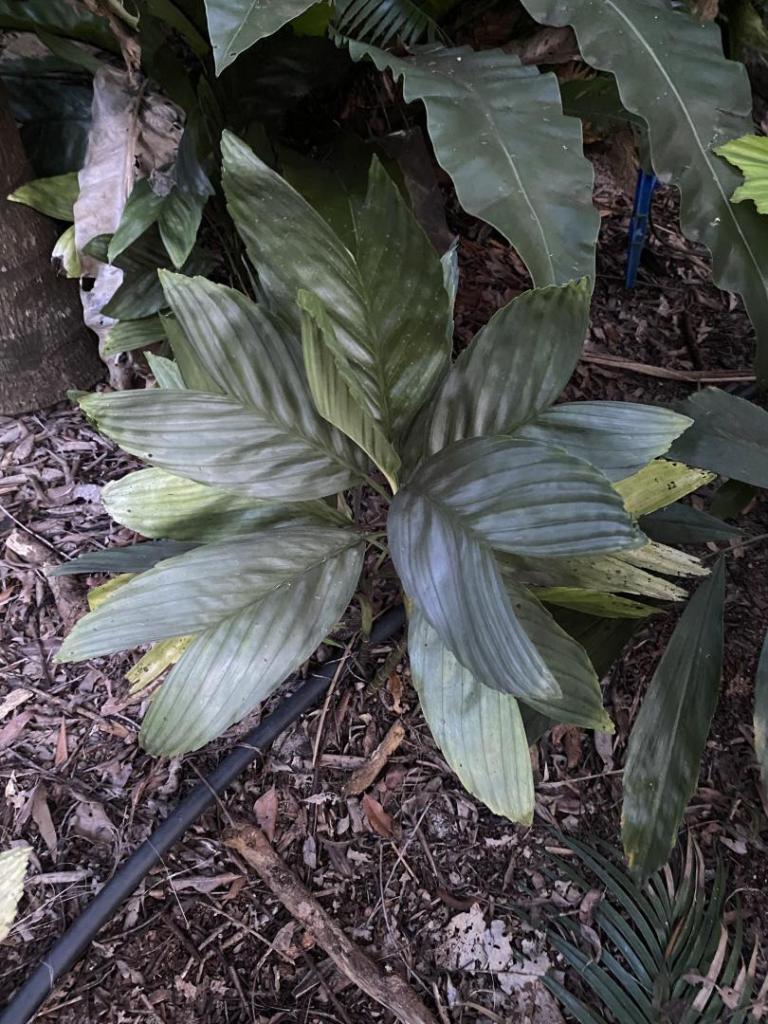
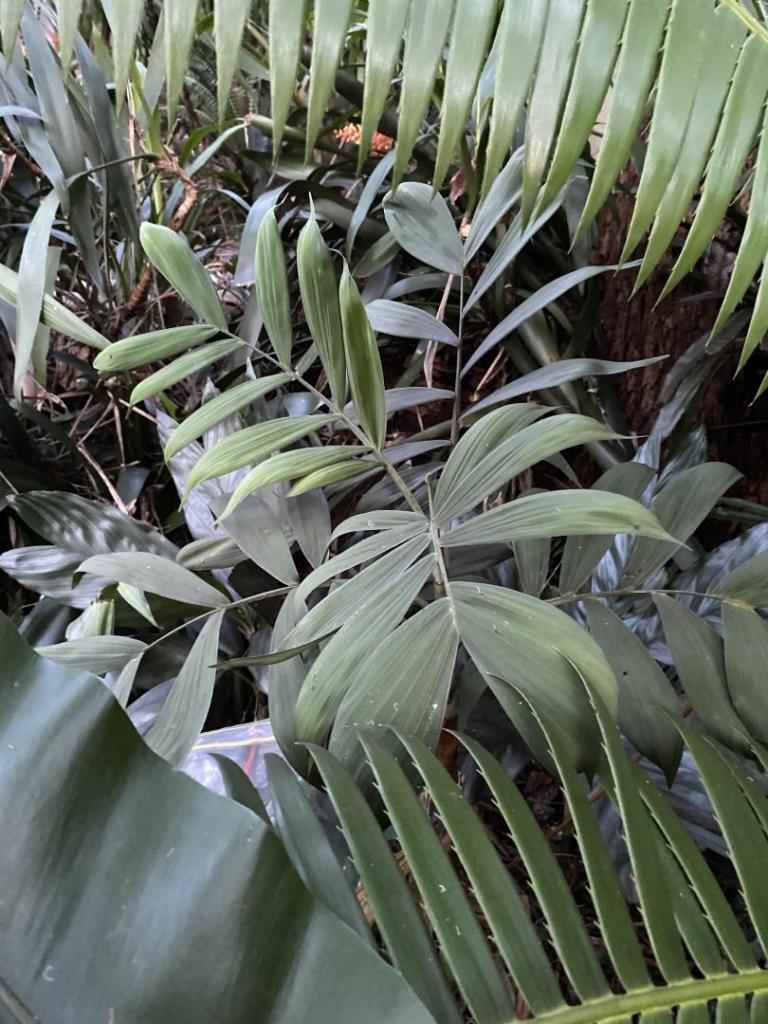
7 pointsKerriodoxa elegans, Johannesteijsmannia altifrons, Geonoma atrovirens, iguanura wallichiana var major, Areca vestria red form, sabinara magnifica, reinhardtia gracilis, chamaedoreas are must have, variegated rhapis. Then there are Zamias, Cerotazamias they all compliment palms and there are many of them to collect. Good luck once the palm bug bites you it’s a whole new world of plants!
 7 points
 -
 6 pointsHere’s my Brahea super silver and my son with a less than thrilled look on his face. Still no inflorescence or even an attempt.
 6 points
 -
 6 points
 -
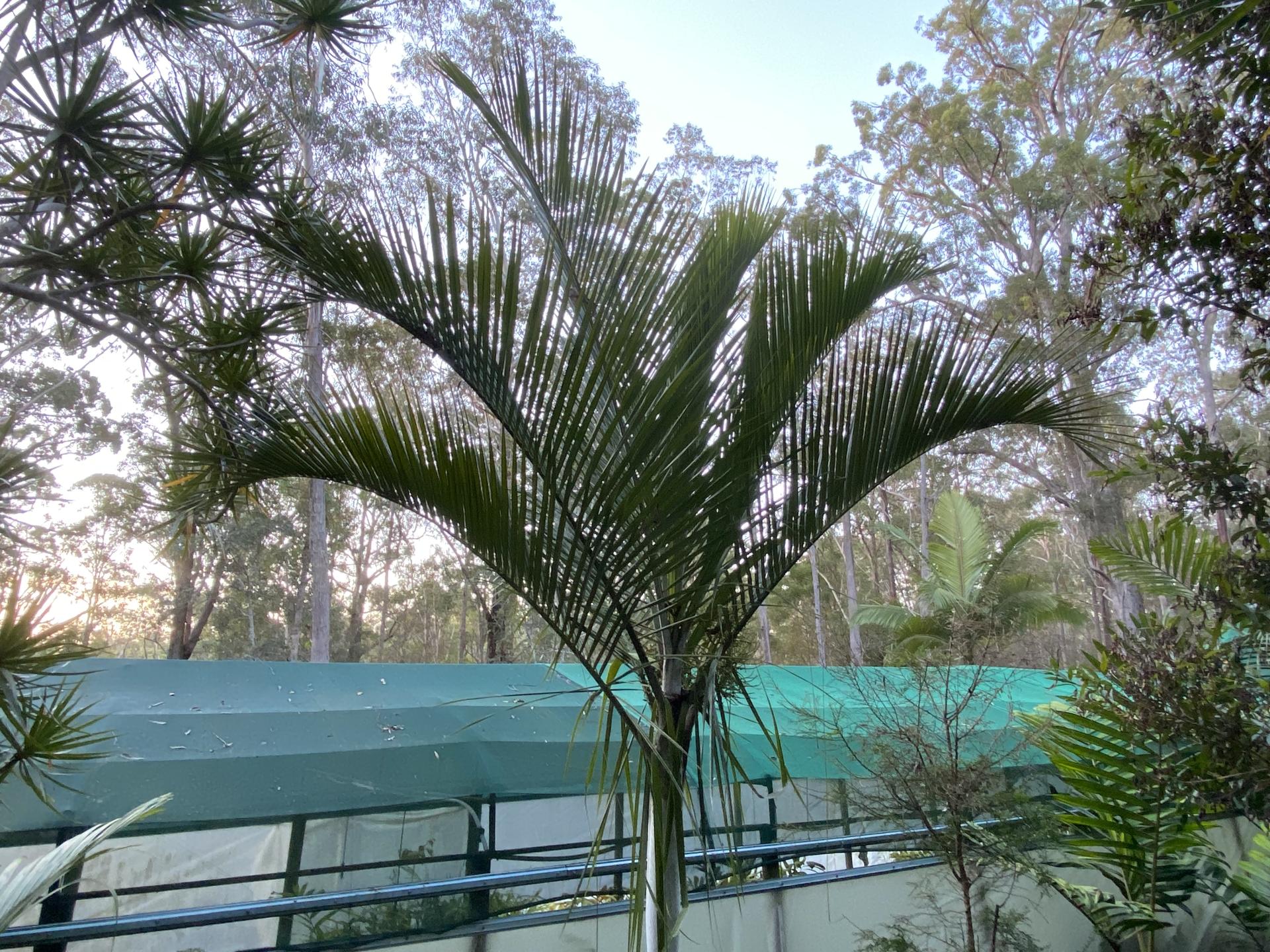
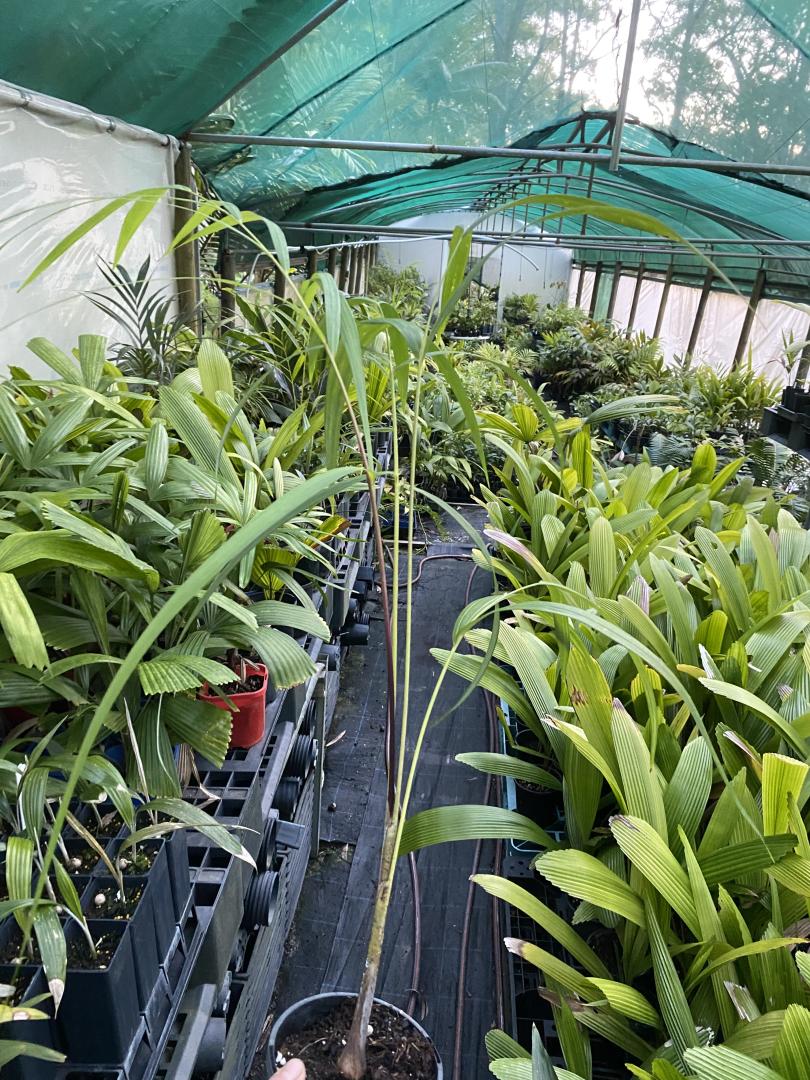
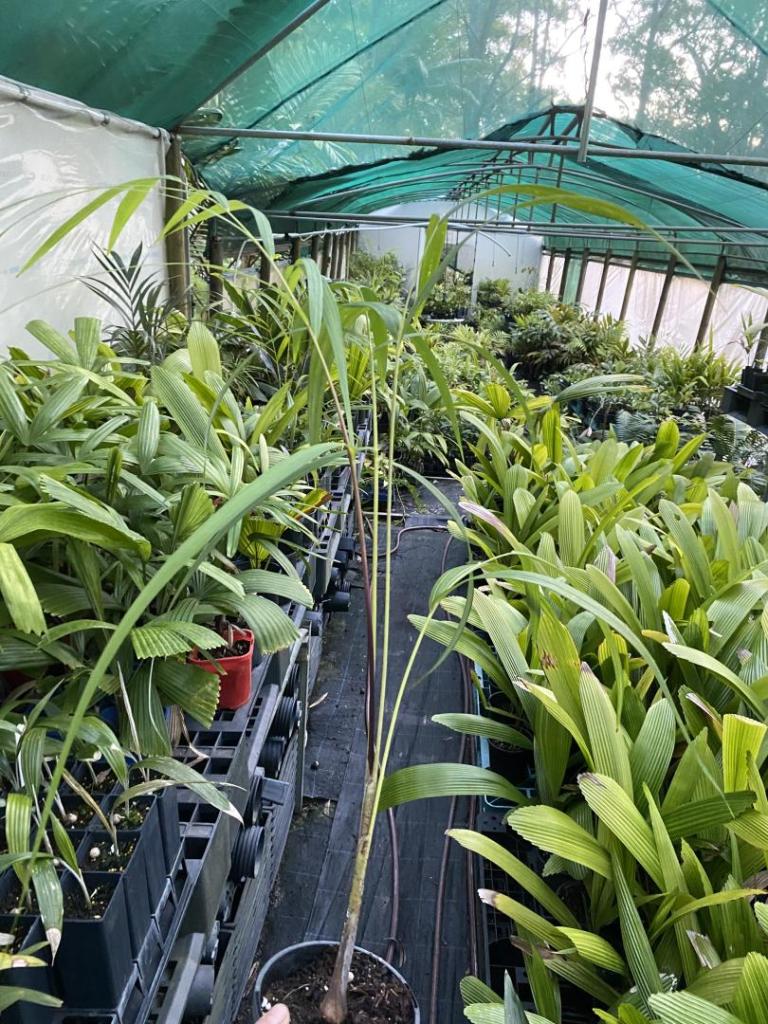
 I always read with interest your posts on what you are growing in your shade house and the lengths you go as a hobbyist to obtain different varieties. I sometimes wish I lived on the East coast so I could have access to the many palms that are more freely available. Here in Perth the selection of varieties is very limited, but when I first started collecting in the 1980's there were many collectors like you Richard, and the quarantine rules were not as strict as they are now in Western Australia. In the last few years I have tried to obtain seed as this seems to be the only way to get new species here in the West as Jayce from Perth has indicated. As a long standing member of the Western Australian Palm and Cycad Society I have tried to grow palms from seed and make available some different varieties that I sell at the societies annual events. Because of the lack of varieties available through retail providers, I have the same issues regarding what is a fair price considering the effort and time required to grow different specimens because buyers are unaware of the rarity of the palms I have and what is a reasonable price. While my offerings are very small in comparison to your operation Richard, I have a limited, but wide selection of about 40 palm species for sale that are not found in Perth nurseries. The attached photos show my shade house where I raise many of my seedlings and my heating beds for germinating seeds using mainly the "baggy" method. I sell my seedlings from between $5 and $20 and more mature plants for various prices. Many of these are cheap by most standards but palms are not as popular in Perth as they were and the price needs to be realistic for newbies to take a chance on growing them. I have some satisfaction in growing these other species, especially "zone pushing" more tropical species and making them available to our members and the general public, as well as providing extra funds for the palm society through a selling commission. It will never cover my costs but the reason for doing it comes down to a hobby I enjoy and wanting to share with others. Russell
 6 points
 -
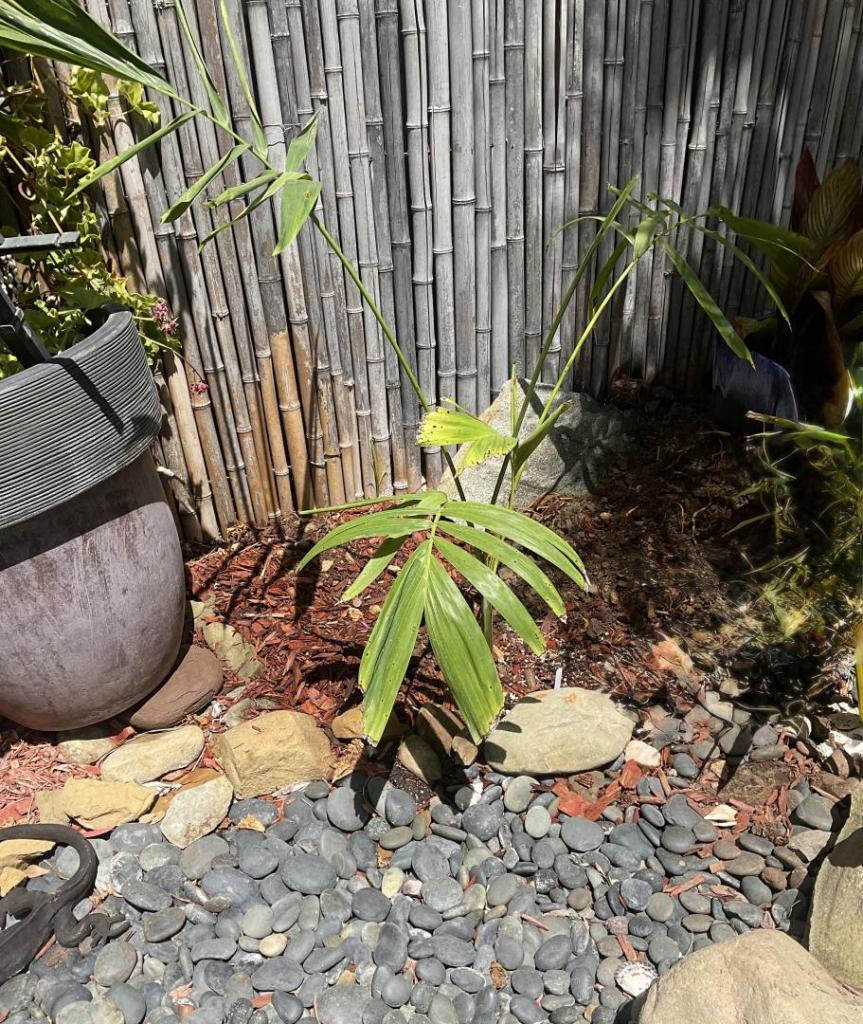
I finally got a palm planted this afternoon. I’ve been waiting for cooler weather but it ain’t happening so impatience won. I came home with this palm after visiting @DoomsDave a few weeks ago. It is one of about 5 or 6 palms I adopted. This one is just a bit of a push for my climate but I’m pretty confident it will be fine. I chose a nice spot that only gets sun after about 1:30pm and only for about 3 hours this time of year. As it grows , it will see just a bit more . Palmpedia says these like a warm tropical to sub tropical climate and like a rather sunny location. Digging holes in rocky soil with many mature palms sending out feeder roots is a chore , especially in 89f temperature! I dug out three fist sized rocks and chopped through a bunch of roots . There will be enough room in this spot for a few stems if it decides to clump( very likely). Harry It doesn’t look like much right now but in a few years, it will be looking great! If you are growing this species , post pics so I can dream!😂
 6 points
 -
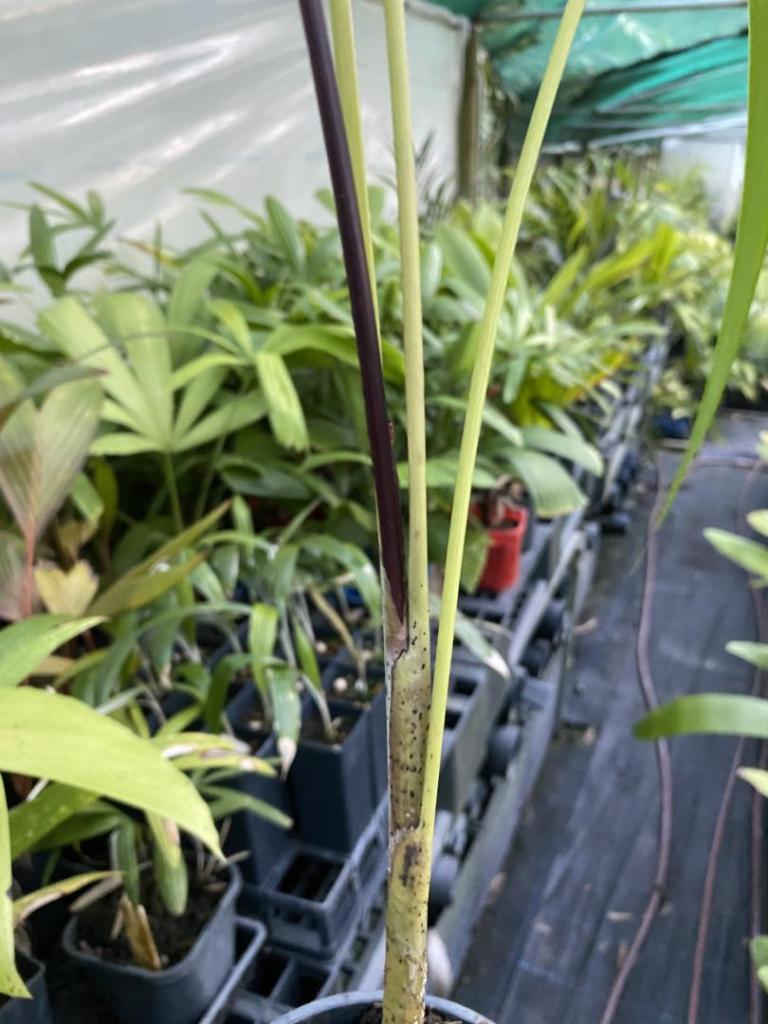
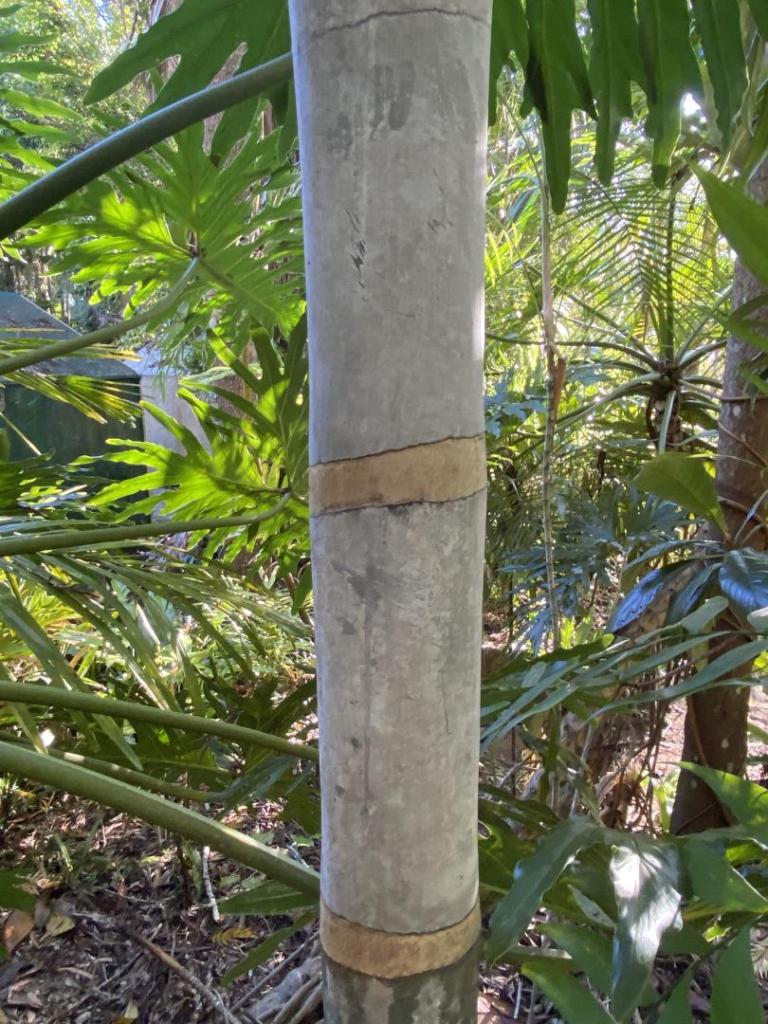
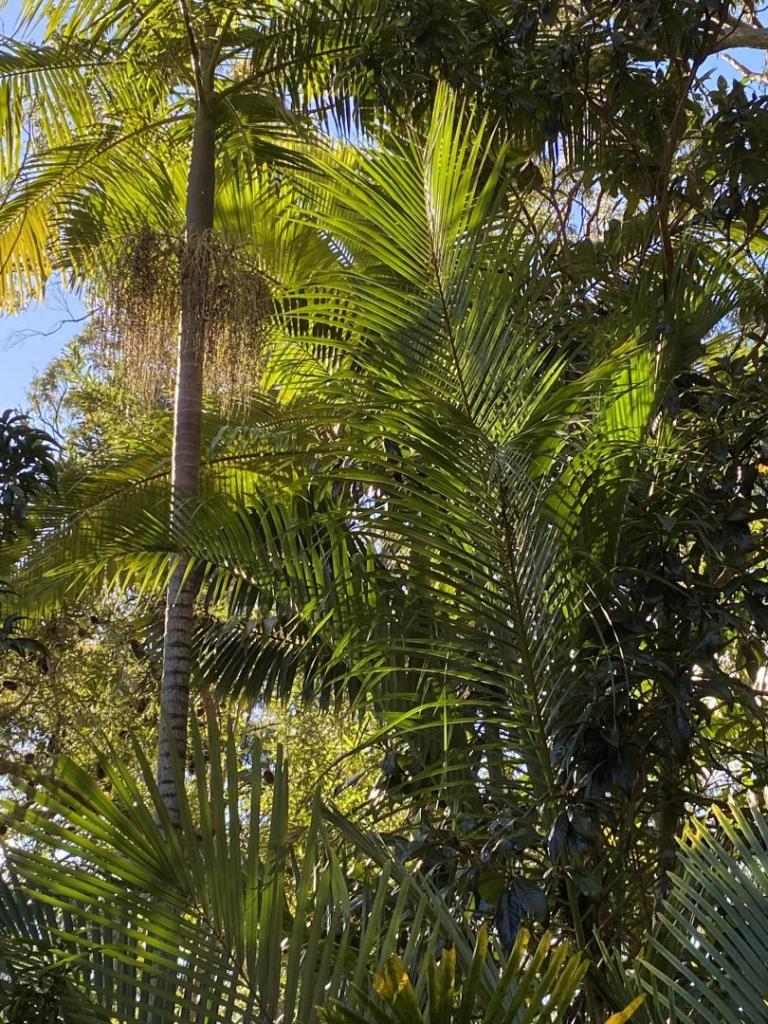
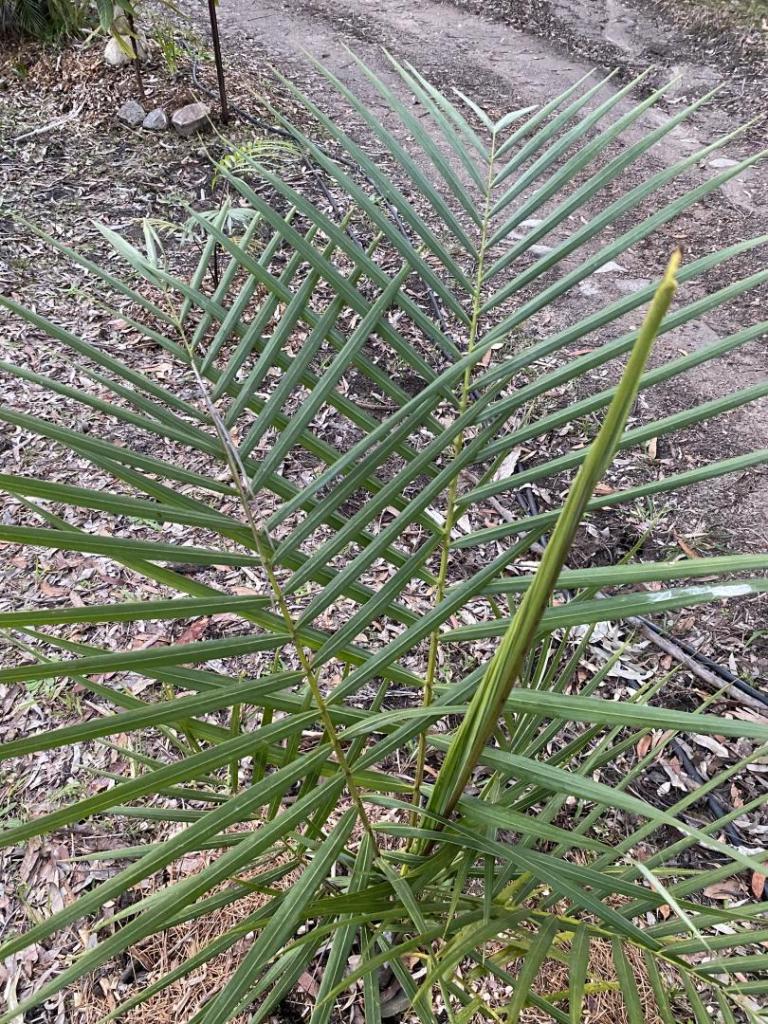
It’s pretty easy to see what makes a saintlucei so popular. You can’t go past that beautiful look of an accent palm, with a trunk that’s straight as an arrow and the arched leaves to the white crownshaft. Easy to grow with a little dry, cool tolerance. They love black sandy loam soil that’s free draining. Single plants will set seeds. Just another one of those Chrysalidocarpus that are an absolute winner!




 6 points
 -
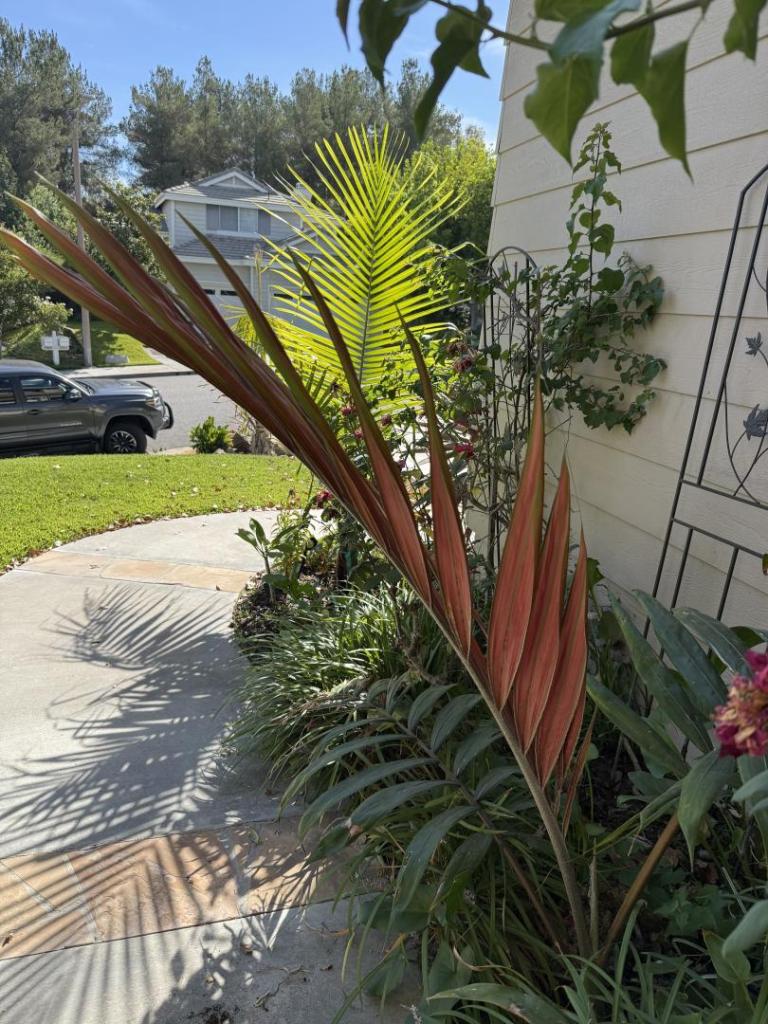
 My macrocarpa is doing great in this spot and microclimate. It just opened up a new frond. Thought I would share in case anyone in the area is considering buying one. I would add Im in central Valencia, climate may differ slightly from places further north in foothills where it gets colder, like Saugus, Canyon Country. The teddy bear palm has been doing exceptionally well, it’s almost in full sun most of the day.
 6 points
 -
Iam not to sure what gives such deep red, I do know it’s anthocyanins that cause the red. But some years I get a lot of deep red colour and other years lighter red. It could be temperature, moisture, heat, cold. Whatever it is we need more of it!
 6 points
 -
6 pointsSeasol or seaweed extract for vitamin b stress relief. Which I think some of world could use some right now!6 points
-
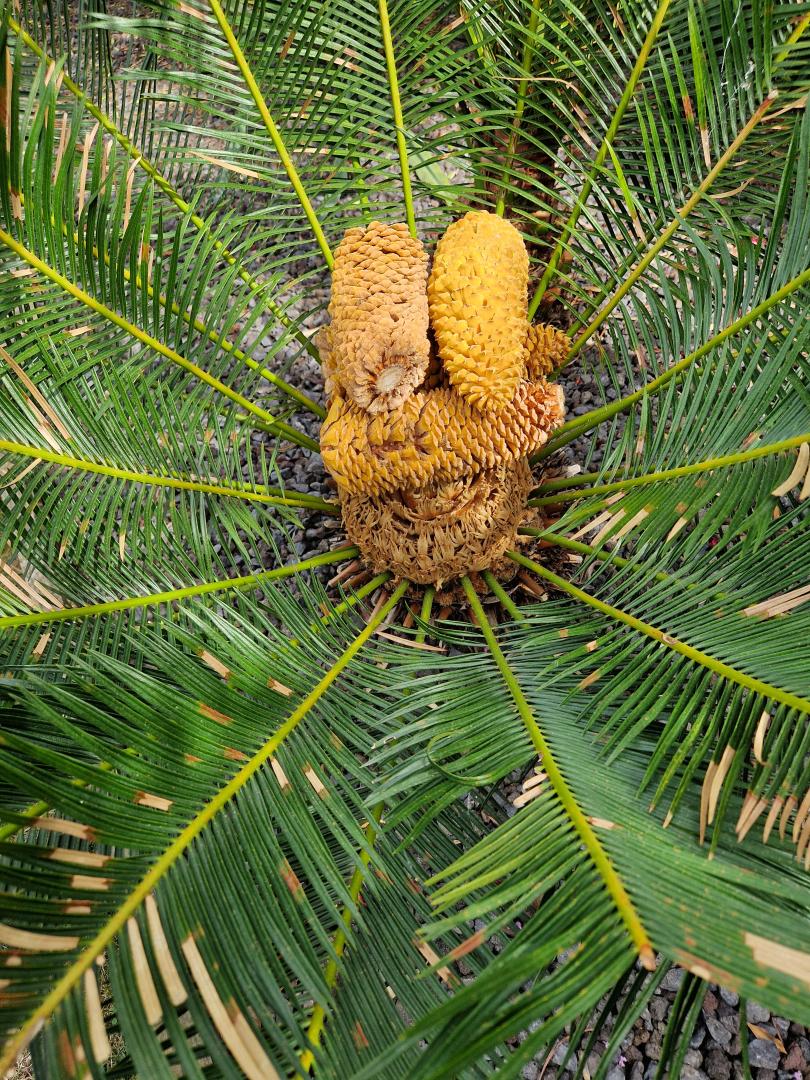
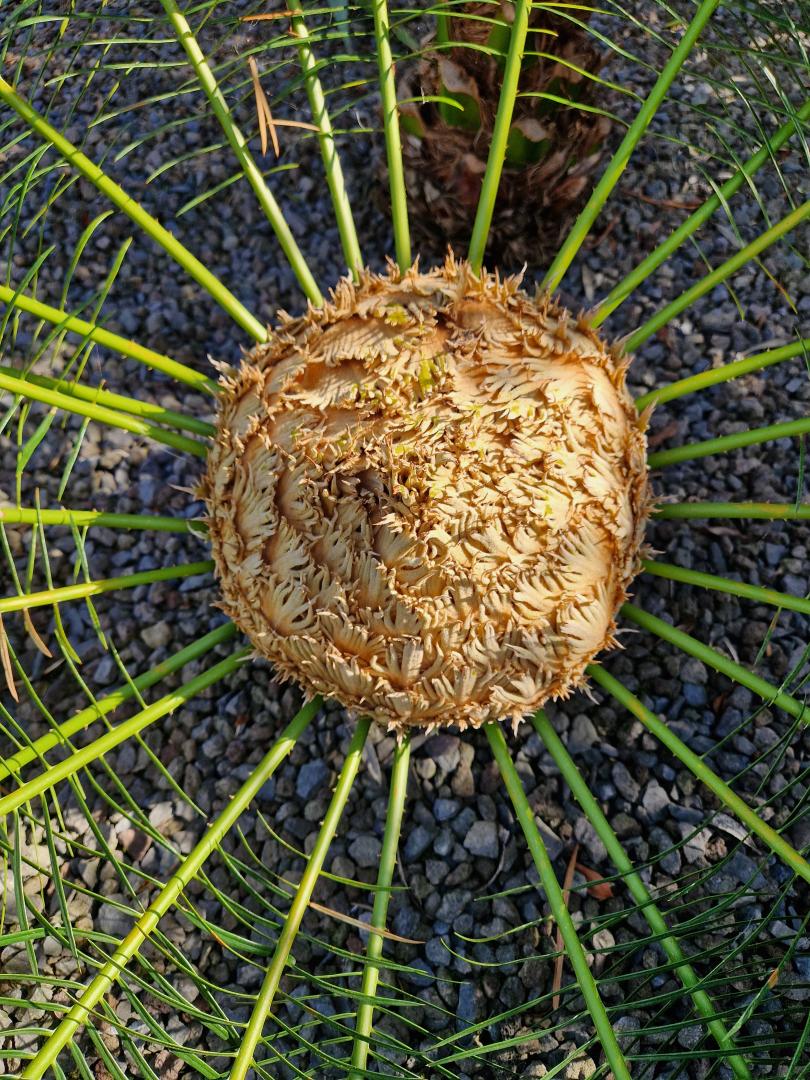
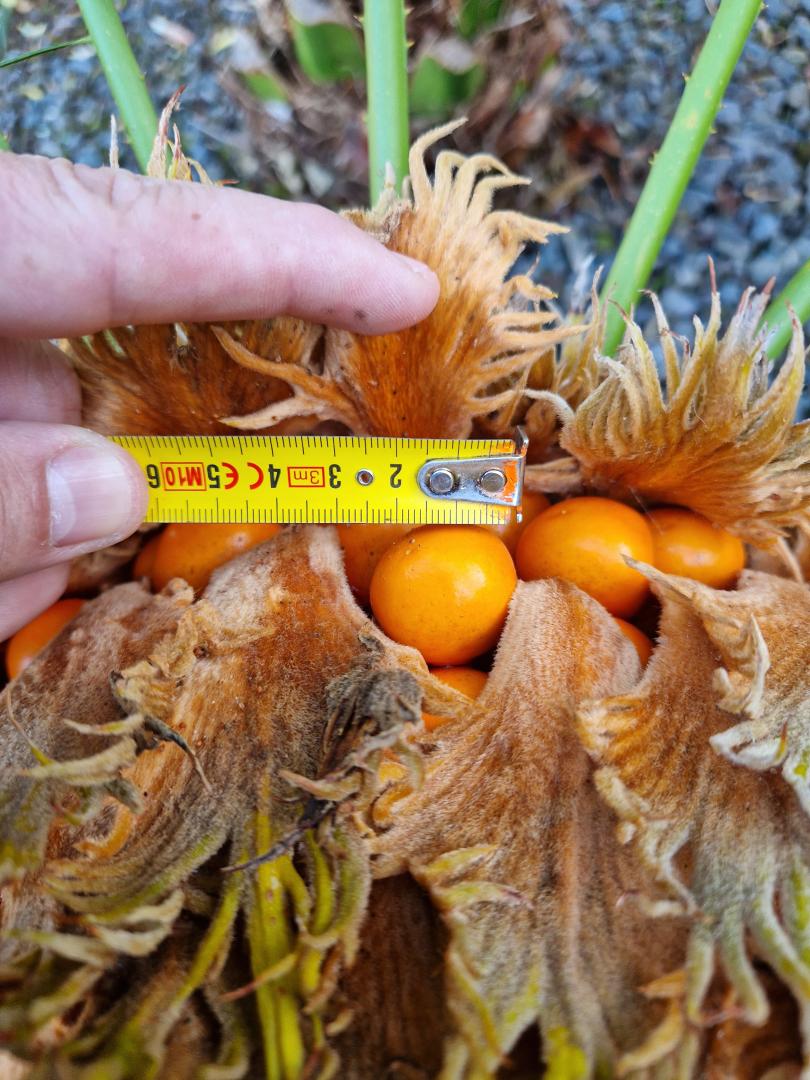
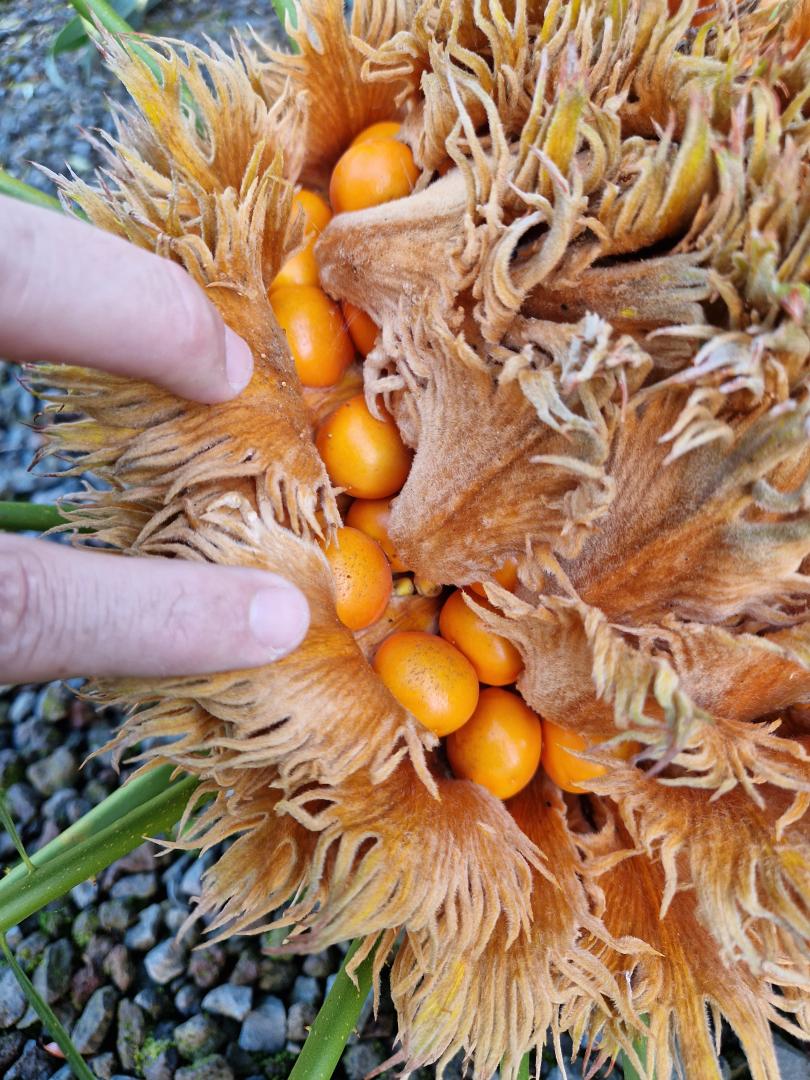
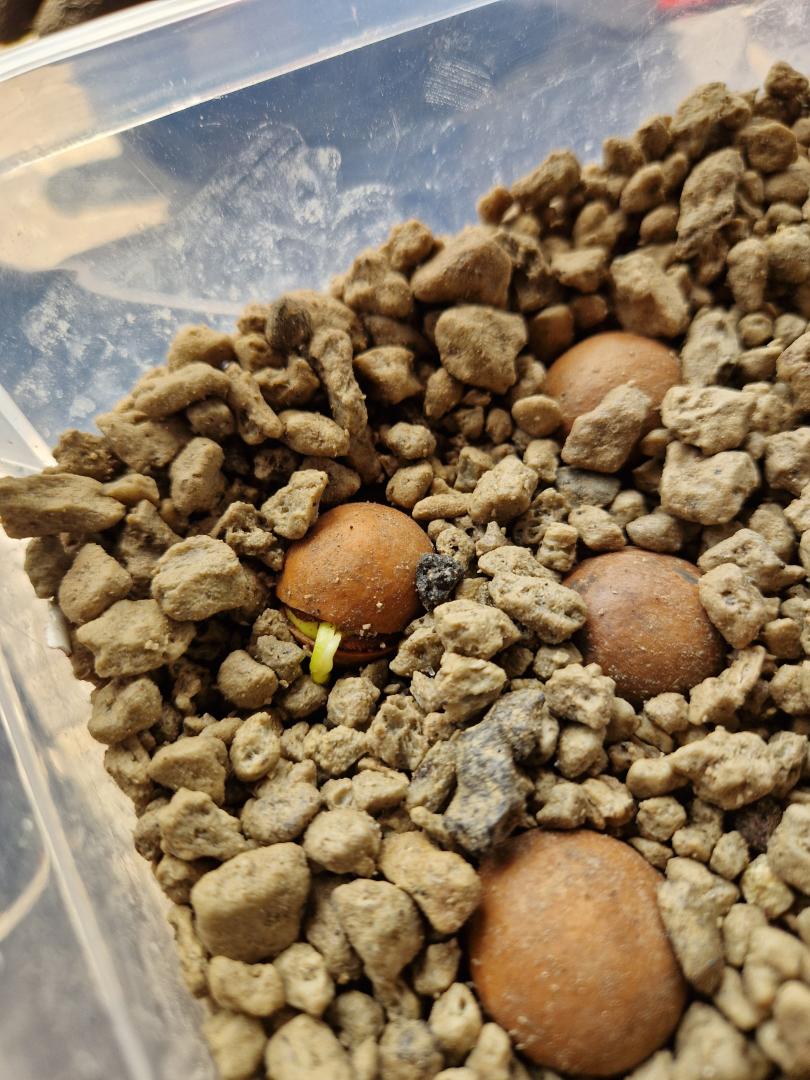
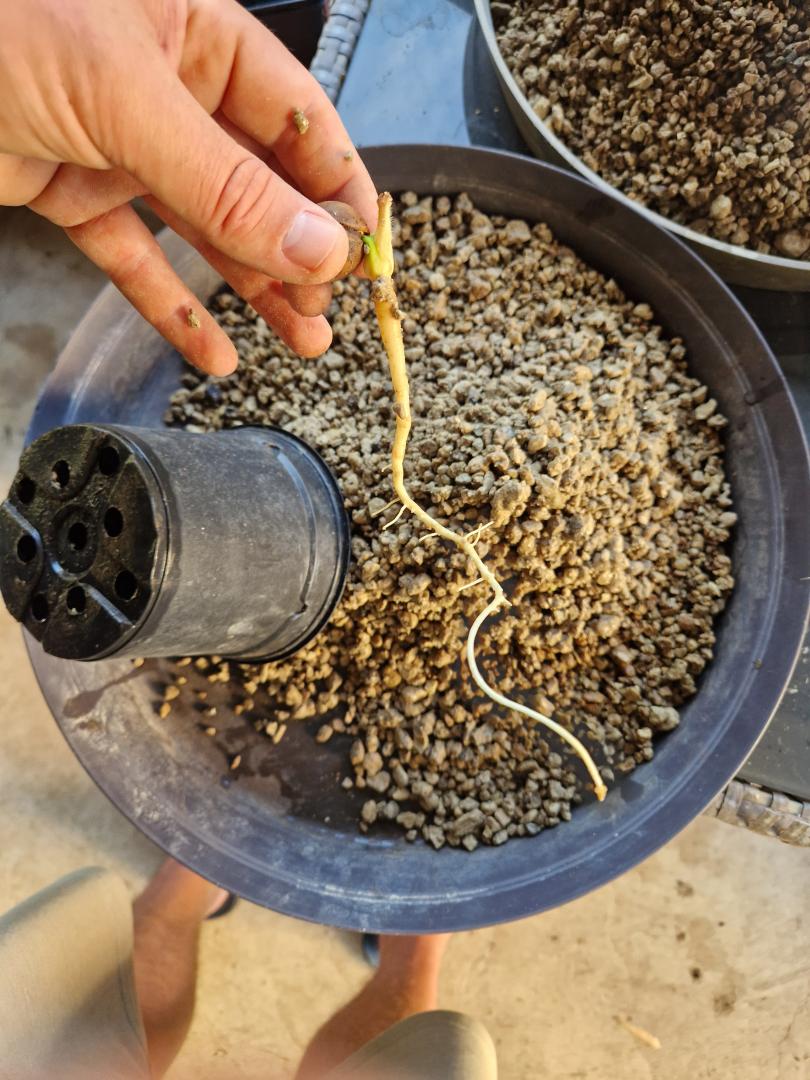
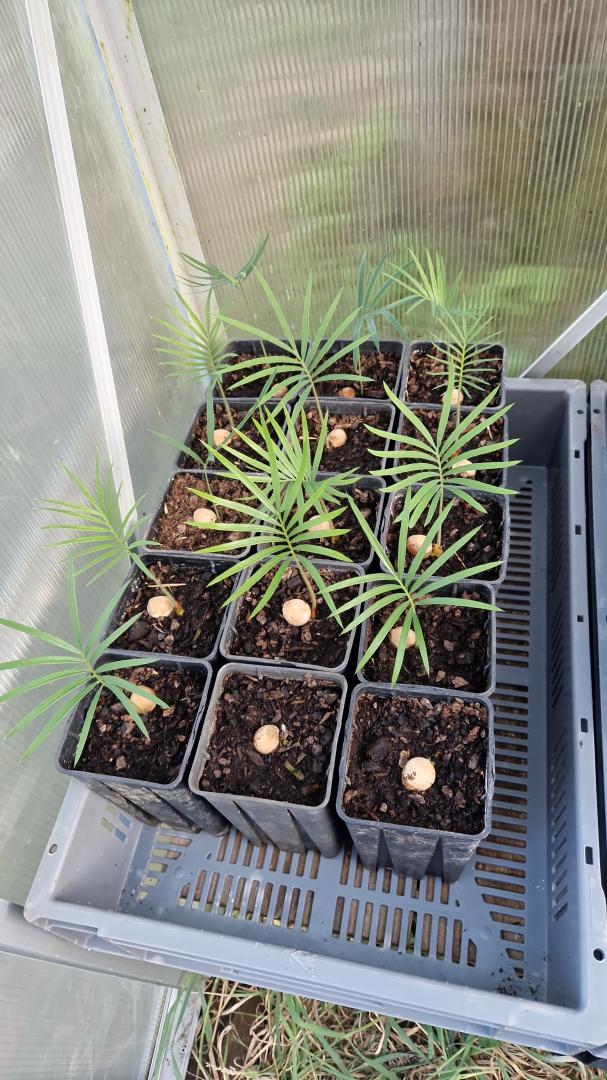
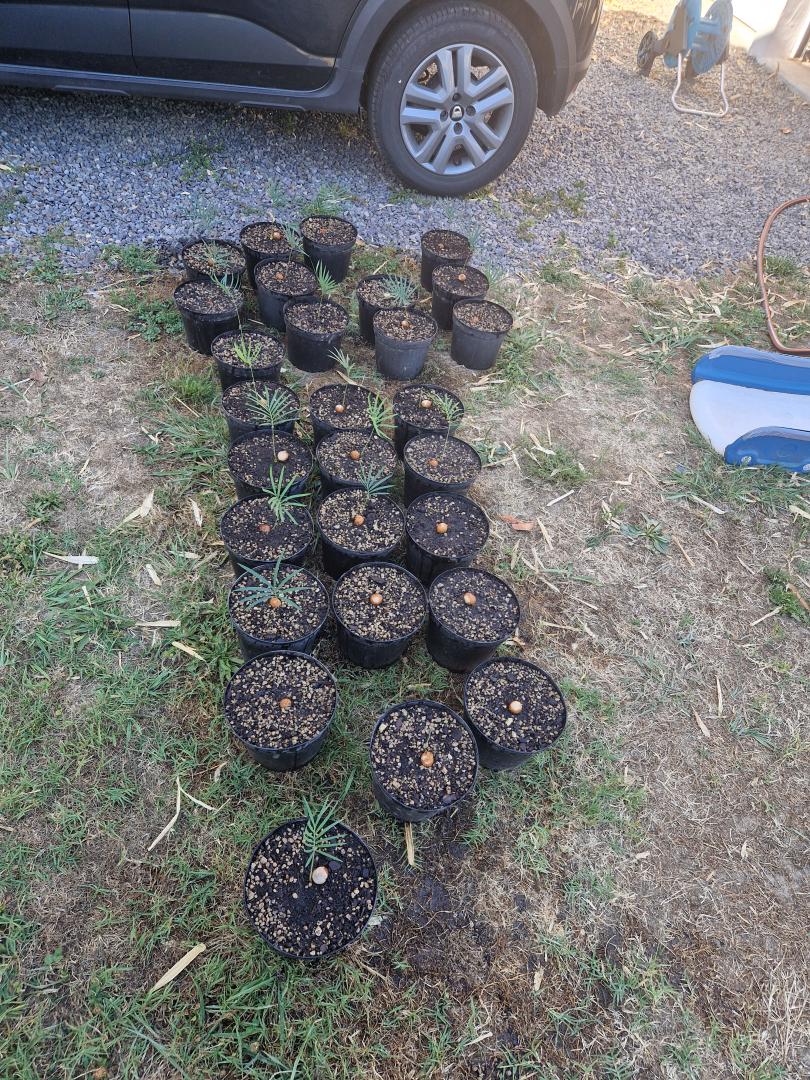
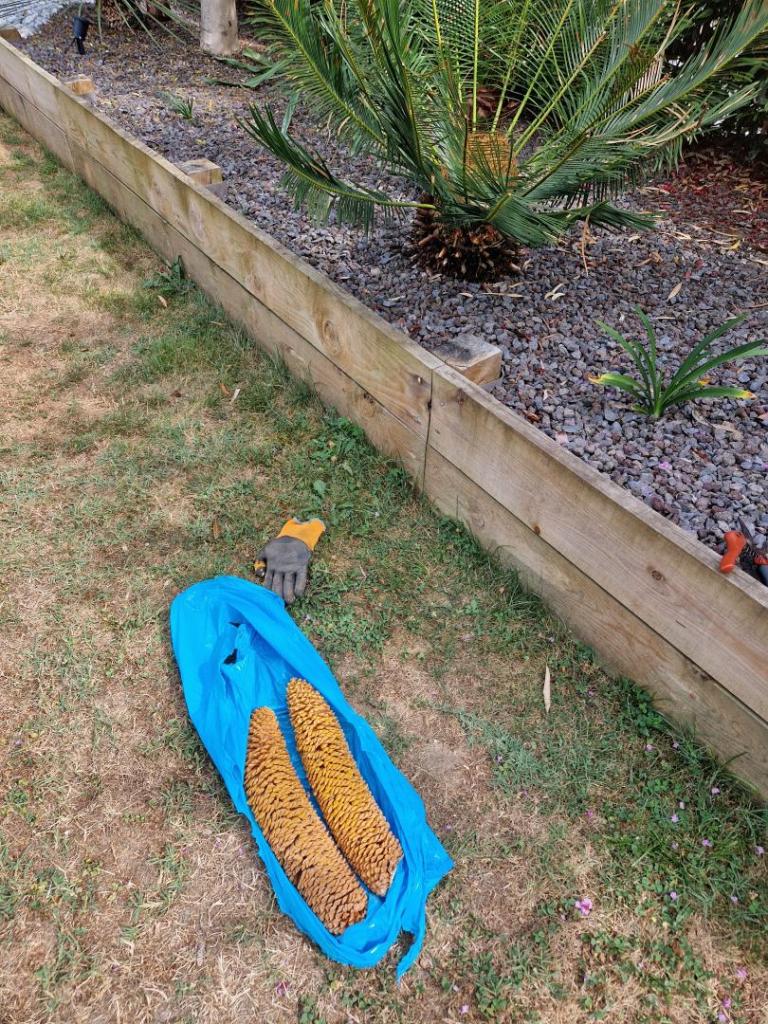
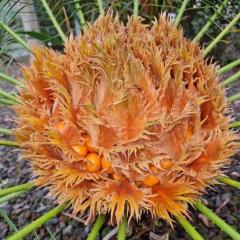 6 pointsBonjour, je vous partage mon expérience de pollinisation puis semis de mon cycas panzhihuaensis. J'ai récupéré deux fleurs mâle dans d'un cycas panzhihuaensis, j'ai eu de la chance. Comme vous pourrez le contacter sur les photos, tapoter puis déposer 15 jours sur la fleur femelle. Récolté le 24 novembre 2025. Conservé dans un carton sur un lit de riz. Semé le 17 janvier 2026. Elles ont toutes commencées à craquer en mars 2026. Première racine le 19 avril 2026. Puis elles ce sont suivies. 29 sur 107 pour le moment. 14 jeté. La 28 ème à germer 67 jours après la première et la 29 ème à germer 88 jours après la première. Je suis dans l'attente pour la soixantaine qui reste. Semé en frigo chauffant, sur pierre ponce 2/4, température constante 25/30 degrés.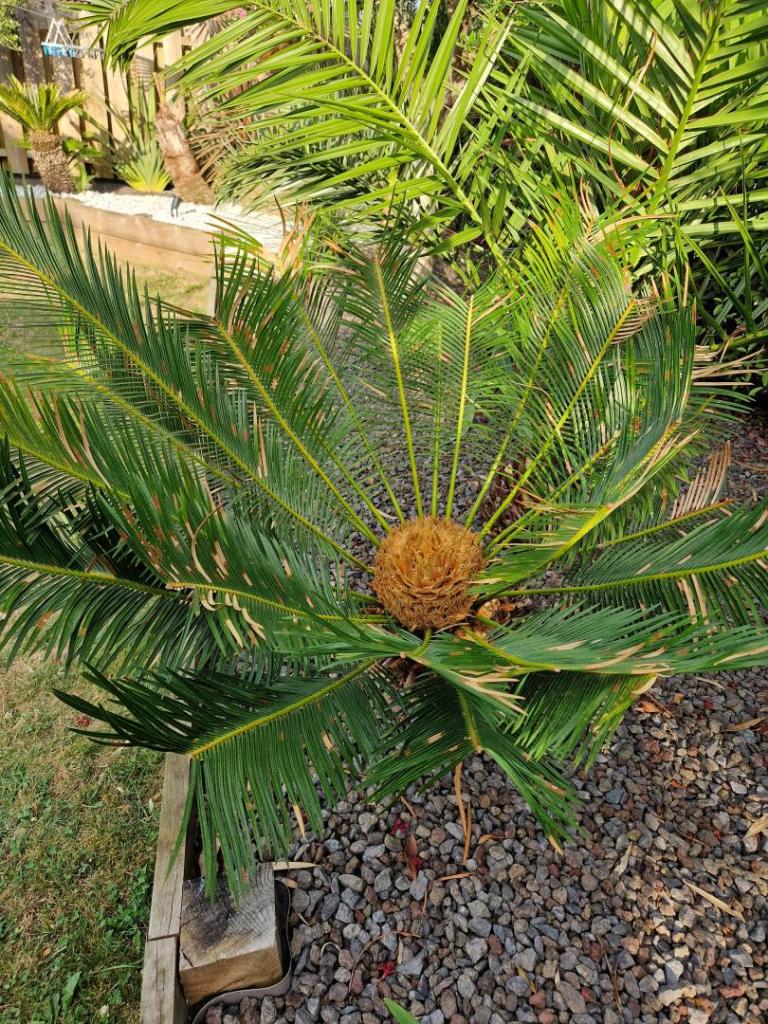
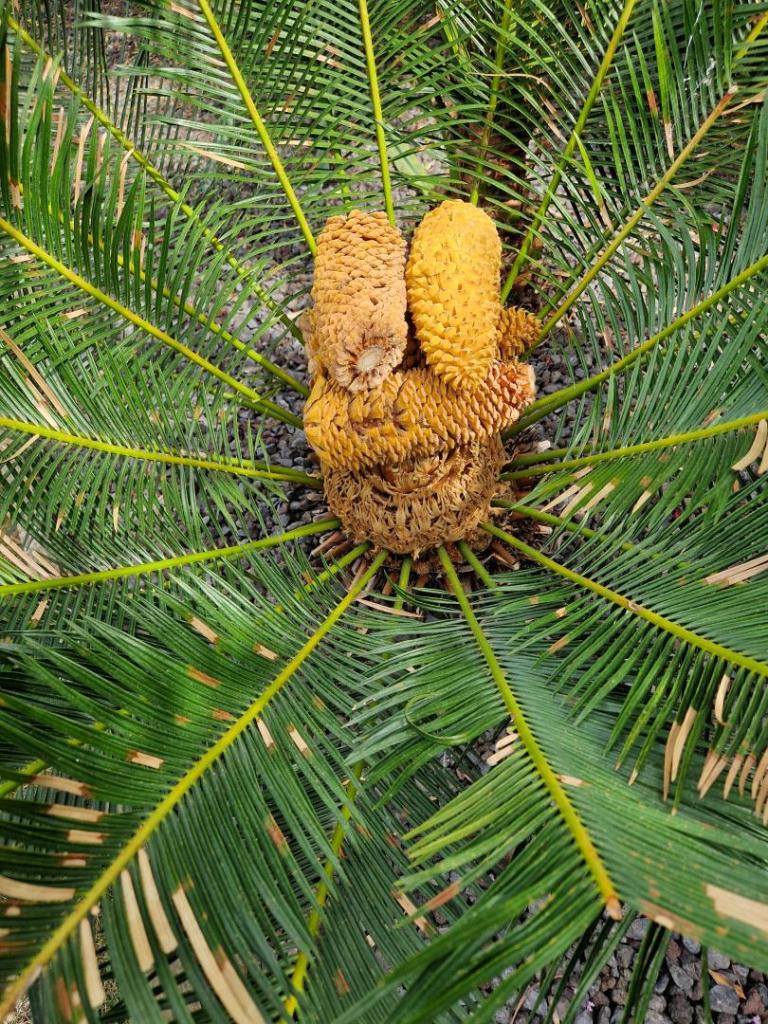
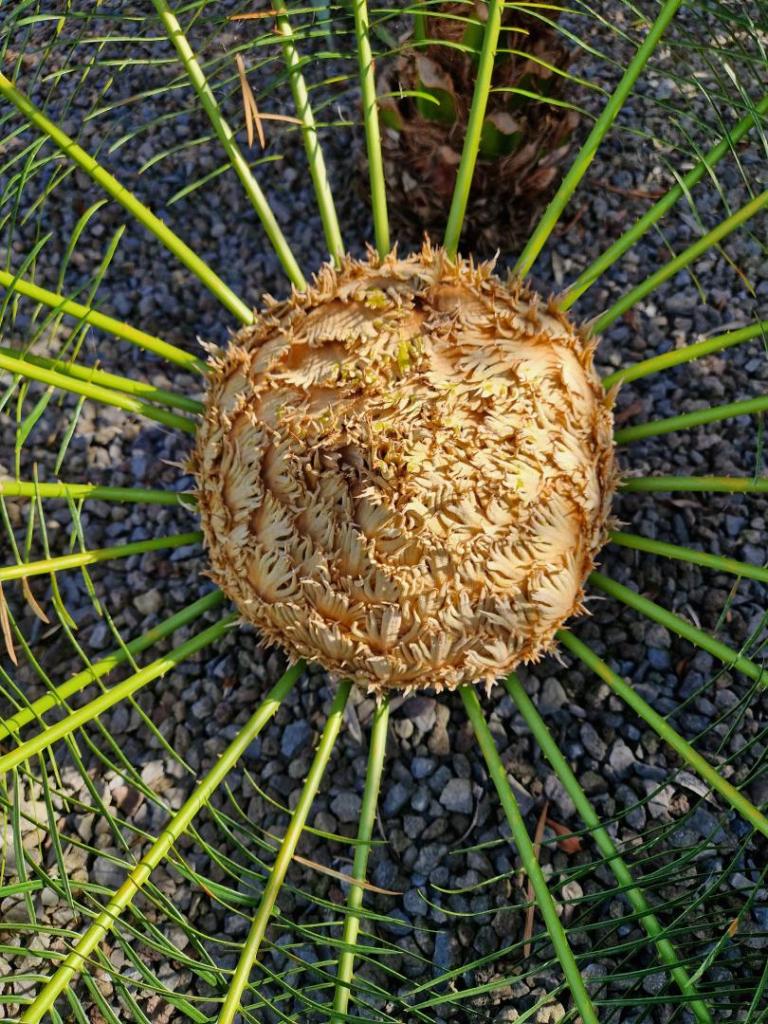
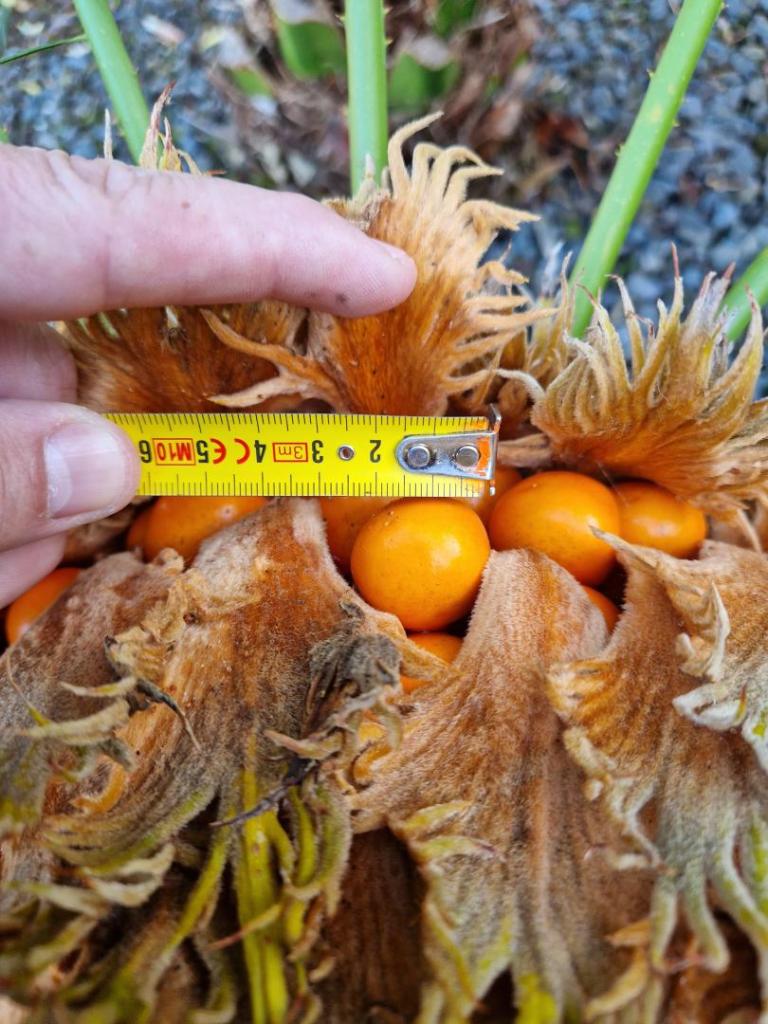
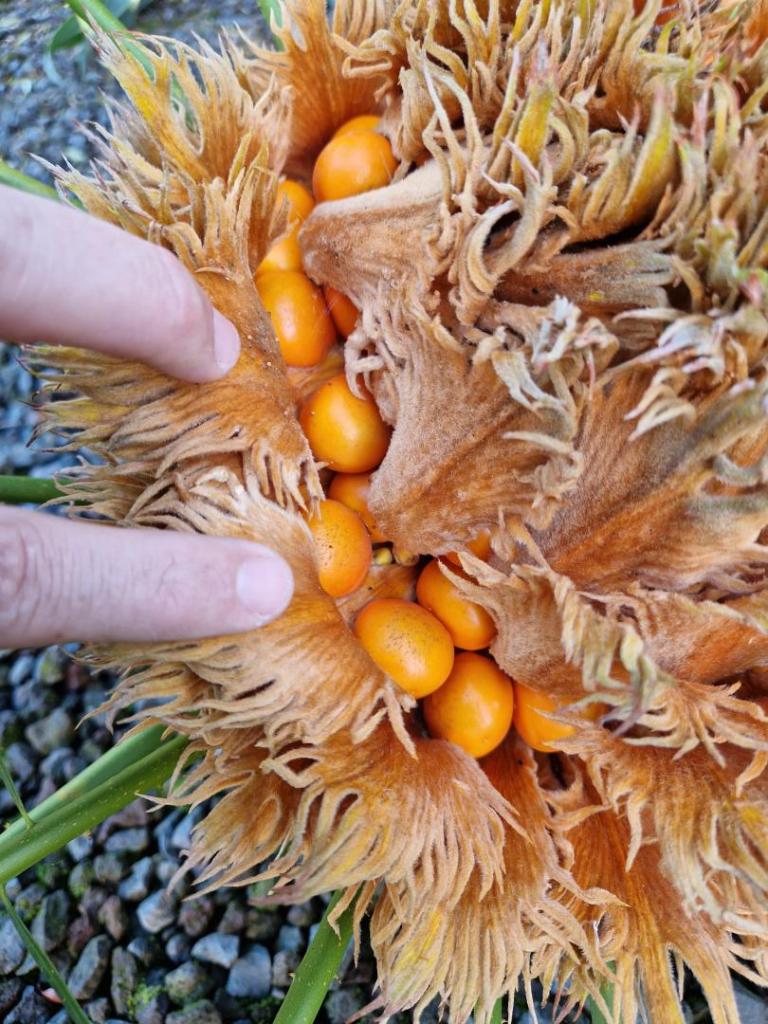
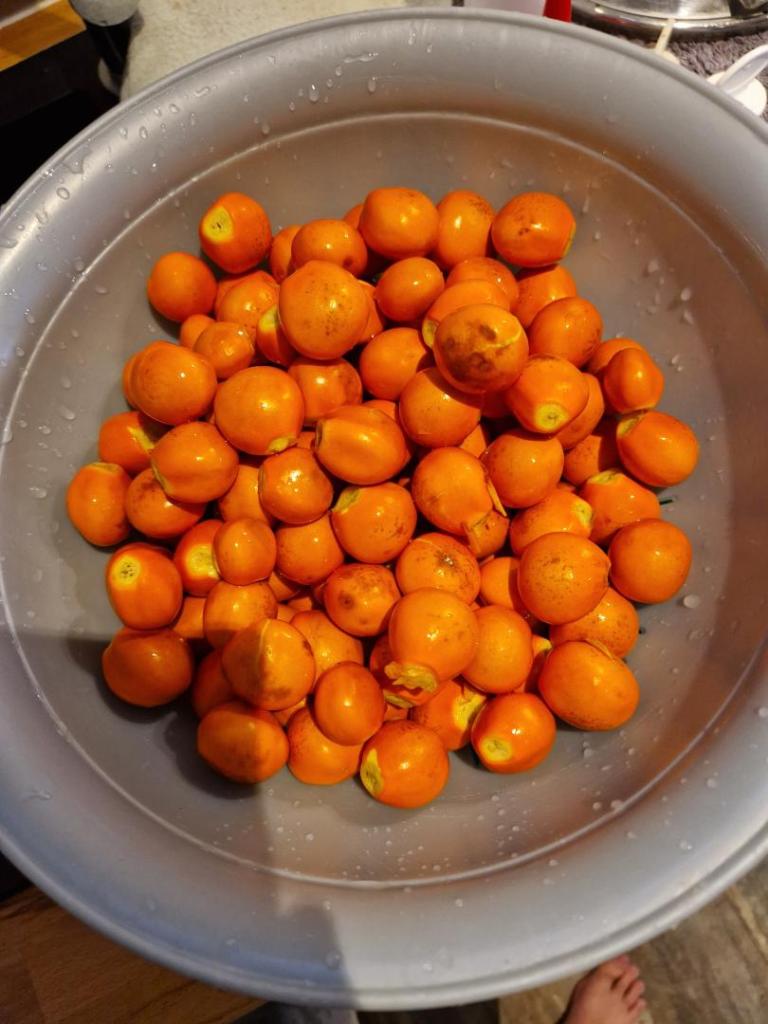
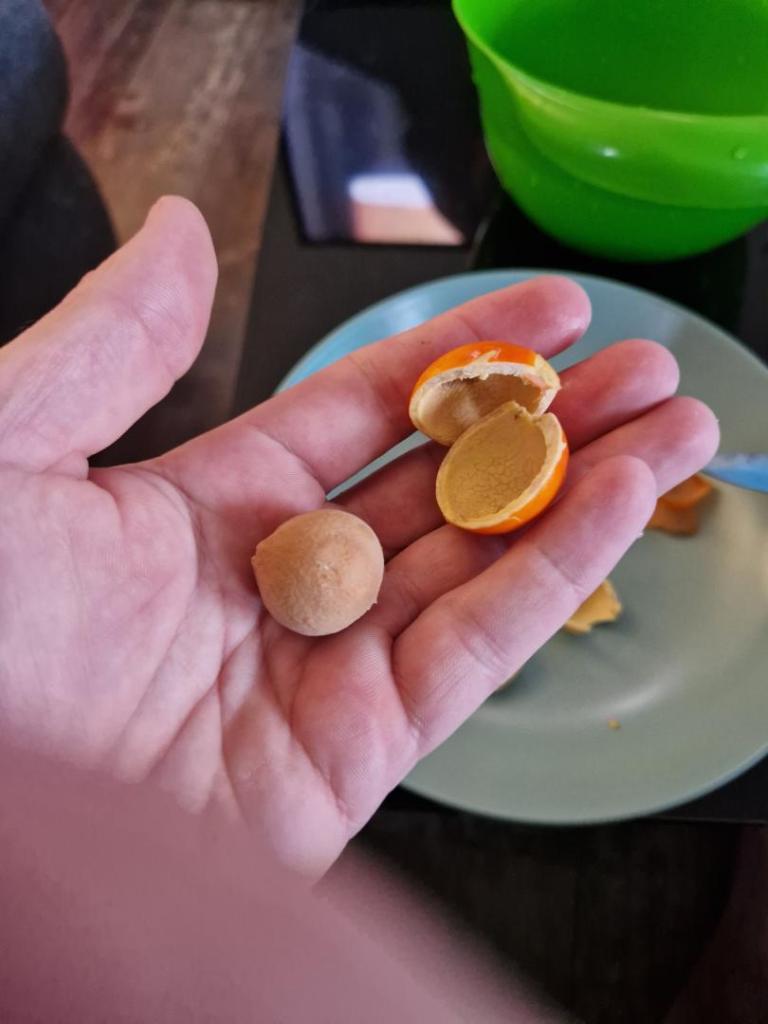

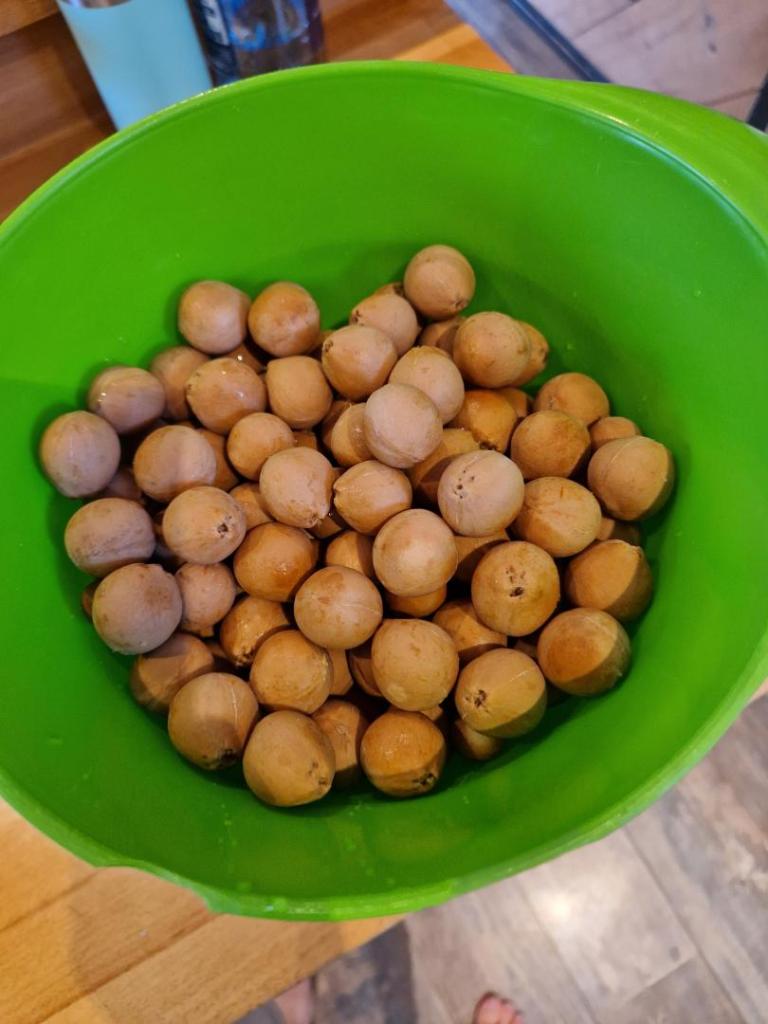
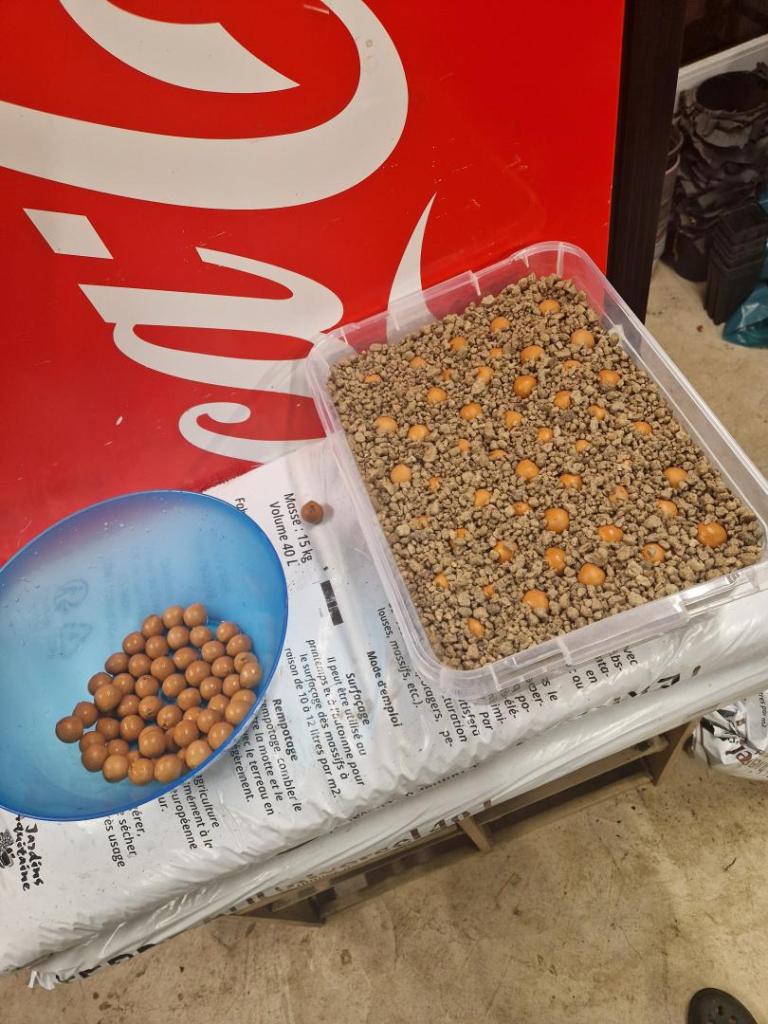
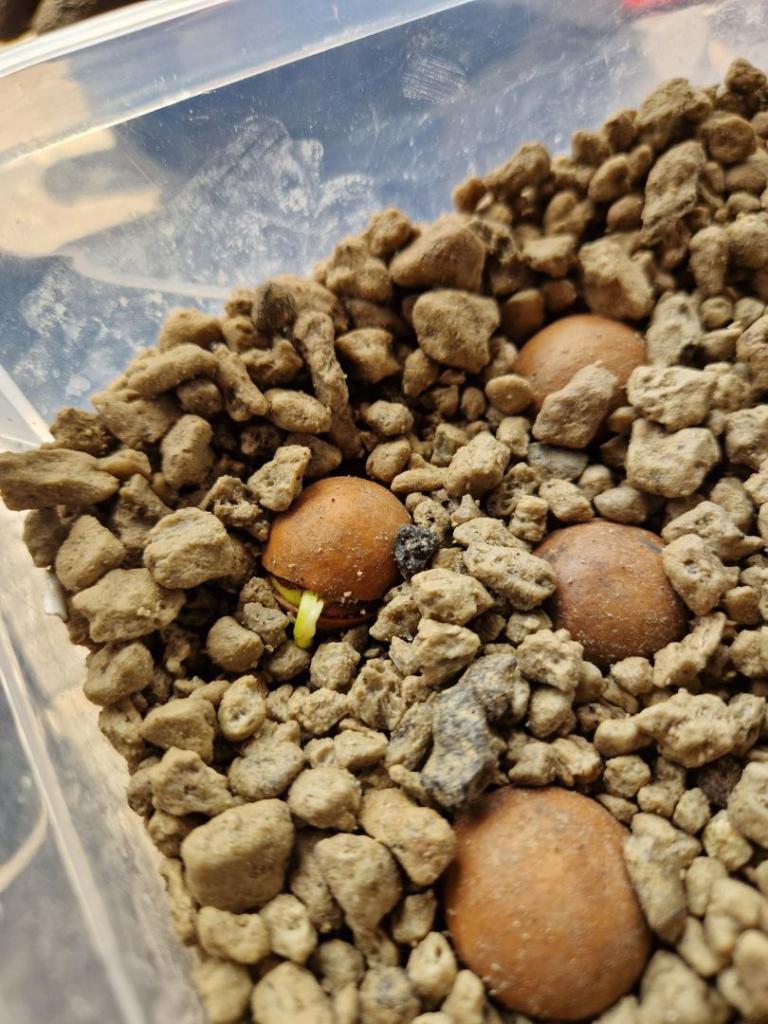
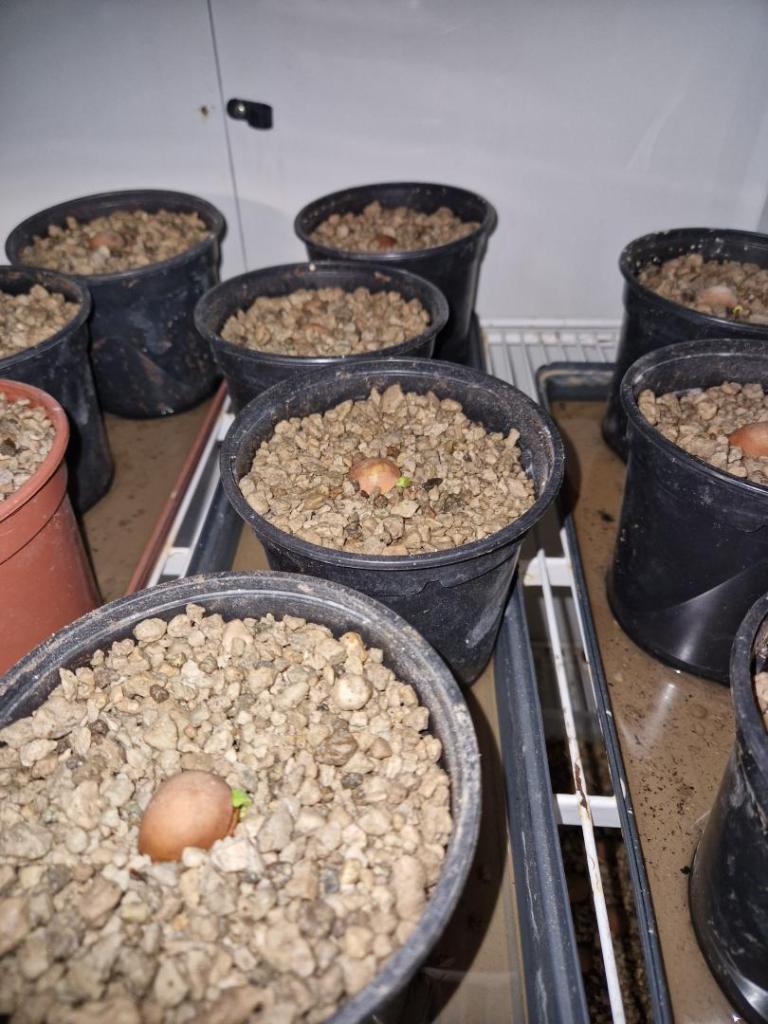
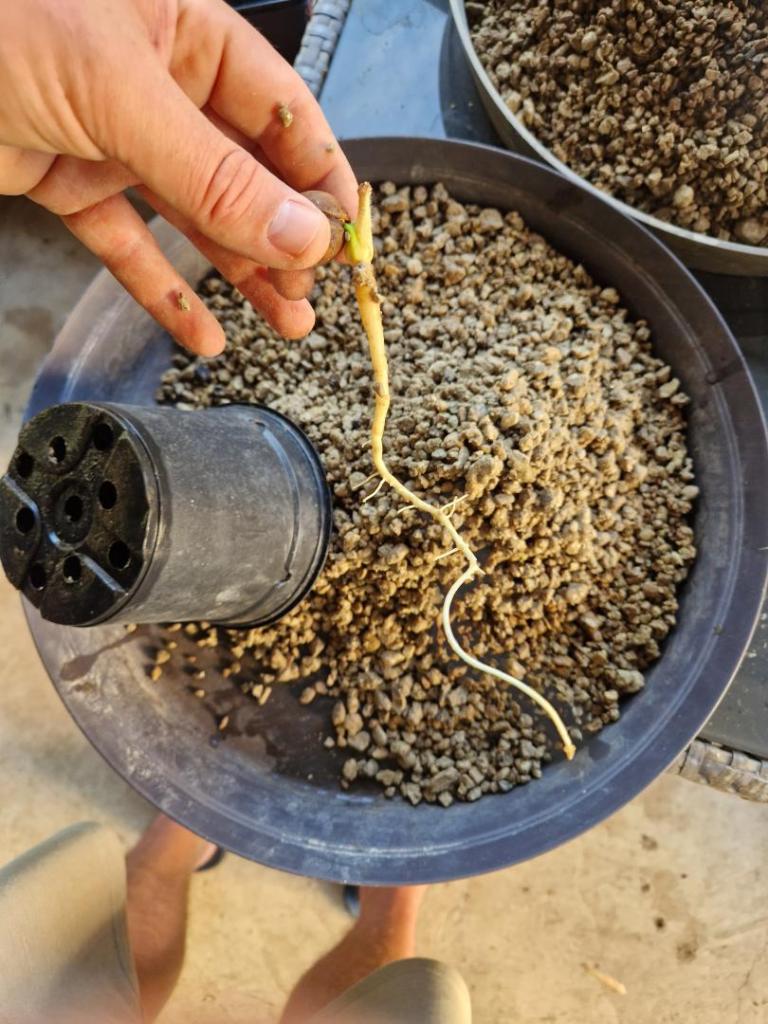

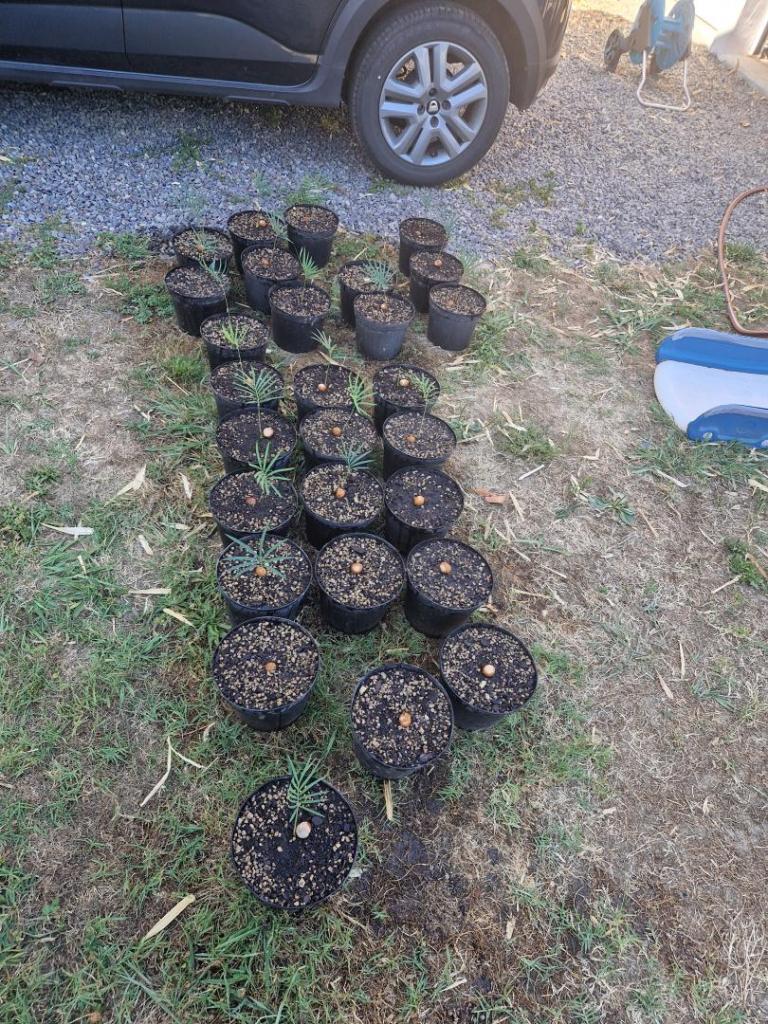 6 points
 -
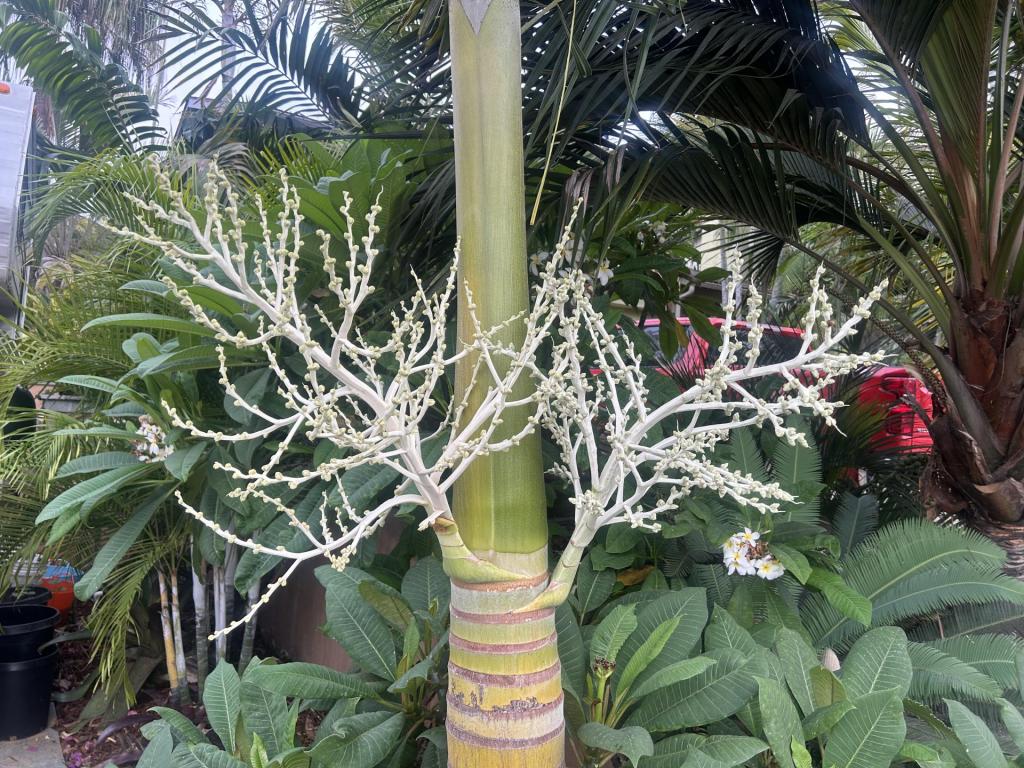
6 pointsI’ve got some Veitchia arecina, the oldest being about 12 years old and is way overhead. However, it’s never flowered. Then I have another one that is about eight years old and has decided to flower like crazy. It’s pretty cool because the flowers are right at eye level.
 6 points
 -
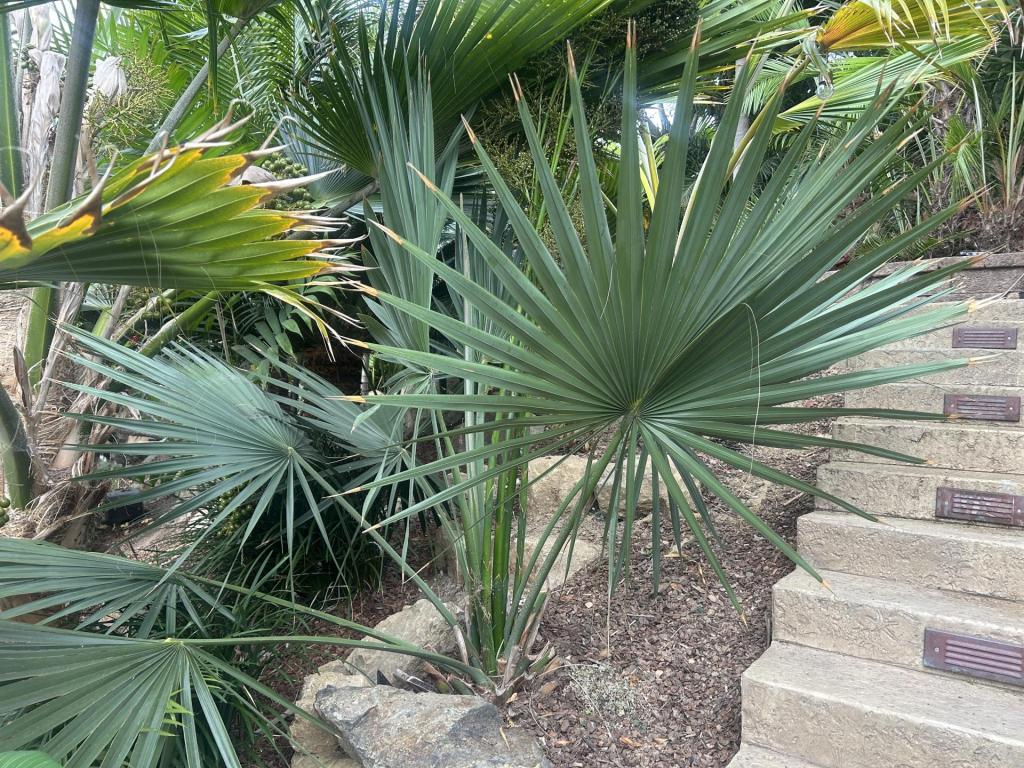
Yup, as others have pointed out, these are about as adaptable as they come. Here’s one I plant many years ago; still trunkless, but with fronds nearly head- high.
 6 points
 -
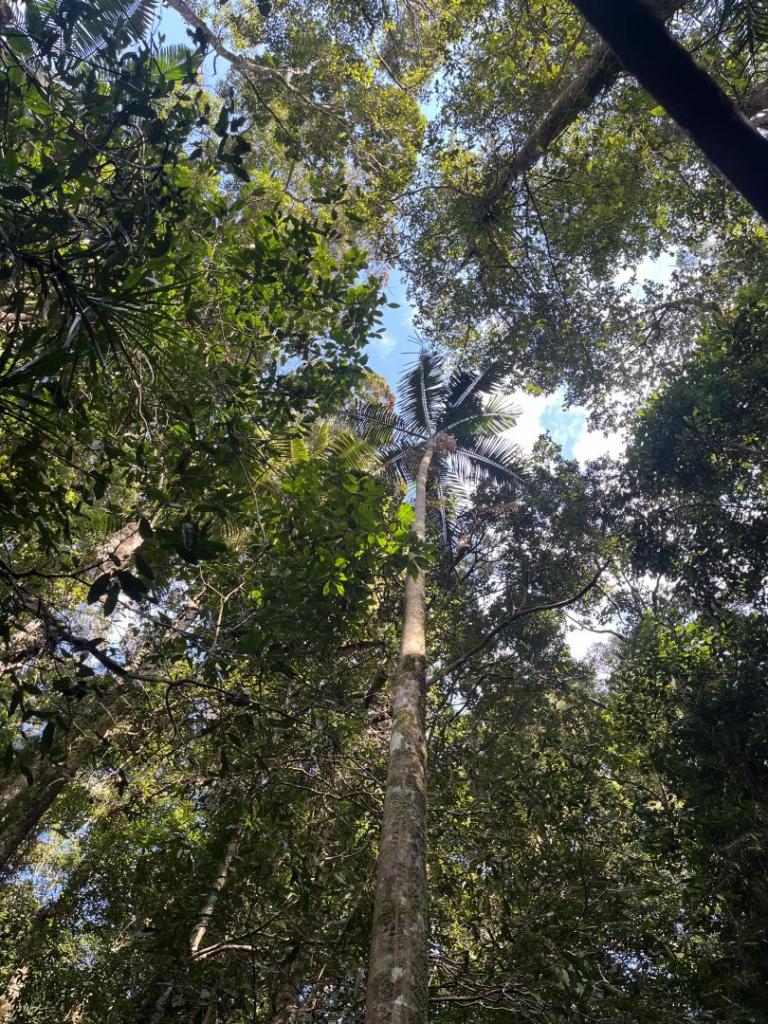
6 pointsA very tall one that the leaf fell off in the earlier picture
 6 points
 -
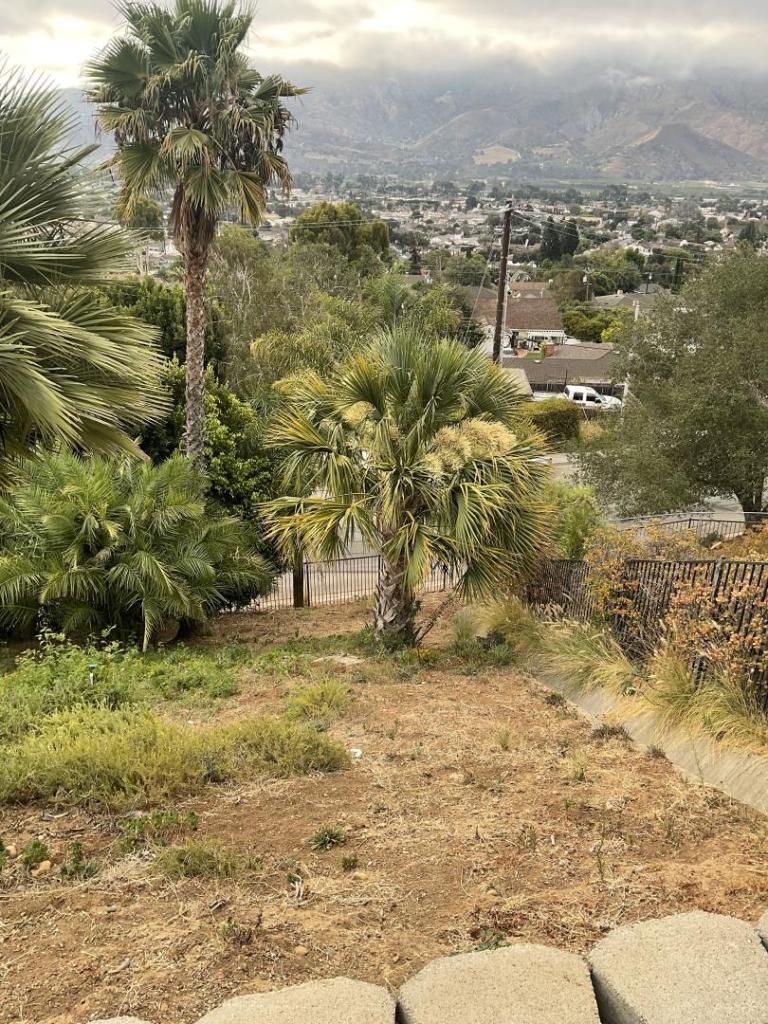
6 pointsThis morning brought in a much welcome marine layer of coolness. The flowers on our Sabal are quite abundant and fruit on our Butia Oderata, silver. The fruit will disappear as it ripens as the squirrels wait for just the right time . They hop from a neighboring Brahea Edulis , quite interesting to watch! Harry Not sure , but I think this is Sabal Palmetto , although someone told me it may be Riverside. Either way , I don’t think I’ve seen this much inflorescence on this palm before. Silver Butia Oderata (sold as Bonneti) . Behind it is a Brahea Edulis that is barely visible . The squirrels tend to go from tree to tree. The fruit will be a treat for them. In all the years I’ve had this , and it produces fruit every year, I’ve only had one volunteer! No fruit on the ground , but copious amounts from the Brahea , untouched. Squirrels like what they like and the Apricot sweetness of the Butia is candy.
 6 points
 -
6 points
-
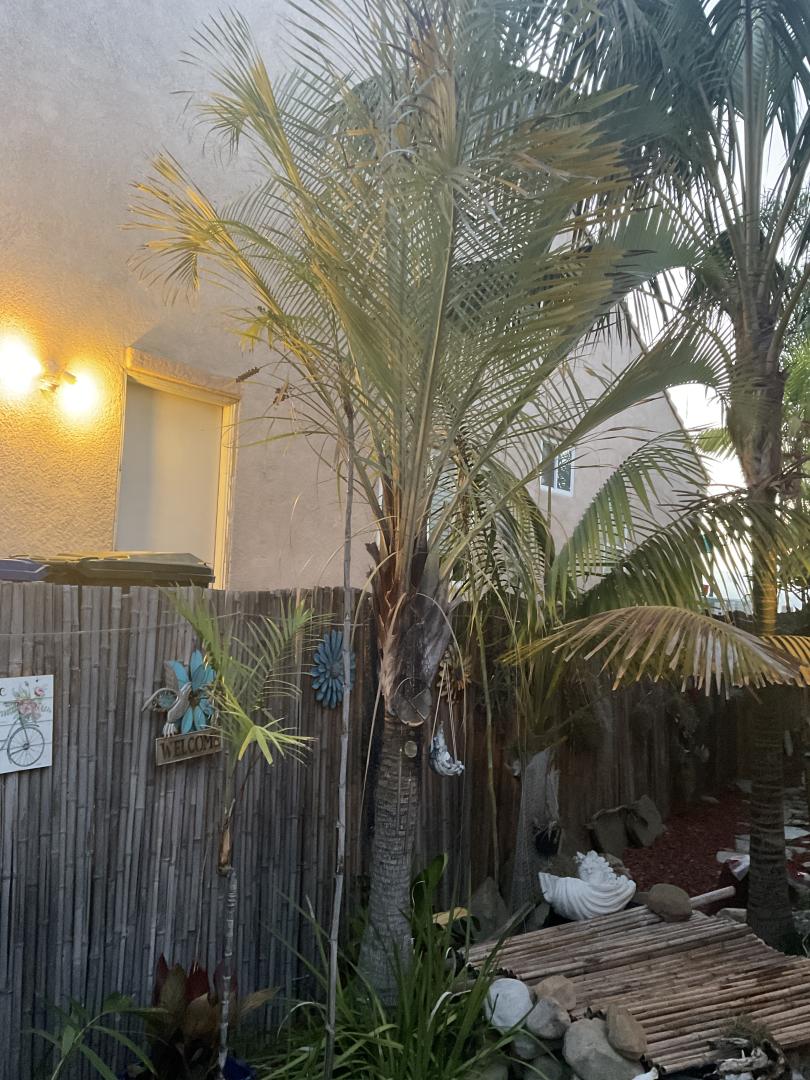
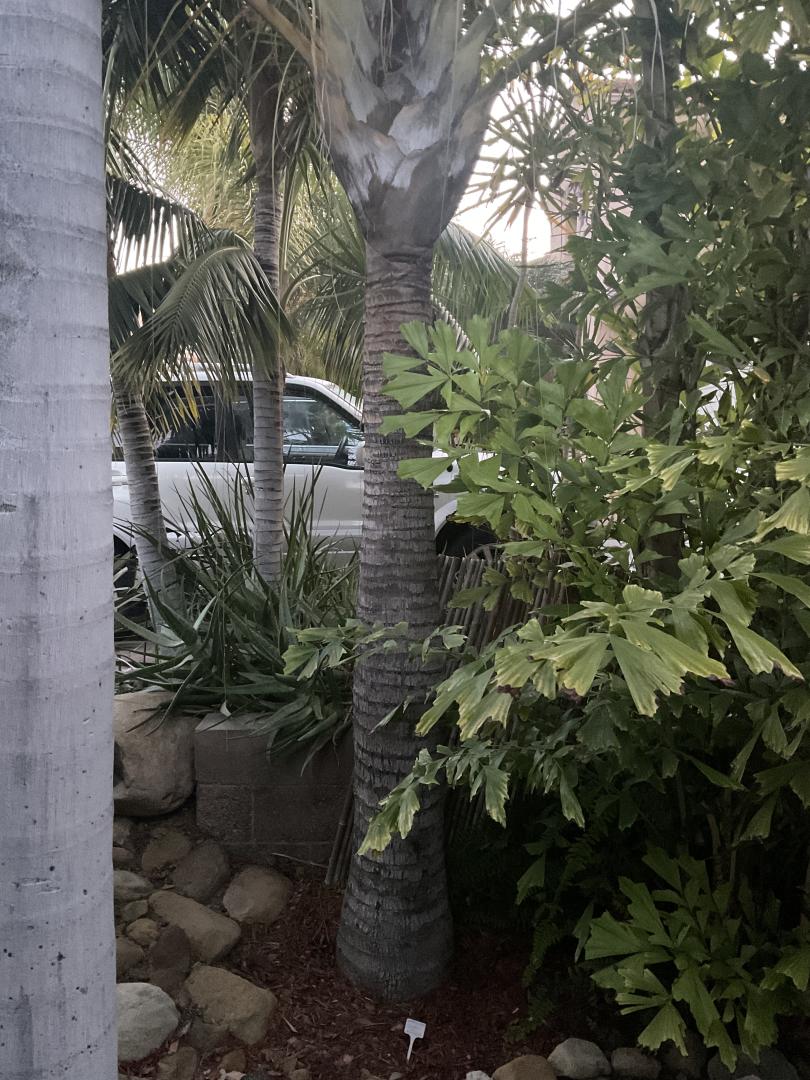
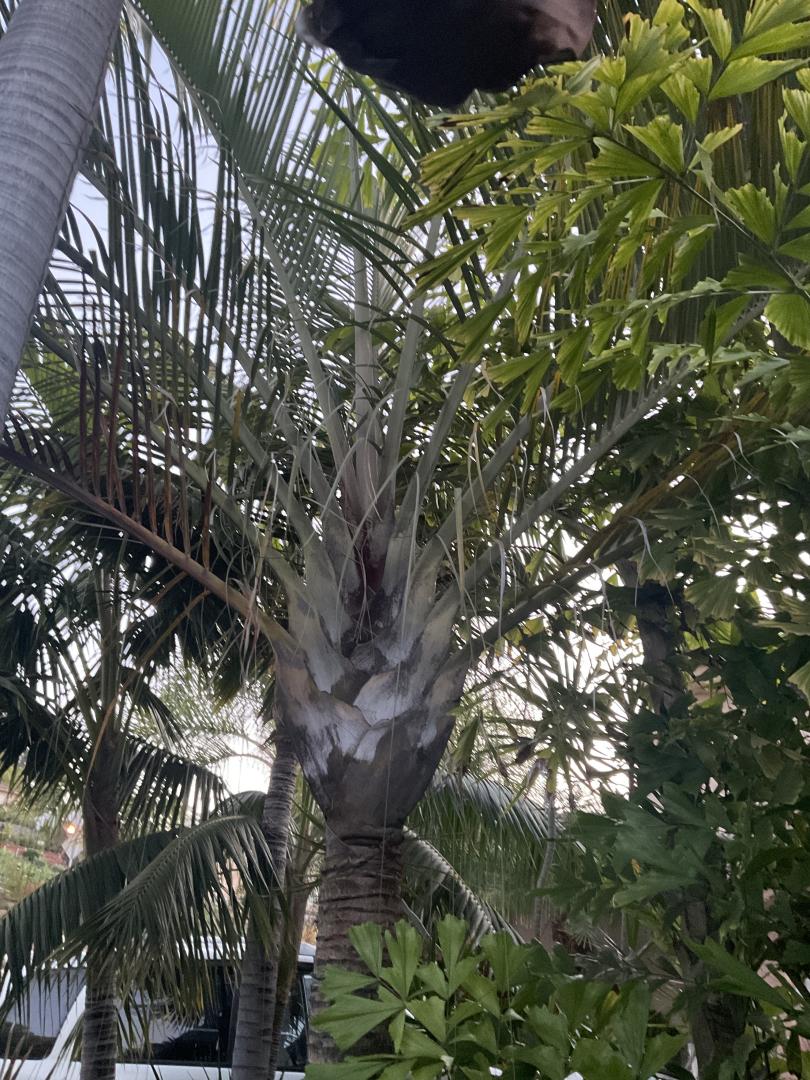
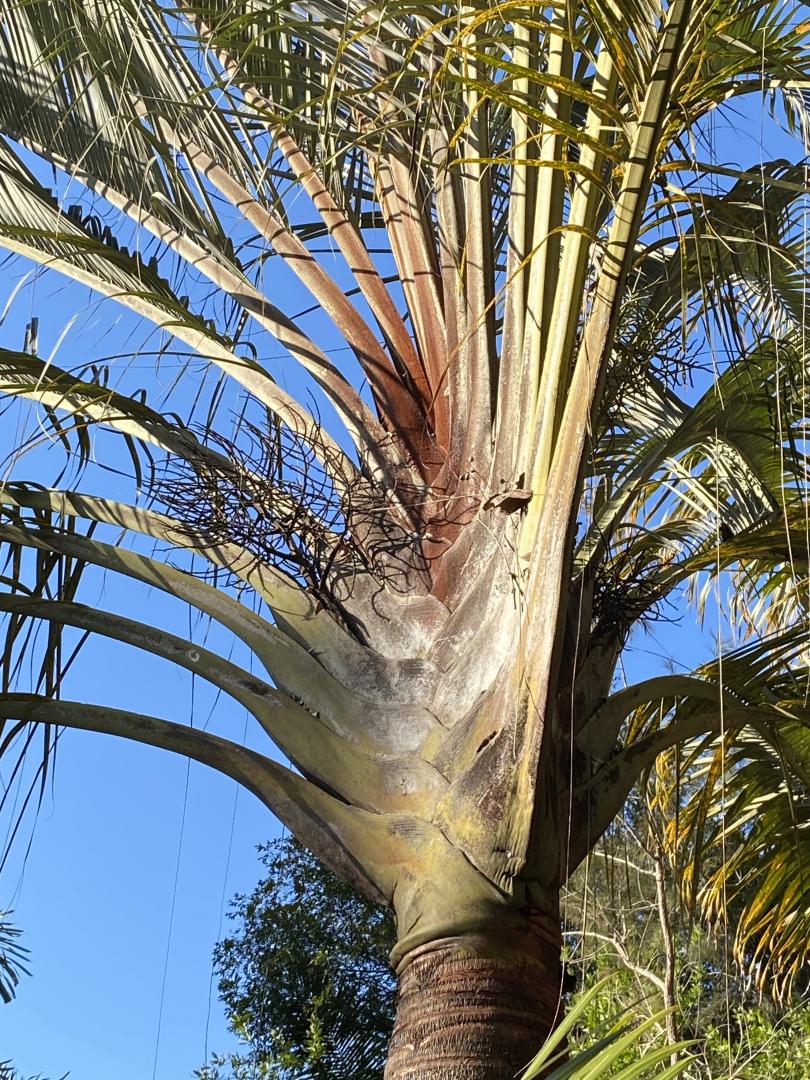
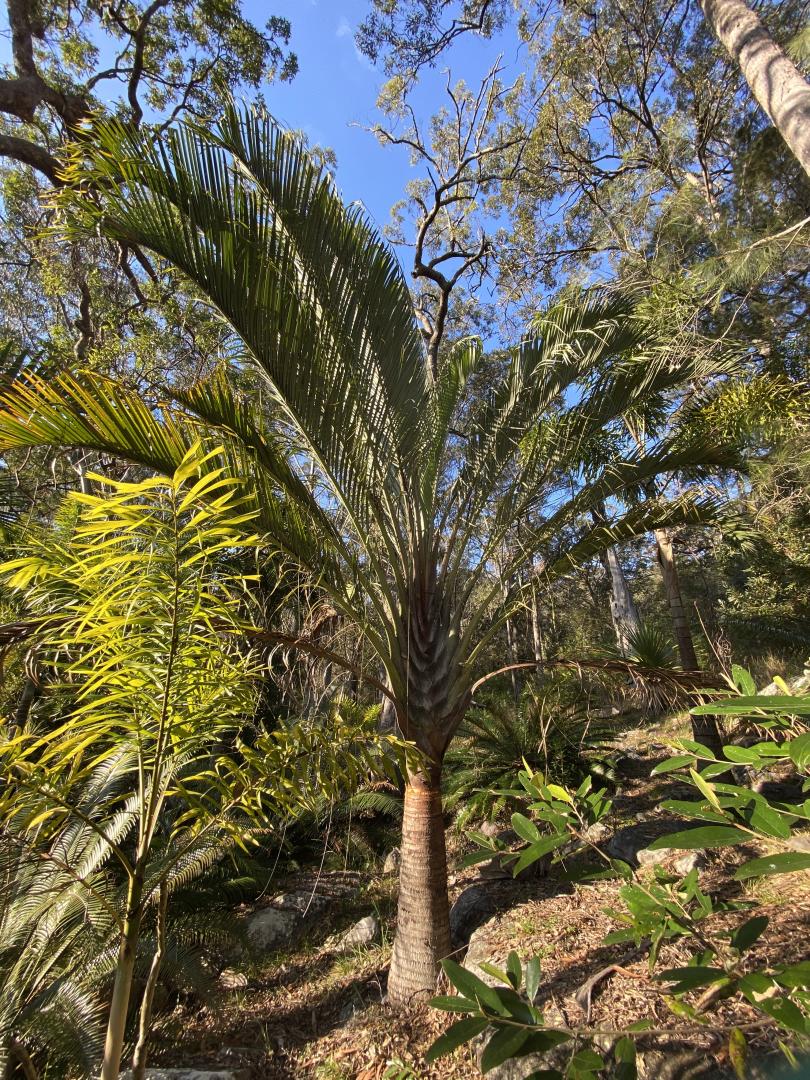
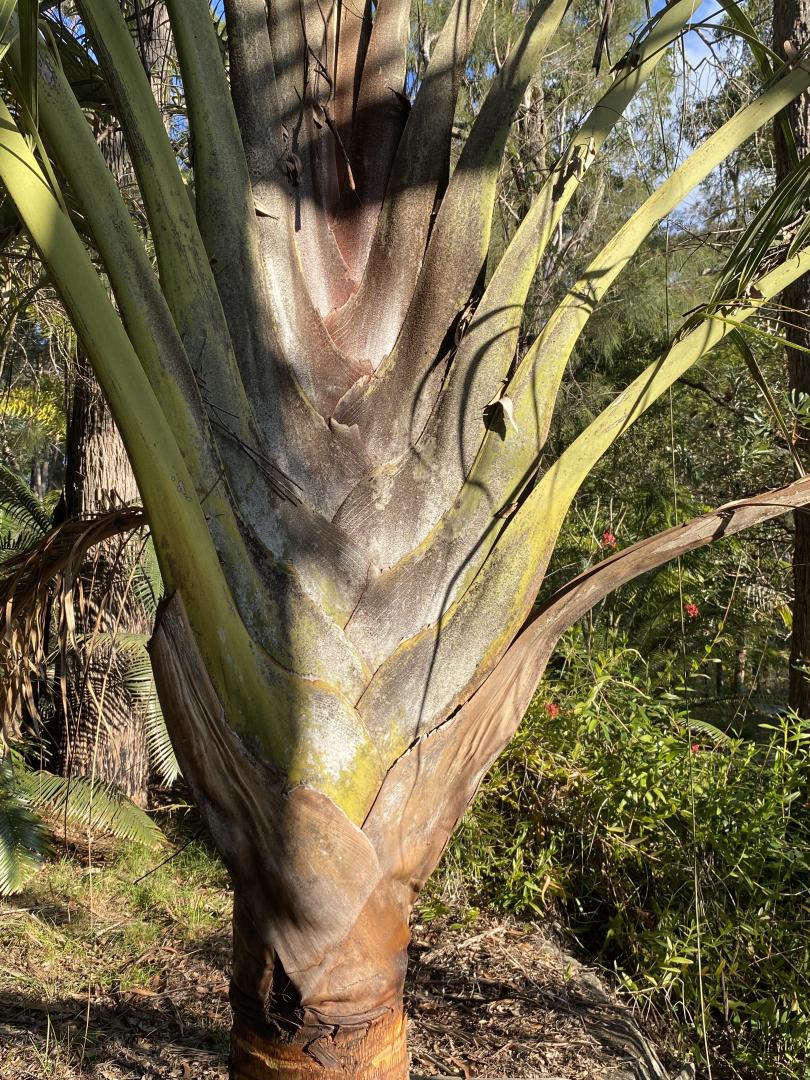
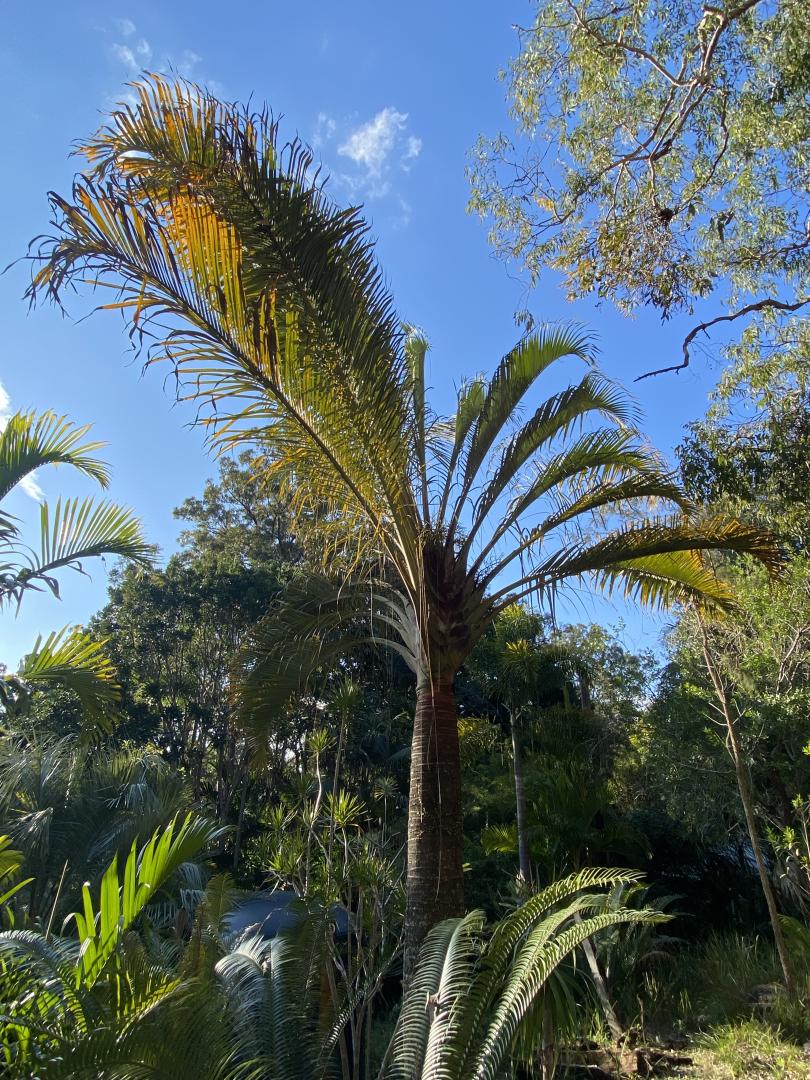
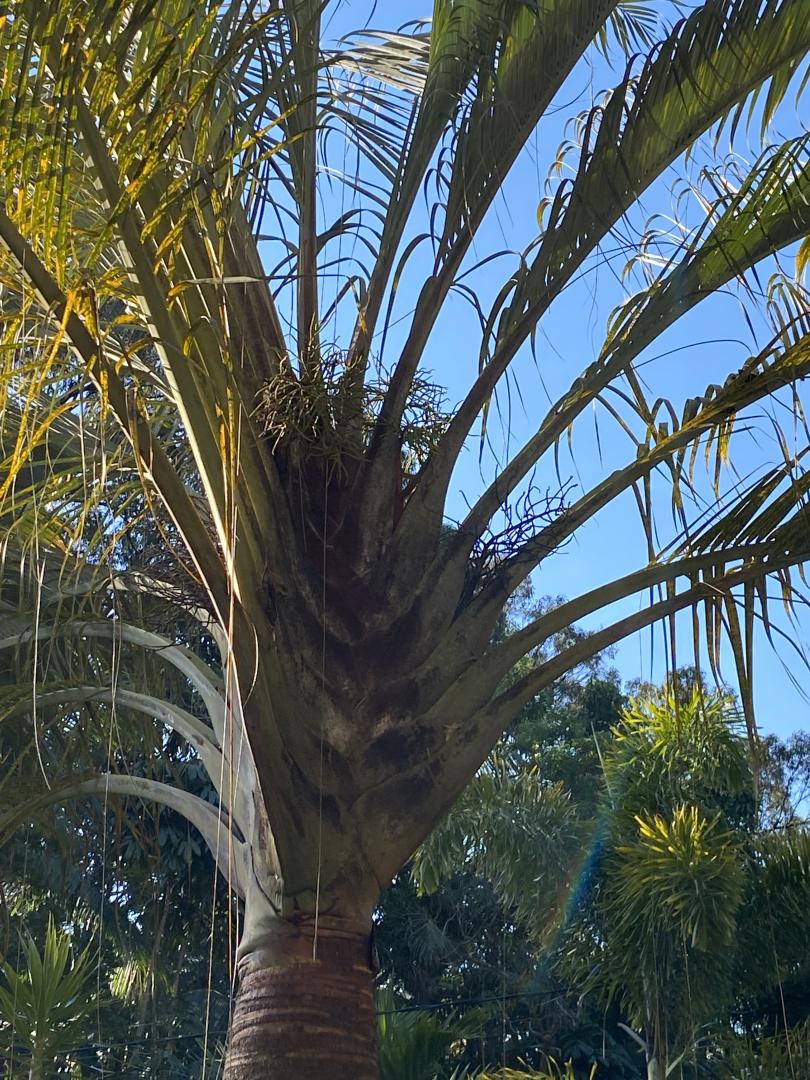
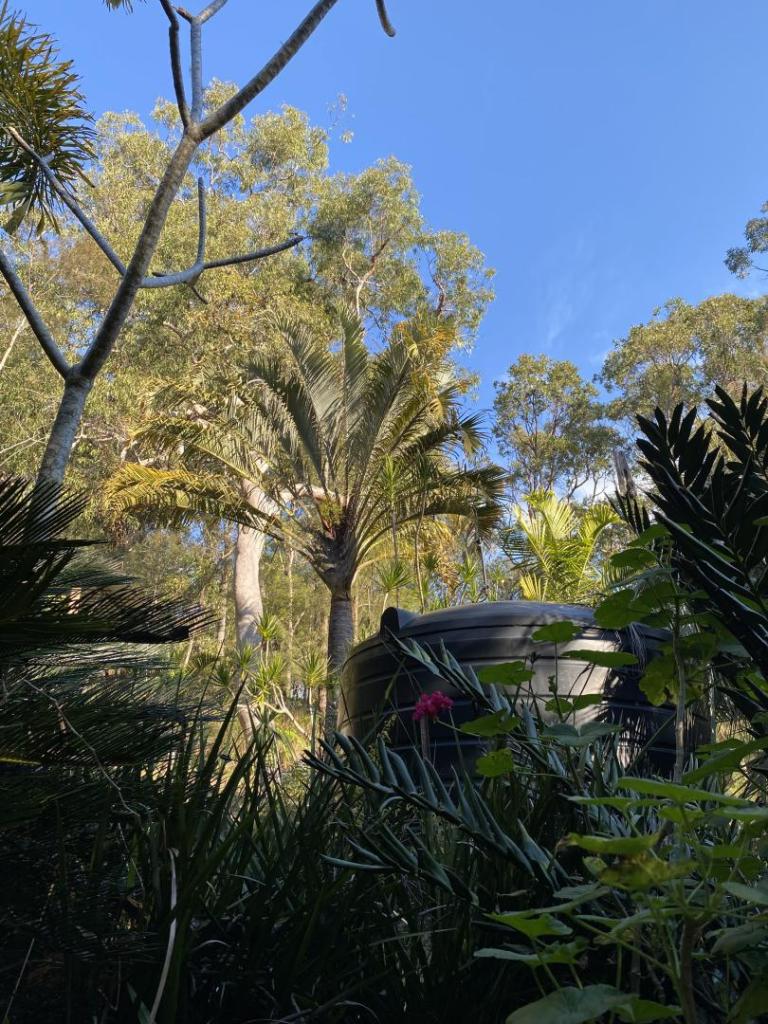
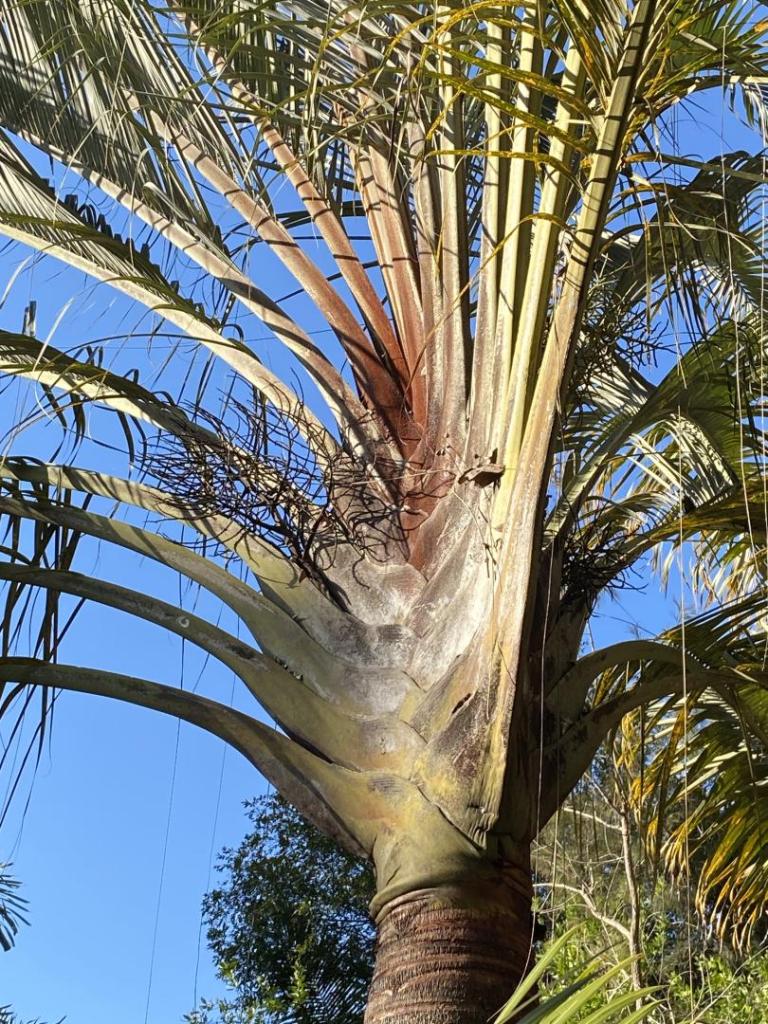
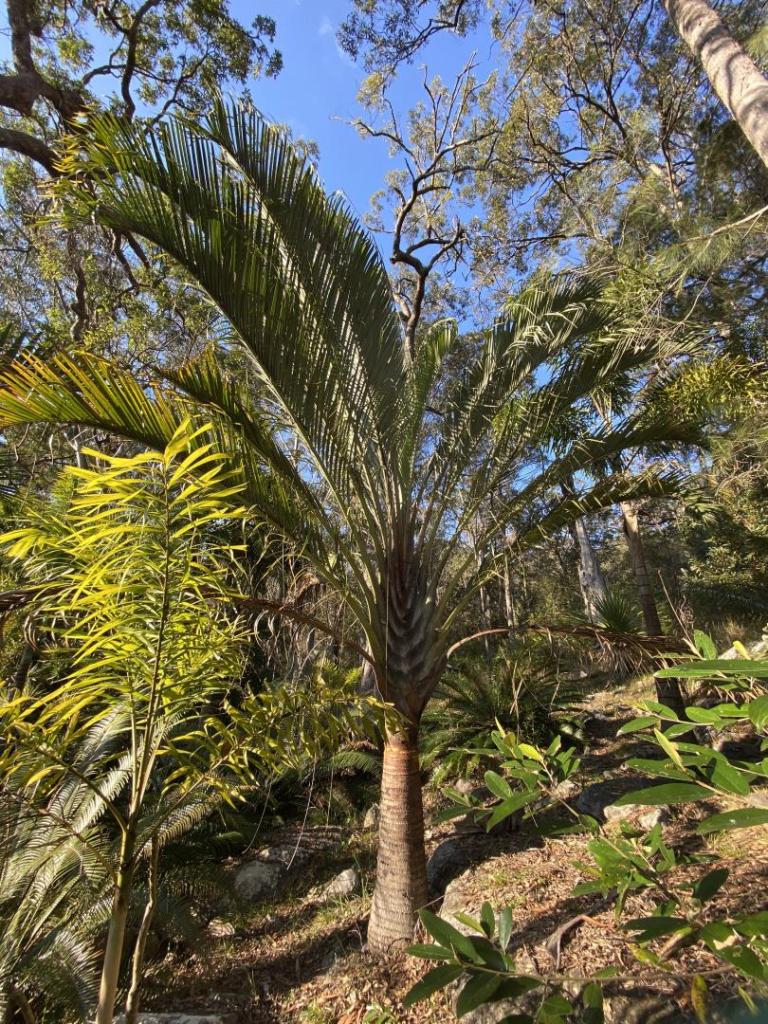
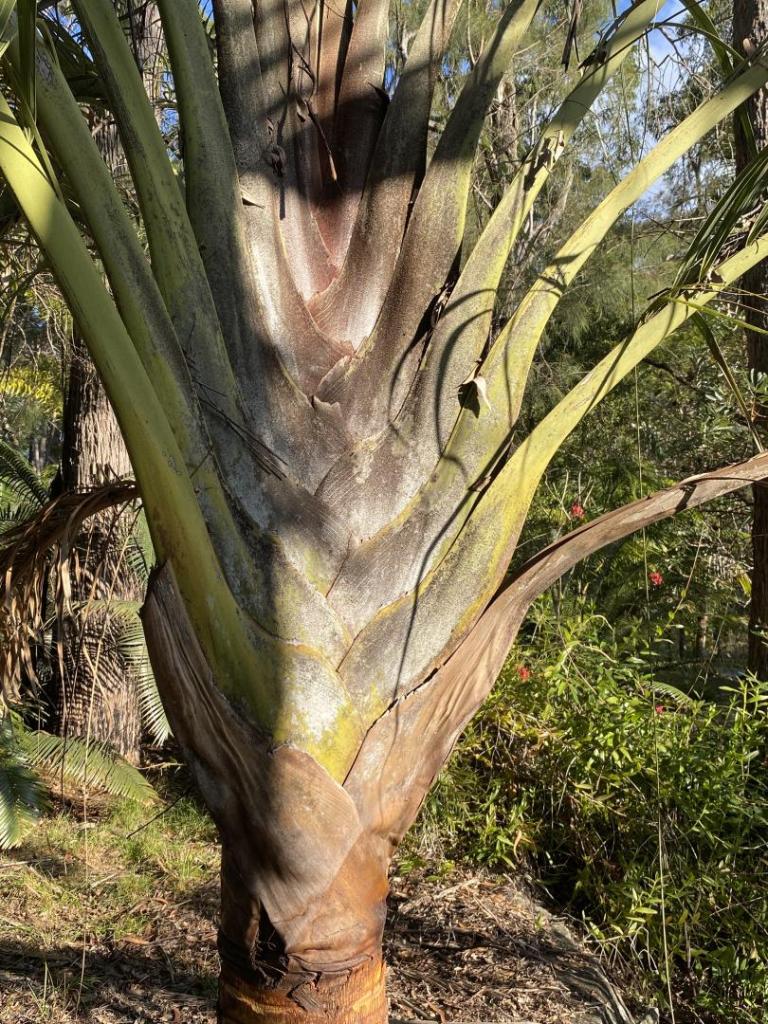
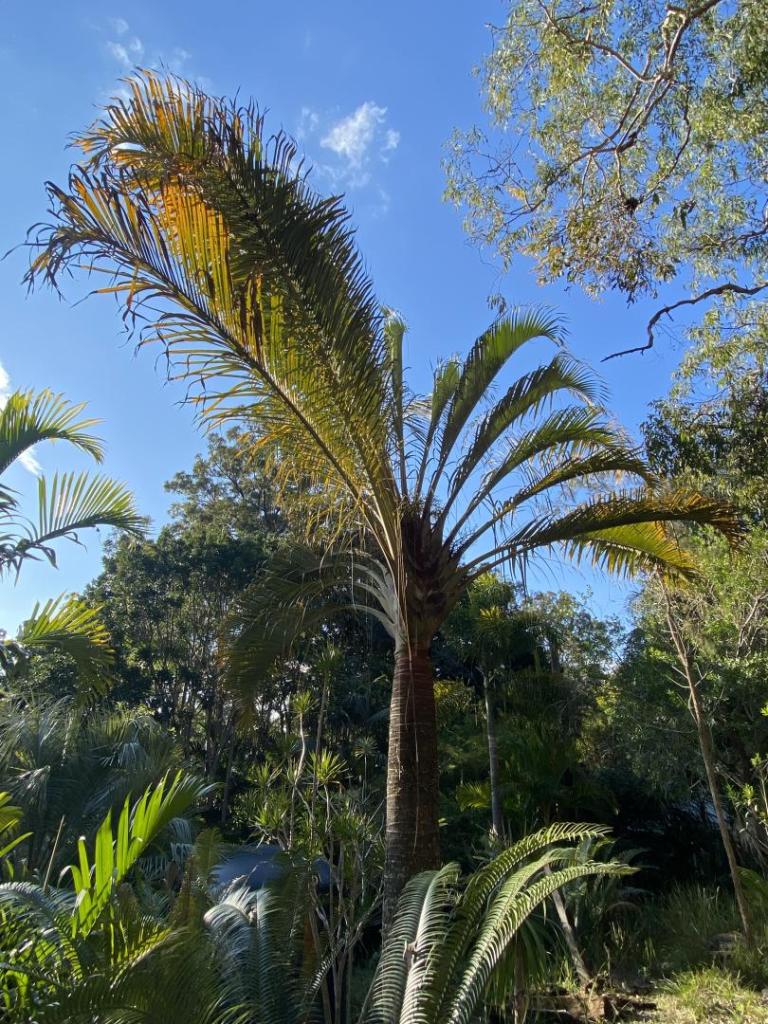
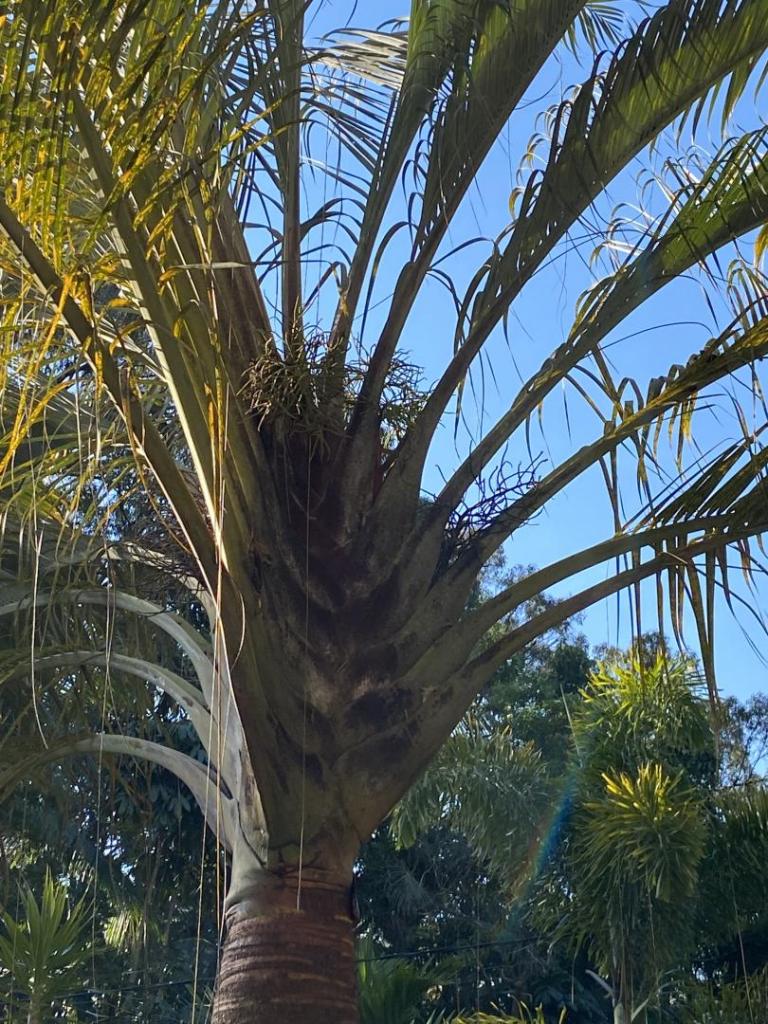
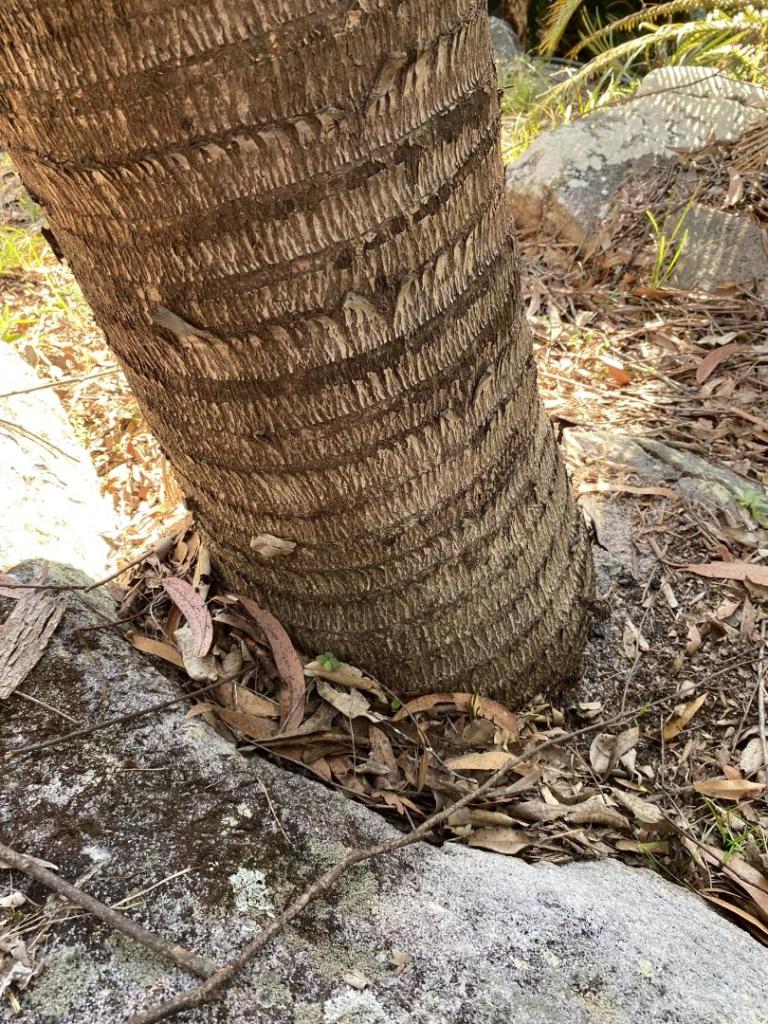
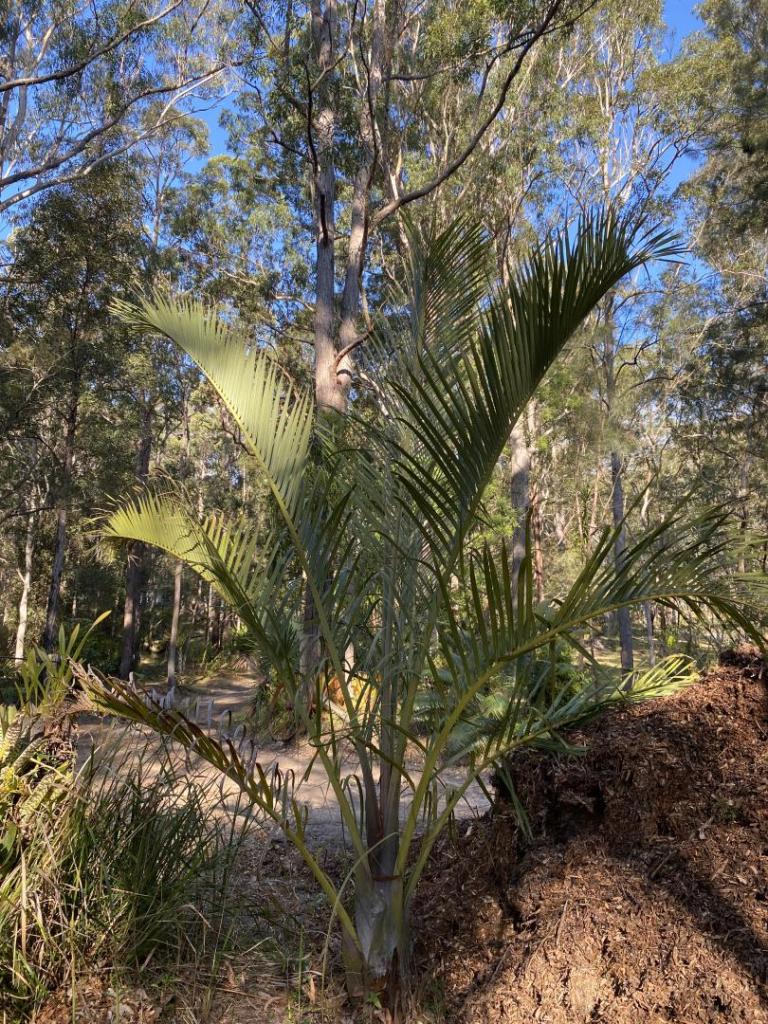
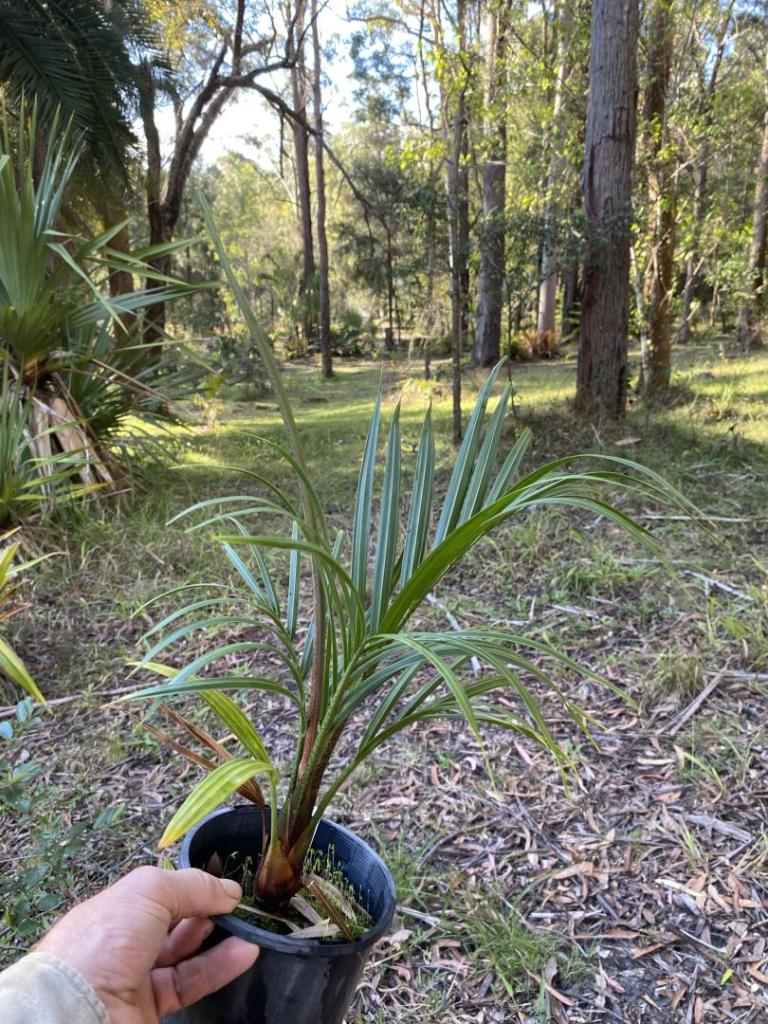
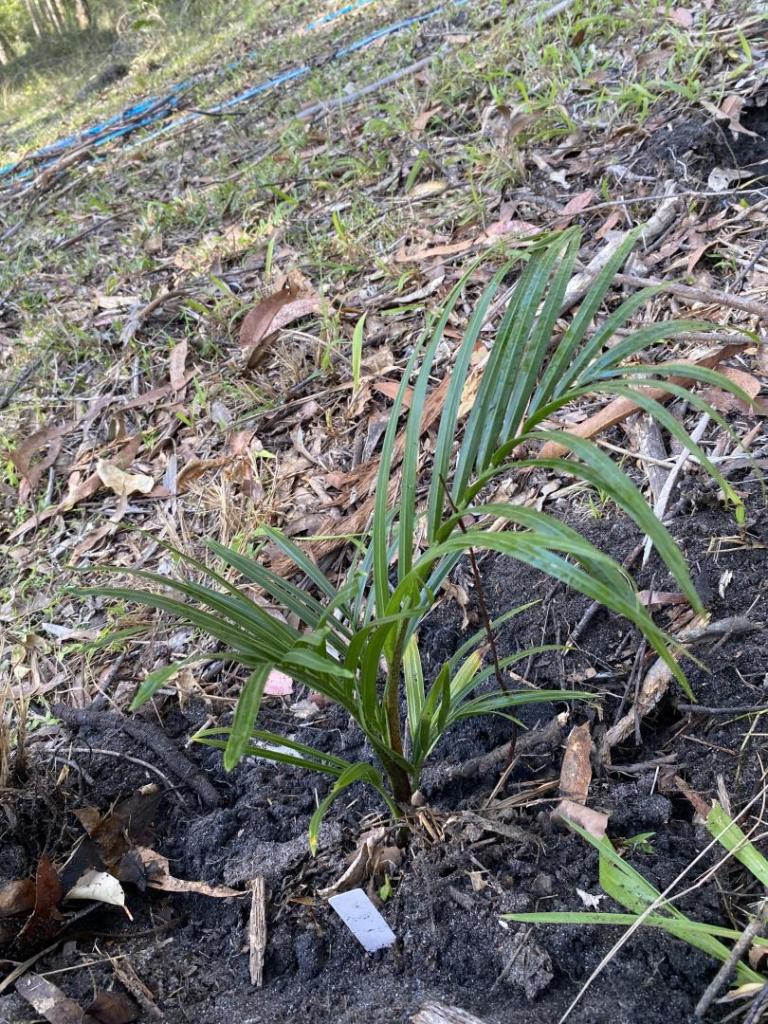
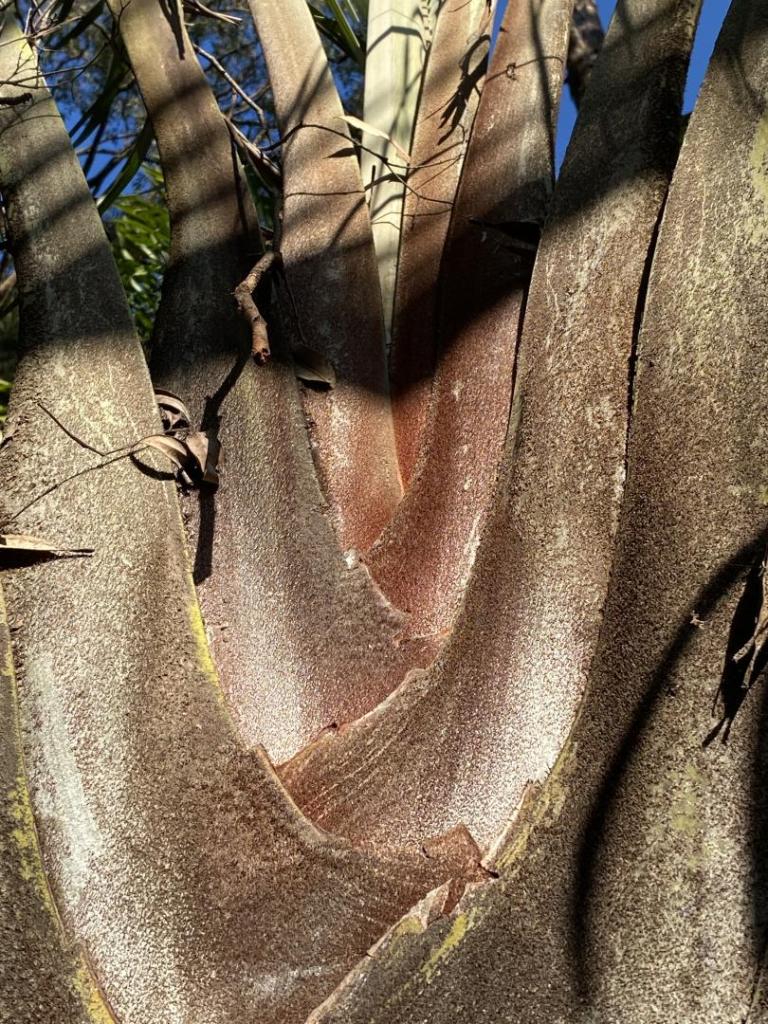
6 pointsHere’s one tough palm the decaryi. While not the most of cold tolerant palms it will take a fair few degrees of low temperatures. Give this palm plenty of room to grow as they can get quite big. Dry tolerant, I have some in between sandstone rocks on a steep site that is rather dry at times with a lot of sun and heat in summer. A popular palm, they may be common but the colour of the leaf bases in sunlight is one feature that keeps them coming back into gardens. The triangle shape is another great characteristic that makes them likeable. I like them and even planted a couple more in the garden today. I may like my understory Uber super tropicals but for a palm that takes a beating in all sorts of climates, it’s a winner in my garden!
 6 points
 -
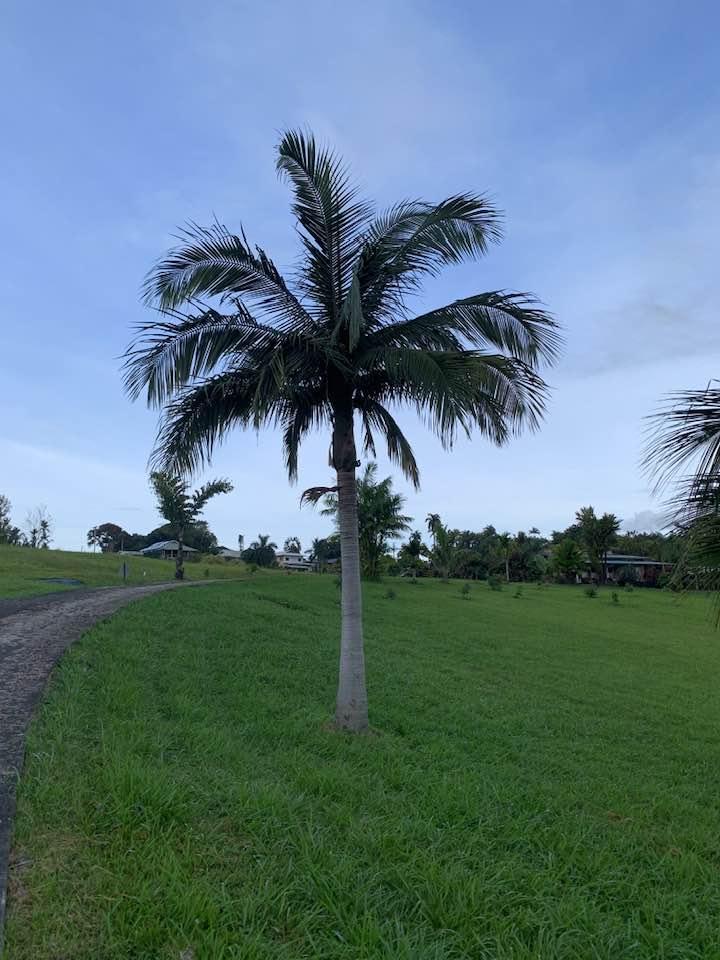
 6 pointsHere's mine in Pepeekeo, Big Island. Started as one of Jeff's one-gallon-size palms about 10 years ago. Finally put out its first seeds about a year ago. Now it's got a few new pods.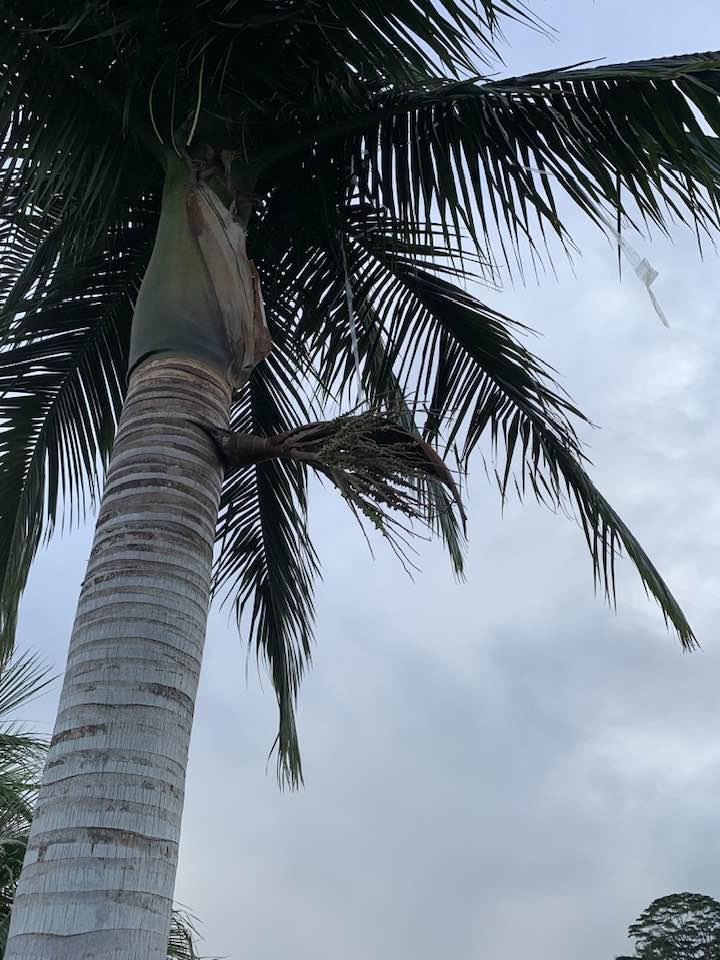
 6 points
 -
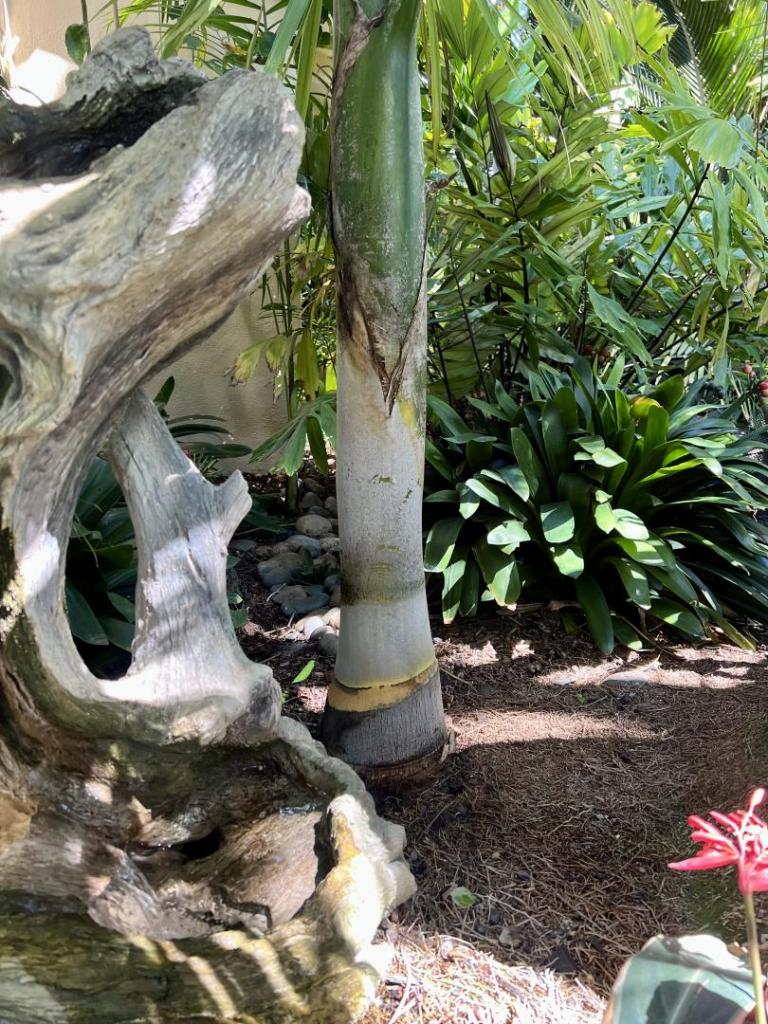
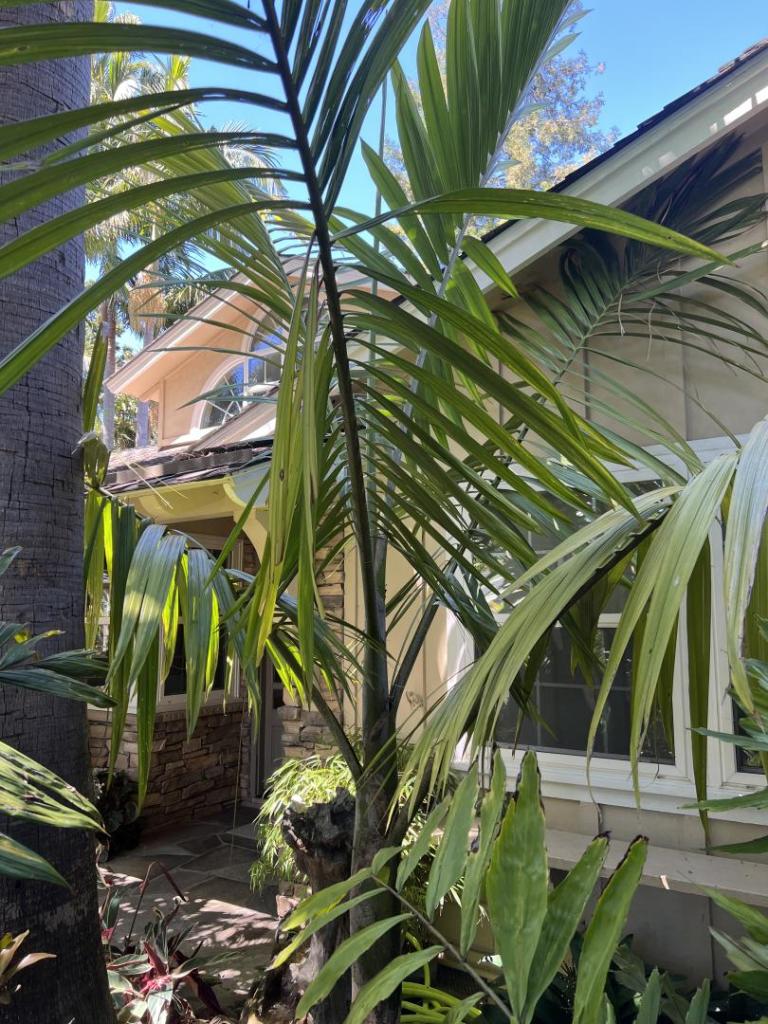
6 pointsThis VERY fast growing Kentiopsis oliviformis (now classified as Chambeyronia) showing its first ring as of last month. This is one of three of this species in my garden and the other two are WAY behind in growth despite being the same age and growing in the same conditions. This one in the pictures was planted as a one gallon plant just five and a half years ago.
 6 points
 -
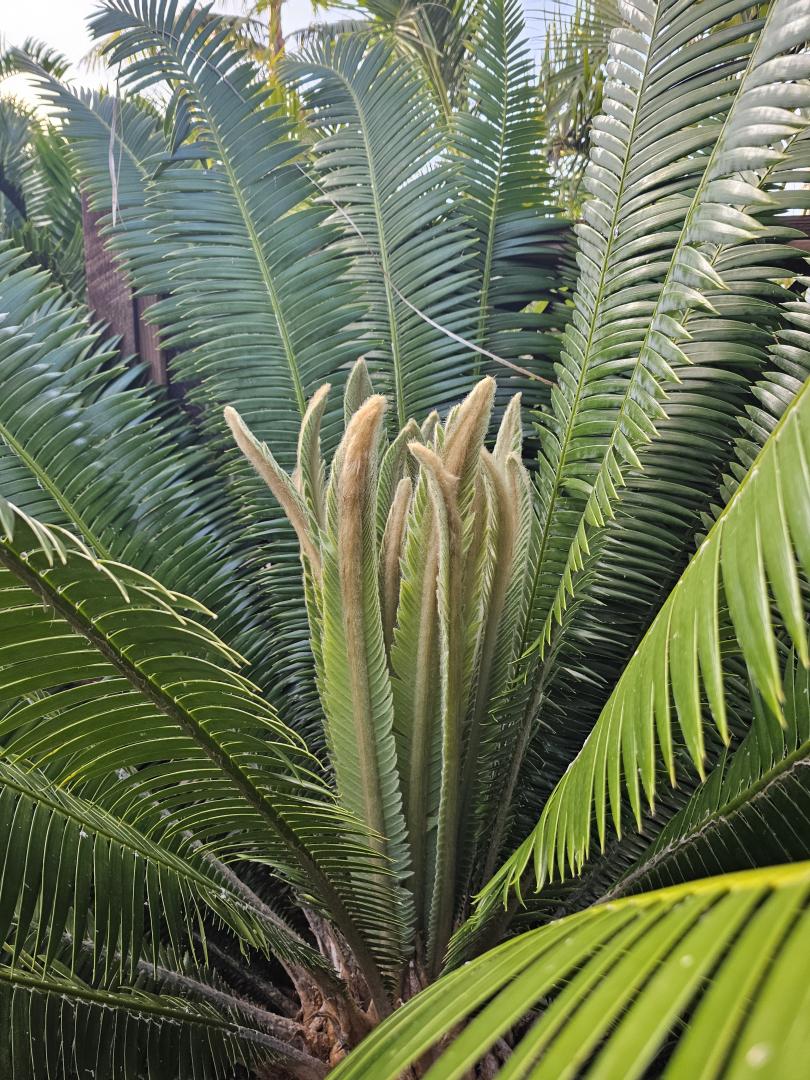
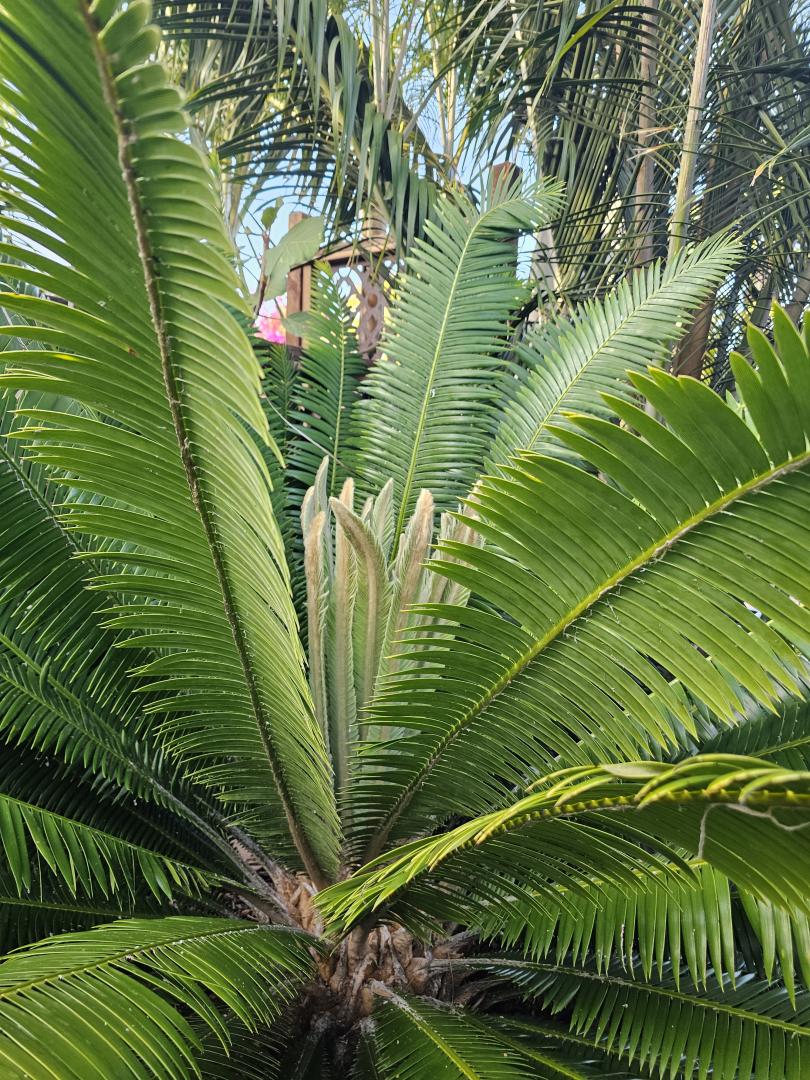
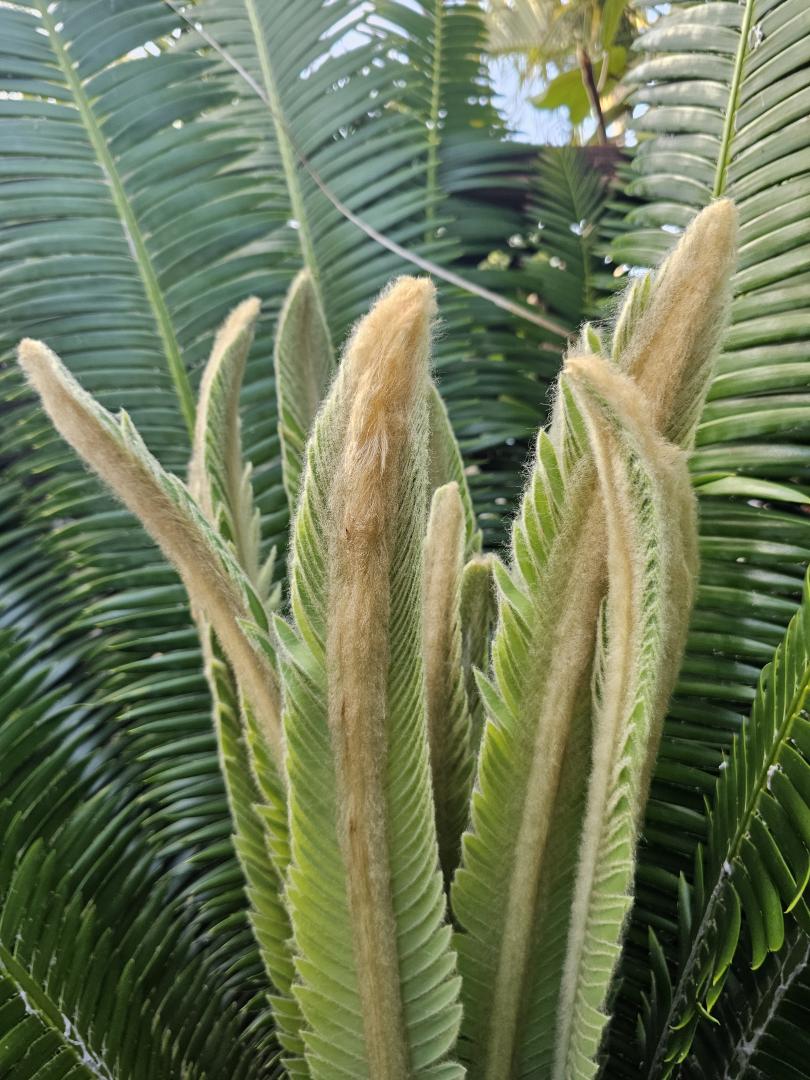
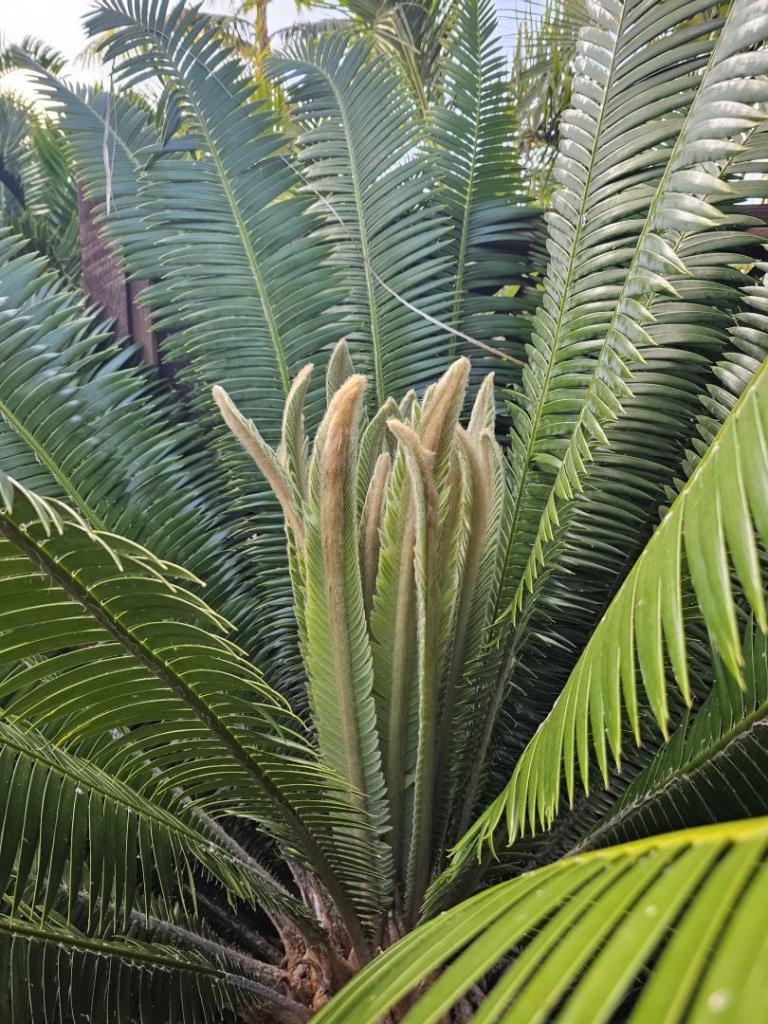
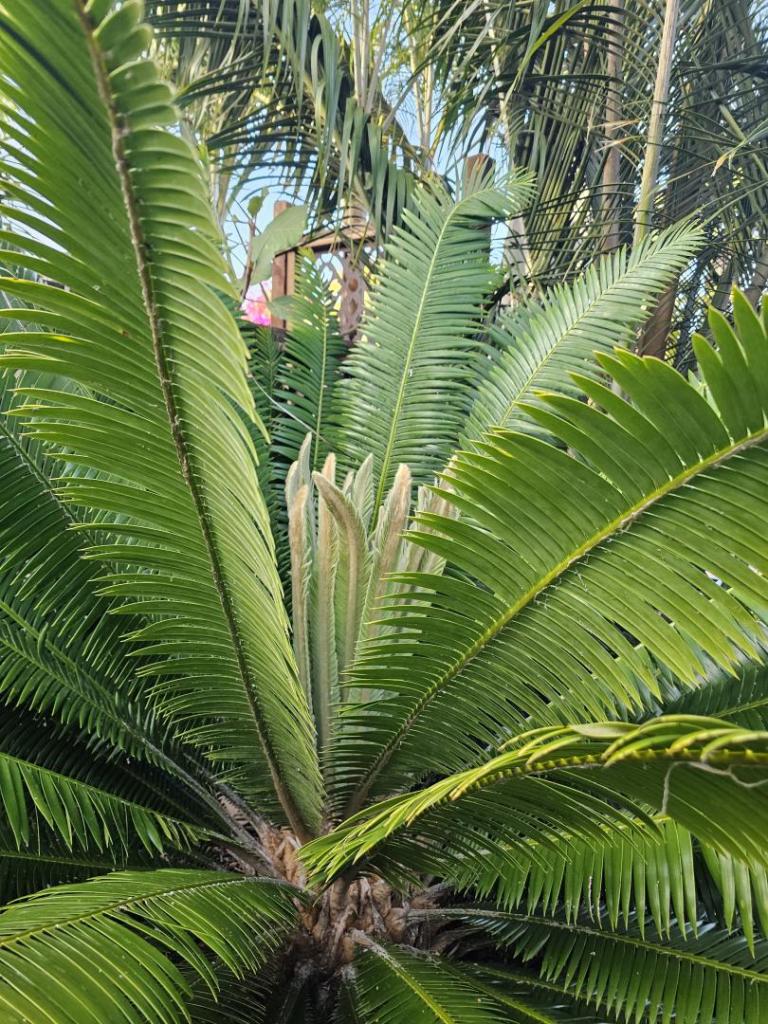
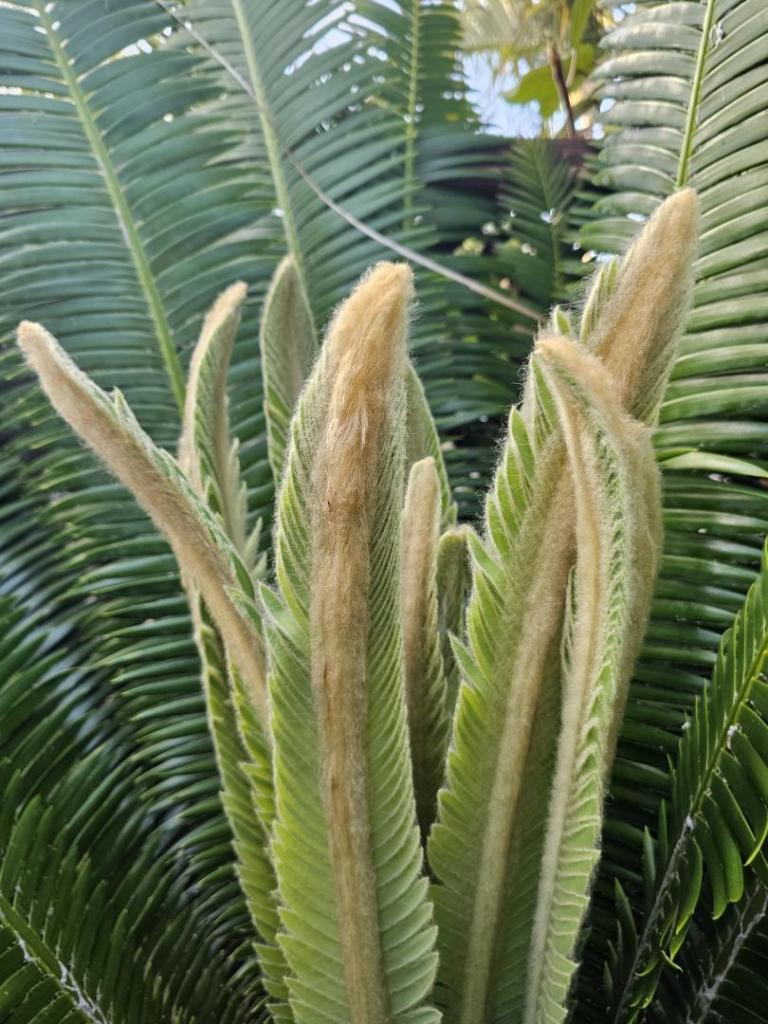
6 pointsDioon mejiae seems to always flush later into summer for me. Perhaps it needs more heat than some other cycads I am growing?
 6 points
 -
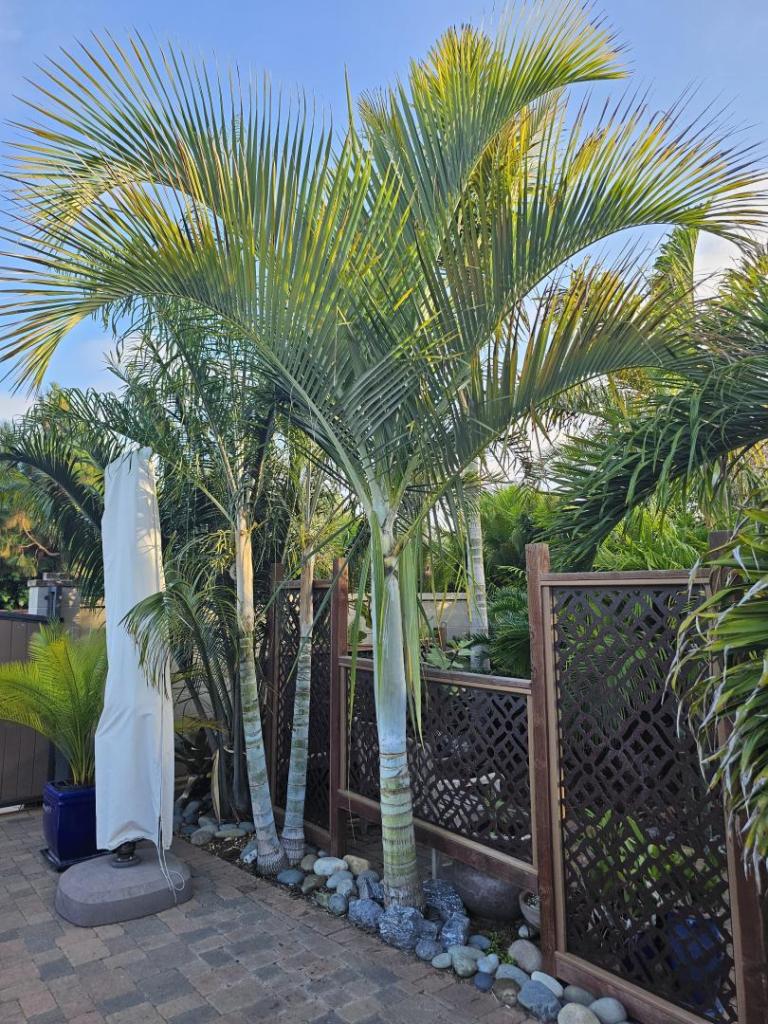
6 pointsChrysalidocarpus saintlucei gets thicker in full sun and thinner trunk in shade here. Full sun specimen front and center in this photo.
 6 points